Description
Functionality of Wireless Door/Window Sensors:
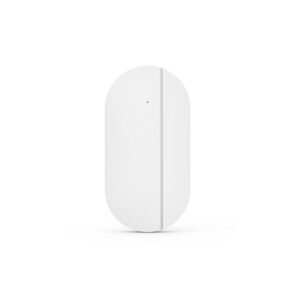
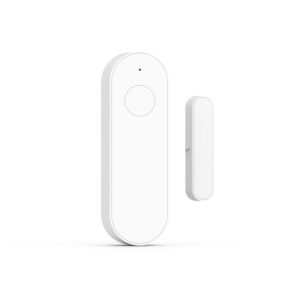
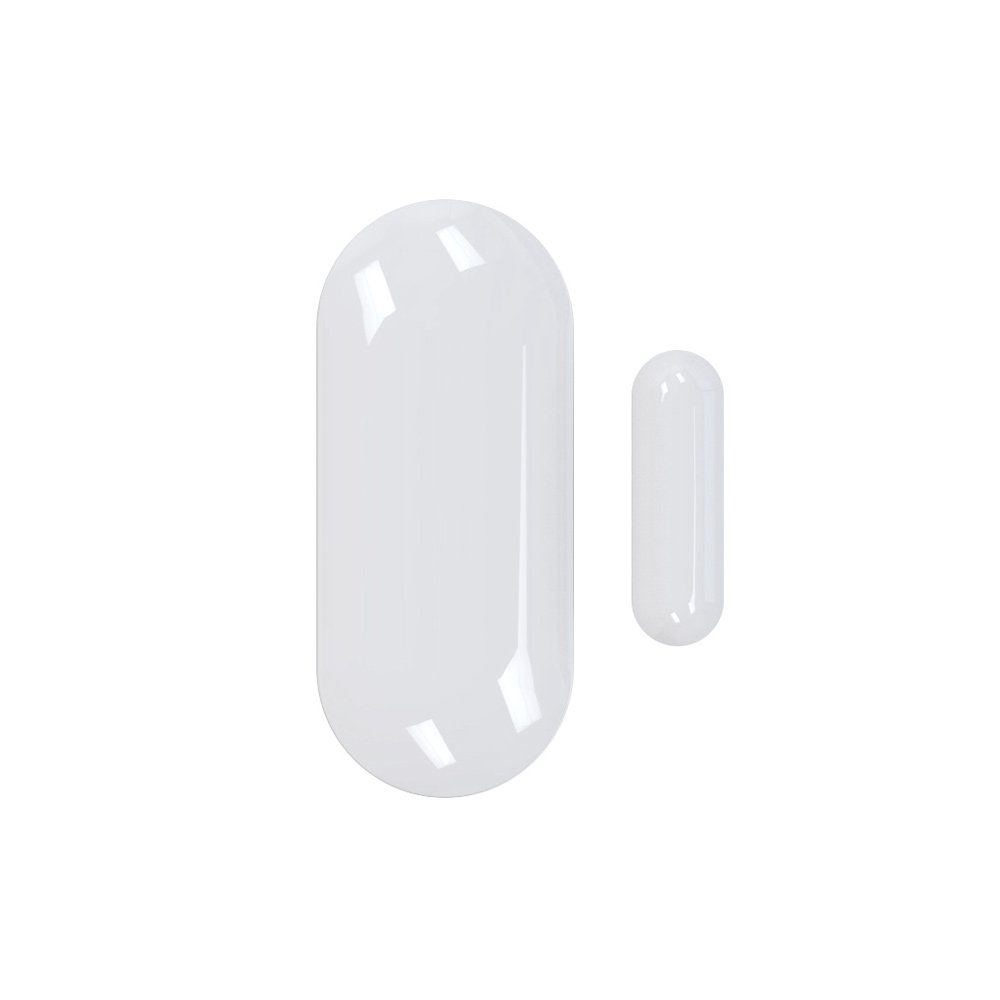
- Components: Each sensor system consists of two parts—a sensor that attaches to the door or window and a corresponding piece that mounts on the frame.
- Magnetic Mechanism: The two parts include magnets or a combination of a magnet and a metal plate. When the door or window is closed, these components align, completing the sensor’s circuit.
- Activation: When the door or window opens, the magnetic contact is disrupted, breaking the circuit. This triggers the sensor to wirelessly transmit an alert to the central system or a connected smart device.
- Response: Depending on the system’s configuration, this trigger can activate an alarm, send a notification to your mobile device, or initiate other programmed smart home actions.
Benefits of Using Wireless Door/Window Sensors:
- Improved Security: Instantly notifies you of any unauthorized entries, enhancing your home’s security.
- Ease of Installation: As there are no wires involved, these sensors are straightforward to install and adjust.
- System Integration: They can be easily incorporated into broader smart home and security systems.
- Remote Access: Offers the ability to monitor your home remotely via smartphone apps.
Important Features to Consider:
- Compatibility: Make sure the sensors are compatible with your existing home network (Wi-Fi, Zigbee, Z-Wave, etc.).
- Battery Performance: Opt for sensors with extended battery life to minimize maintenance needs.
- Communication Range: Ensure the sensors can communicate effectively over sufficient distances with your central hub.
- Additional Functionality: Some sensors include features like adjustable sensitivity to reduce false alarms, or programmable actions based on different scenarios.
- Durability: For external doors and windows, choose sensors that are weather-resistant.
- Aesthetics: Consider sensors with a design that blends seamlessly with your home décor.
Installation Recommendations:
- Proper Alignment: It’s crucial to align the sensor and its counterpart accurately to maintain contact when the door or window is shut.
- System Testing: Conduct thorough testing post-installation to confirm all sensors are operational and properly communicating with the central system.
- Regular Maintenance: Periodically check and maintain sensors, replacing batteries as necessary.
Enhancing Security Setup:
- Integration with Cameras: Linking sensors with security cameras can provide visual evidence in addition to security alerts, creating a more robust defense system.
- Professional Monitoring Options: Some systems may offer professional monitoring services that notify emergency services in response to security breaches.
Incorporating wireless door and window sensors into your security strategy can significantly bolster your home’s defense by deterring intruders and alerting you to any potential security breaches. Selecting the right sensors based on your specific requirements ensures efficient and reliable operation.