


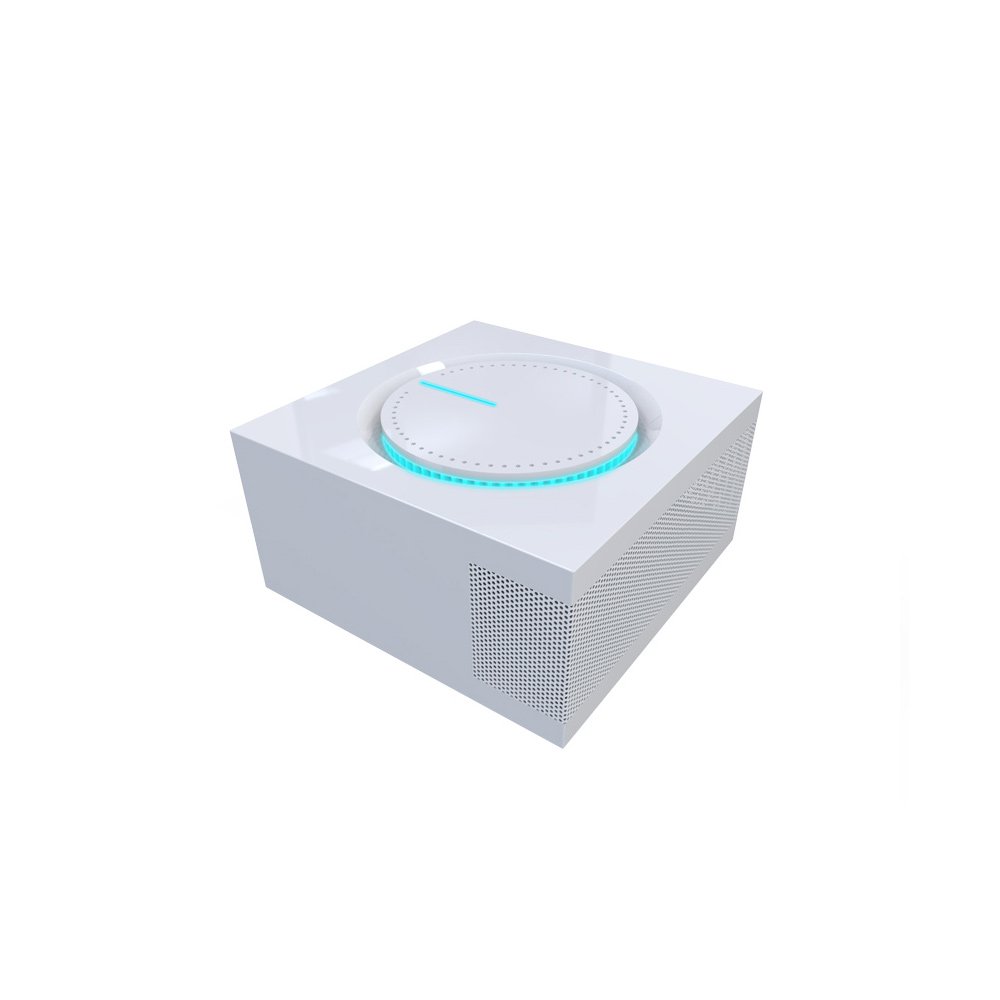
Description
Key Features of a Wireless Gas Detector:
1. Multi-Gas Detection: Many models are capable of detecting multiple types of gases, such as natural gas (methane), propane, carbon monoxide, hydrogen sulfide, and others. This broad detection range makes them suitable for a variety of environments and applications.
2. Wireless Connectivity: These detectors connect wirelessly to your home network or a dedicated hub, allowing you to receive alerts on your smartphone, tablet, or computer. This feature is crucial for immediate notification, even when you are not physically present.
3. Real-Time Monitoring and Alerts: Wireless gas detectors provide continuous monitoring and will send instant alerts if a dangerous level of gas is detected. Alerts can be in the form of text messages, emails, or app notifications.
4. Audible Alarms: In addition to wireless alerts, these devices typically feature a built-in siren that sounds an audible alarm within the home or facility when gas is detected, helping to ensure all occupants are aware of the danger.
5. Battery Operation: Being battery-operated, these detectors are not dependent on the building’s power supply, which can be crucial in power outage situations where the risk of gas leaks can be elevated.
6. Easy Installation and Maintenance: Without the need for complex wiring, these detectors can be easily installed and maintained. They can be mounted on walls or ceilings depending on the type of gas they are designed to detect.
Technical Specifications:
- Detection Types: Configurable for detecting specific gases like methane, propane, carbon monoxide, etc.
- Sensitivity and Accuracy: High sensitivity to detect low concentrations of gas.
- Wireless Range: Depending on the model, can vary from a few meters to over 100 meters.
- Battery Life: Generally ranges from 1 to 3 years, depending on the model and usage.
- Operating Conditions: Typically designed to operate in a range of -10°C to 50°C and a humidity range of 20% to 90% non-condensing.
- Certifications: Look for detectors that meet standards set by organizations like UL, CSA, or similar, ensuring reliability and effectiveness.
Placement and Installation Tips:
- Height Placement: The placement should consider the type of gas; since some gases are heavier than air (like propane) and sink, while others (like methane) rise.
- Location: Install near potential sources of gas leaks but away from direct ventilation paths and windows to avoid false alarms and ensure effective detection.
- Avoid Obstructions: Ensure that the detector is not obstructed by furniture or other objects that could impede gas flow to the sensors.
By integrating a Wireless Gas Detector into your safety protocol, you can significantly enhance your ability to respond quickly to potentially dangerous situations involving gas leaks. It is a crucial investment for the safety and security of any property.


