
Description
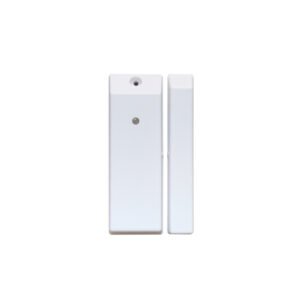
Components of Wireless Door/Window Sensors
- Transmitter: This part of the sensor sends a wireless signal to the security system’s main control panel or a smart home hub when triggered.
- Magnet: Typically attached to the moving part of the door or window, the magnet aligns with the transmitter when the door or window is closed.
- Battery: These sensors are usually powered by batteries, making them independent of house power and functional during power outages.
How They Work
- Magnetic Contact: When the door or window is closed, the magnet is near the transmitter, completing a circuit within the transmitter.
- Alert System Activation: Opening the door or window separates the magnet from the transmitter, breaking the circuit and triggering the transmitter to send a wireless alert to the main control panel or hub.
- Response: Depending on the system setup, this can result in an audible alarm, a mobile notification, or both.
Benefits
- Enhanced Security: Provides real-time alerts for any unauthorized entry, helping to deter potential intruders.
- Easy Installation and Maintenance: These sensors are straightforward to install without the need for wiring and have low maintenance requirements, primarily periodic battery replacement.
- Flexibility and Convenience: Wireless technology allows for placement flexibility and integration with existing home automation systems for enhanced control and monitoring.
Installation Tips
- Location: Install the transmitter on the door or window frame and the magnet on the door or window itself, ensuring they align when closed.
- Testing: After installation, test the sensor by opening and closing the door or window to ensure it triggers alerts as expected.
- Battery Maintenance: Regularly check and replace the batteries to maintain optimal functionality.
- Regular Checks: Occasionally inspect the sensor for any physical damage or misalignments that might affect its performance.
Use Cases
- Home Security: Keep track of all entry points into the home, increasing safety for family members.
- Child Safety: Monitor access to outdoor areas to ensure young children do not wander outside unsupervised.
- Business Security: Protect commercial properties by monitoring all doors and windows, especially during non-operating hours.
In summary, wireless door/window sensors are vital components of a comprehensive security system, offering an effective means of monitoring and securing entry points in both homes and businesses. Their wireless nature allows for flexible installation and integration with broader security or home automation systems, ensuring that property owners can maintain vigilance over their premises with ease and efficiency.