Description
How Wireless Door/Window Sensors Work
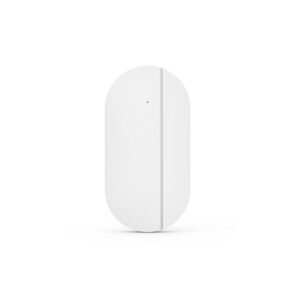
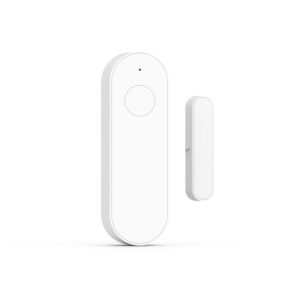
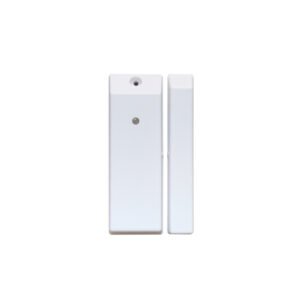
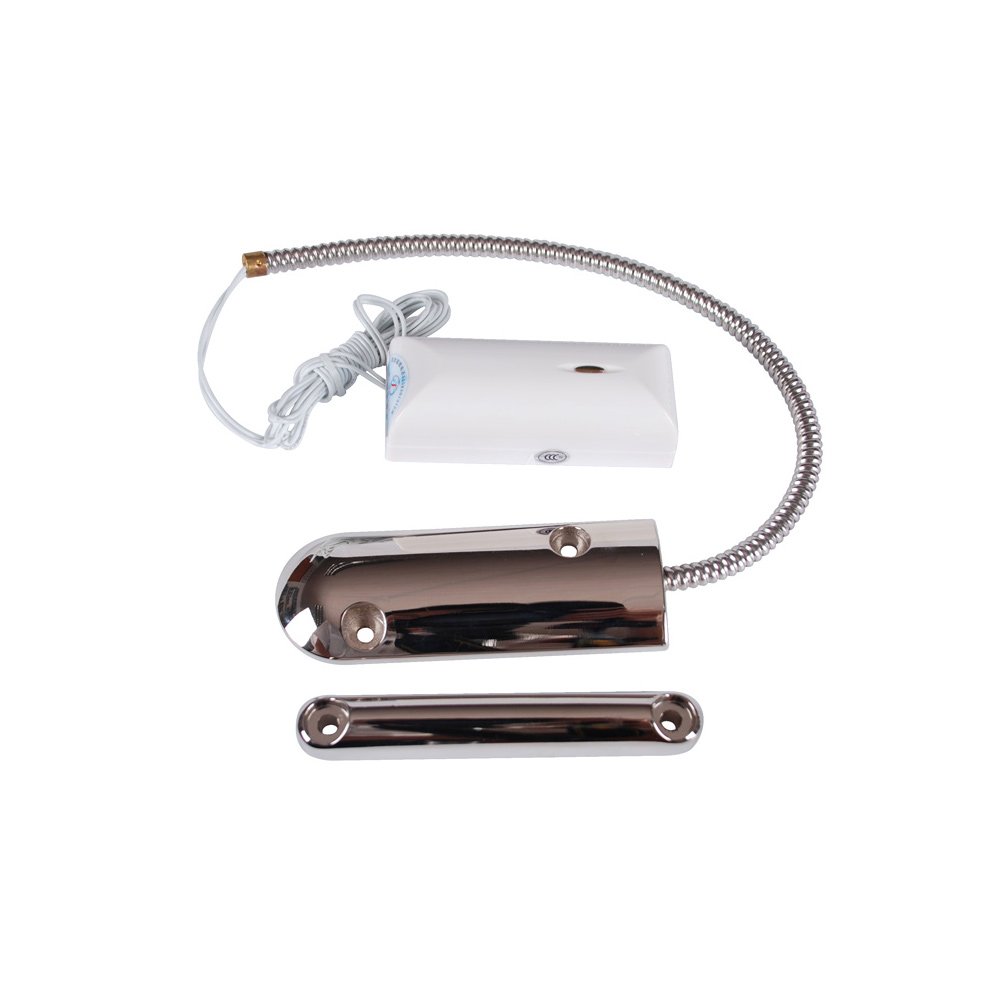
- Magnetic Contact: The sensor contains two parts: a magnet and a transmitter. The magnet is typically installed on the moving part of the door or window, while the transmitter is placed on the frame. When the door or window is closed, the magnet and transmitter are aligned.
- Signal Transmission: When the door or window opens, the alignment is disrupted, breaking the circuit. This triggers the transmitter to send a wireless signal to the central alarm system or smart home hub, indicating that the door or window has been opened.
- Alert System: Depending on your security setup, the triggered alert can cause an alarm to sound, send a notification to your smartphone, or both.
Benefits of Wireless Door/Window Sensors
- Easy Installation: As they do not require wiring, these sensors can be installed with minimal tools and expertise.
- Versatility: They can be used on all types of doors and windows, including those in hard-to-reach areas, thanks to their wireless nature.
- Security Enhancement: They provide real-time alerts that can help prevent unauthorized access and potential burglaries.
- Integration: Easily integrates with existing home automation systems to create a comprehensive monitoring system.
Installation Tips
- Positioning: Ensure the parts of the sensor are correctly aligned when the door or window is closed. Misalignment could result in false alarms or no alerts at all.
- Testing: After installation, thoroughly test the sensor to confirm that it communicates effectively with your central alarm system or smart hub.
- Battery Check: Regularly check the sensor’s battery life. Most units have a low battery indicator, but routine checks will ensure they remain operational.
- Maintenance: Periodically inspect the sensor to ensure it is free of damage and debris, which could affect functionality.
Common Use Cases
- Home Security: Install on all exterior doors and windows to monitor entries and exits from your house.
- Business Security: Use in commercial properties to enhance security, especially after hours.
- Safety Alerts: Ideal for families with young children or elderly members, providing alerts if they open doors or windows unsupervised.
By incorporating wireless door/window sensors into your security setup, you can significantly enhance the safety and security of your property. These devices offer a simple yet effective way to keep track of who is entering and leaving your premises, giving you peace of mind whether you are at home or away.