
Description
How Water Immersion Sensors Work:
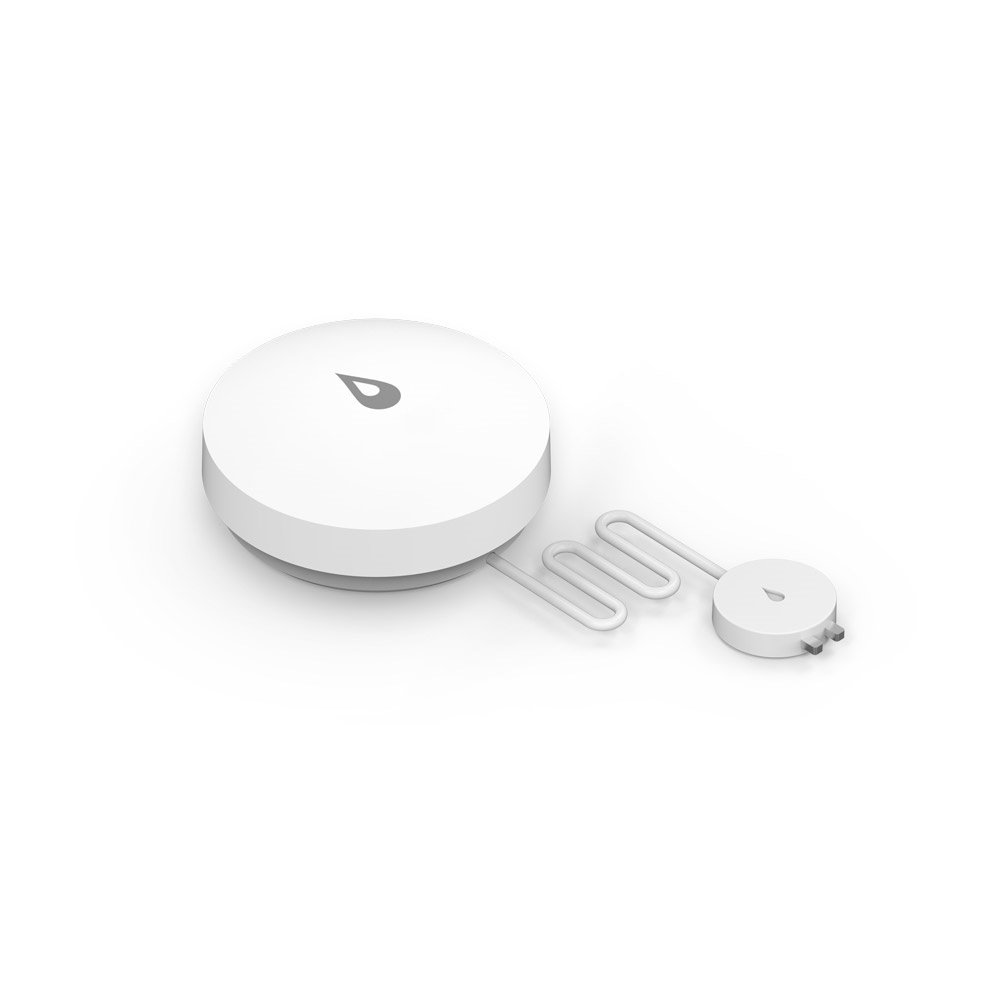
- Detection Mechanism: Most water immersion sensors have electrodes or probes that, when in contact with water, complete an electrical circuit. This change in conductivity triggers the sensor.
- Alert System: Upon detection of water, the sensor activates an alert system. This can be a local alarm (audible or visual) or a notification sent to a connected smart system or monitoring service.
- Integration: Many modern sensors can integrate with broader home automation or security systems. They can send notifications through apps, SMS, or emails and can sometimes trigger actions like shutting off the water supply automatically.
Types of Water Immersion Sensors:
- Passive Sensors: These sensors solely detect water presence and trigger alarms. They do not interact with other systems to control the water source.
- Active Sensors: These are integrated with mechanisms that can perform actions such as shutting off the water main to prevent further leakage.
Benefits of Using Water Immersion Sensors:
- Early Detection and Prevention: They provide an early warning of potential flooding, allowing for swift actions to mitigate damage.
- Reduced Repair Costs: Early water leak detection can significantly reduce the extent of damage and thereby the cost of repairs.
- Enhanced Safety: By preventing major leaks, these sensors can also avert electrical hazards and structural damage associated with water leaks.
- Insurance Benefits: Some insurance companies offer lower premiums for properties equipped with leak detection systems.
Choosing the Right Water Immersion Sensor:
- Connectivity: Ensure the sensor is compatible with your home network or security system, whether it’s Wi-Fi, Zigbee, or Z-Wave.
- Battery Life: Opt for sensors with long battery life to minimize maintenance.
- Sensitivity: Some sensors can detect small amounts of moisture, making them suitable for early leak detection.
- Durability: For sensors used in harsh environments, choose models that are robust and resistant to wear and tear.
- Integration Capabilities: Consider whether the sensor can be integrated with other smart home devices, such as water shut-off valves or security systems.
Installation Tips:
- Strategic Placement: Install sensors in locations where leaks are likely to occur or go unnoticed, such as under sinks, near water heaters, in basements, and around washing machines.
- Regular Testing: Periodically test the sensors to ensure they are functioning correctly.
- Maintenance: Keep the sensors clean and replace batteries as needed to ensure continuous protection.
By incorporating water immersion sensors into a property’s maintenance plan, homeowners and facility managers can significantly decrease the risk of water damage and maintain a safer living or working environment. These devices are an important component of a comprehensive property management system, particularly in areas prone to water issues.
