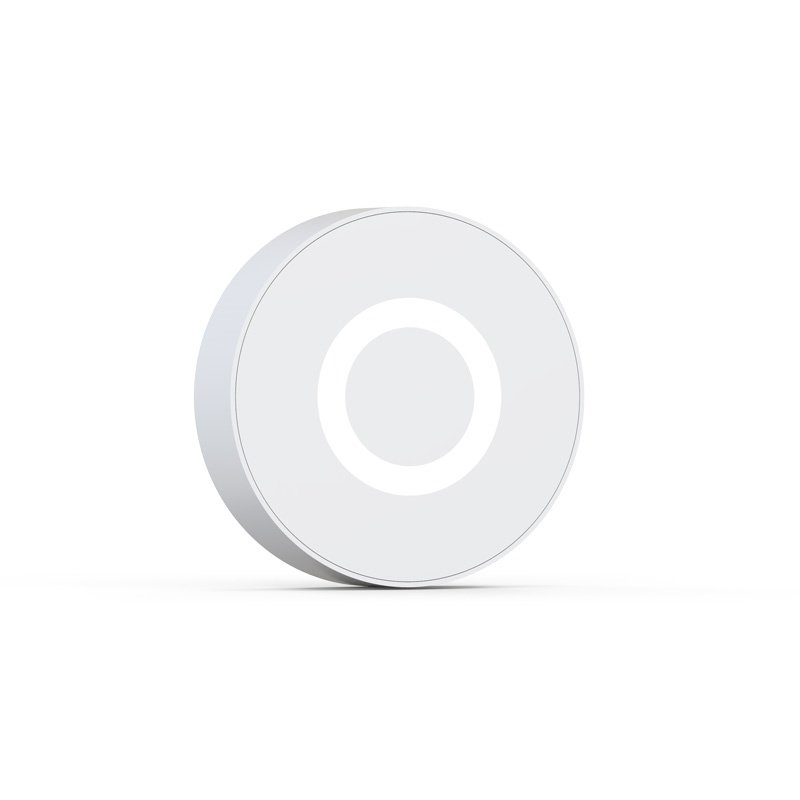
Description


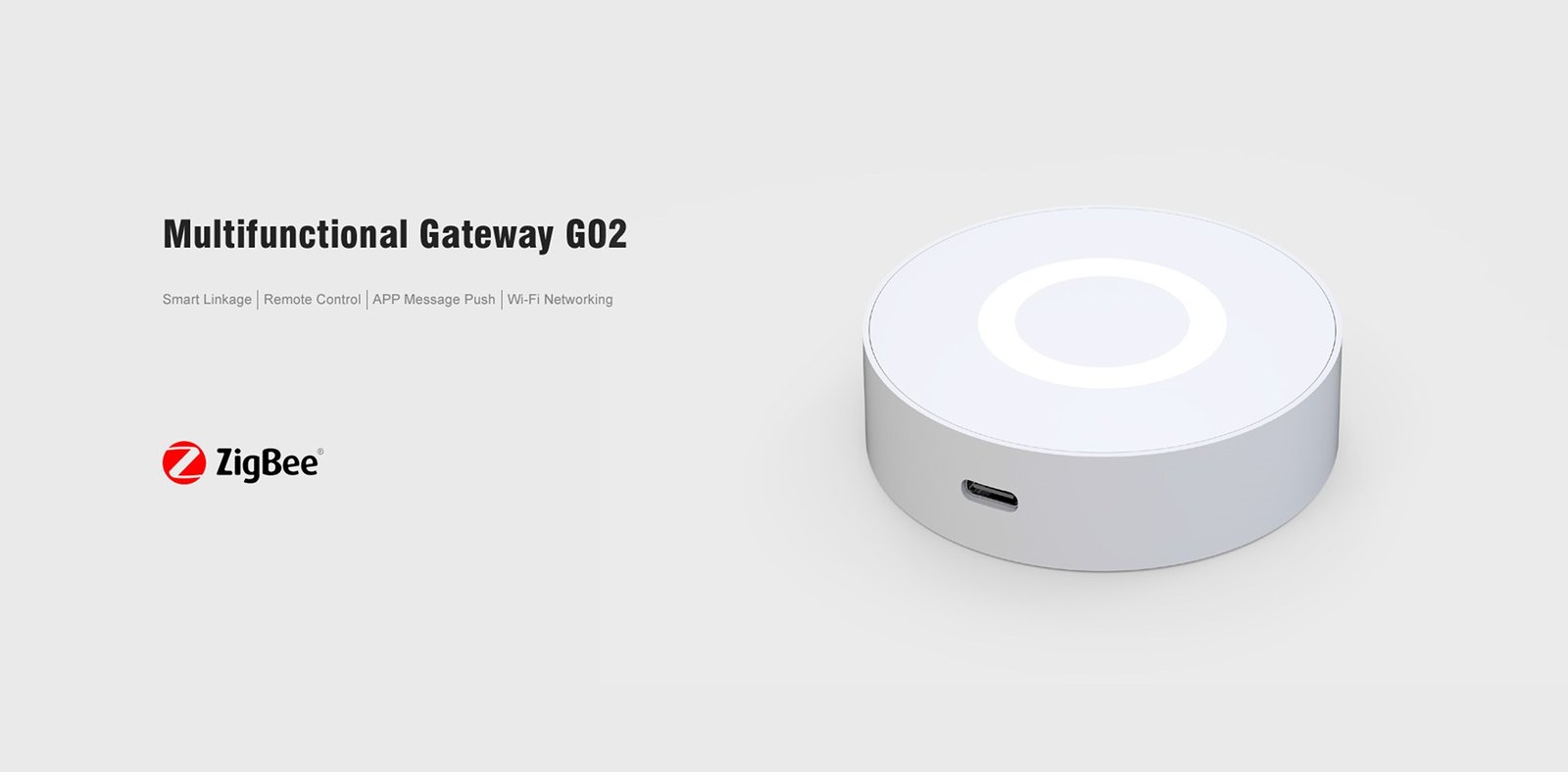
Core Functions of a Multi-Function Gateway:
- Communication Bridge: It serves as a bridge between different home automation devices that may use diverse communication protocols such as ZigBee, Z-Wave, Wi-Fi, Bluetooth, etc. This allows devices from different manufacturers to work together seamlessly.
- Data Processing: The gateway can process data locally, providing faster response times for devices and reducing the amount of data that needs to be sent to the cloud, which can enhance privacy and efficiency.
- Remote Access and Control: It enables users to control and monitor their smart devices remotely via apps on smartphones or tablets, regardless of their physical location. This is particularly useful for functions like remote home security monitoring or adjusting the thermostat.
- Security: A multi-function gateway also plays a critical role in securing the smart home ecosystem. It can implement security measures such as encryption, firewalls, and secure boot to protect against unauthorized access and threats.
- Automation and Scenes: The gateway allows users to create automated scenarios or scenes. For instance, a “good morning” scene might raise the blinds, turn on the coffee machine, and adjust the thermostat automatically at a set time.
- Integration with Cloud Services: While it can operate independently for routine tasks, it also connects to cloud services for advanced functionalities like voice control integration with services such as Amazon Alexa, Google Assistant, or Siri.
Applications:
- Smart Home Automation: For managing lighting, heating, security systems, and other home appliances.
- Energy Management: Optimizing energy usage by intelligently managing devices based on usage patterns and external data like weather conditions.
- Health Monitoring: In a healthcare setting, it could collect data from medical devices used at home and send this information to healthcare providers.
- Industrial IoT: In industrial settings, it could facilitate the monitoring and management of machinery and equipment, predictive maintenance, and efficient resource management.
Benefits:
- Convenience: Offers centralized control over all connected devices through a single interface.
- Efficiency: Improves energy efficiency and can reduce costs by automating tasks and optimizing device usage.
- Security: Enhances the security of a smart home or IoT network.
- Scalability: Easily integrates new devices and technologies as they become available.
Choosing a Multi-Function Gateway:
When selecting a multi-function gateway, it’s important to consider:
- Compatibility: Ensure it supports all current and potentially future devices in terms of communication protocols.
- Security Features: Look for robust security features to protect your network and data.
- User Interface: The management interface should be intuitive and accessible on various devices.
- Reliability and Support: Choose products known for reliability and backed by good customer support.
Conclusion:
Multi-function gateways are pivotal in the architecture of smart environments, be it homes, healthcare, or industrial settings. They not only simplify the management of diverse devices but also enhance functionality through automation, improve security, and facilitate remote operations.