Description
What are Temperature and Humidity Sensors?
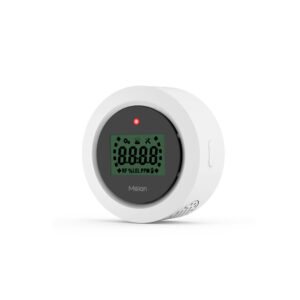
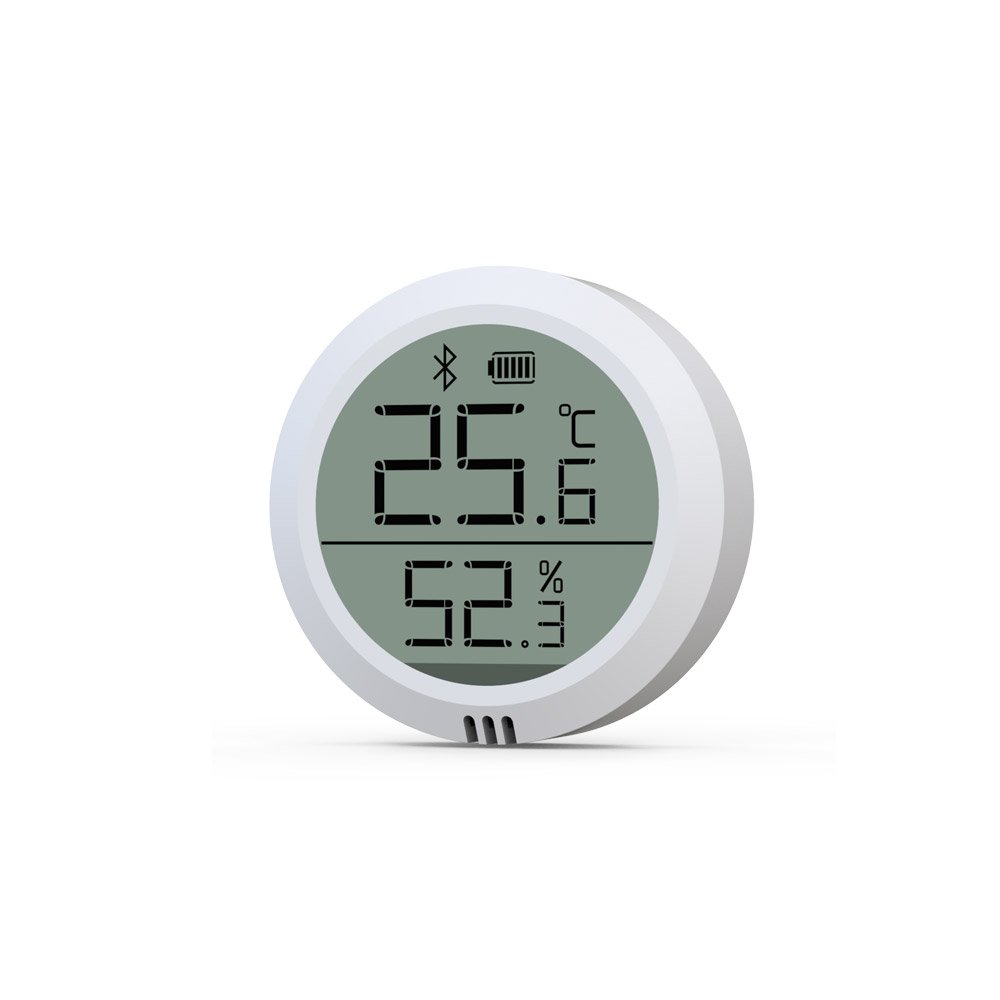
Temperature and humidity sensors are often combined into a single device, known as a hygrothermograph or a thermo-hygrometer. These devices can measure:
- Temperature: The sensor detects the ambient air temperature typically using a thermistor, thermocouple, or a Resistance Temperature Detector (RTD).
- Humidity: The sensor measures the amount of water vapor in the air. Common technologies for humidity sensors include capacitive, resistive, and thermal conductivity sensors.
Key Features of Temperature and Humidity Sensors:
- Accuracy: These sensors are designed to provide precise readings of temperature and humidity, which is crucial for applications where specific conditions need to be maintained.
- Range: They are capable of measuring a wide range of temperatures and humidity levels, suitable for both cold environments like refrigerators and hot environments like ovens or saunas.
- Response Time: The sensors quickly respond to changes in environmental conditions, allowing for real-time monitoring and adjustments.
- Digital Output: Many modern sensors provide digital outputs that can be easily integrated with other digital systems for monitoring and control.
- Calibration: Some sensors come with options for calibration to maintain accuracy over time or after exposure to extreme conditions.
- Durability: Designed to withstand the environments they are used in, whether that’s high humidity levels, fluctuating temperatures, or both.
Applications of Temperature and Humidity Sensors:
- Home Automation: Used in HVAC systems to regulate indoor air conditions for comfort and energy efficiency.
- Weather Stations: Essential for providing accurate local weather data including temperature and relative humidity.
- Industrial and Manufacturing Processes: Critical in processes that require strict environmental conditions such as pharmaceuticals, food processing, and electronics manufacturing.
- Agriculture: Used in greenhouses and indoor farming to monitor and control climate conditions, promoting optimal plant growth.
- Data Centers: Help in maintaining optimal conditions to prevent overheating and excess moisture that could damage servers and other equipment.
Installation Tips:
- Placement: Install sensors away from direct sunlight, heating appliances, or cooling vents to avoid skewed readings.
- Height: For residential or office spaces, install sensors at an average height of about 5 feet above the floor.
- Maintenance: Regularly clean and calibrate the sensors to maintain accuracy.
Why Temperature and Humidity Sensors are Essential:
By providing accurate and real-time data on environmental conditions, temperature and humidity sensors play a vital role in enhancing comfort, protecting assets, ensuring safety, and improving operational efficiencies in various settings. They are indispensable tools in any modern climate control system, contributing significantly to energy management and environmental regulation.