
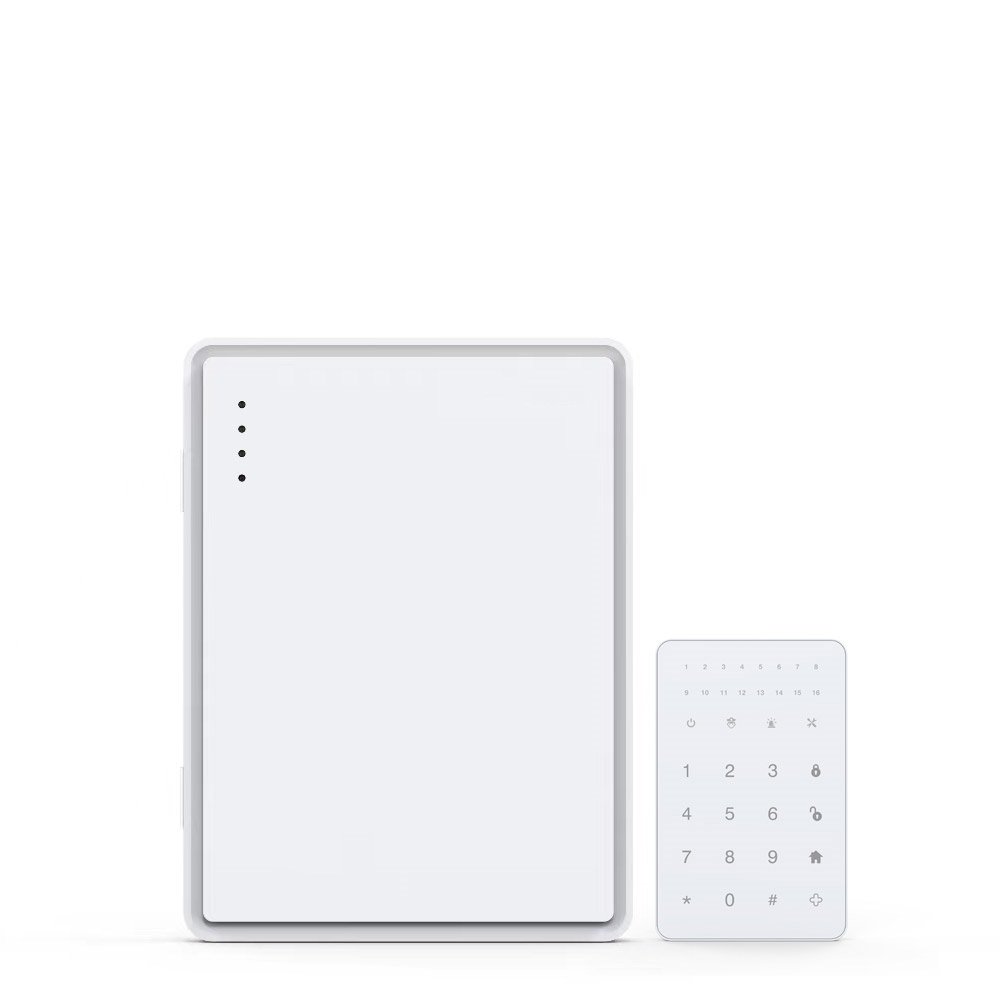
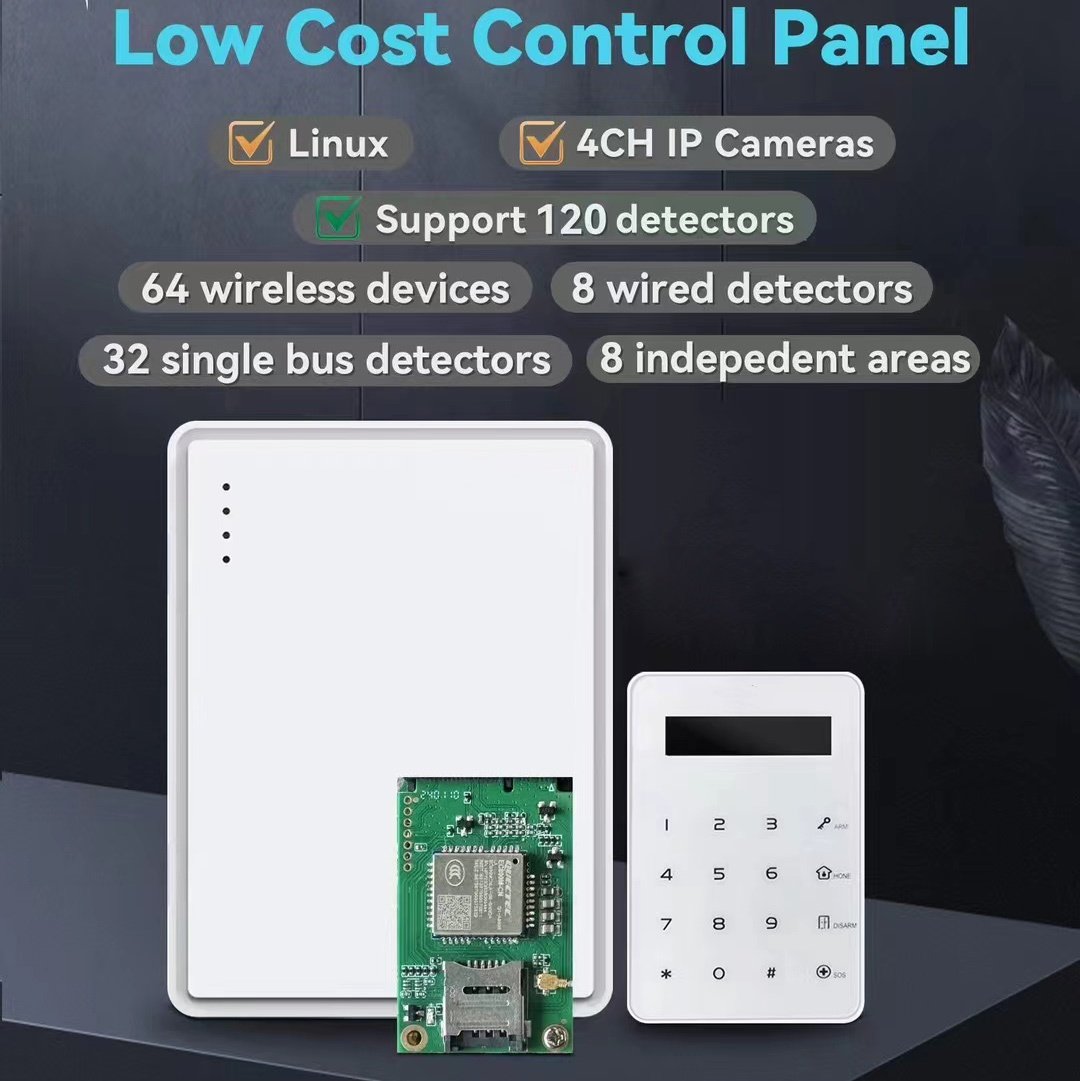
Description
A PSTN+4G Industrial Alarm Control Panel is a comprehensive security system designed for industrial environments that require robust and reliable communication capabilities. It combines the traditional Public Switched Telephone Network (PSTN) with modern 4G cellular connectivity. This blend ensures not only redundancy in communication paths but also wide coverage and quick response capabilities, which are crucial in industrial settings.
Key Features and Functionalities
- Dual Connectivity Options:
- PSTN (Public Switched Telephone Network): Uses traditional telephone lines to send alarms and receive commands, providing a reliable backup communication method.
- 4G Connectivity: Ensures wireless communication through cellular networks, offering faster data transmission and broader coverage compared to PSTN.
- Integrated Security Components:
- Supports a range of sensors and devices, including but not limited to intrusion detectors, fire and smoke alarms, flood sensors, and temperature monitors.
- Remote Monitoring and Control:
- The use of 4G allows for real-time data transmission and remote system access. Security personnel can monitor and manage the system remotely, adjusting settings and responding to alerts from any location.
- Automatic Failover Mechanism:
- In the event of a network failure, either on the cellular (4G) or PSTN side, the system can automatically switch to the alternative network, ensuring continuous operation and communication.
- Event Logging and Notification:
- Captures and records all events and system statuses. Notifications can be sent through SMS, calls (via PSTN), or mobile data (4G), depending on the nature of the alert and the preset preferences.
Benefits
- High Reliability and Redundancy:
- The combination of PSTN and 4G ensures that the system remains operational even if one communication pathway fails, crucial for maintaining security protocols in critical industrial environments.
- Quick Response Capability:
- Real-time monitoring and alerts over 4G enable a swift response to any detected issues, potentially preventing damage or escalation of security events.
- Wide Coverage:
- Cellular networks can cover vast areas that might be challenging for wired networks, ensuring all parts of an industrial complex are secured and monitored.
- Flexibility and Scalability:
- Easily scalable by adding more sensors and integrating other security systems. It also allows customization in terms of communication preferences and security levels.
Deployment Considerations
- Network Security:
- Security measures to protect data transmitted over 4G must be robust, including encryption and secure access protocols to safeguard against potential cyber threats.
- Compatibility with Existing Systems:
- The alarm control panel should be compatible with existing industrial systems and devices to ensure seamless integration and operation.
- Regulatory Compliance:
- Compliance with telecommunications and industry-specific regulations is essential. This includes adhering to standards for wireless communication and data protection.
- Maintenance and Support:
- Regular maintenance is necessary to ensure the system functions correctly. Support contracts with technology providers can help mitigate any technical issues swiftly.
- Power and Backup Solutions:
- Adequate power supply solutions, including Uninterruptible Power Supplies (UPS), ensure the system remains operational during power outages.


