
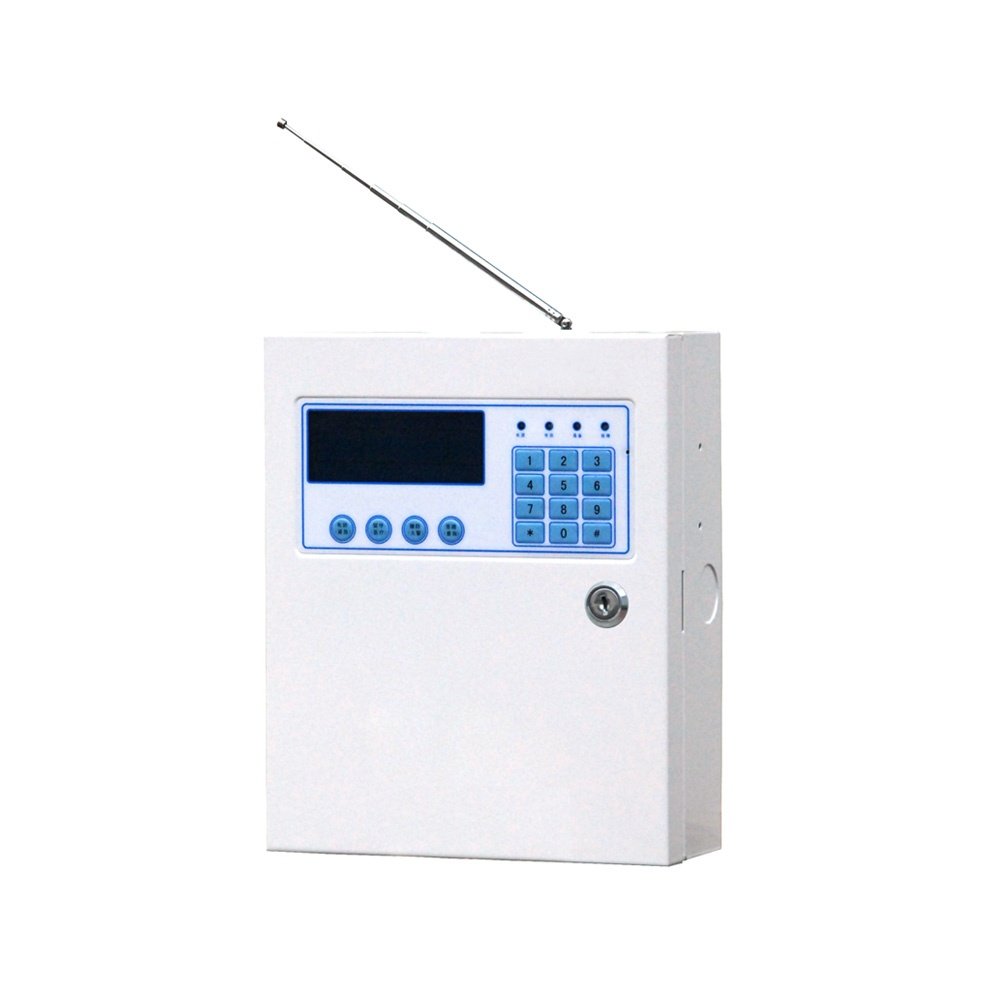
Description
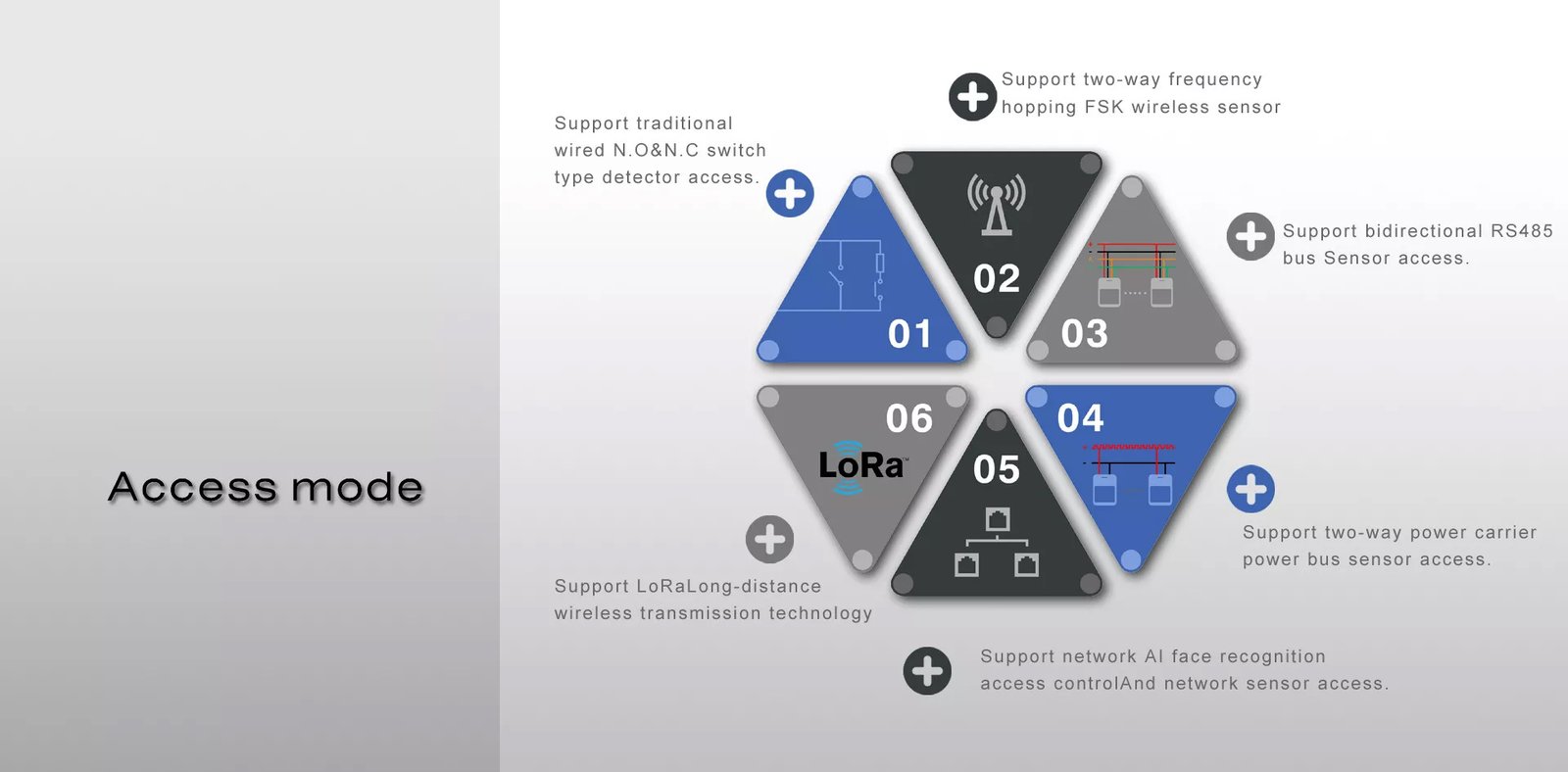
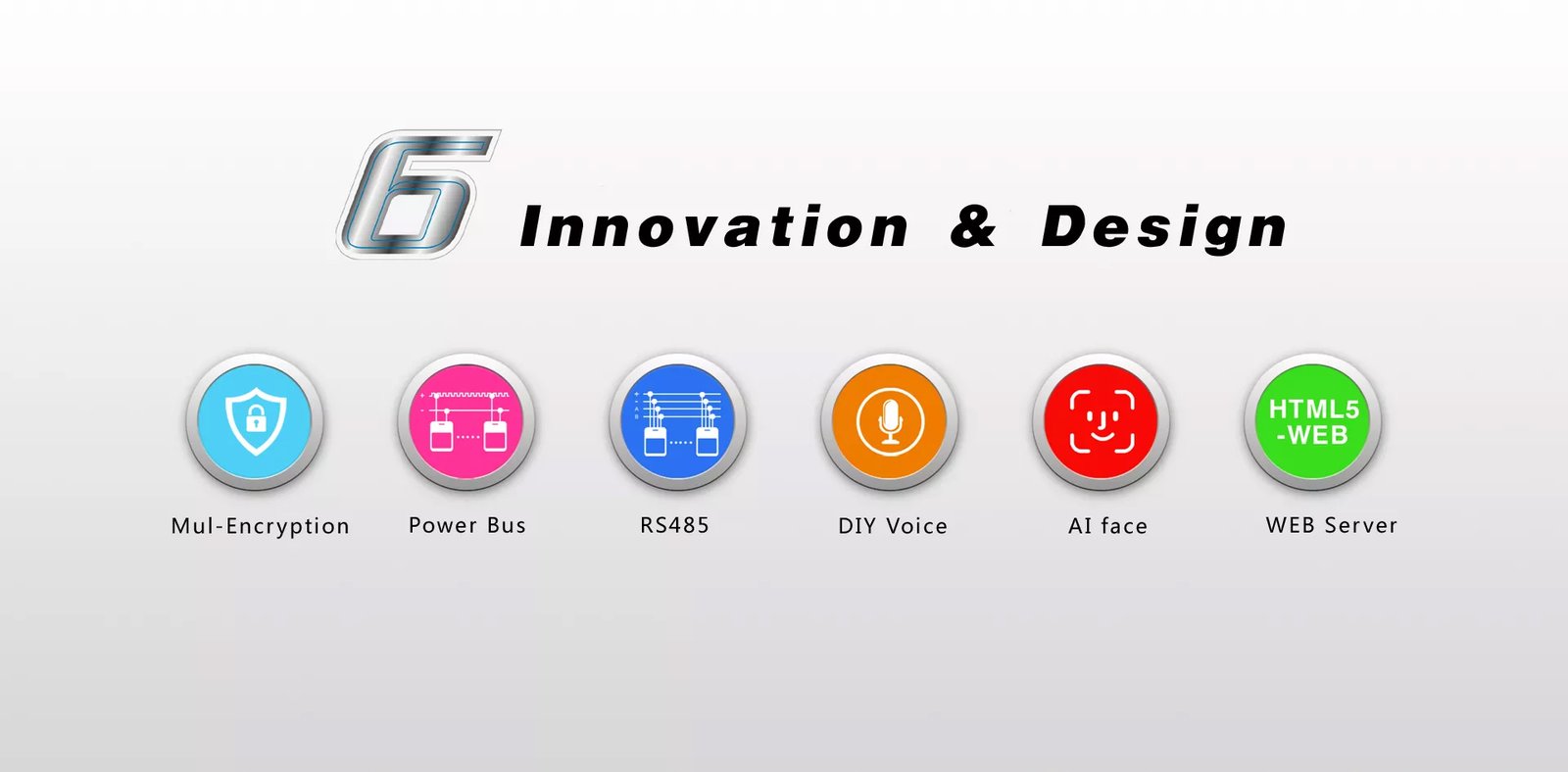
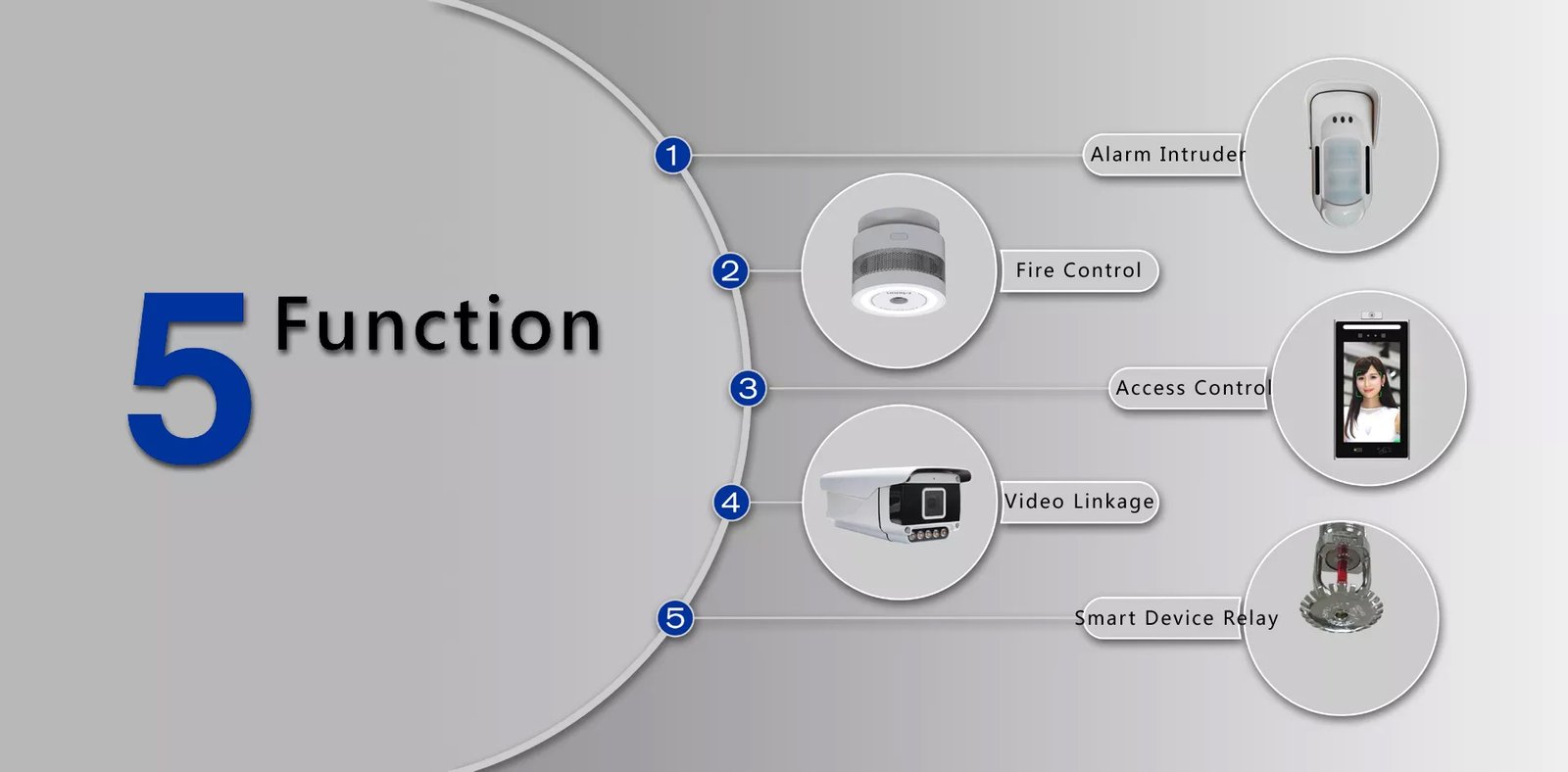
Key Components and Features
- PSTN (Public Switched Telephone Network):
- Function: Utilizes traditional telephone lines for communication.
- Benefits: Provides a reliable and stable method of communication that is not dependent on local internet infrastructure. It’s particularly useful in areas where internet services are unstable or in the event of internet outages.
- 4G LTE Connectivity:
- Function: Uses cellular networks to transmit alarm signals.
- Benefits: Ensures continuous communication capabilities even if the PSTN line is cut or disabled. It offers faster data transmission rates and wider coverage.
- Alarm Inputs and Sensors:
- Can include a variety of sensors such as motion detectors, door/window contacts, smoke detectors, and gas leak sensors, tailored to the specific needs of an industrial environment.
- Control Panel:
- The central unit that receives signals from connected sensors and decides the appropriate response, whether it’s sounding an alarm, sending a notification, or contacting emergency services.
- User Interface:
- May include keypads, touchscreens, or be managed remotely via software applications. This allows for user settings adjustment, system arming/disarming, and viewing the status of connected sensors.
- Notifications and Alerts:
- Sends real-time alerts to specified contact numbers or a central monitoring station via PSTN or 4G upon detecting unusual activities.
Installation Considerations
- Location: Should be installed in a secured and accessible place within the industrial site.
- Power Supply: Needs a reliable power source, often backed up by an uninterruptible power supply (UPS) or batteries to ensure operation during power outages.
- Maintenance: Regular checks and maintenance are necessary to ensure all components function optimally and that there are no false alarms or system failures.
Benefits
- Reliability: By combining PSTN and 4G, the system provides dual-layered security in communication, ensuring that alarm signals can be sent even if one of the communication channels fails.
- Wide Coverage: Useful in remote industrial locations where internet connectivity might be limited but cellular coverage is available.
- Versatility: Can be integrated with various types of sensors to monitor different kinds of threats, from intruders to environmental hazards.
- Real-Time Alerts: Facilitates immediate response to incidents, potentially minimizing damage and enhancing security.
- Scalability: Easily scalable to include more sensors or connect with newer technologies as business needs evolve.
Applications
- Factories: Monitoring entry points and sensitive areas where valuable assets or hazardous materials are stored.
- Warehouses: Surveillance of large storage facilities to prevent theft or damage.
- Construction Sites: Protecting equipment and materials, especially during off-hours.
- Utility Facilities: Ensuring security at critical infrastructure sites such as water treatment plants or power stations.


