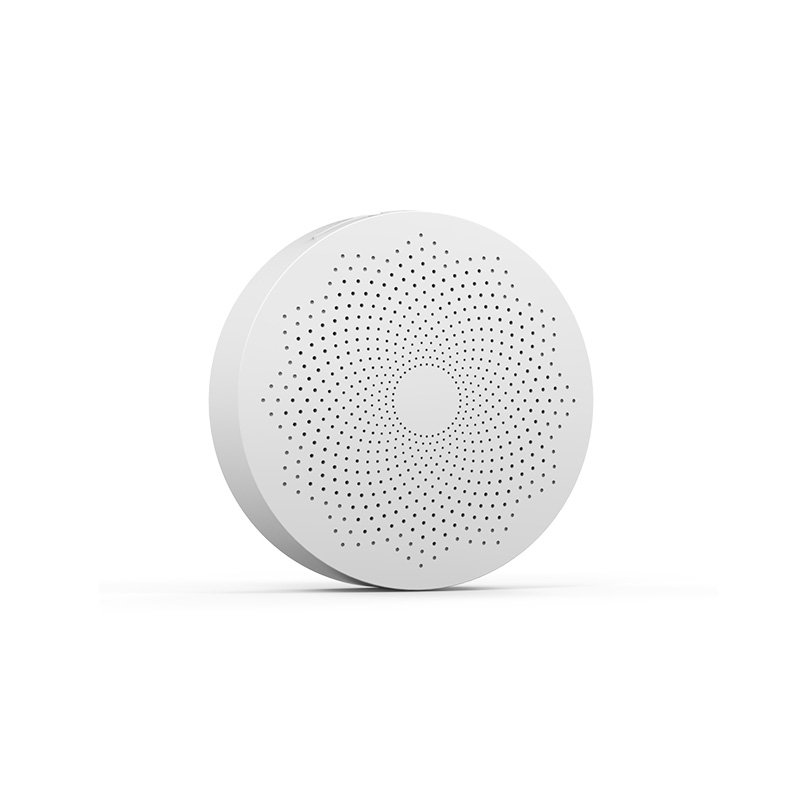
Description


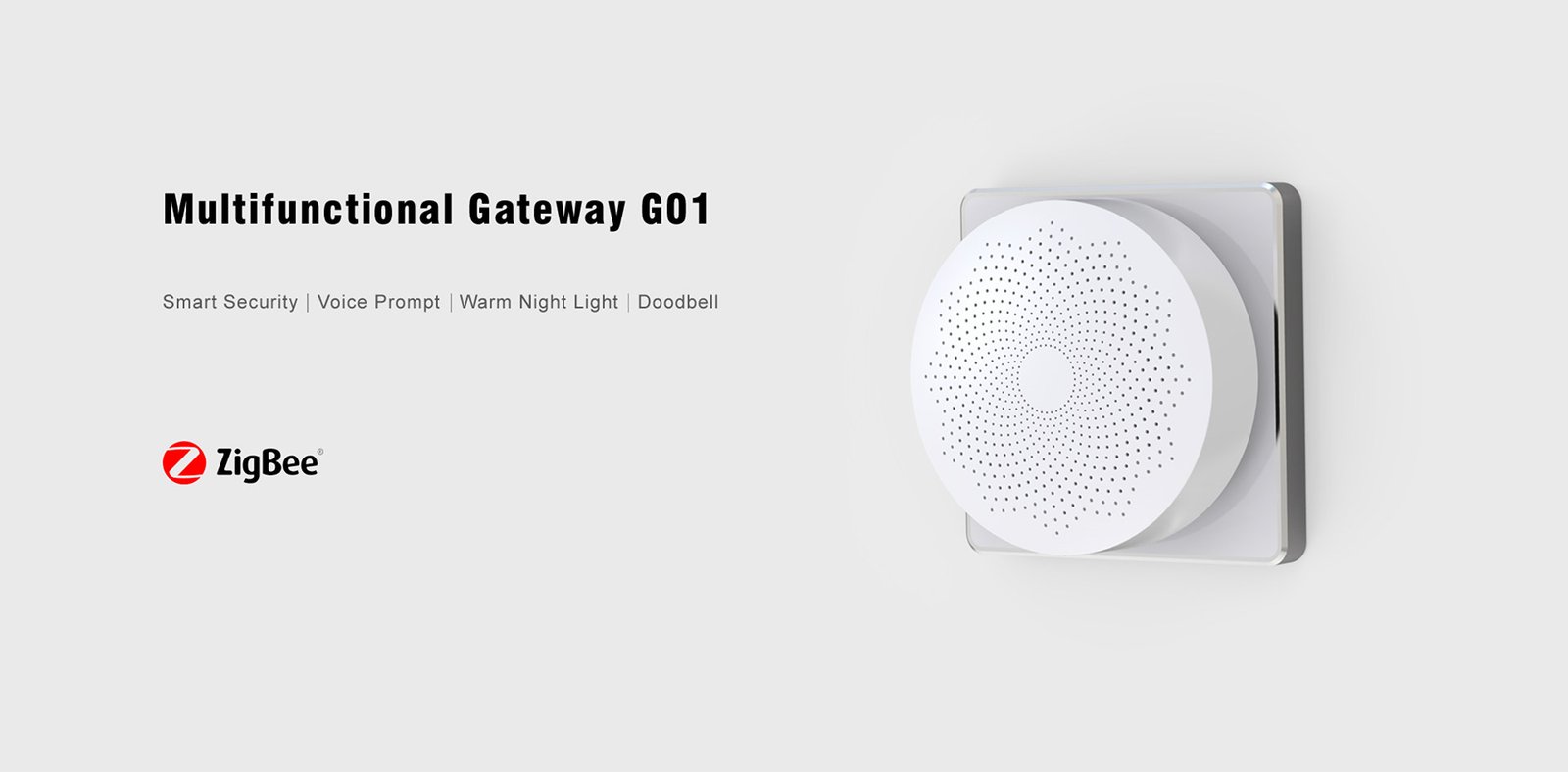
Key Features and Functions
- Protocol Integration: Multi-function gateways can handle multiple communication protocols, making them compatible with a diverse range of smart devices from various manufacturers.
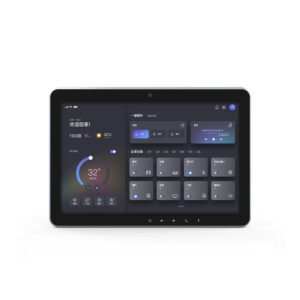
- Centralized Control: They provide a unified platform where users can monitor and control all connected smart devices, either through a mobile app or a web-based interface.
- Automation and Scene Management: Users can set up automation rules (e.g., lights turning on at sunset) and scenes (e.g., a “movie night” scene that dims the lights and turns on the TV).
- Security and Encryption: Ensures secure communication between devices to protect data integrity and privacy. This includes features like encrypted signals and secure logins.
- Voice Assistant Compatibility: Often compatible with popular voice assistants like Google Assistant, Amazon Alexa, and Apple Siri, allowing for hands-free control and integration.
- Remote Access: Enables users to control and monitor their home automation system remotely, ensuring they can manage their home’s security, energy usage, and more from anywhere.
Practical Applications
- Smart Lighting: Control lights remotely, set schedules, and create ambiance.
- Home Security: Integrate sensors, cameras, and alarms to enhance the security of your property.
- Energy Management: Connect smart thermostats and energy monitors to optimize energy usage.
- Entertainment Systems: Manage audiovisual equipment and streaming devices through the gateway for an enhanced entertainment experience.
- Smart Appliances: Link with appliances like smart refrigerators, washers, and ovens for increased efficiency and convenience.
Benefits of Using a Multi-Function Gateway
- Convenience: Streamlines the management of all smart home devices through one interface.
- Compatibility: Bridges various devices regardless of the manufacturer, as long as they support common protocols.
- Enhanced Control: Offers detailed control settings and the ability to tweak system behaviors according to specific needs or preferences.
- Security: Provides robust security features to ensure the network and connected devices are protected from unauthorized access.
- Scalability: Easily integrates new devices as they are added to the system without needing extensive setup or configuration changes.
Selection Criteria for a Multi-Function Gateway
- Device Compatibility: Check if the gateway supports the devices and protocols you currently use or plan to use.
- Security Features: Ensure the gateway offers up-to-date security measures to protect your smart home network.
- Ease of Use: The interface should be intuitive and user-friendly.
- Reliability and Support: Opt for products with reliable performance records and strong customer support for troubleshooting and updates.
Conclusion
Multi-Function Gateways are essential for creating a cohesive, efficient, and manageable smart home environment. They not only facilitate complex interactions between diverse devices but also enhance the overall user experience by offering centralized control and automation capabilities. When choosing a gateway, consider its compatibility with your devices, its security features, ease of use, and the manufacturer’s support.