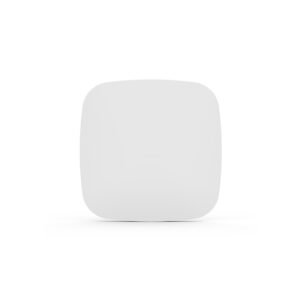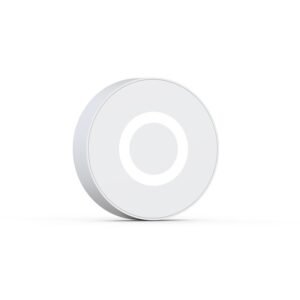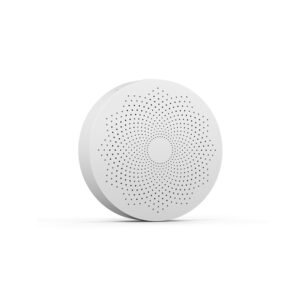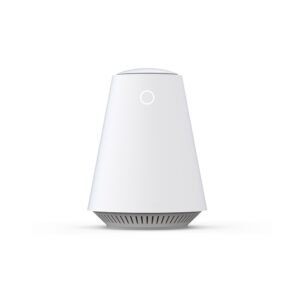
Description


Key Functions and Features
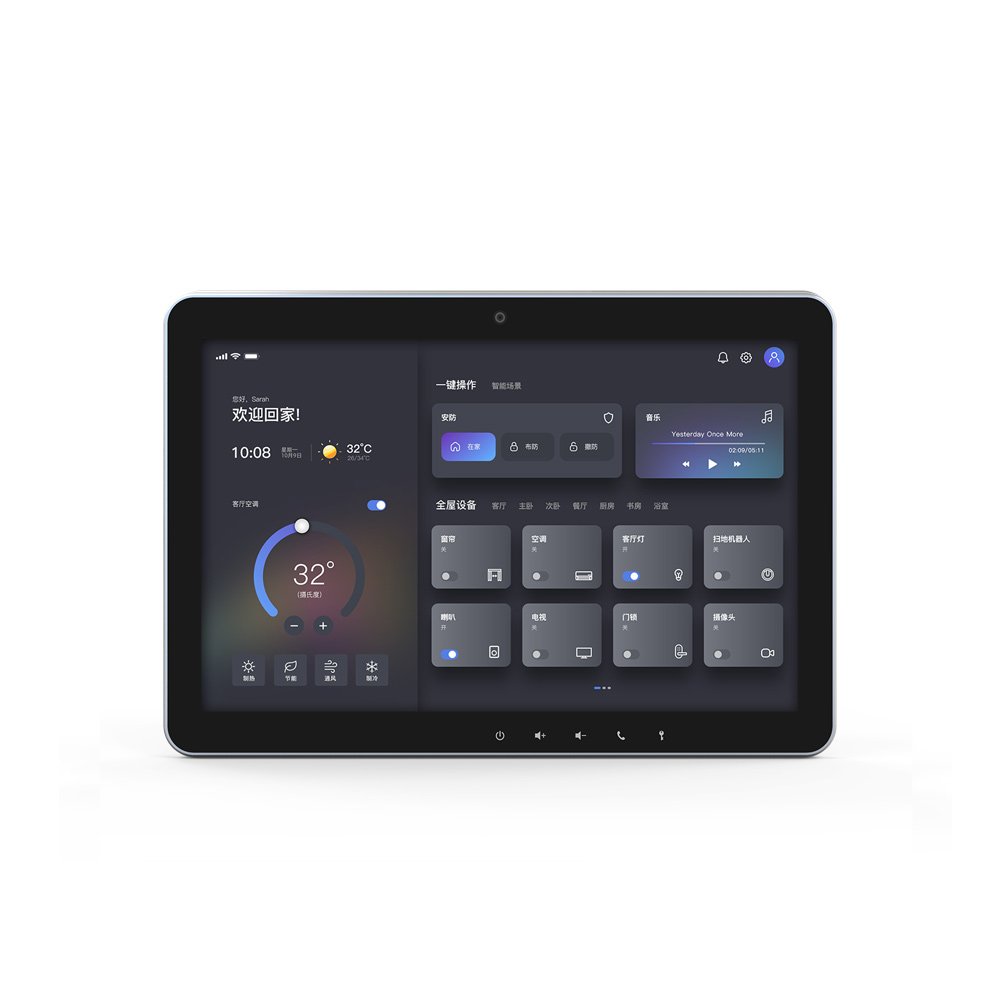
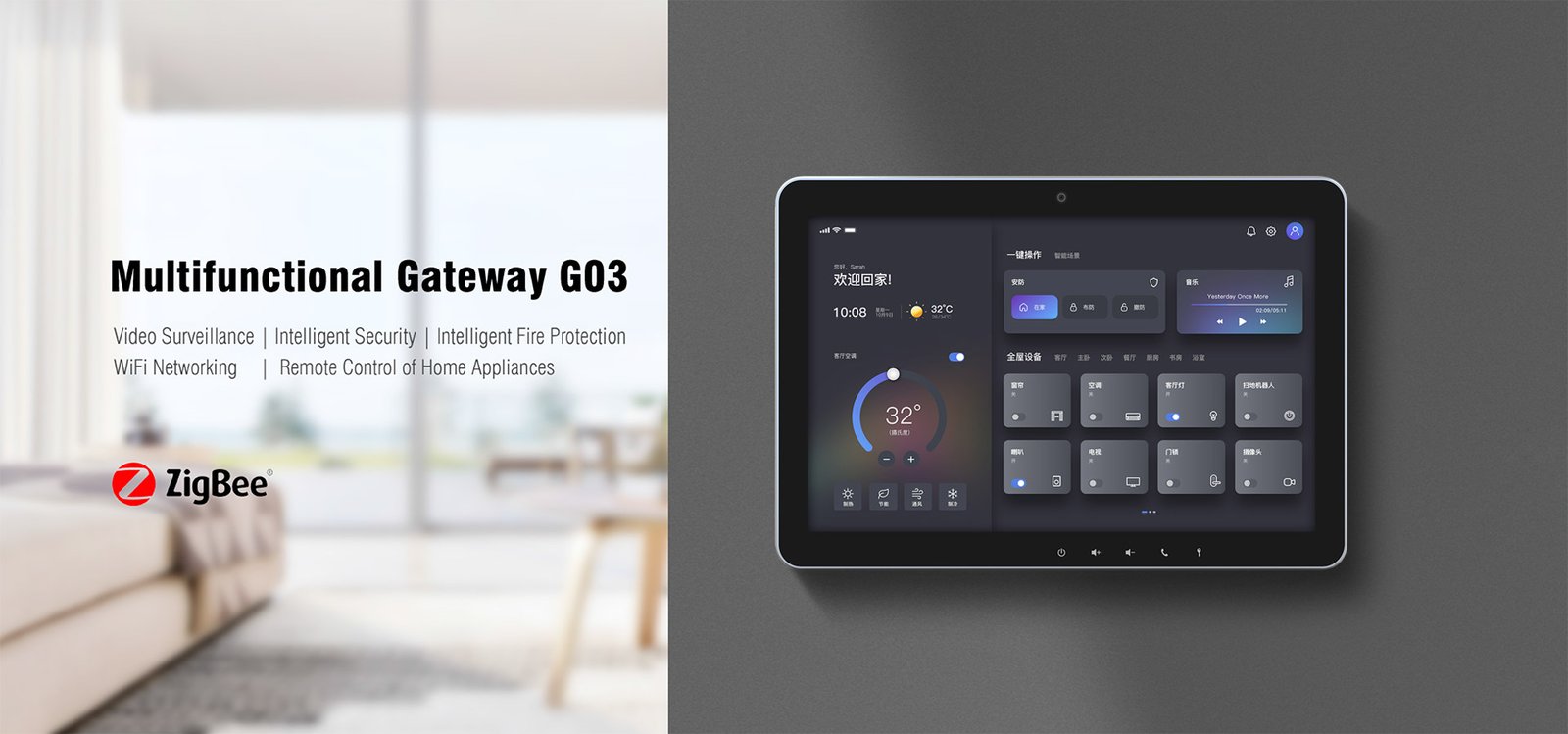
- Centralized Control: The gateway serves as the central point of control for all connected devices. Users can control, configure, and monitor different devices through a single interface, often accessible via a smartphone app or a web portal.
- Protocol Integration: These gateways support multiple communication protocols such as Zigbee, Z-Wave, Wi-Fi, Bluetooth, and more. This allows them to connect with a wide range of devices from different manufacturers.
- Security Features: Enhanced security protocols to safeguard data transmission between devices. This includes encryption and authentication measures to prevent unauthorized access.
- Automation and Scenes: Users can create specific scenes or automation rules. For example, a “Good Night” scene might turn off all lights, lock doors, and activate the security system.
- Voice Assistant Integration: Many gateways are compatible with voice assistants like Amazon Alexa, Google Assistant, or Apple’s Siri, allowing for voice-controlled operation of home devices.
- Remote Access and Notifications: Provides the ability to control and monitor your home remotely. It also sends notifications and alerts based on predefined events (e.g., when motion is detected or a door is opened).
Applications
- Smart Lighting: Control and automate lighting systems, adjust brightness or color based on time or events.
- Security Systems: Integrate various security components like cameras, motion sensors, and alarms for enhanced home security.
- Climate Control: Connect thermostats and air conditioners to automate temperature settings according to preferences or environmental conditions.
- Entertainment Systems: Manage home entertainment devices, create ambiance settings with audio and lighting for movie nights.
- Home Appliances: Connect smart appliances like refrigerators, washing machines, and more for enhanced convenience and efficiency.
Benefits
- Convenience: Manage all smart home devices through a single interface.
- Energy Efficiency: Automate systems to save on energy costs, like adjusting thermostat settings automatically and turning off lights when they are not needed.
- Enhanced Security: Keep your home secure by integrating various security devices and receive real-time alerts.
- Scalability: Easily add new devices as your smart home expands without needing significant changes.
Considerations for Choosing a Multi-Function Gateway
- Compatibility: Ensure that the gateway supports the devices and communication protocols you use or plan to use.
- Security: Look for a gateway with robust security features to protect your home network and devices.
- User Interface: Consider how easy it is to use the control interface since you will interact with it frequently.
- Support and Updates: Choose a product from a company that provides good customer support and regular firmware updates to keep the system secure and functional.
Conclusion
Multi-Function Gateways are pivotal in the effective functioning of smart homes, simplifying the management and enhancing the capabilities of various connected devices. They not only provide convenience and efficiency but also offer scalable and secure solutions for modern living environments. As smart homes continue to evolve, the role of multi-function gateways will become increasingly important in integrating new technologies and enabling innovative home automation features.