Description

How Smart Water Leakage Sensors Work
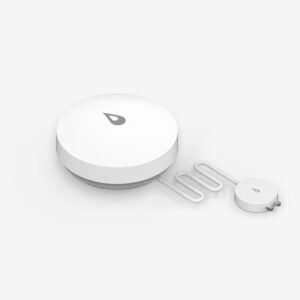
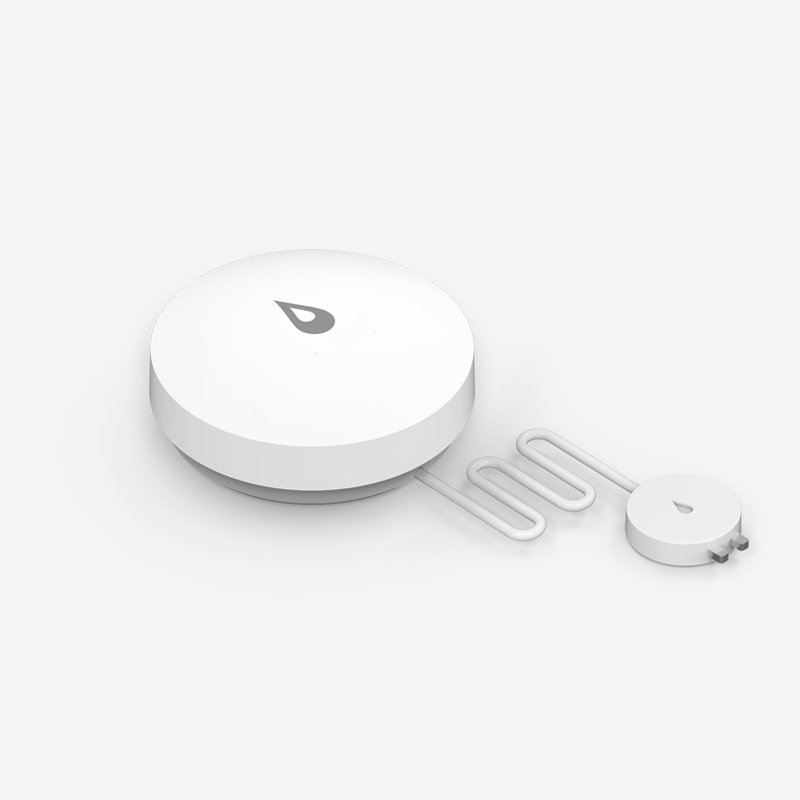
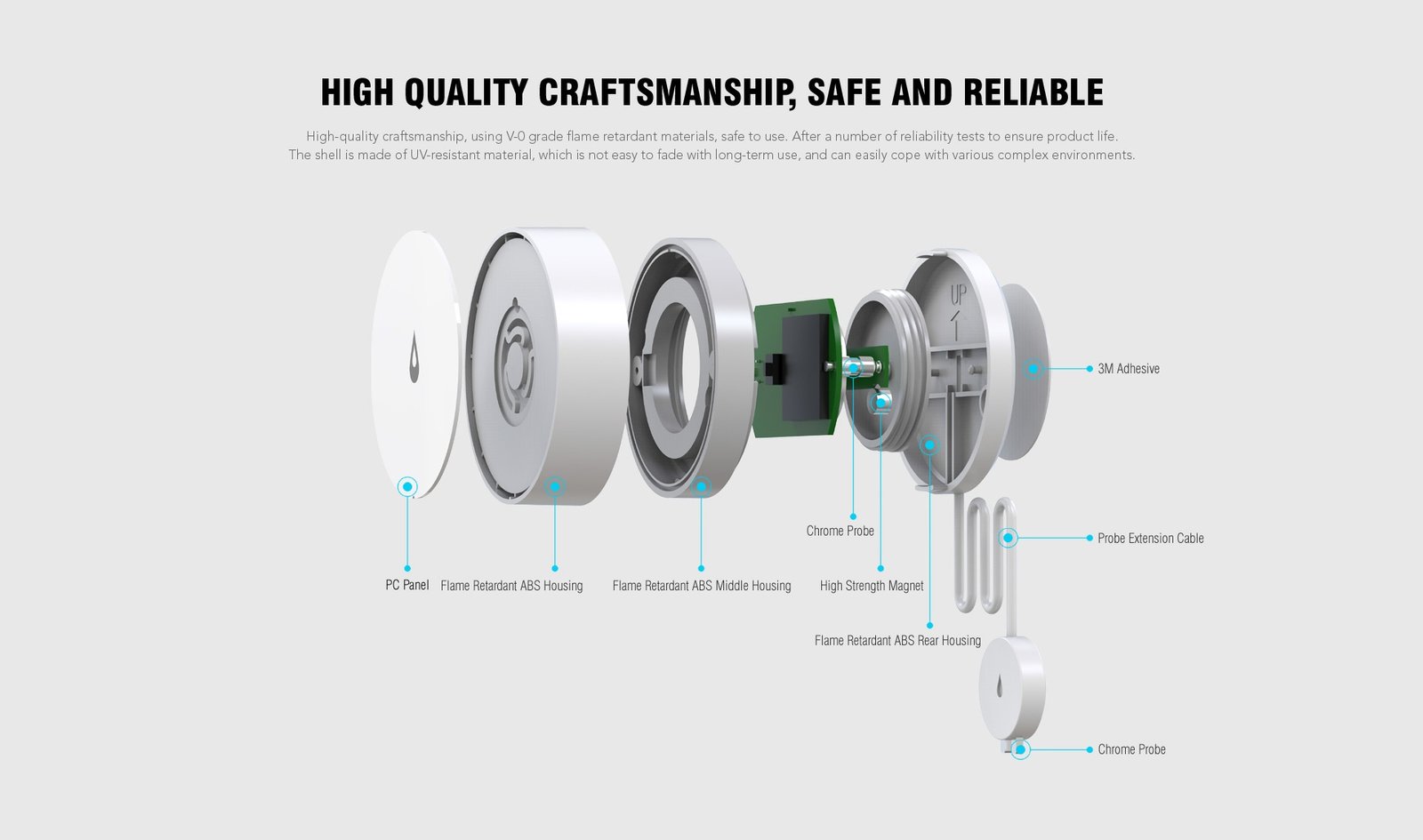
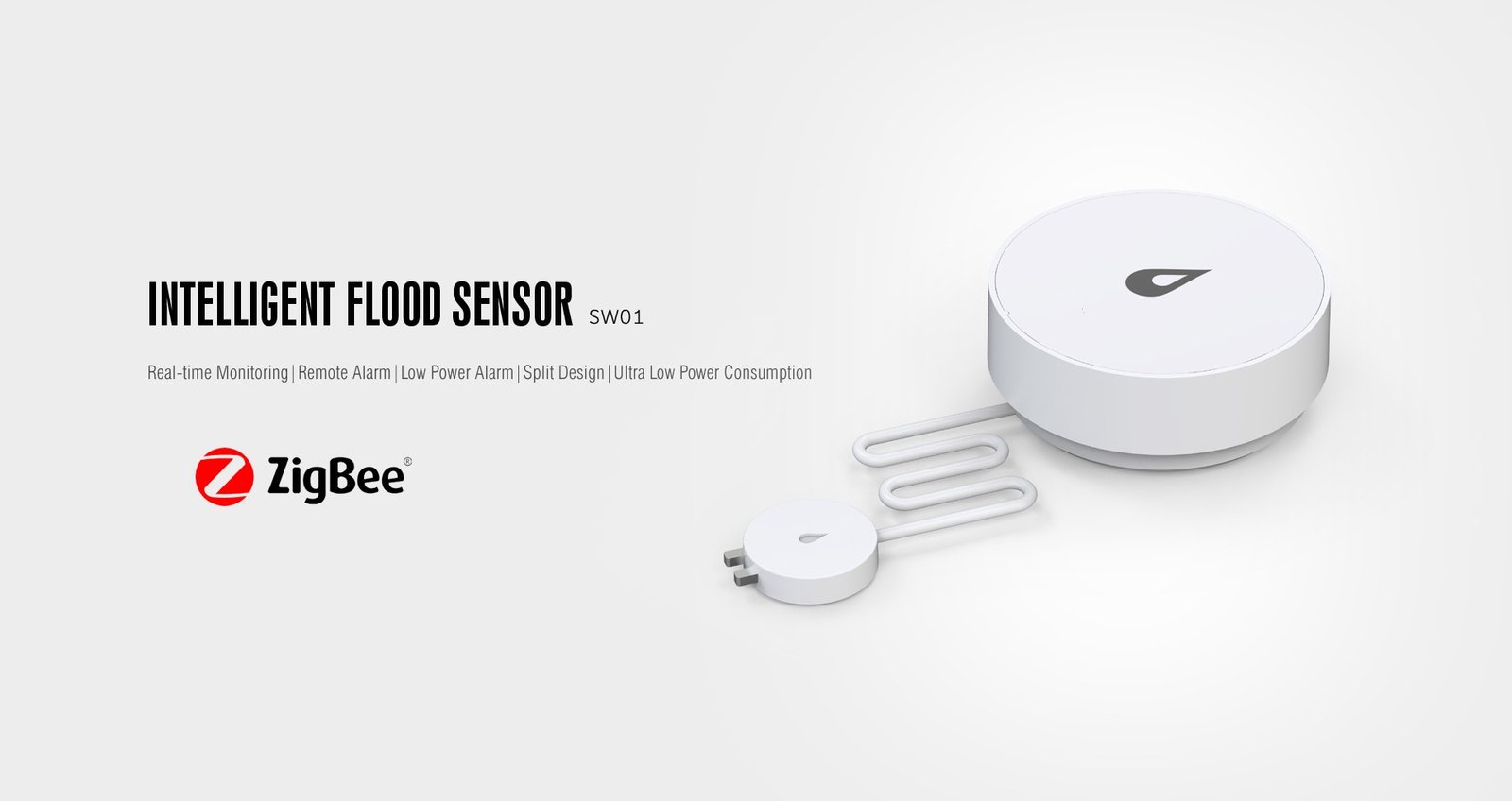
Smart water leakage sensors typically consist of two main components:
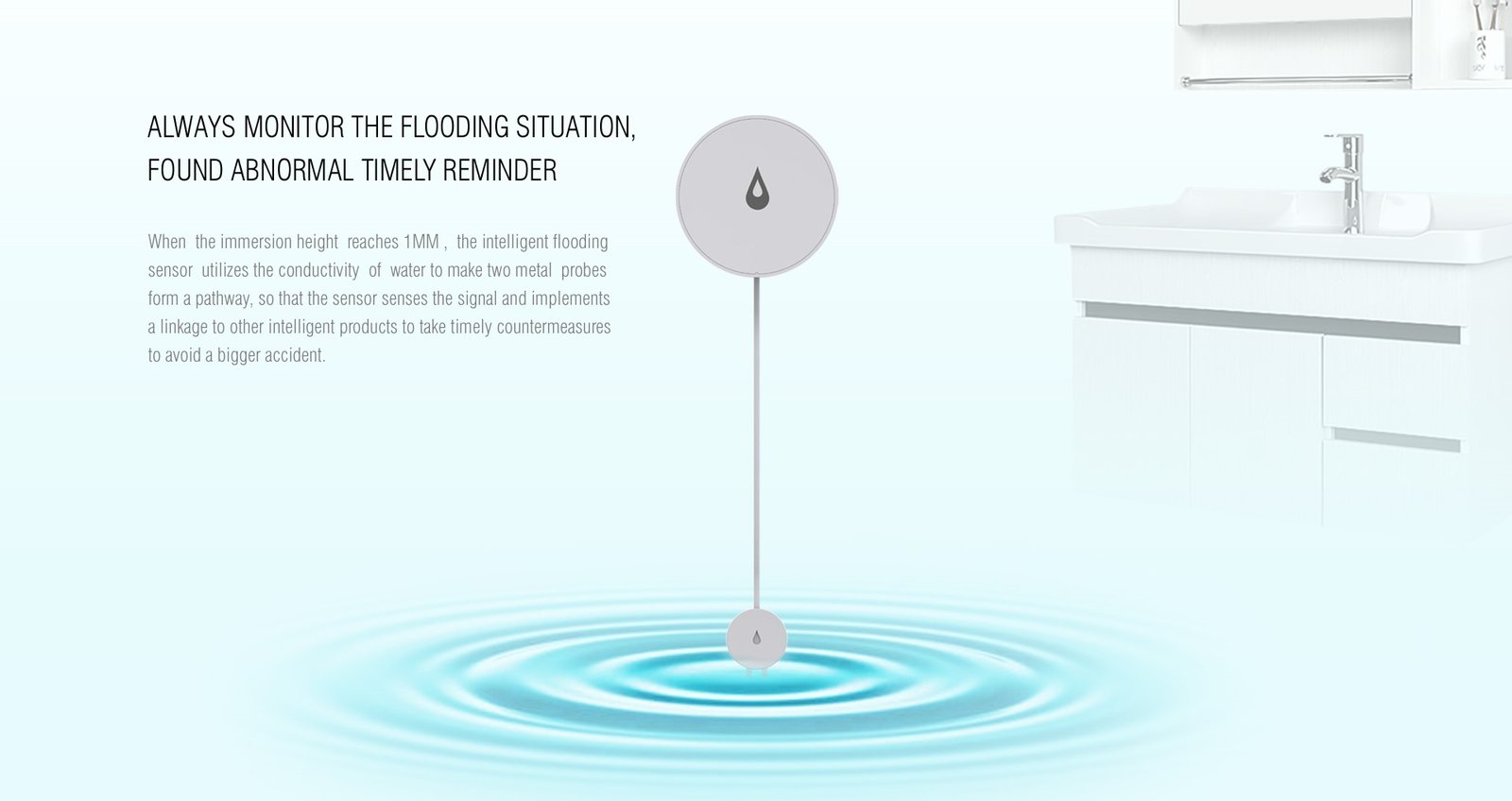
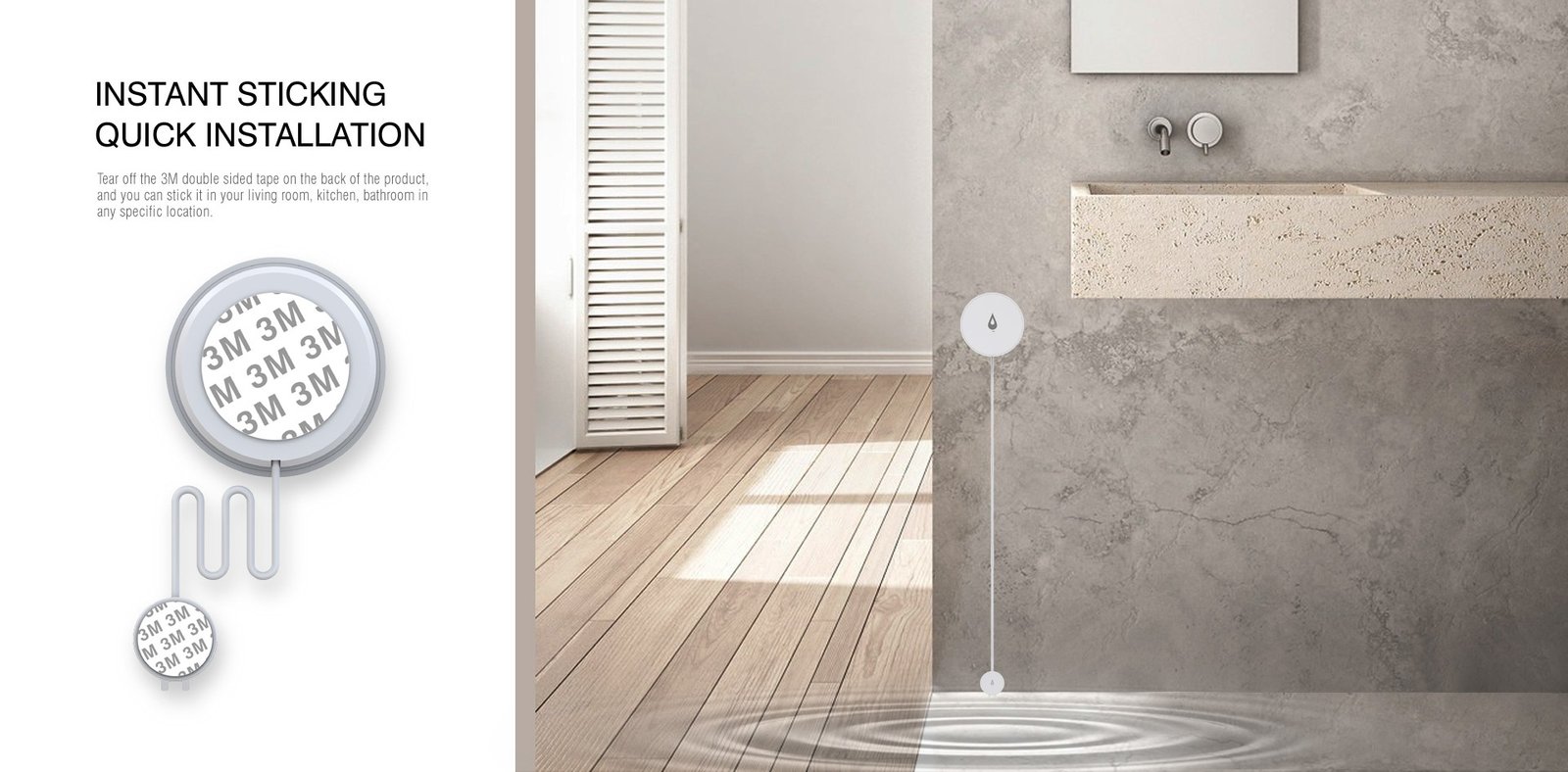
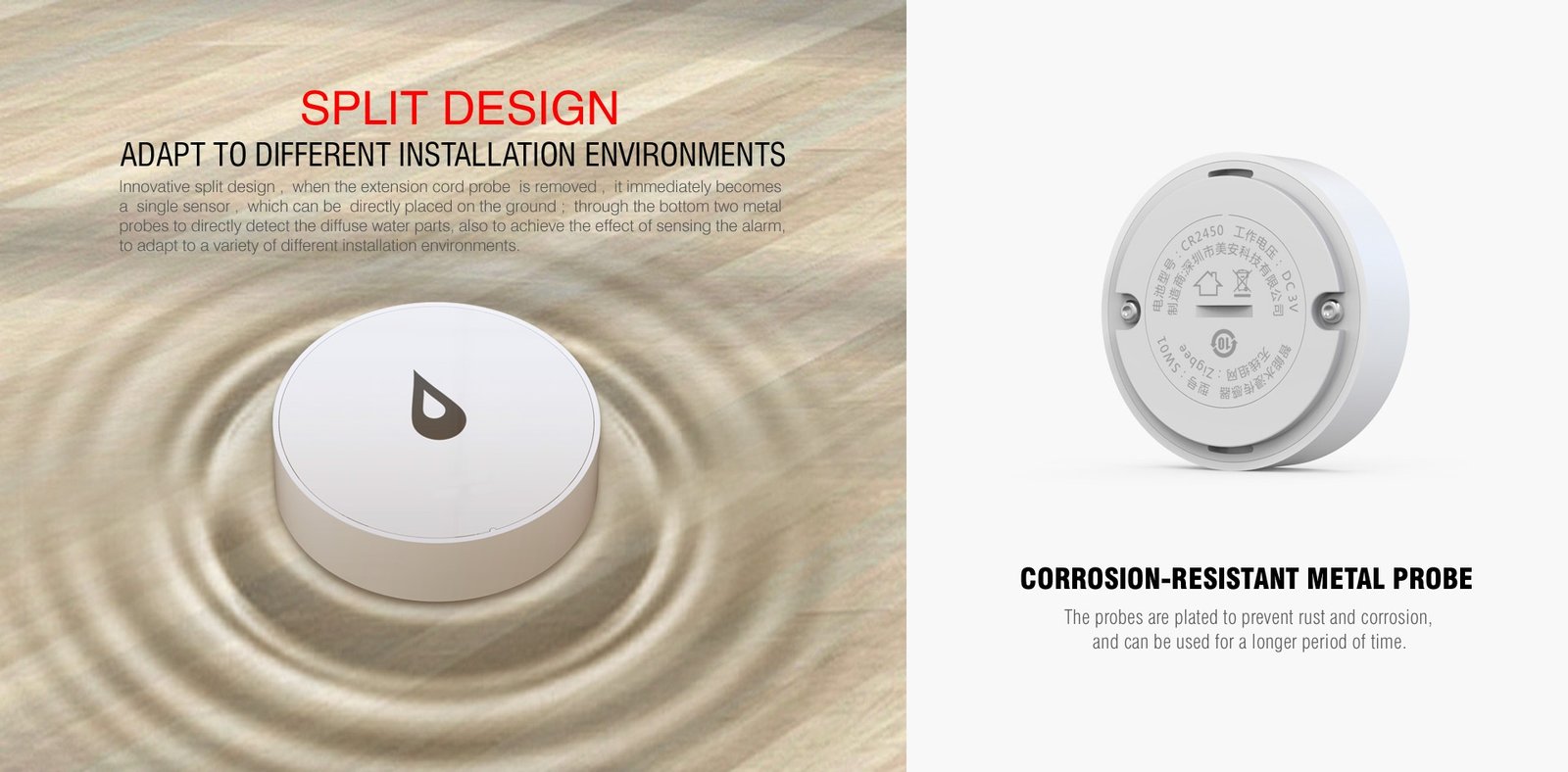
- Sensor Probes: These are placed on floors or near potential water sources such as washing machines, water heaters, sinks, and bathrooms. The probes are designed to detect the presence of water based on conductivity.
- Control Unit: This component processes the signal from the sensor probes and communicates with a central system or directly to the user through a wireless connection.
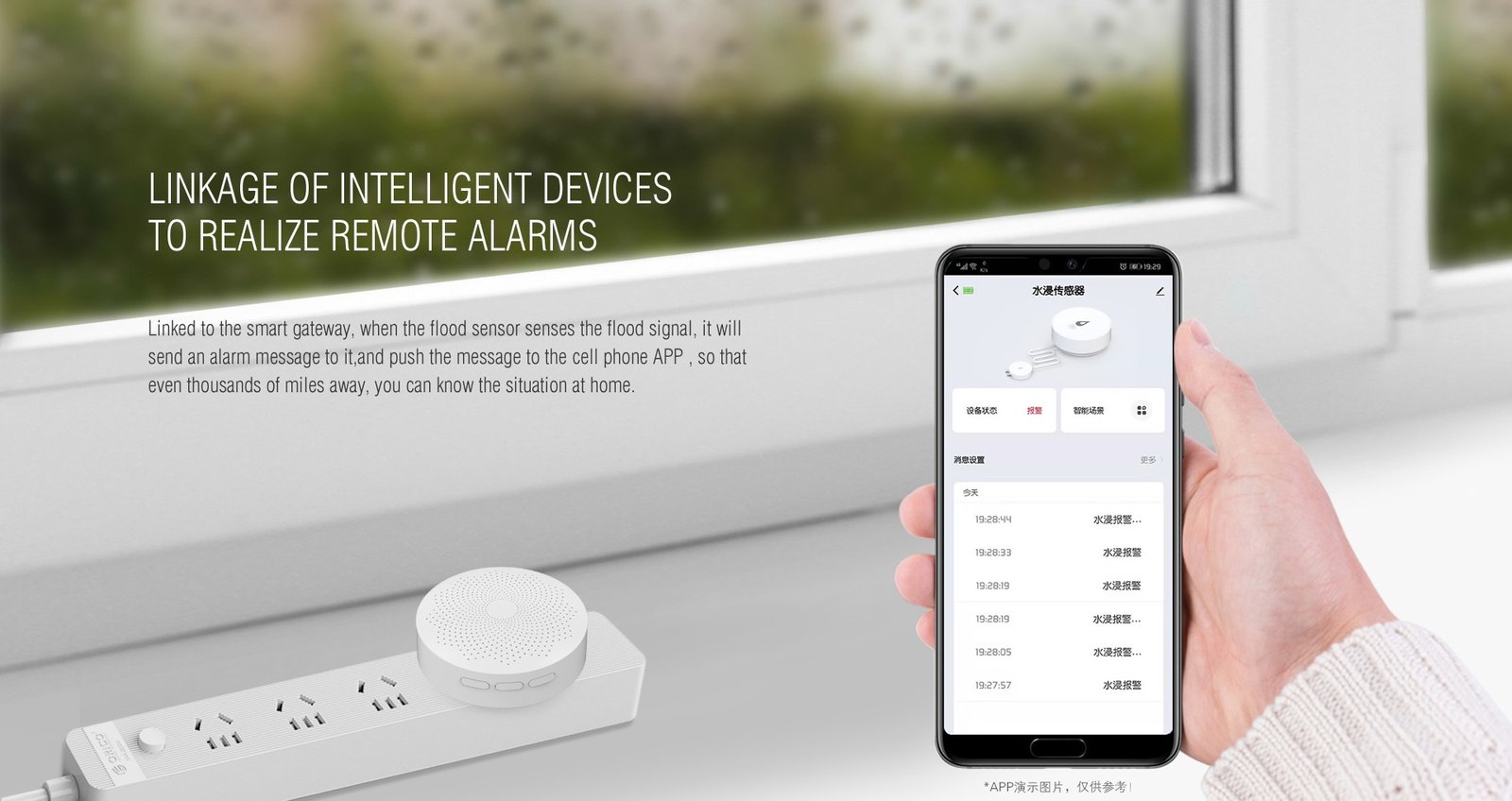
When water makes contact with the sensor probes, a circuit is completed, triggering an alert. These alerts can be sent to a smartphone, tablet, or central monitoring system, depending on the setup.
Key Features
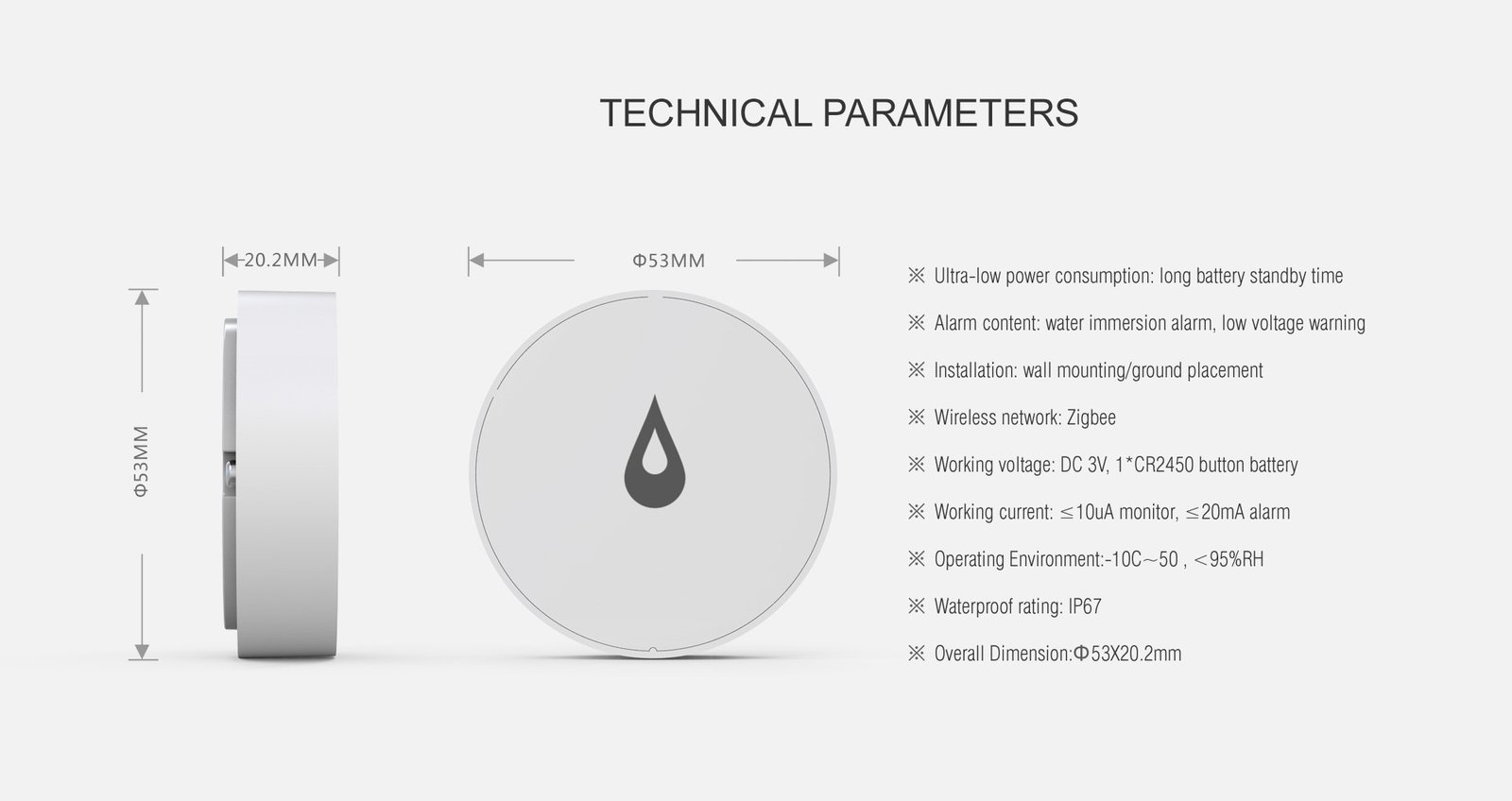
- Wireless Connectivity: Many water leakage sensors utilize Wi-Fi, Zigbee, or Z-Wave to wirelessly connect to a home network, allowing for remote monitoring and alerts.
- Immediate Notifications: Users receive instant alerts on their mobile devices or via email when water is detected, enabling quick response to potentially costly leaks.
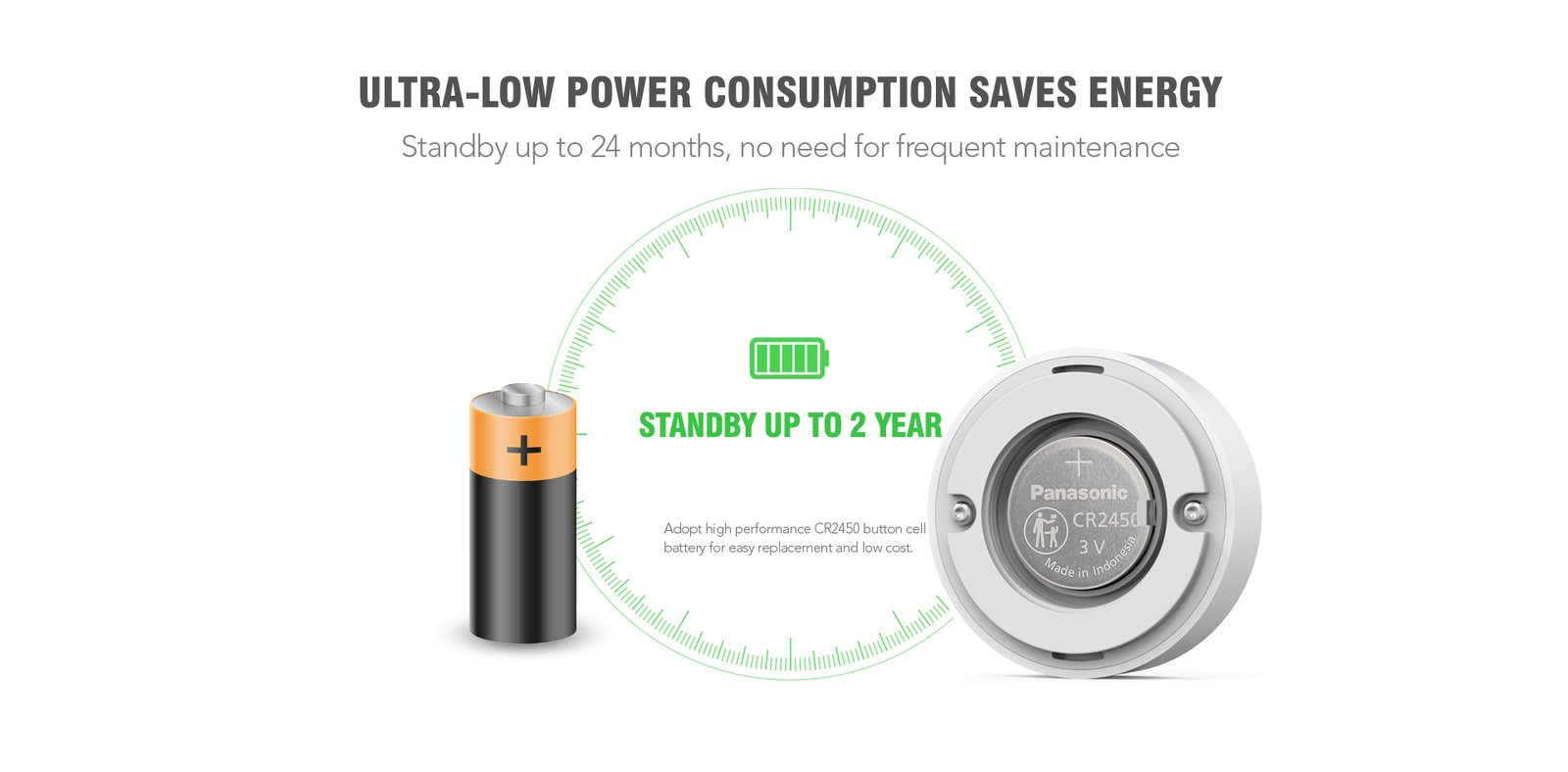
- Easy Installation: Most of these sensors are battery-operated and do not require complex wiring, making them easy to install in critical areas.
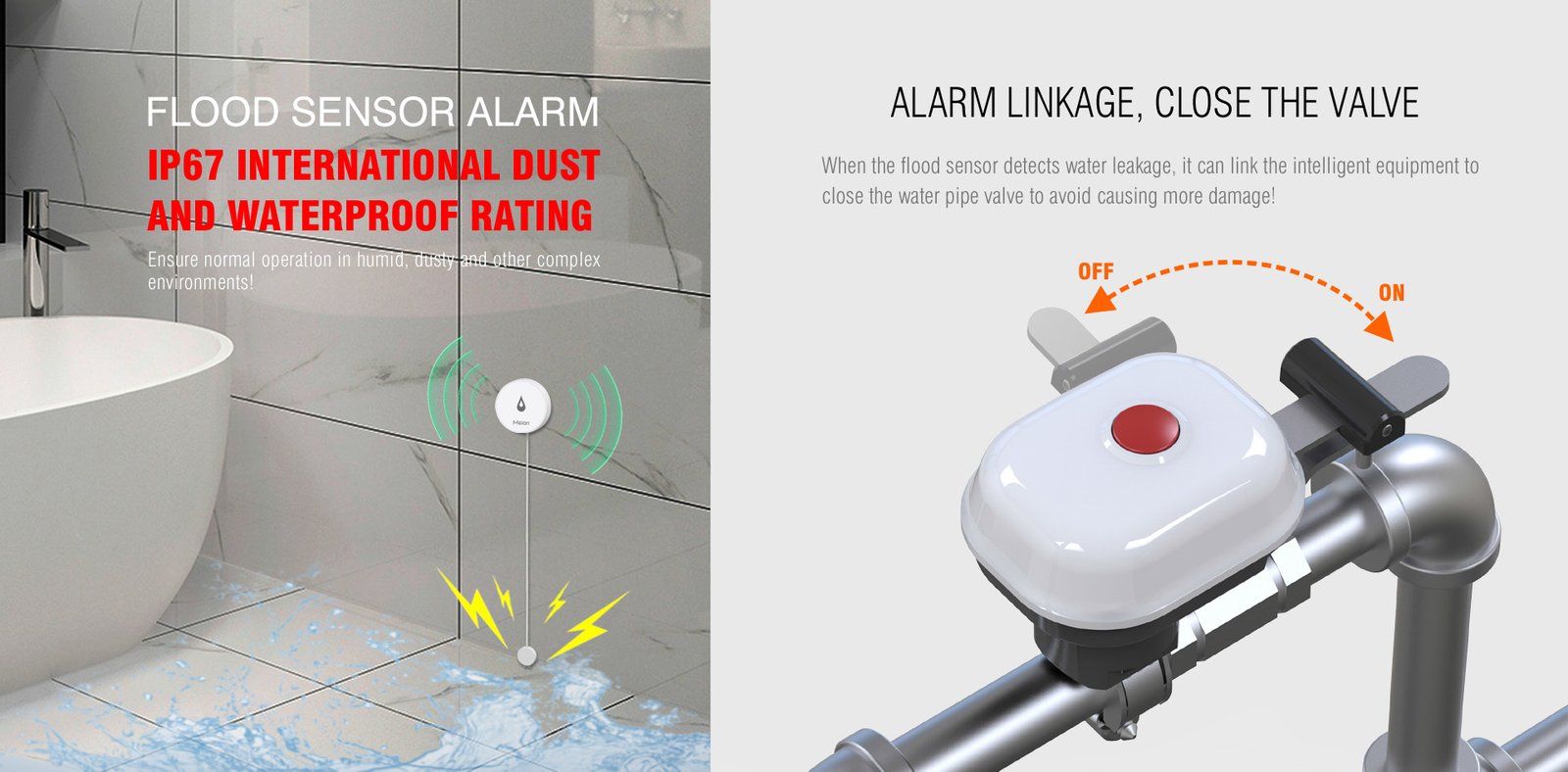
- Integration with Smart Home Systems: These sensors can be integrated with other smart home devices. For example, if a leak is detected, a smart home system could automatically shut off the water supply or activate a sump pump.
- Durable and Compact Design: Designed to function in potentially wet environments, these sensors are typically water-resistant and compact, making them unobtrusive and durable.
Applications
- Residential Use: In homes, these sensors are placed in areas prone to water leaks such as under sinks, near dishwashers, in basements, and around water heaters to prevent water damage.
- Commercial Buildings: Used in office buildings, hotels, and other commercial properties to monitor for leaks in bathrooms, kitchens, and utility areas to avoid disrupting business operations.
- Industrial Settings: In factories or plants where water leakage could affect machinery or cause safety hazards, these sensors provide vital monitoring.
- Vacation Homes: For properties that are not regularly occupied, these sensors offer peace of mind by monitoring for leaks and preventing damage that could go unnoticed for long periods.
- Elderly and Disabled Assistance: Helps in monitoring the residences of elderly or disabled individuals who might not readily notice or be able to respond quickly to a leak.
Conclusion
Smart water leakage sensors are an essential component of modern property management, offering a proactive approach to preventing water damage. Their ability to integrate with other smart devices and systems enhances their functionality, making them a key element in smart home automation and building management strategies. As technology advances, these sensors are becoming more sophisticated, offering greater reliability and a range of features that cater to the diverse needs of users.