
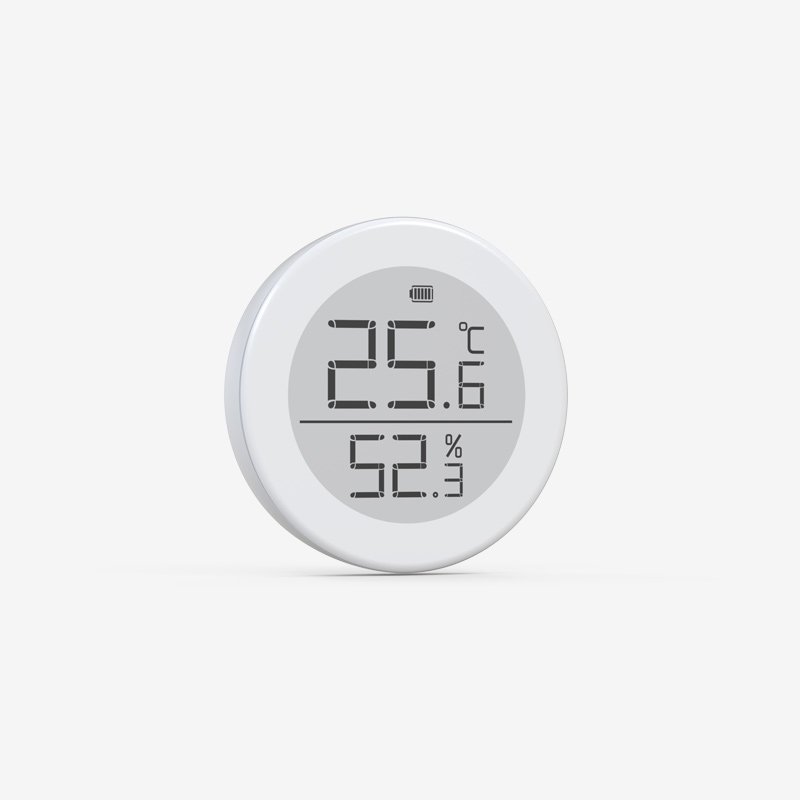
Description
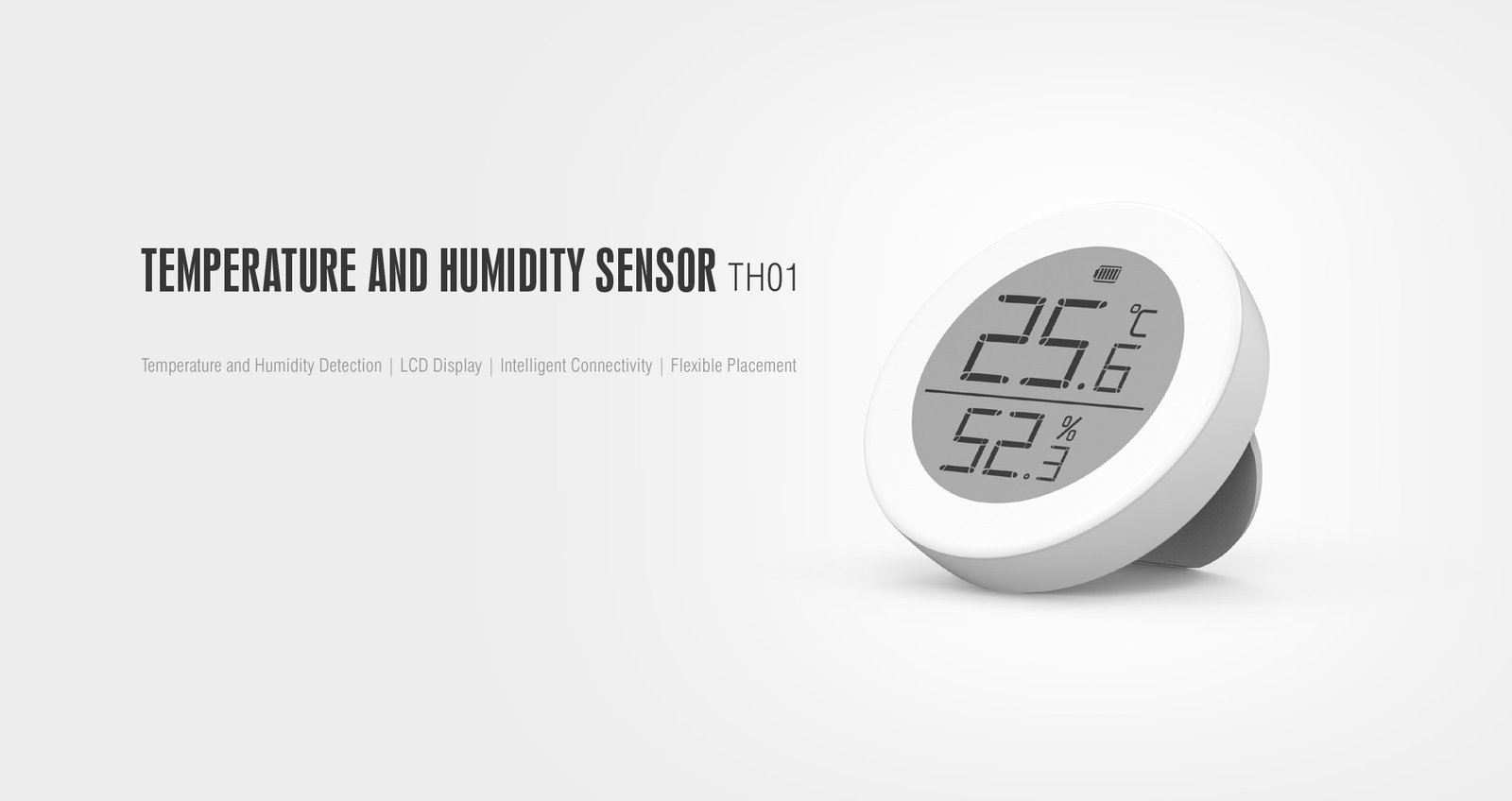
Key Features and Specifications
- Measurement Range:
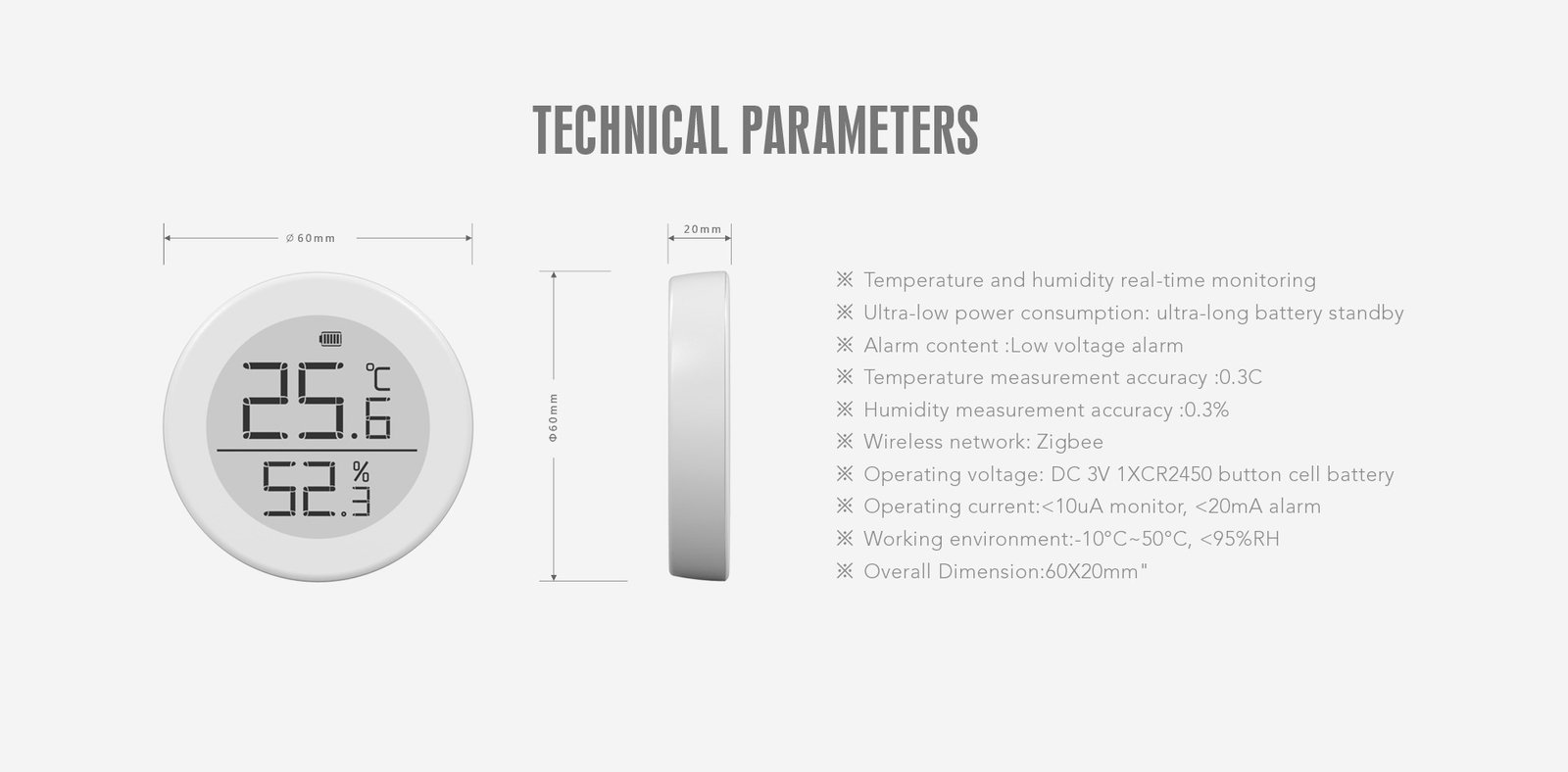
- Temperature: Typically ranges from -10°C to 50°C (14°F to 122°F), providing coverage for most indoor and outdoor environments.
- Humidity: Usually measures relative humidity from 0% to 100%, accurately capturing moisture levels in the air.
- Accuracy:
- Temperature: ±0.3°C or better, ensuring precise temperature readings.
- Humidity: ±3% relative humidity, providing reliable moisture readings.
- Connectivity:
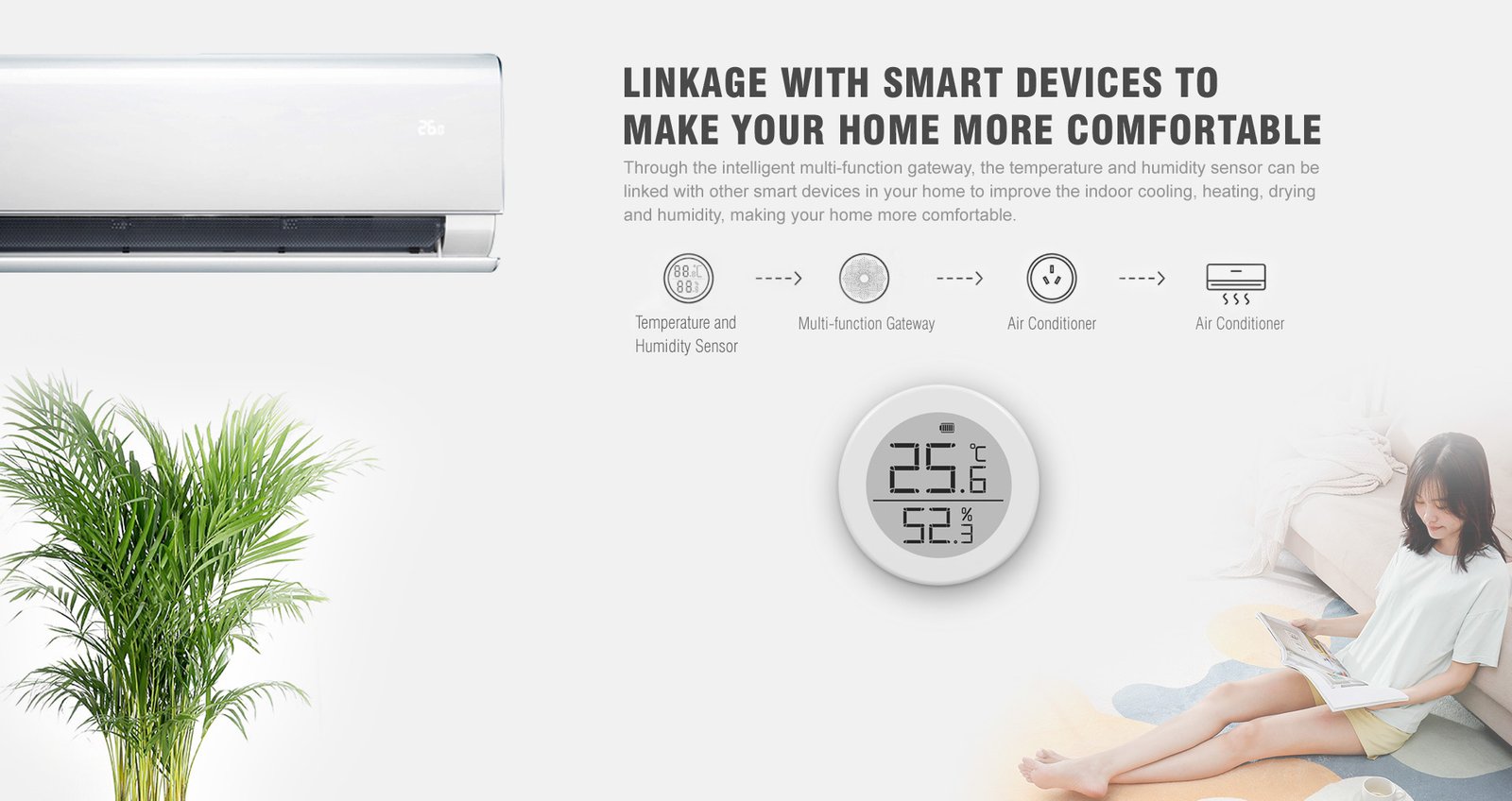
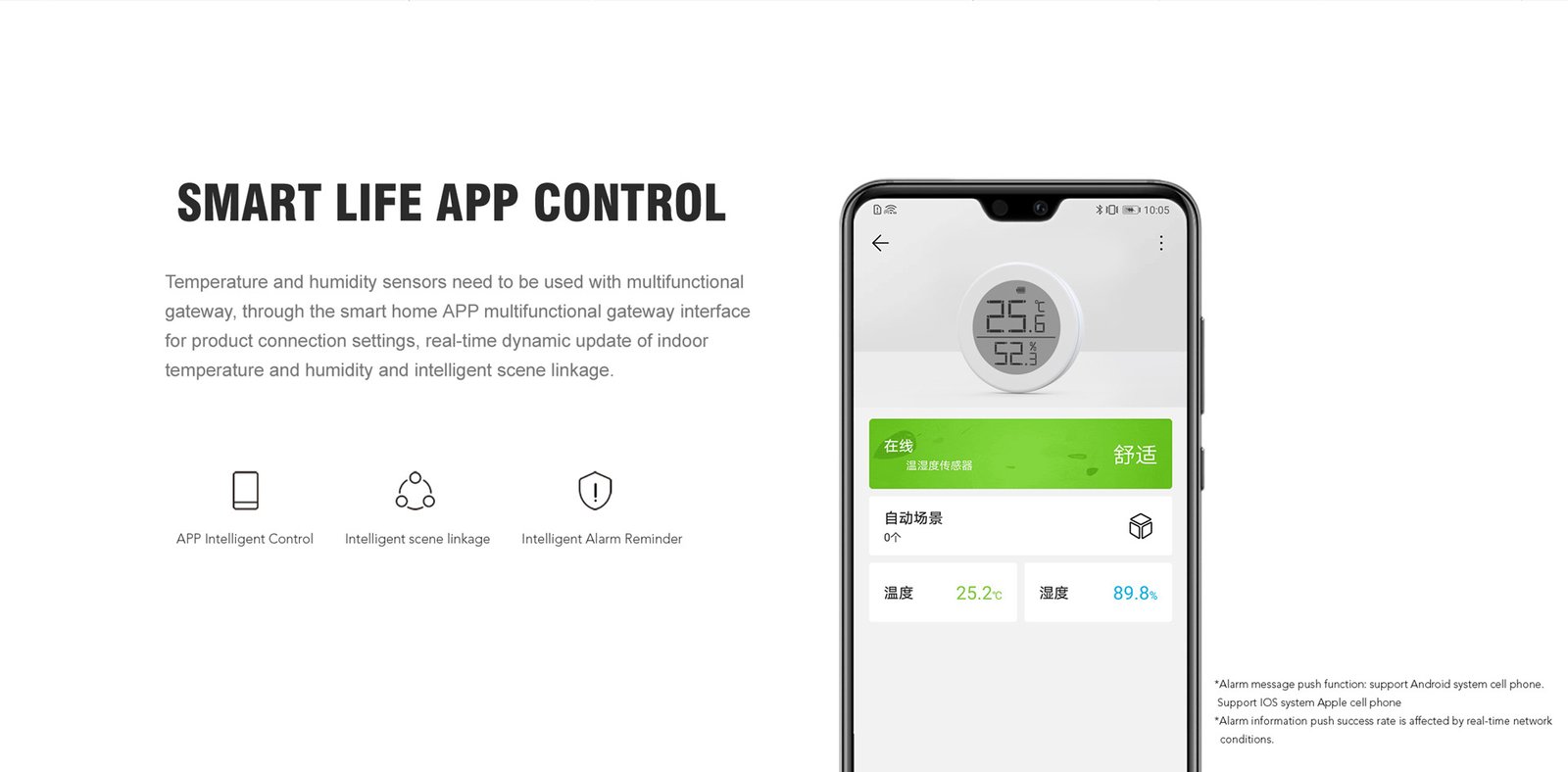
- Wireless Networking: Commonly equipped with technologies like ZigBee, WiFi, or Bluetooth for seamless integration with other smart devices and systems.
- Power Supply:
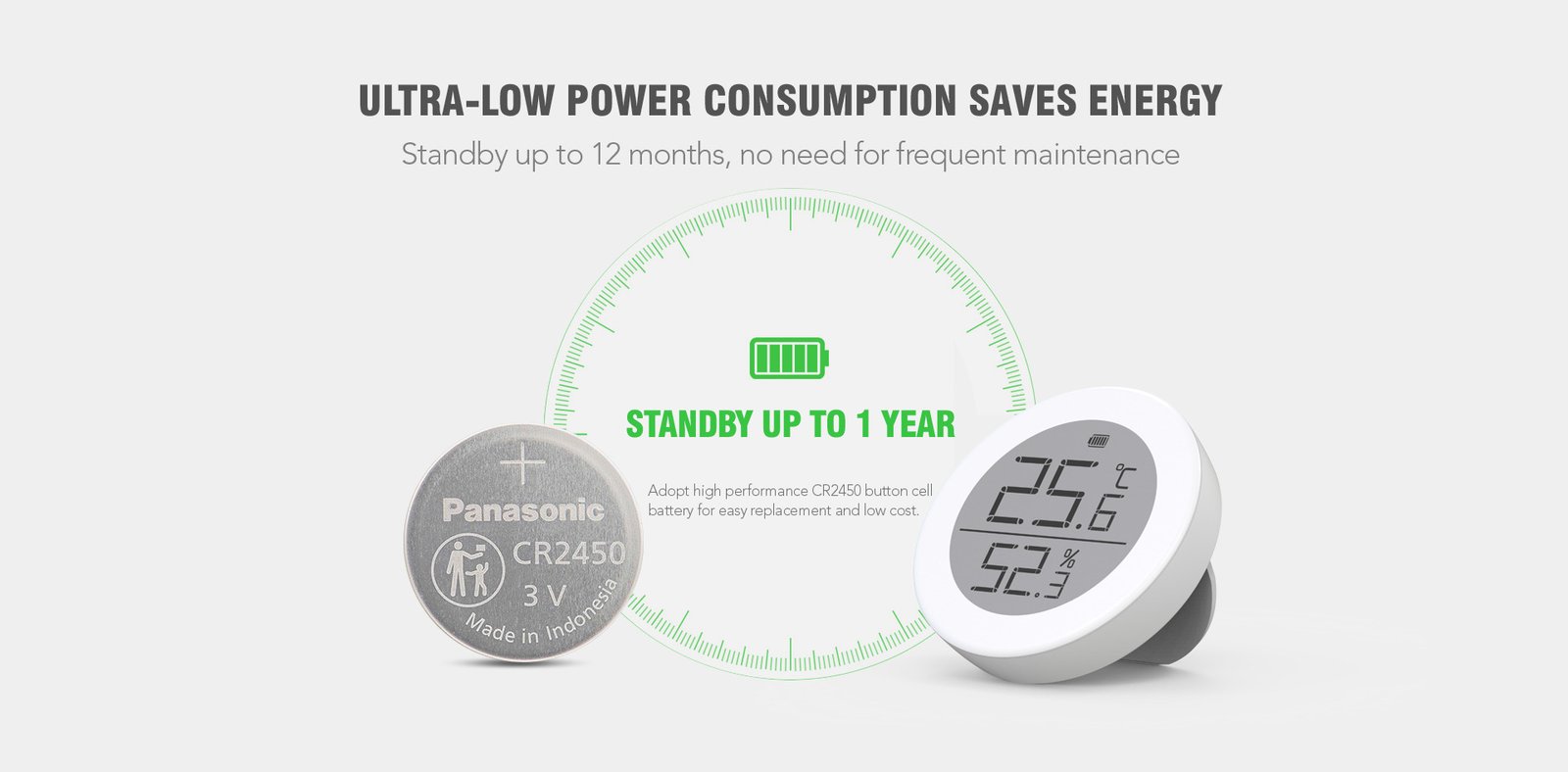
- Options typically include battery-powered (with long-lasting battery life) or wired to a power source for continuous operation.
- Response Time:
- Fast response times ensuring that changes in temperature and humidity are reported almost instantly to the connected system.
- Build Quality:
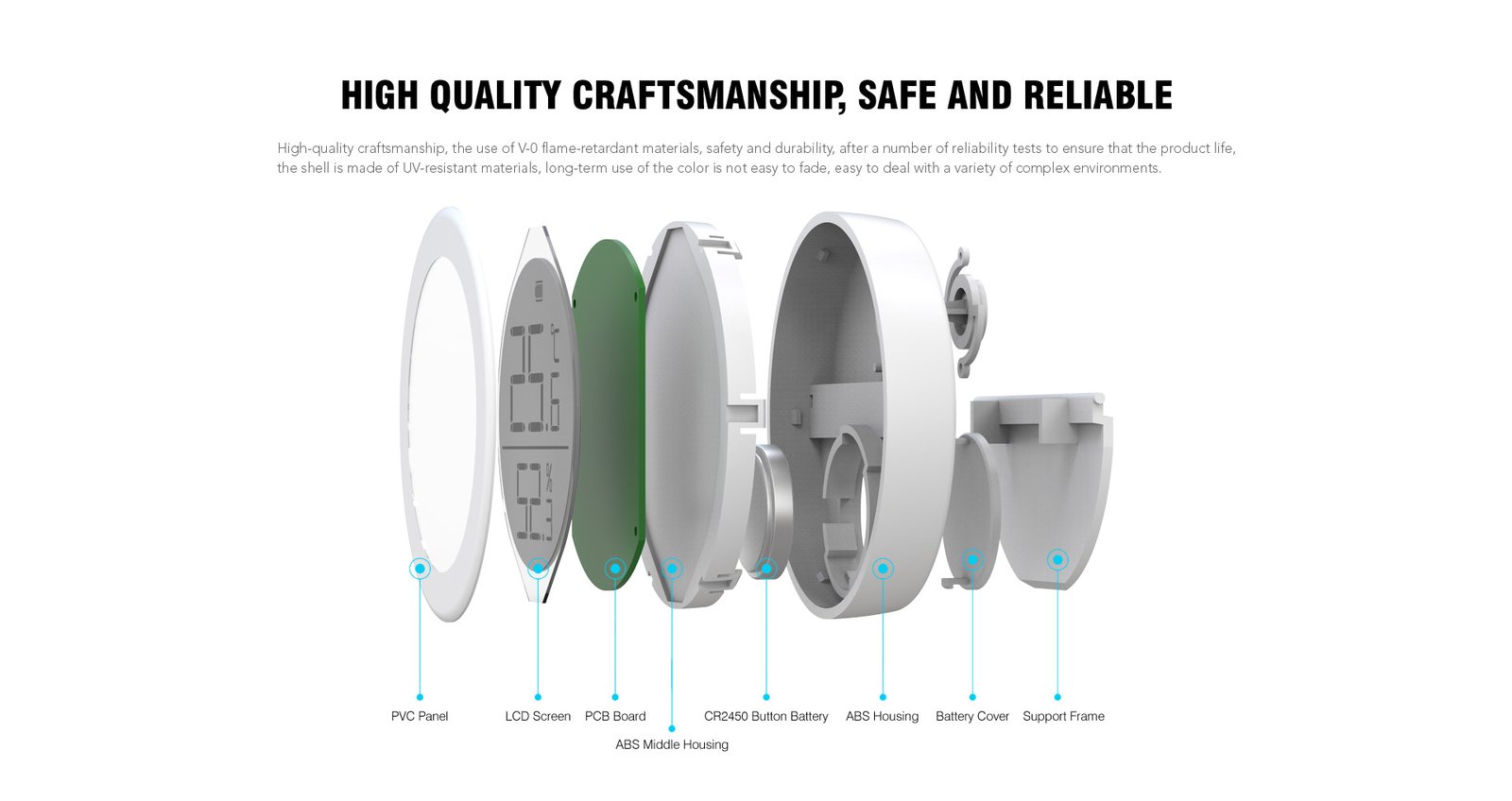
- Often constructed with durable materials suitable for both indoor and outdoor use and may include features like waterproof or dustproof ratings.
- Control and Interaction:
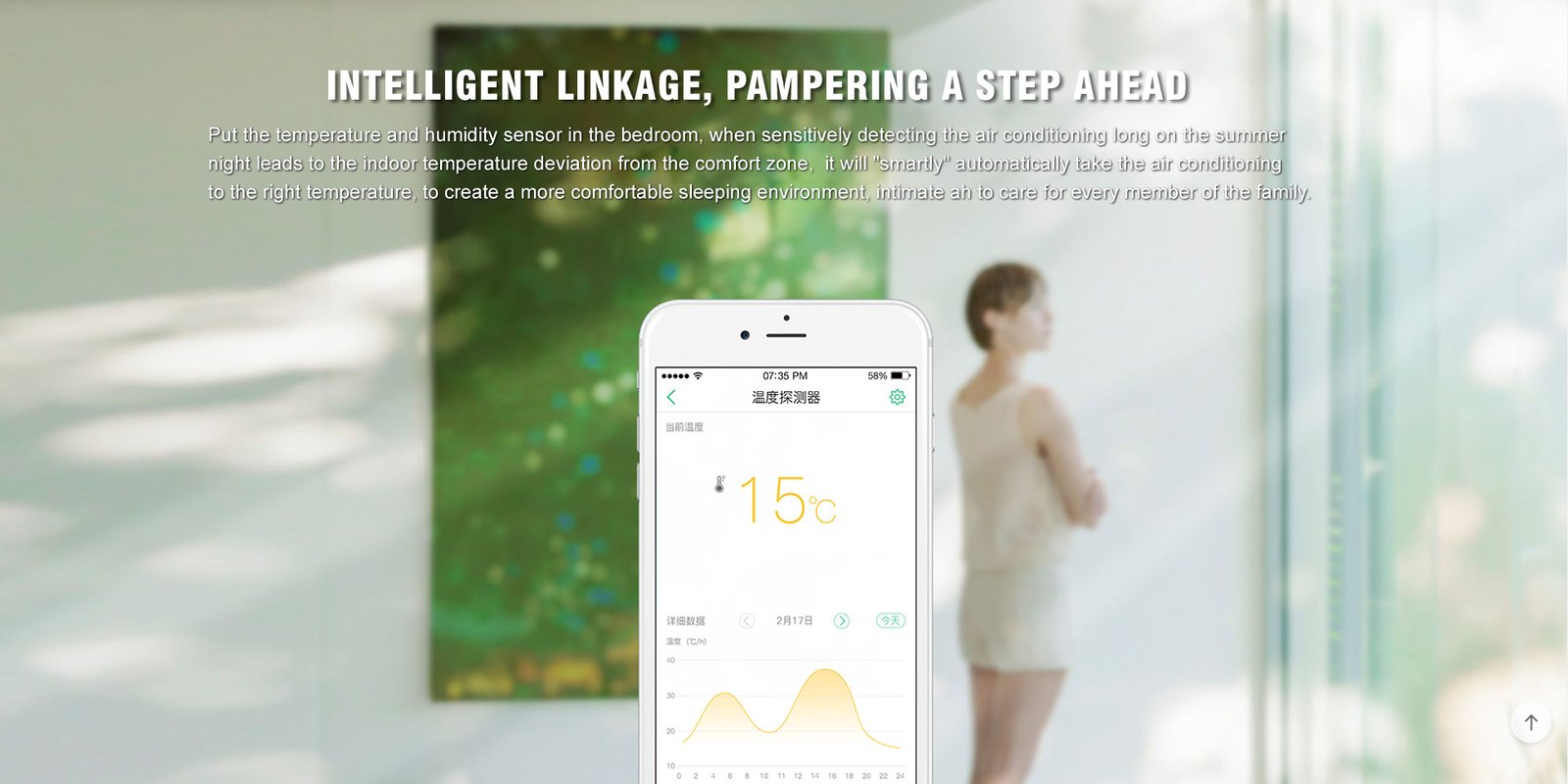
- Can be paired with a mobile app or a smart home hub, allowing users to monitor conditions in real-time, receive alerts, and adjust settings remotely.
- Integration:
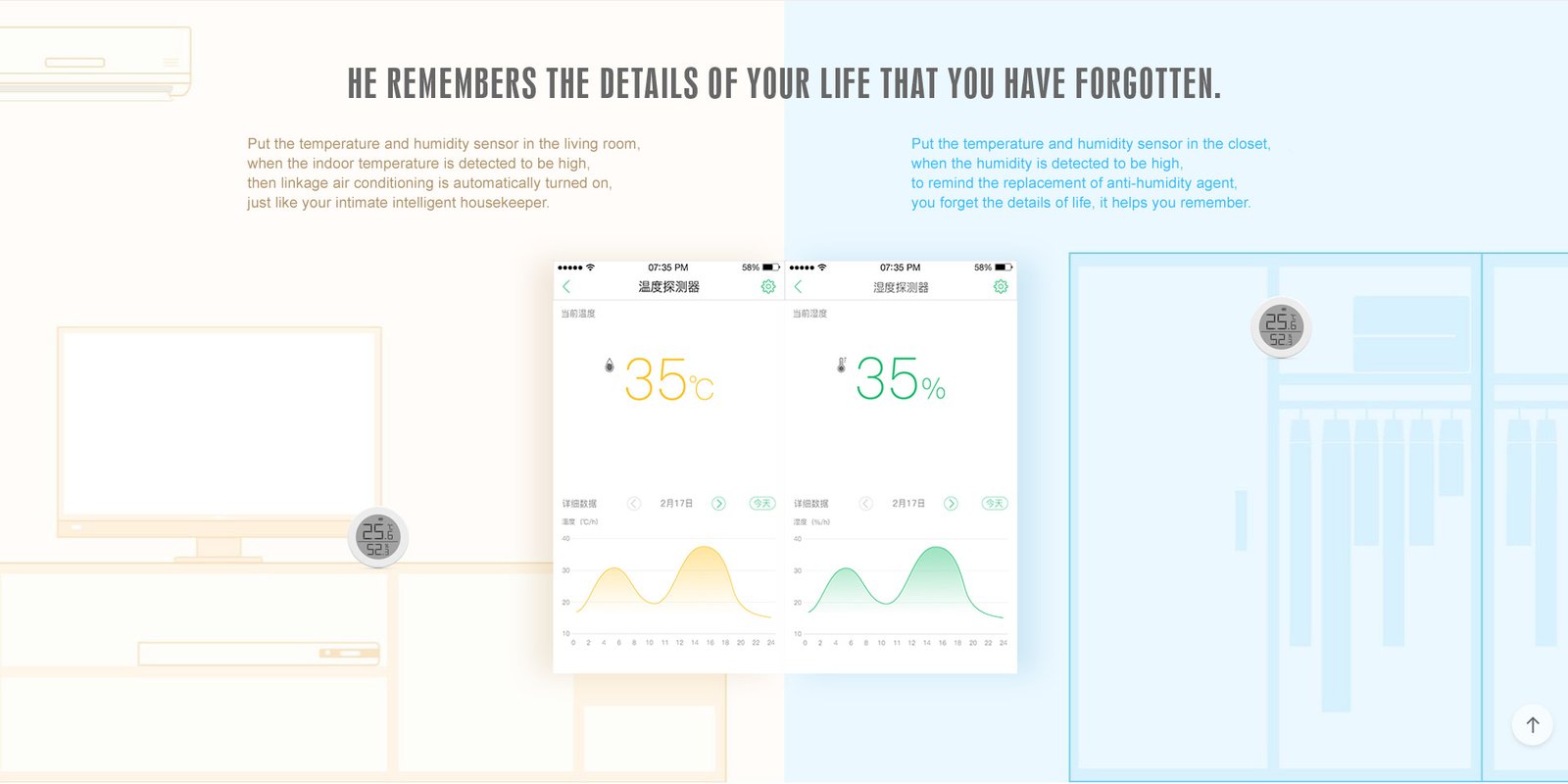
- Easily integrated into broader smart home systems for automated climate control. For example, it can trigger air conditioning or humidifiers/dehumidifiers based on the detected environmental conditions.
- Display:
- Some models include an LCD or LED display for easy reading of current temperature and humidity levels directly on the device.
Benefits of Using an Intelligent Temperature and Humidity Sensor
- Enhanced Comfort: Maintains optimal indoor climate conditions automatically, improving overall comfort.
- Energy Efficiency: Helps in regulating energy usage by providing data needed to optimize heating and cooling cycles, potentially lowering utility bills.
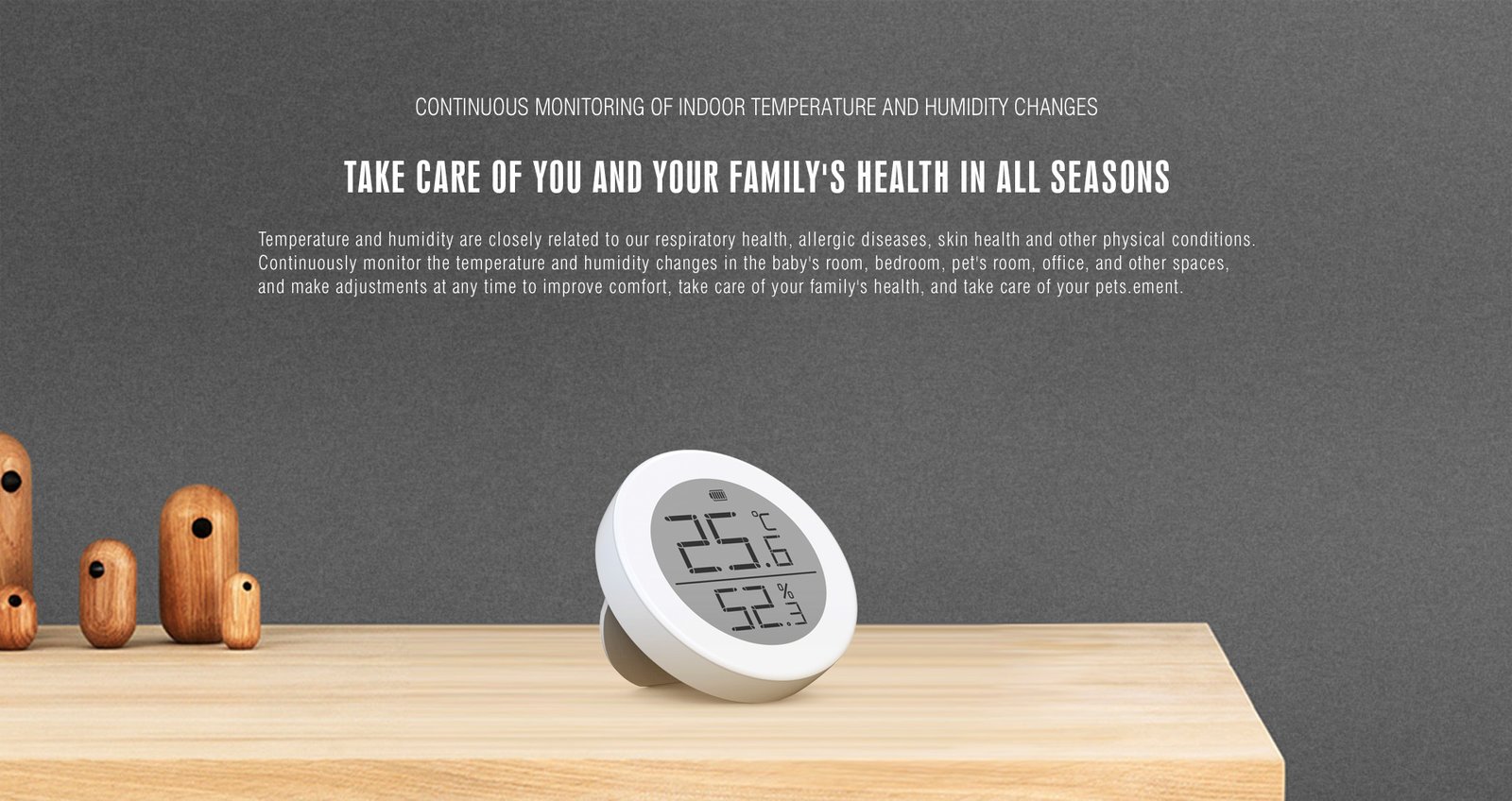
- Health Benefits: Monitors humidity levels to prevent the growth of mold and bacteria, which are harmful to health.
- Convenience: Automated system with remote monitoring capabilities offers convenience and peace of mind.
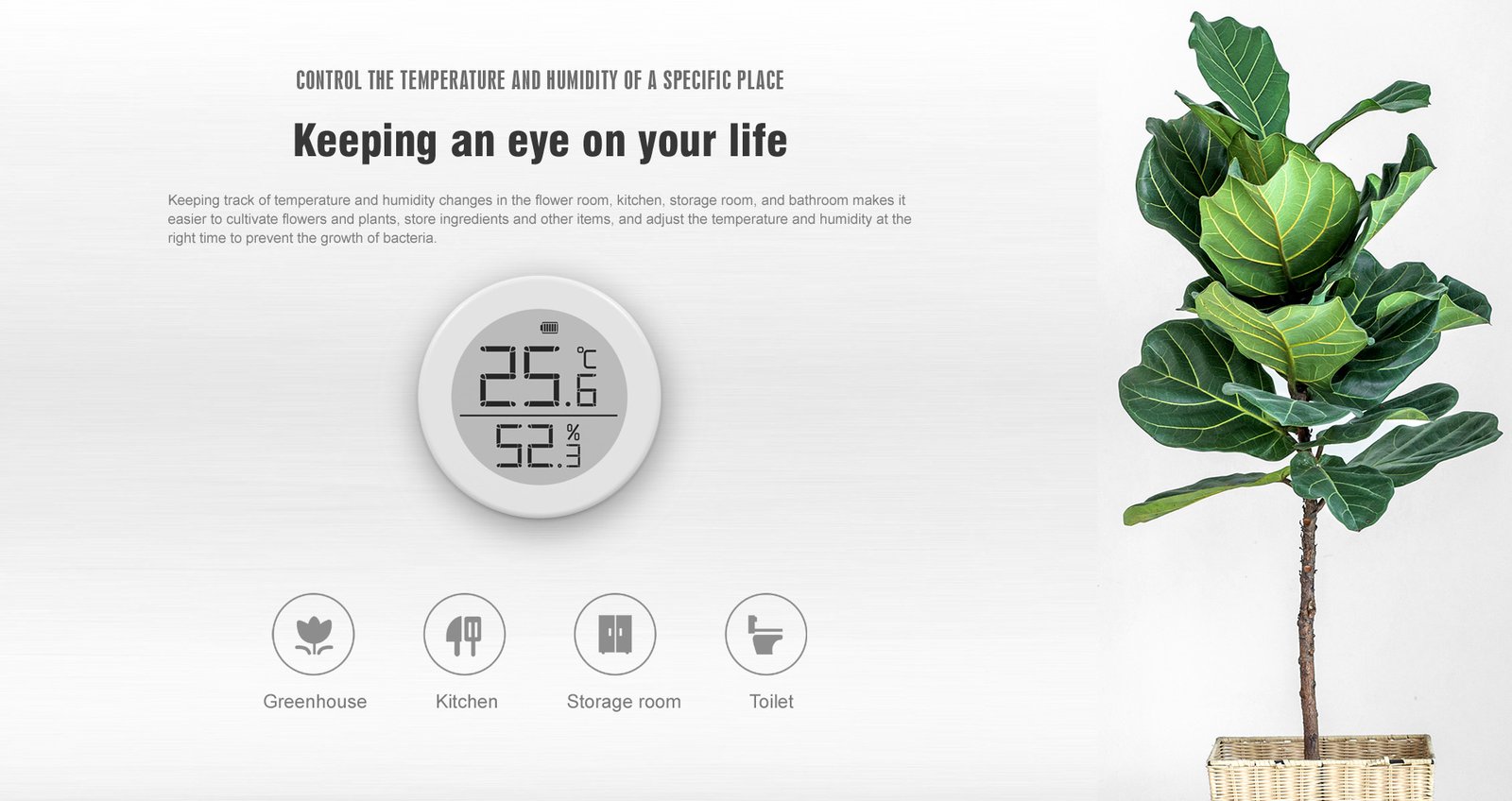
- Data Recording: Useful for tracking and analyzing environmental trends over time, which can be vital for spaces sensitive to climate fluctuations like greenhouses or wine cellars.
Installation and Maintenance
- Installation: Typically straightforward, involving mounting the sensor in an appropriate location and connecting it to your smart home network.
- Maintenance: Requires minimal maintenance, though periodic battery replacement or check-ups may be necessary to ensure continuous operation.
Conclusion
An Intelligent Temperature and Humidity Sensor is an indispensable tool in the realm of smart home technology, offering sophisticated monitoring and control of environmental conditions. Its integration into your home or office not only boosts comfort and health but also contributes to energy efficiency and ease of management through automation and remote access capabilities.

