Description
Key Components of Elderly/Child Positioning Intelligent Electronic Cards:
- GPS Tracking: The primary feature of these devices is GPS tracking, which allows real-time monitoring of the individual’s location. This feature enables caregivers to see where the cardholder is at any moment, providing peace of mind.
- Geo-Fencing: This feature allows users to set up virtual boundaries on a map. If the individual carrying the card crosses these boundaries, an alert is sent to the caregiver or parent. This is particularly useful for preventing wanderings or ensuring children stay within safe areas.
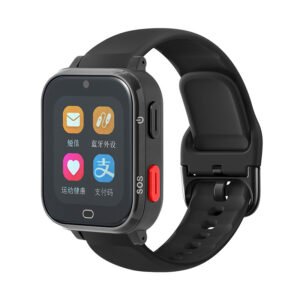
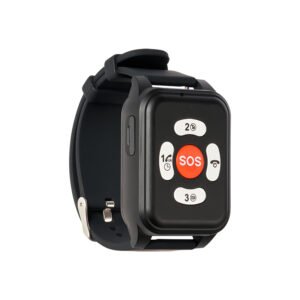
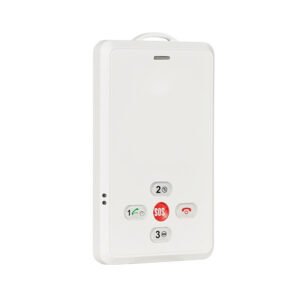
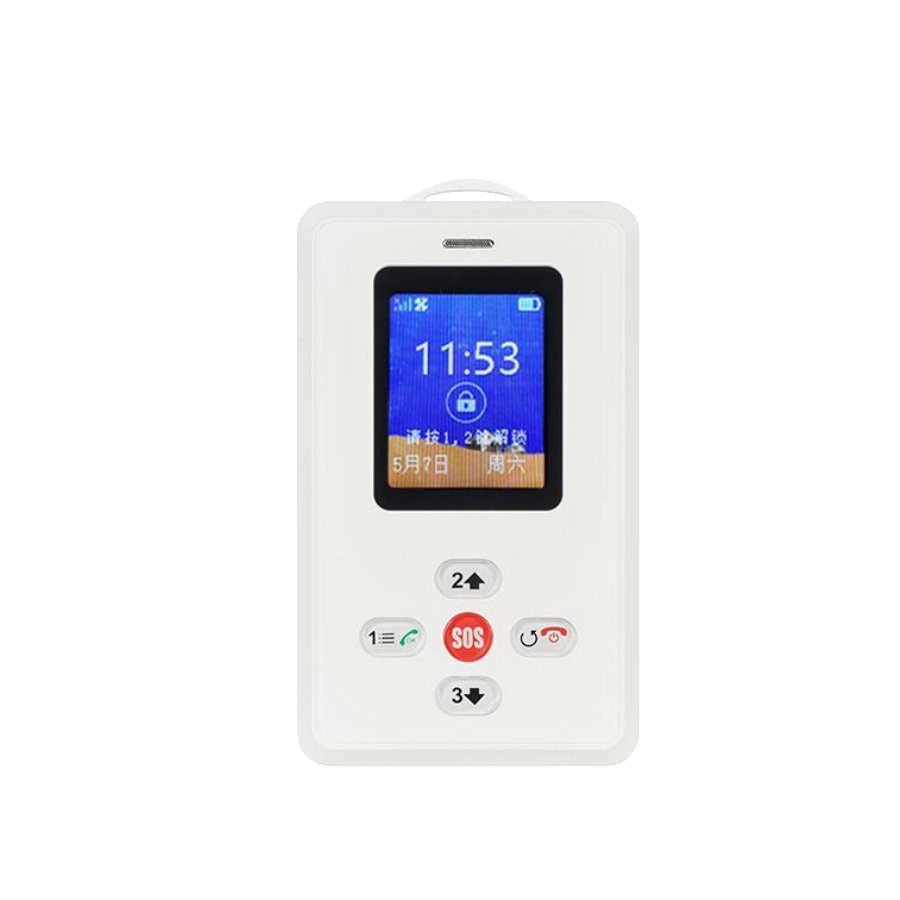
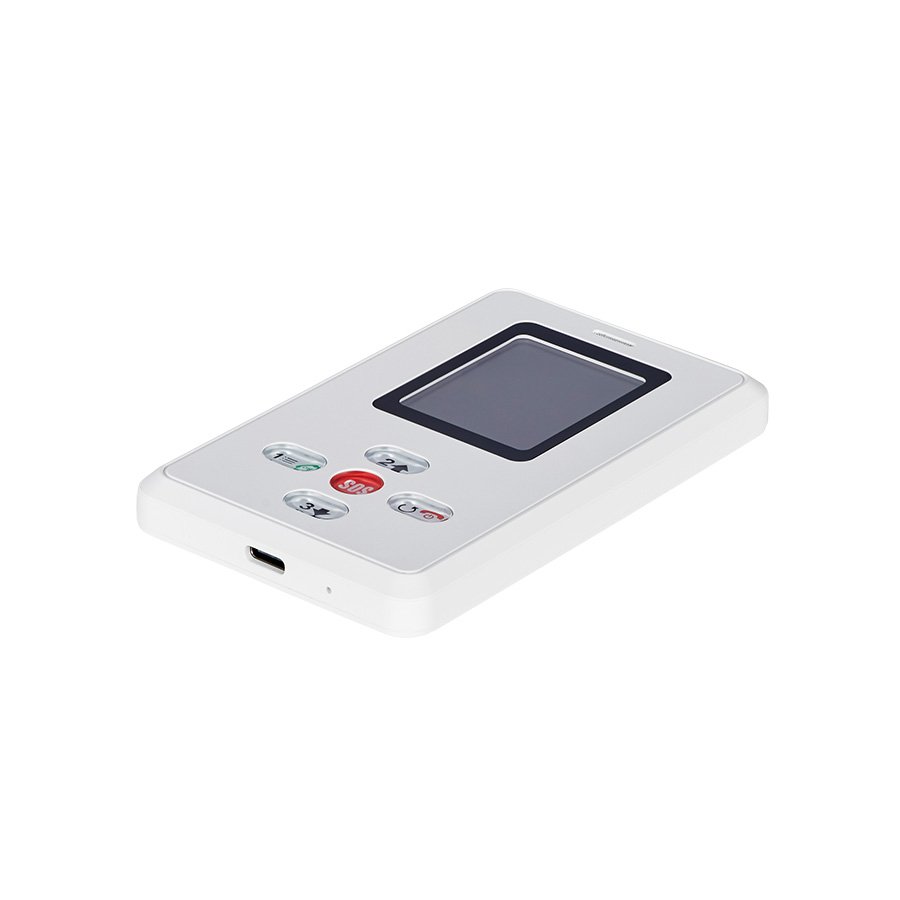
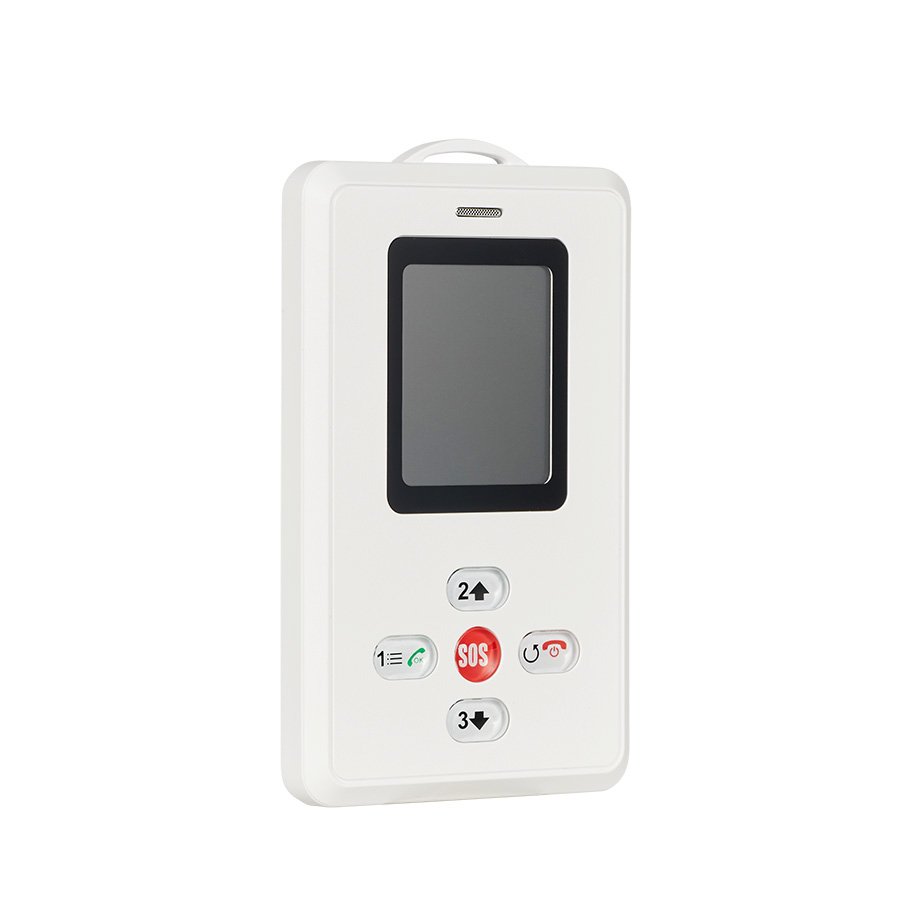
- SOS/Emergency Button: Typically, these cards come equipped with an SOS button that the user can press in emergencies. Once activated, it sends an alert to pre-set phone numbers, possibly along with location information, facilitating immediate responses.
- Communication Features: Some cards might include two-way communication features, allowing the caregiver to speak directly to the cardholder if necessary. This can be reassuring for both the caregiver and the individual carrying the device.
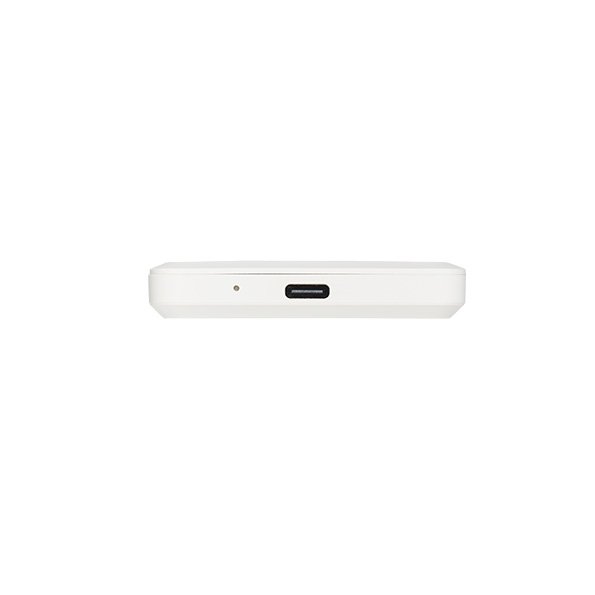
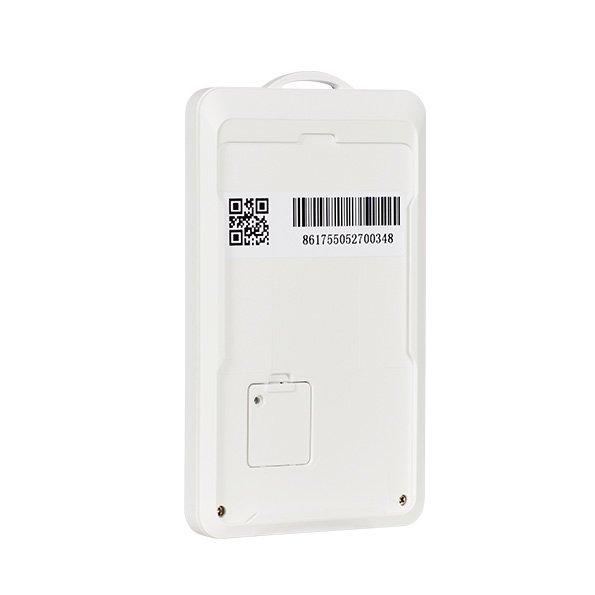
- Compact and Discreet Design: These devices are designed to be small and unobtrusive, making them easy to carry around in a pocket, worn as a pendant, or attached to a keychain. The design ensures that it doesn’t interfere with daily activities.
- Durability and Reliability: Given that they are used by children and elderly individuals, these devices are built to be durable and reliable under various conditions, including being water-resistant.
Benefits:
- Enhanced Safety: Immediate location tracking increases safety for individuals who may get lost or find themselves in unsafe situations.
- Peace of Mind: For caregivers and family members, knowing the whereabouts of their loved ones at all times offers immense peace of mind.
- Independence for Users: These devices can help elderly individuals maintain a level of independence, reassuring both them and their families that help is available if needed.
- Ease of Use: Designed for simplicity, these devices are generally user-friendly, requiring minimal setup and maintenance.
Applications:
- Children Safety: Parents can monitor their children’s locations during school trips, play dates, or even while at large amusement parks.
- Elderly Care: Especially useful for elderly individuals prone to disorientation or wandering, such as those with dementia.
- Special Needs: Offers an extra layer of security for individuals with special needs who might have difficulty communicating or navigating environments on their own.
Considerations When Choosing a Device:
- Battery Life: It’s important to choose a device with a long battery life to avoid frequent recharges.
- Cost: Consider both the initial cost of the device and any ongoing fees for cellular services required for GPS tracking.
- Privacy and Security: Ensure that the device has strong privacy and security measures to protect sensitive location data.
These devices combine technology with caregiving, fostering both safety and independence for vulnerable populations.