
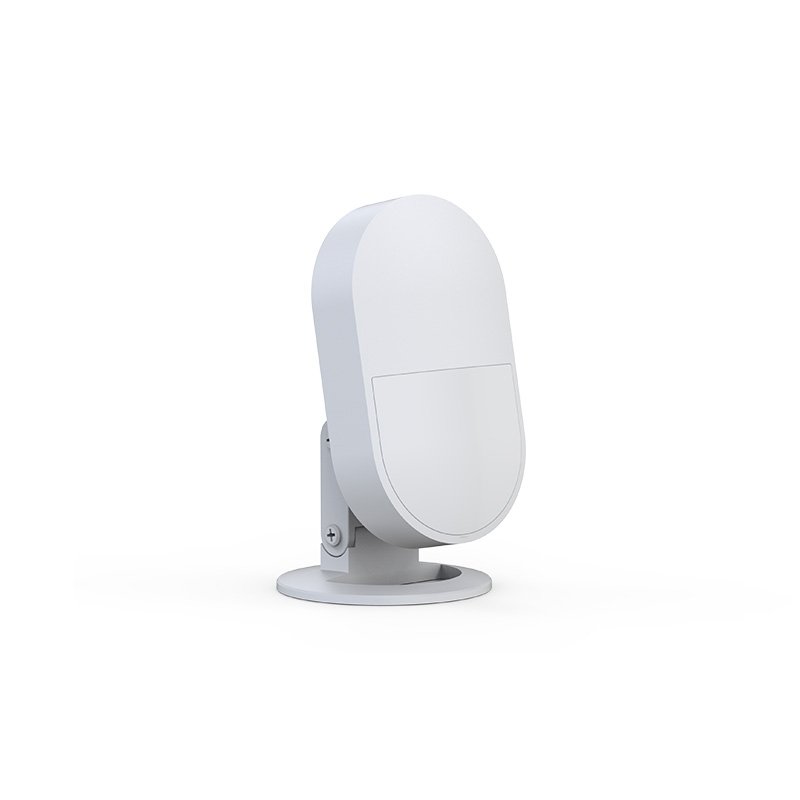
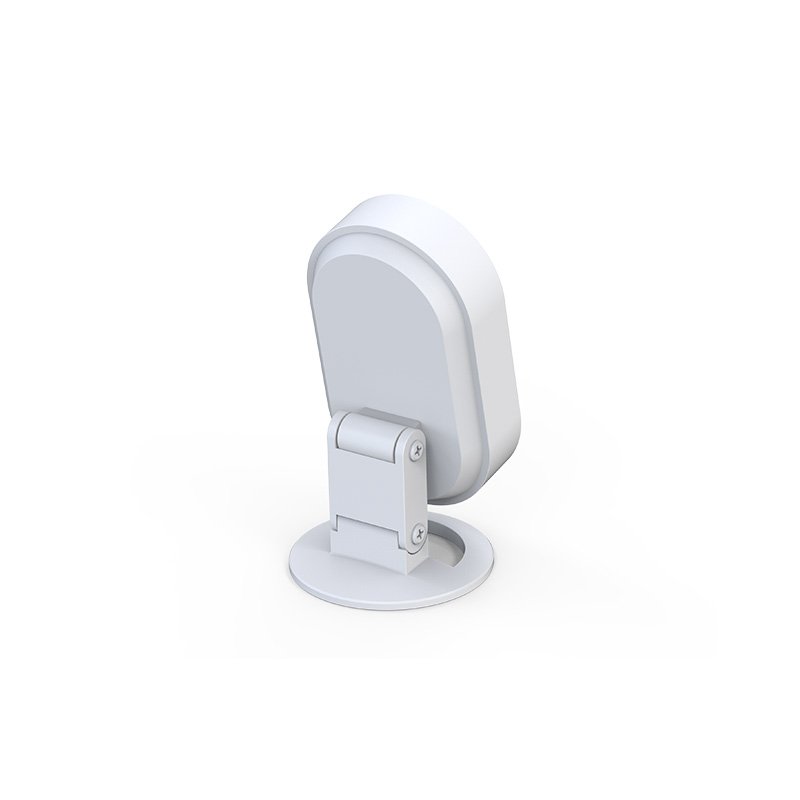
Description
Key Features of Human Presence Sensors
- Detection Technology: Common technologies used include passive infrared (PIR), ultrasonic, microwave, or a combination of these to improve accuracy and reduce false alarms.
- Area Coverage: These sensors can cover various ranges, from small rooms to large halls, depending on their design and intended use.
- Integration Capability: Easily integrates with other systems like lighting, HVAC (Heating, Ventilation, and Air Conditioning), and security systems for automated control based on occupancy.
- Energy Efficiency: Helps in reducing energy consumption by controlling lights, heating, and cooling systems based on the actual occupancy of a space.
- Adjustable Sensitivity: Some models offer adjustable sensitivity settings to tailor the detection range and prevent unwanted activations.
- Low Maintenance: Generally, these sensors require minimal maintenance, making them suitable for continuous operation over long periods.
Applications
- Smart Home Automation: Automatically adjusts lighting, heating, and cooling systems based on occupancy, enhancing comfort and energy efficiency.
- Security: Enhances security systems by providing reliable occupancy data, which can trigger alarms or initiate surveillance recordings.
- Commercial Buildings: In offices and other commercial spaces, they are used to manage energy consumption and ensure lights and equipment are used only when necessary.
- Retail Spaces: Analyze foot traffic and customer behavior, helping businesses optimize layout and staffing needs.
- Healthcare: Monitor patient rooms and restricted areas to ensure safety and compliance with regulations.
Technical Aspects
- Sensing Range: Typically varies from a few meters for small sensors to larger ranges for high-performance models.
- Connectivity Options: Includes wired and wireless models, with compatibility for integration into existing networks via Wi-Fi, Bluetooth, or proprietary connections.
- Installation: Can be ceiling-mounted, wall-mounted, or placed in strategic locations depending on the detection area and the sensor’s field of view.
- Environmental Adaptability: Designed to function under various environmental conditions, though specific models may be suited for indoor or outdoor use.
Privacy Considerations
While human presence sensors are designed to enhance safety and efficiency, it is crucial to consider privacy implications, particularly in sensitive areas. Models that provide anonymous data (such as simple occupancy counts) are preferred in scenarios where individual privacy is a priority.
Conclusion
Human Presence Sensors are versatile tools that play an essential role in modern automation and security systems. By choosing the appropriate model and technology, one can significantly enhance the functionality and efficiency of a space, whether it be a home, office, or commercial venue, while also respecting privacy considerations.