
Description
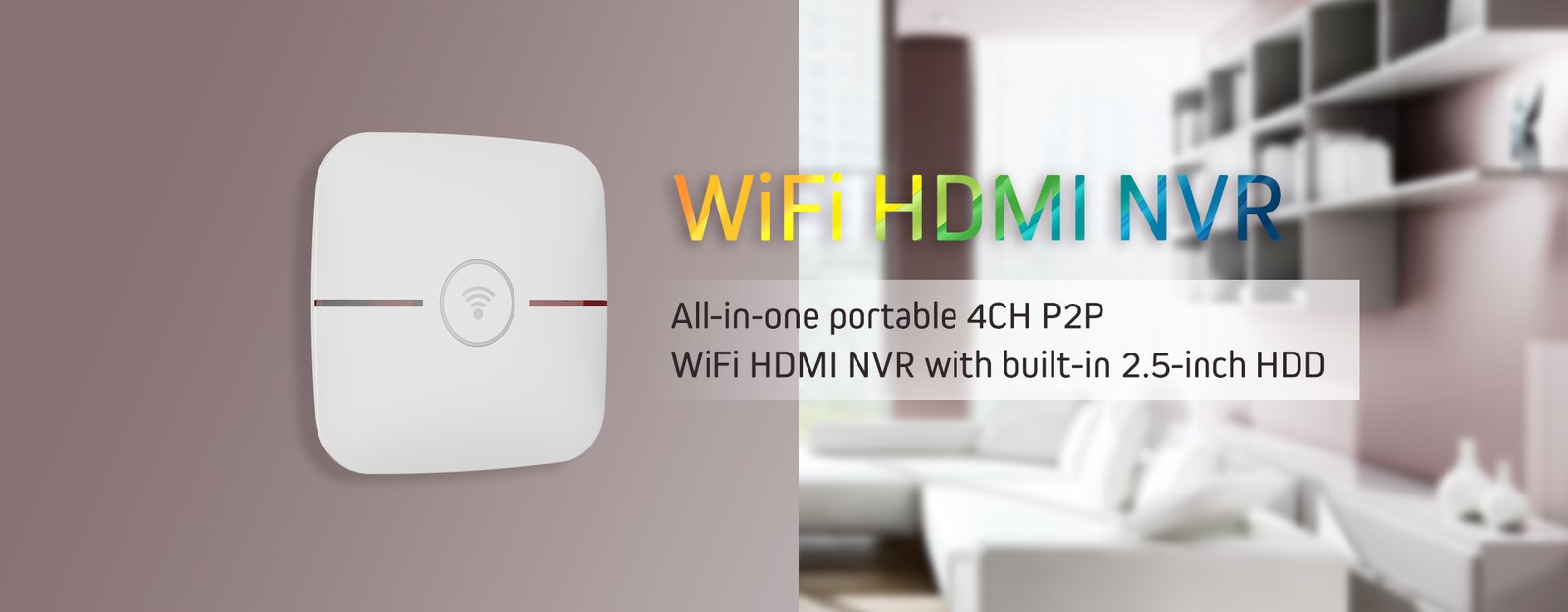
A Home Alarm Intrusion Security System is designed to protect residential properties from unauthorized entry and other security threats like burglary, vandalism, and personal harm. These systems are crucial for ensuring the safety and peace of mind of homeowners and their families. Below, I will outline the key components, functionalities, benefits, and considerations of a modern home alarm intrusion security system.
Key Components
- Control Panel:
- The central hub of the system that communicates with all connected sensors and devices. It also allows users to arm and disarm the system, and it communicates with the monitoring center if the system is monitored.
- Sensors and Detectors:
- Door and Window Sensors: Trigger an alarm when a door or window is opened unexpectedly.
- Motion Detectors: Detect movement within the home, particularly in large open spaces.
- Glass Break Sensors: Detect the sound or vibration of breaking glass.
- Smoke and Carbon Monoxide Detectors: Alert to fire or gas leak threats, which can be integrated into the security system.
- Alarms and Sirens:
- Produce loud sounds to alert occupants and scare off intruders when the system is triggered.
- Keypad or Touch Screen Panel:
- Used for manually arming and disarming the system, can also be used to manage system settings.
- Security Cameras:
- Allow for live viewing and recording of areas inside and around the property. These can be integrated with smartphones or other devices for remote monitoring.
- Remote Key Fobs and Mobile App:
- Provide convenient control over the system remotely, allowing users to arm/disarm the system from a distance, receive alerts, and watch live video streams.
Functionalities
- 24/7 Monitoring: Optional professional monitoring services can dispatch emergency services automatically in case of an incident.
- Smart Home Integration: Many systems can integrate with smart home devices, allowing for automated routines like turning lights on when motion is detected.
- Notifications and Alerts: Real-time alerts about security breaches or system status sent to homeowners’ smartphones or other designated devices.
- Customizable Settings: Users can often customize settings based on their security needs, such as setting up specific zones or schedules.
Benefits
- Enhanced Security:
- Provides peace of mind by deterring potential intruders and alerting homeowners to any suspicious activity.
- Emergency Response:
- With monitored systems, there is quick dispatch of police, fire department, or medical assistance during emergencies.
- Insurance Discounts:
- Many insurance companies offer discounts on home insurance premiums for houses equipped with security systems.
- Remote Monitoring and Control:
- Allows homeowners to check on their property and manage the security system remotely, adding convenience and control.
Deployment Considerations
- Installation:
- Decide between DIY installation or professional installation. The complexity of the system often determines which is more appropriate.
- Cost:
- Consider upfront costs (purchase of equipment) and ongoing costs (monitoring services, maintenance).
- Compatibility:
- Ensure the system is compatible with existing home devices if integrating with a smart home setup.
- Privacy:
- Be mindful of privacy issues, especially concerning the use of cameras and data storage.
- Maintenance:
- Regular system checks and updates are necessary to ensure reliable operation.


