Description
Components of a Home Alarm Intrusion Security System
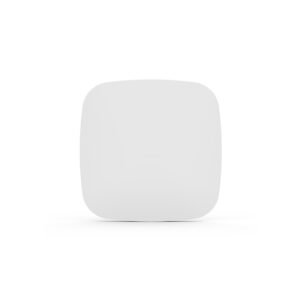
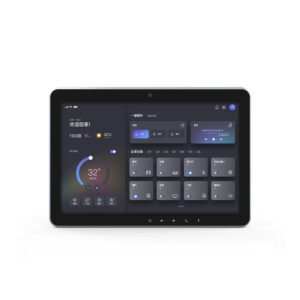
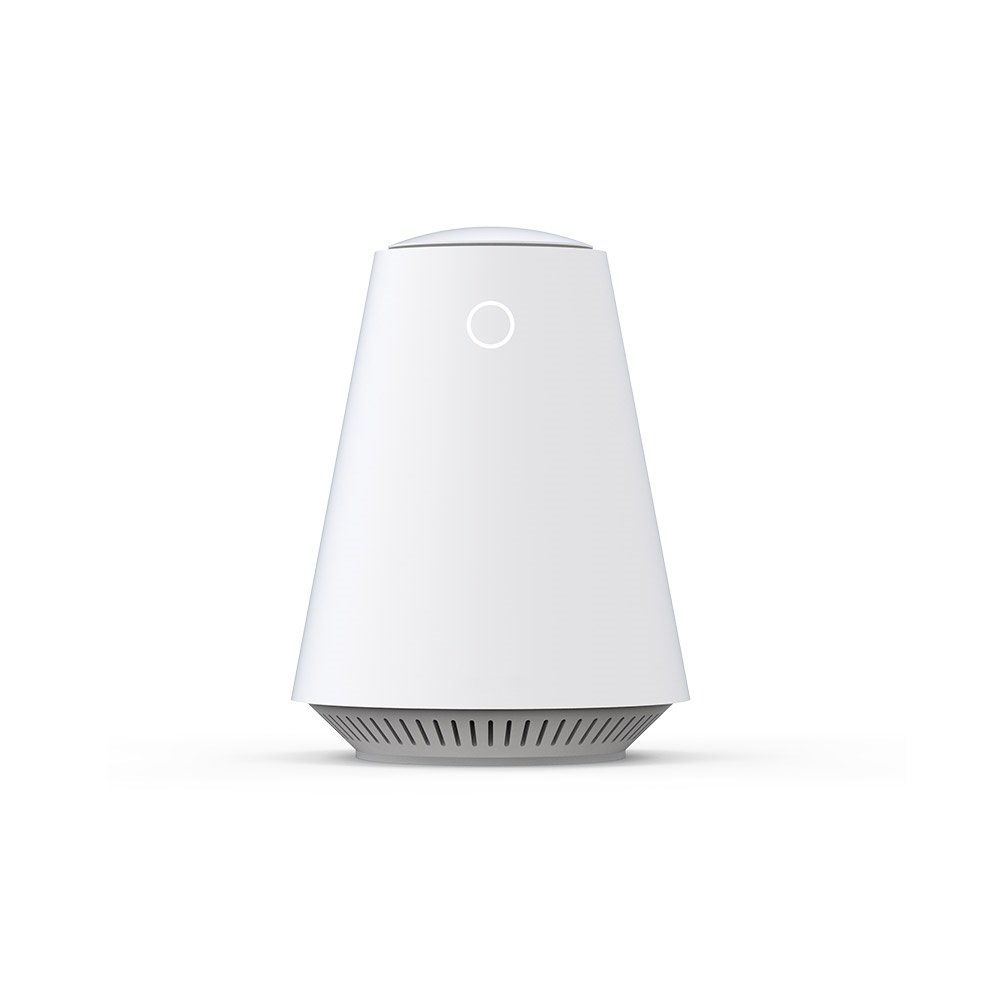
- Control Panel: This is the primary control unit. It communicates with all the sensors, arms and disarms the system, and sends alerts to the homeowner and, if connected, to a monitoring center.
- Sensors:
- Door and Window Sensors: These are the most common and are installed on doors and windows. They trigger the alarm when a door or window is opened while the system is armed.
- Motion Detectors: Placed inside the home, these sensors detect movement within their range and trigger the alarm if movement is detected while the system is armed.
- Glass Break Detectors: These sensors can detect the sound or vibration of breaking glass, which can provide an early warning of an intrusion.
- Surveillance Cameras: While not always directly tied into the alarm system, cameras can be integrated to record events and can be accessed remotely by homeowners to visually verify an intrusion.
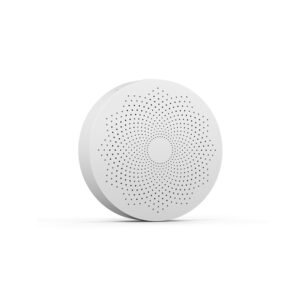
- High-Decibel Alarm/Siren: This loud alarm serves to alert those inside the house and in the surrounding area of a possible intrusion, and often scares off intruders.
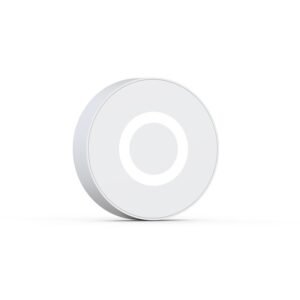
- Keypad: This allows for manual arming and disarming of the system. Modern systems often replace traditional keypads with smartphone apps or key fobs.
- Smart Home Integration: Many modern systems integrate with smart home devices. This can include automatically locking doors, turning on lights, or closing garage doors when the system is armed.
How It Works
- Arming the System: The system is armed using the keypad, a smartphone app, or a key fob. Once armed, the sensors become active.
- Breach Detection: If a door or window is opened, or unusual movement is detected, the relevant sensors trigger and send a signal to the control panel.
- Alarm Activation: Upon receiving a signal from any sensor, the control panel activates the siren and sends an alert to the homeowner’s smartphone and, if monitored, to the security service.
- Response: The homeowner can assess the situation (via camera feeds or direct checking) and decide whether to contact local authorities. If the system is monitored, the security service can also dispatch police.
Benefits
- Deterrence: Visible security systems can deter potential intruders from attempting a break-in.
- Protection: Provides protection of property and personal safety.
- Peace of Mind: Homeowners can feel safer knowing that their home is guarded, especially when away.
- Insurance Discounts: Many insurance companies offer discounts on home insurance for houses equipped with security systems.
Considerations
- Installation: Systems can be professionally installed or DIY. Professional installation might be necessary for more complex setups.
- Monitoring: Homeowners can choose between self-monitoring via smartphone alerts or paying for a subscription-based monitoring service that watches the system 24/7.
- Maintenance: Regular testing and maintenance of the system are essential to ensure reliability.
Conclusion
Home alarm intrusion security systems are a vital part of home security, offering both active and passive protection mechanisms to safeguard against unauthorized entry. With the advent of smart technology integration, these systems not only provide security but also offer enhanced convenience and control, making them an integral part of modern home management.