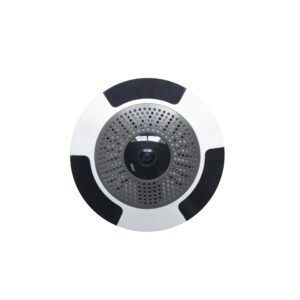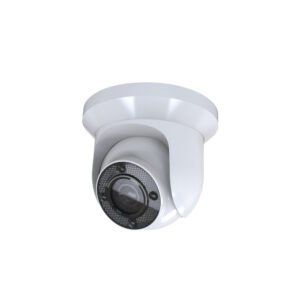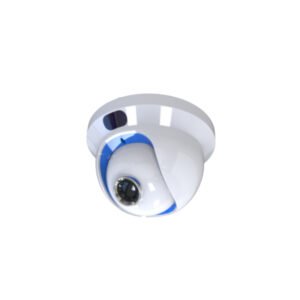
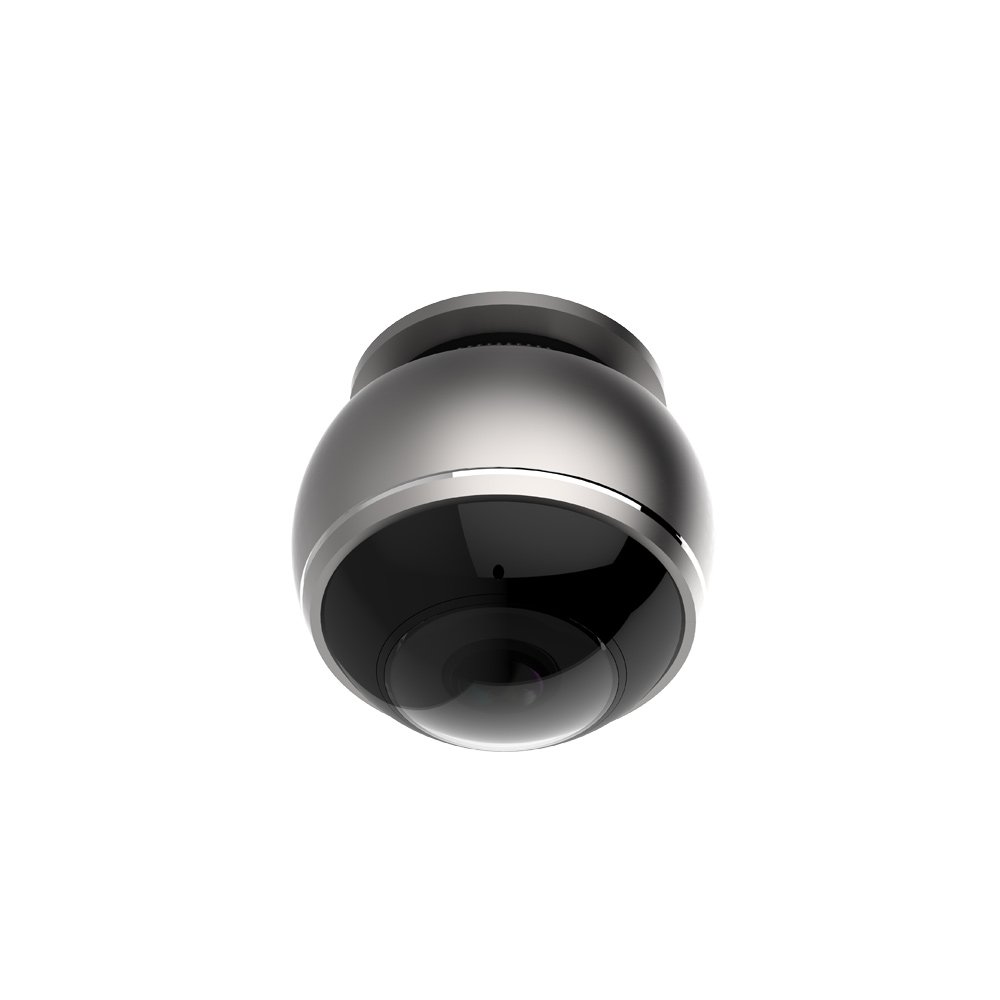
Description
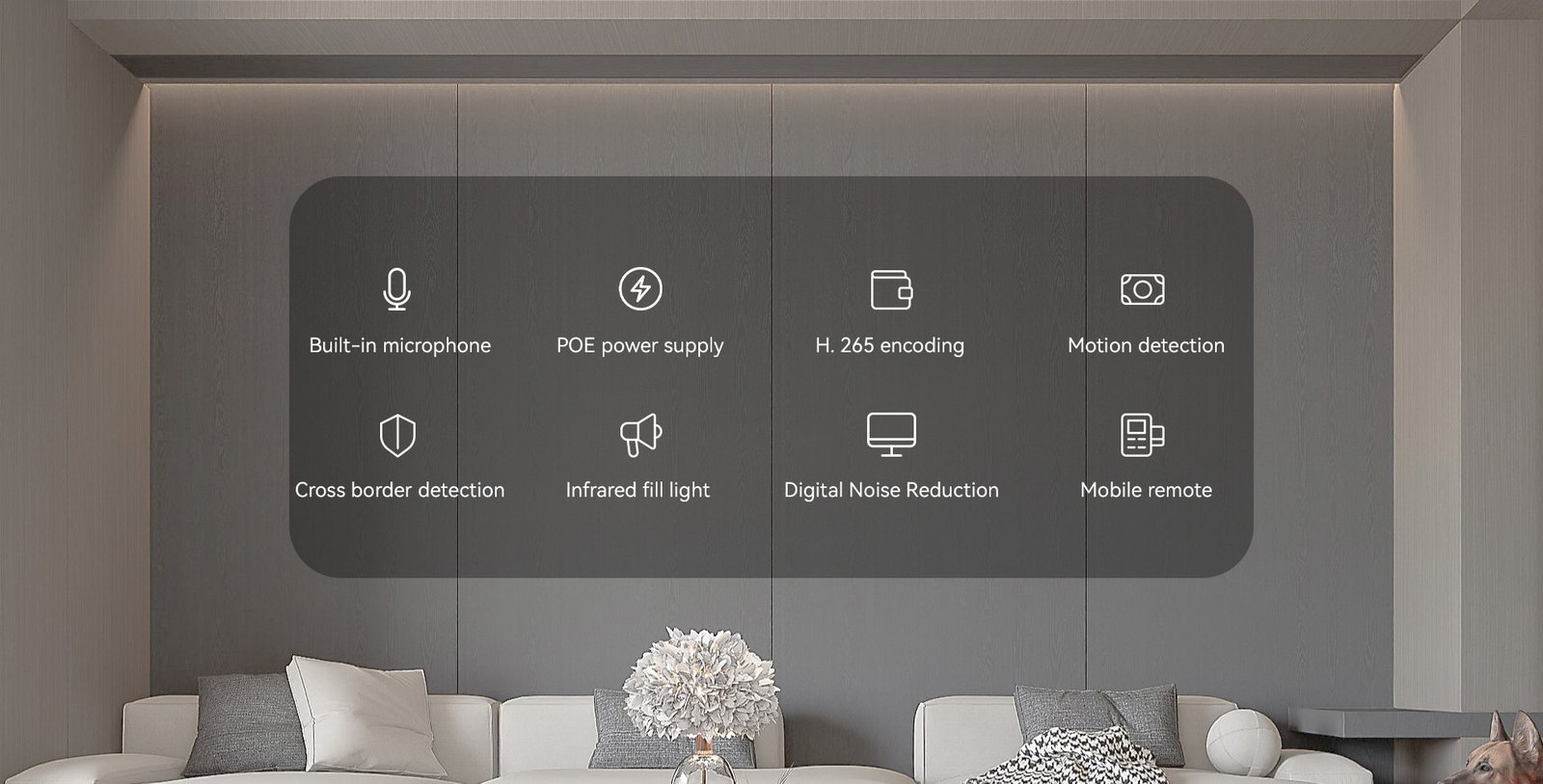
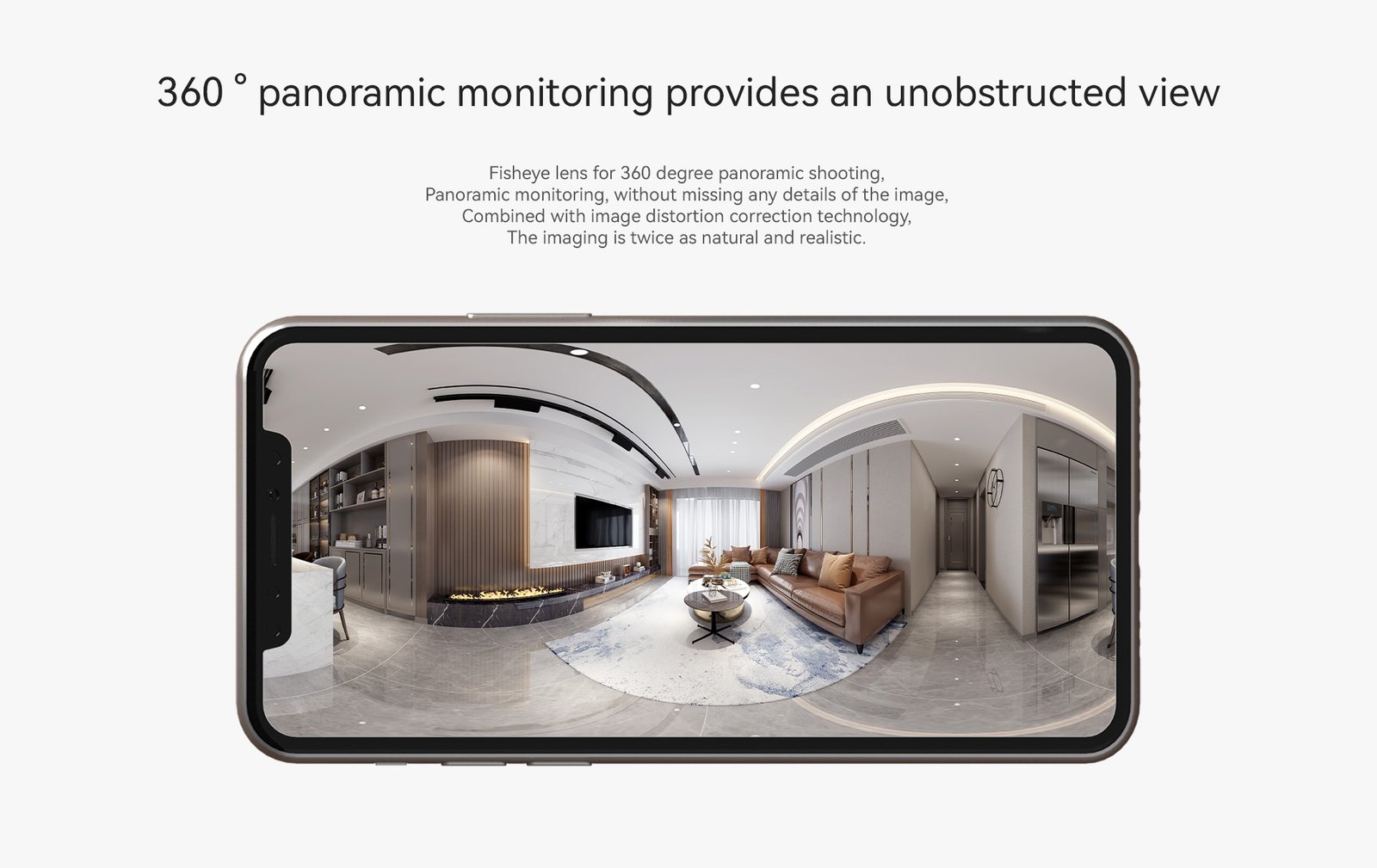
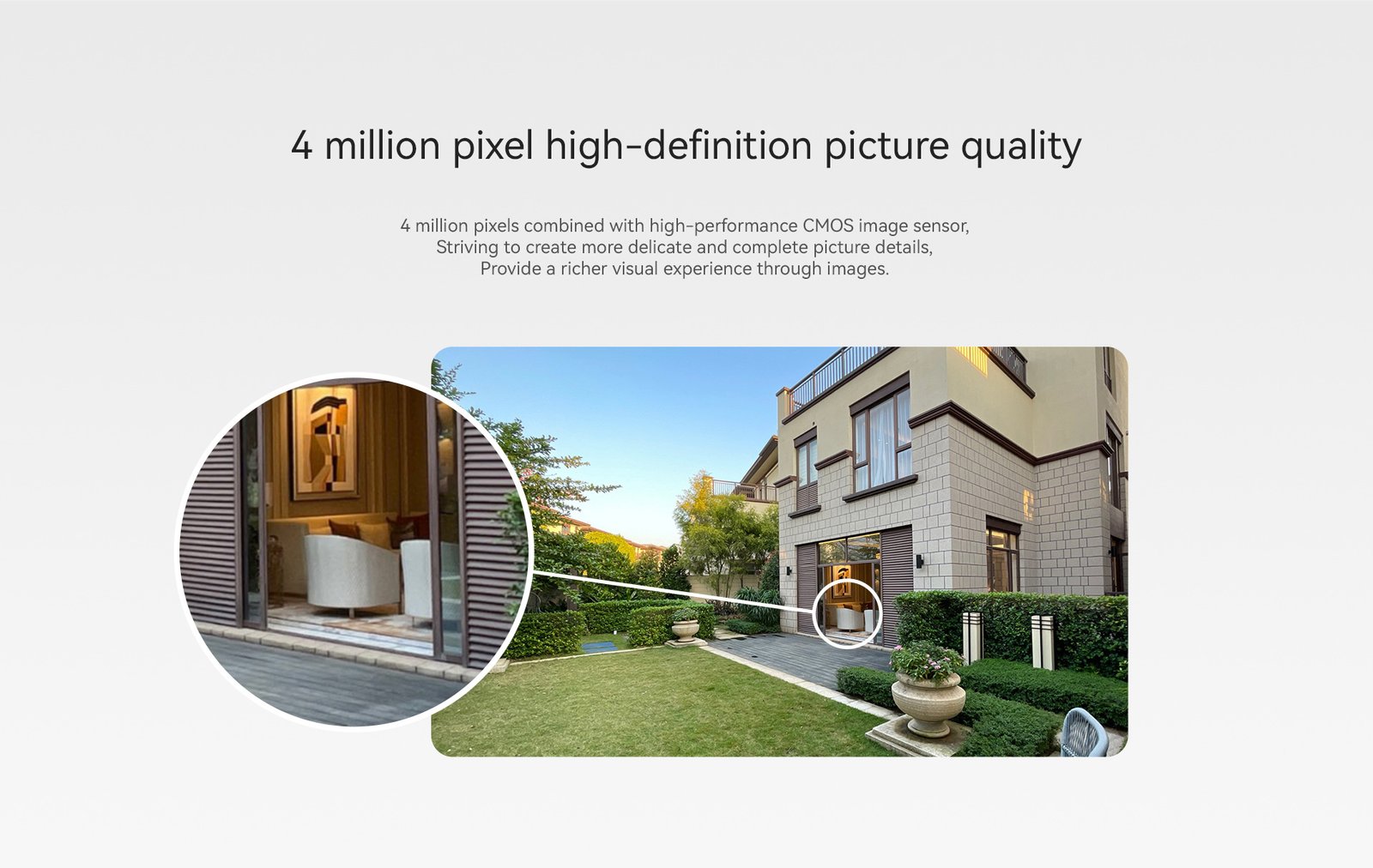
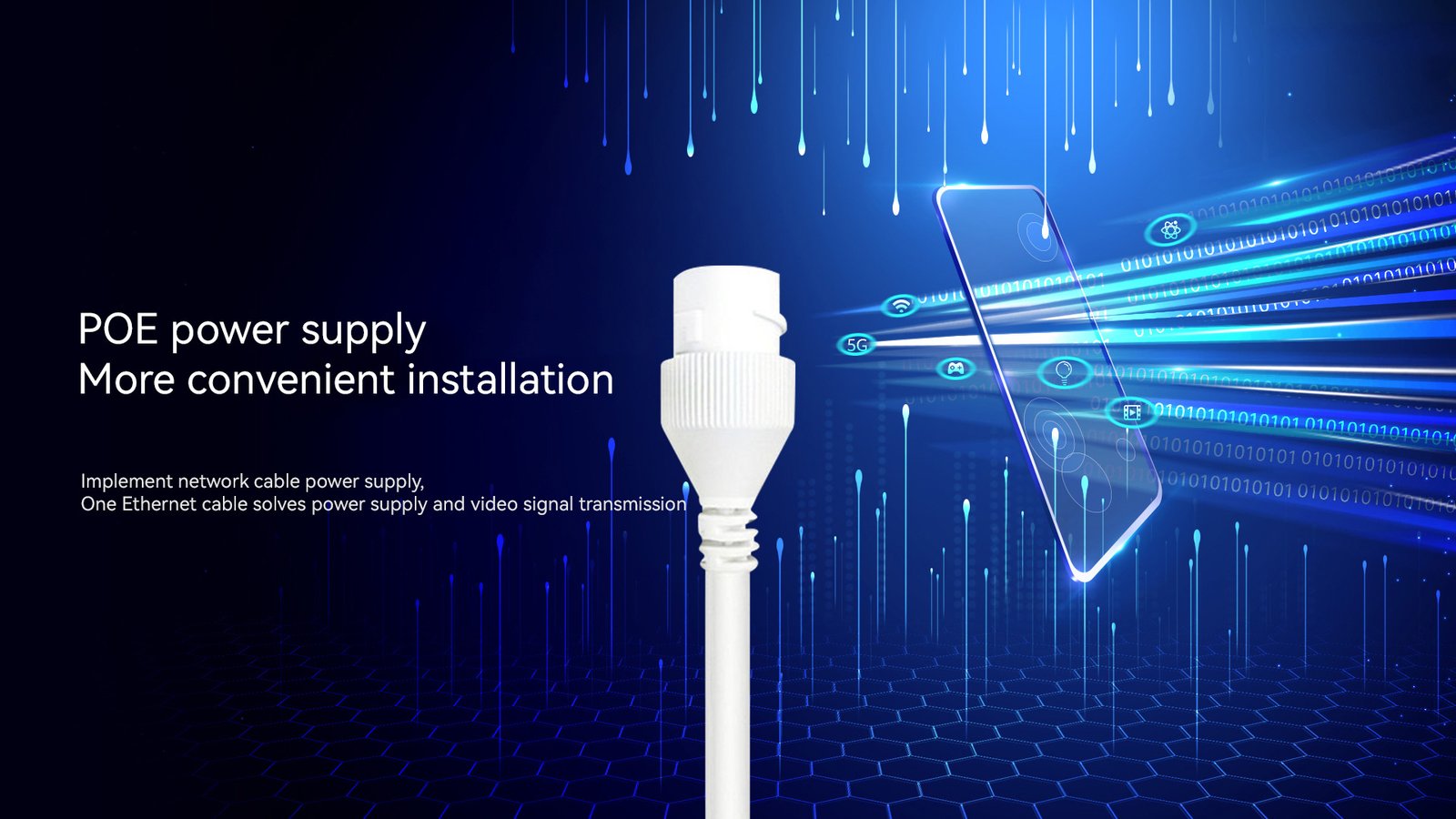

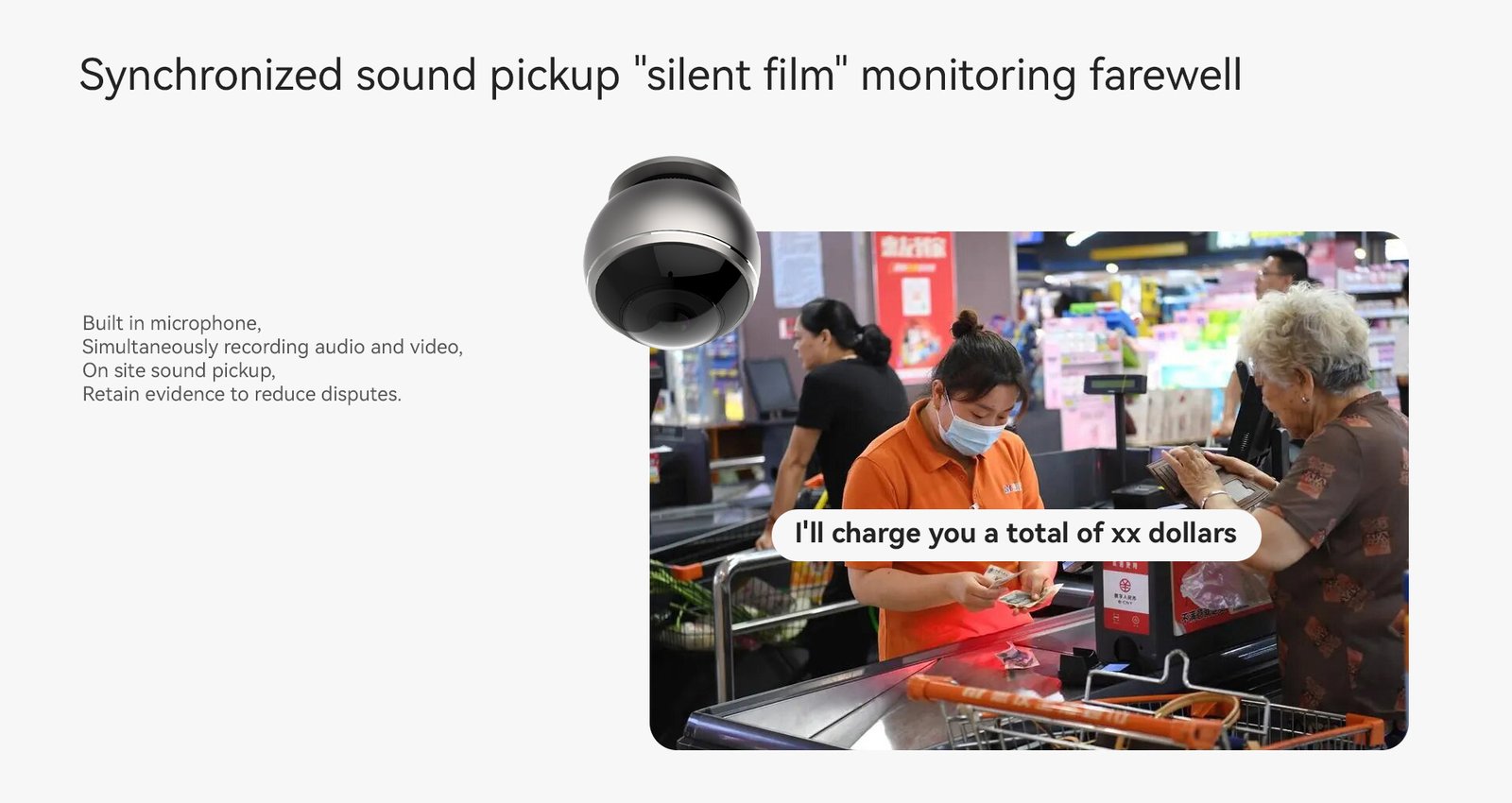
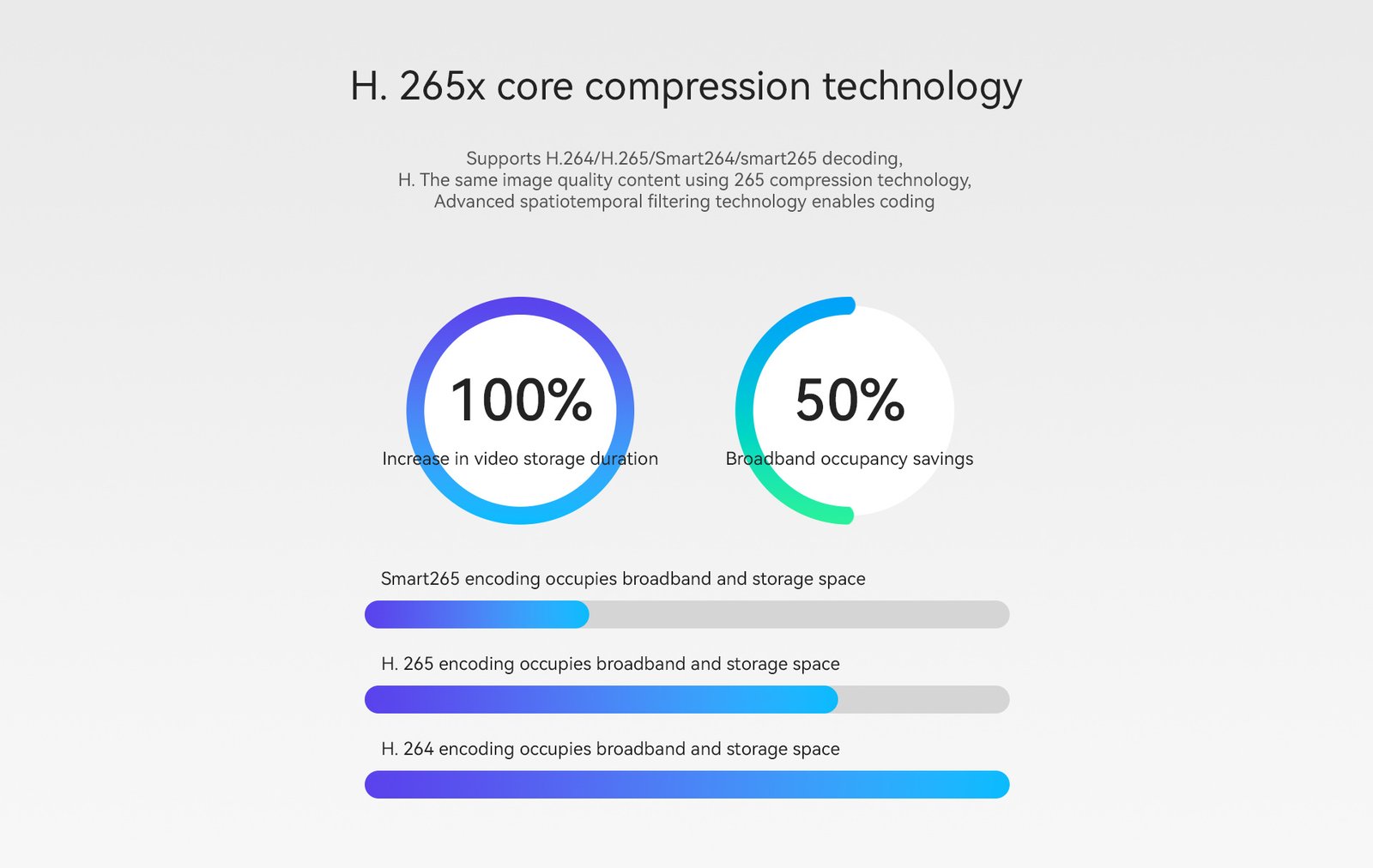
General Features of AI HD Panoramic IP Cameras
- High Definition Video: Offers high-resolution imagery, typically at least 1080p, to ensure that the footage is clear and detailed, which is crucial for identifying elements within the area being monitored.
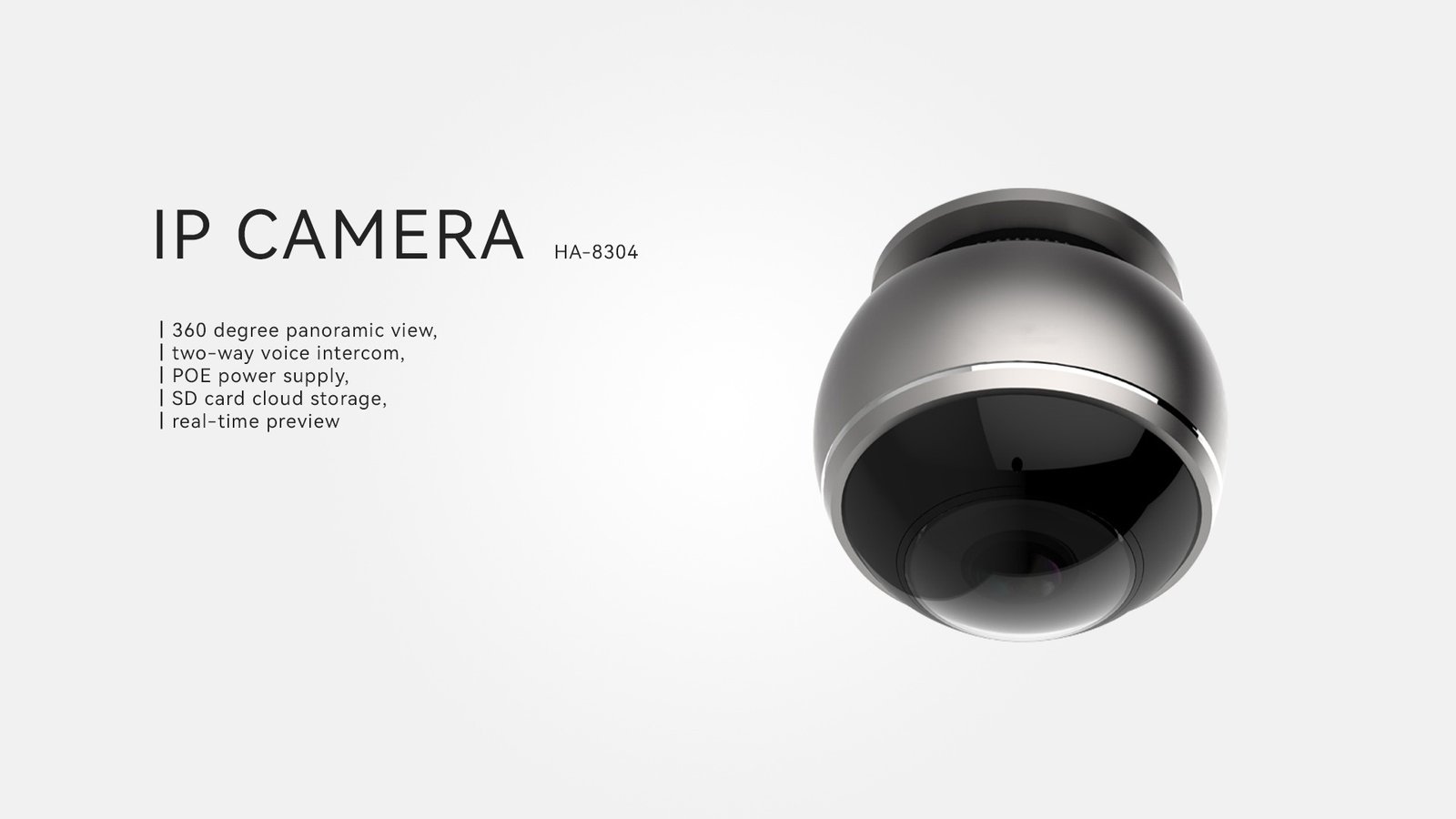
- Panoramic Field of View: These cameras are designed to cover a large area, often providing 180°, 360°, or even more extensive fields of view. This feature minimizes the need for multiple cameras and ensures fewer blind spots.
- Artificial Intelligence Capabilities: Advanced features such as motion detection, object recognition, and activity analysis are common. AI enhancements can significantly improve security efficiency by focusing on events that require attention and reducing the rate of false alarms.
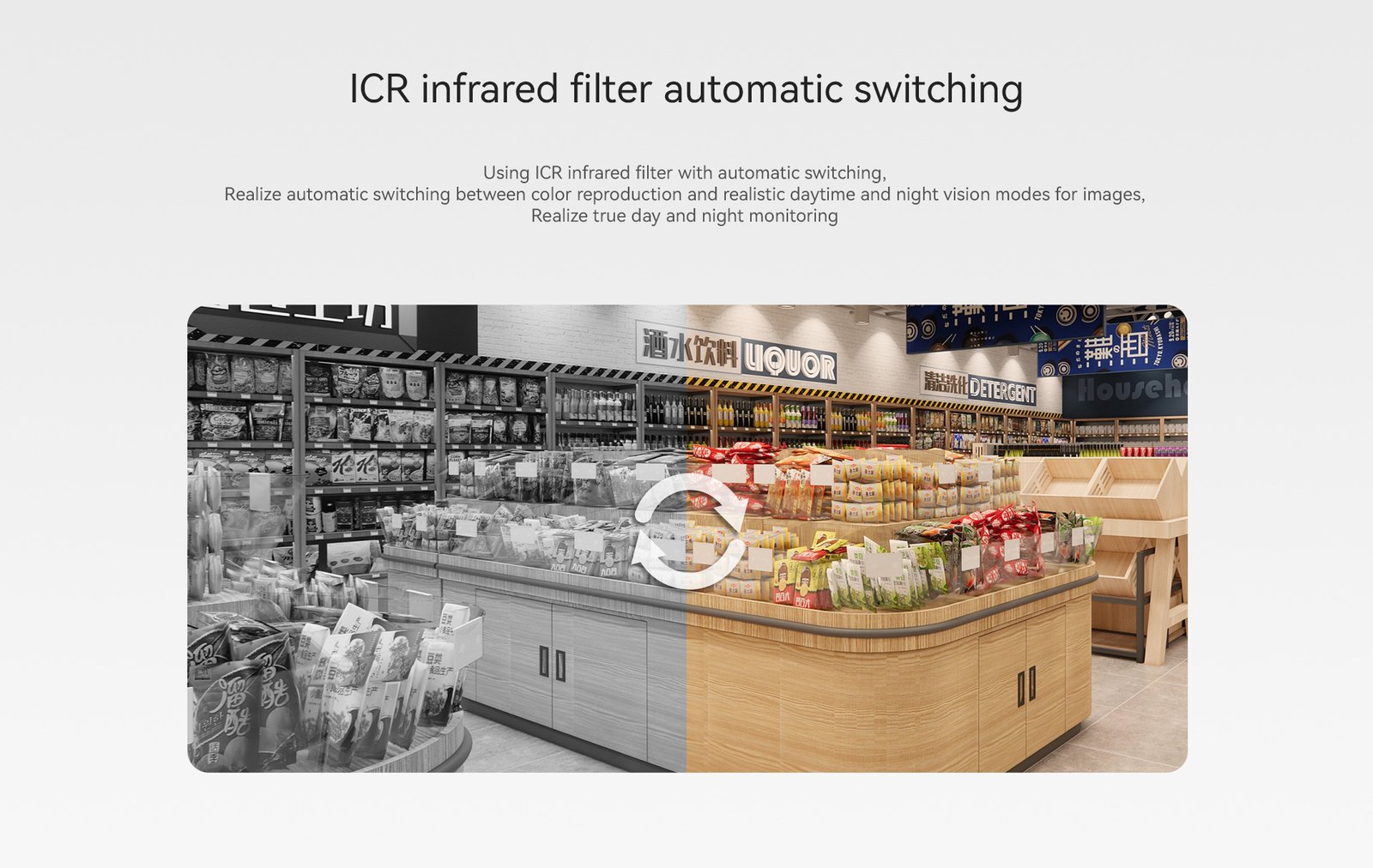
- Low-Light Performance: Enhanced sensors and capabilities like night vision or IR illumination to ensure the camera performs well in various lighting conditions, essential for 24/7 surveillance.
- Durability: Built to be vandal-resistant and weatherproof, these cameras are suitable for both indoor and outdoor installations, capable of withstanding harsh environmental conditions.
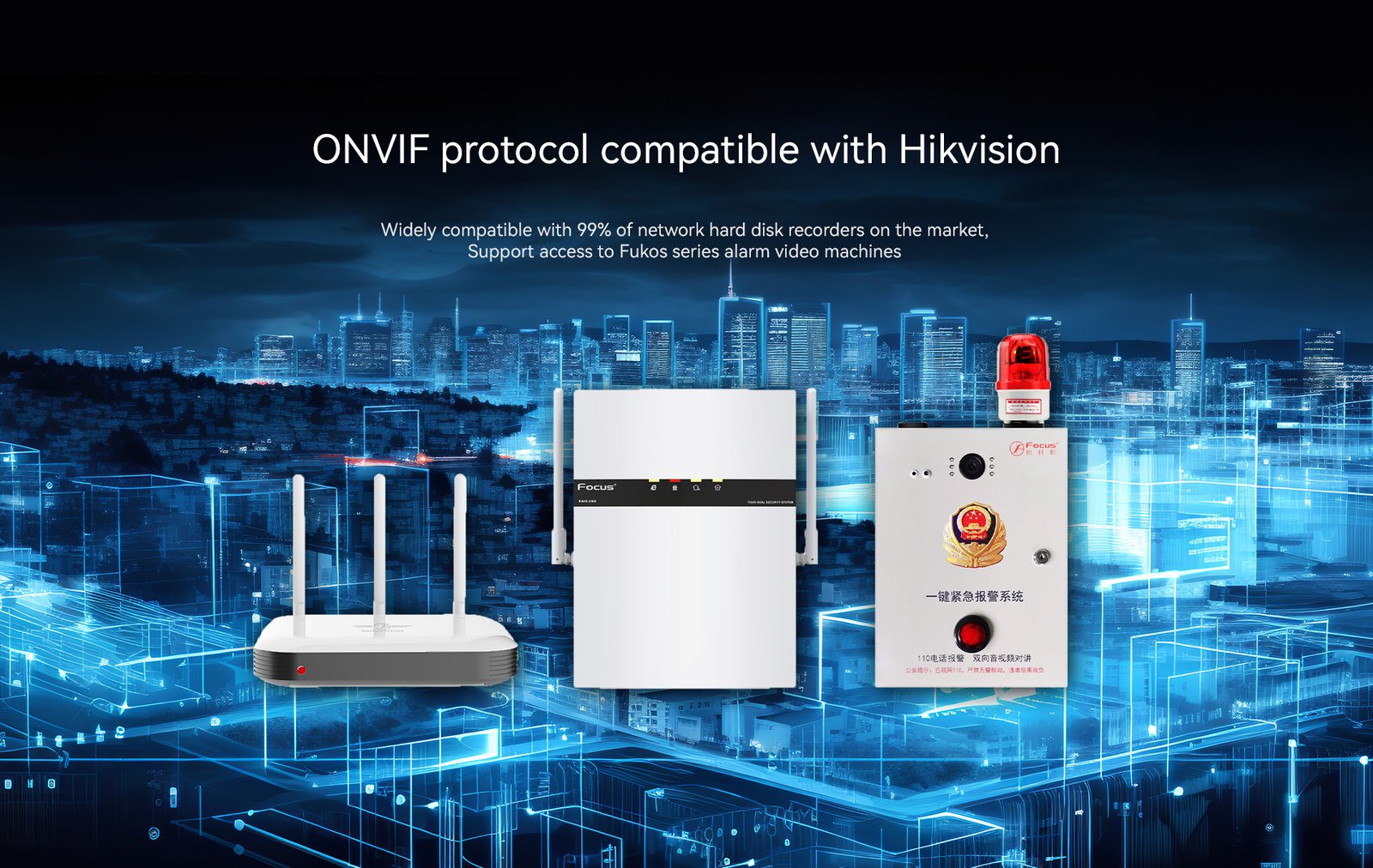
- Network Connectivity: Typically equipped to connect with networks via Ethernet, facilitating easy integration into existing network infrastructures and allowing for remote access and management.
Potential Use Cases
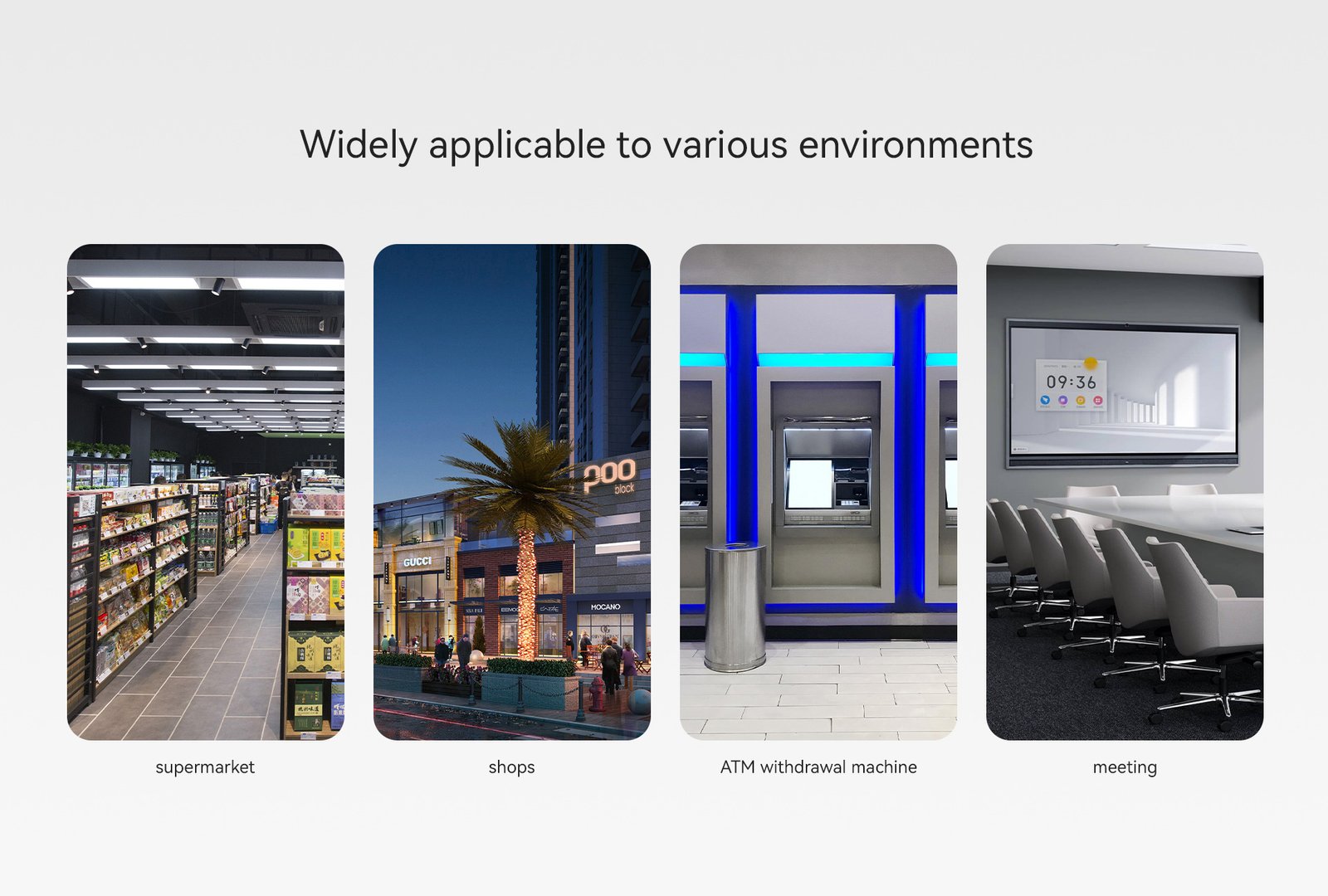
- Commercial Buildings: For monitoring large open spaces such as shopping malls, lobbies, or exhibition centers, ensuring security and operational efficiency.
- Public Safety: Installation in public areas like parks, squares, or streets to enhance safety and monitor crowd behaviors.
- Transportation Hubs: Ideal for stations, airports, and parking lots where wide coverage is necessary to secure large, busy areas.
- Educational and Health Facilities: Useful in universities and hospitals to oversee large corridors and common areas, helping maintain safety and security protocols.
Installation and Setup
The installation process for an AI HD Panoramic IP Camera typically involves:
- Choosing Optimal Locations: The placement should maximize the area of coverage and minimize obstructions.
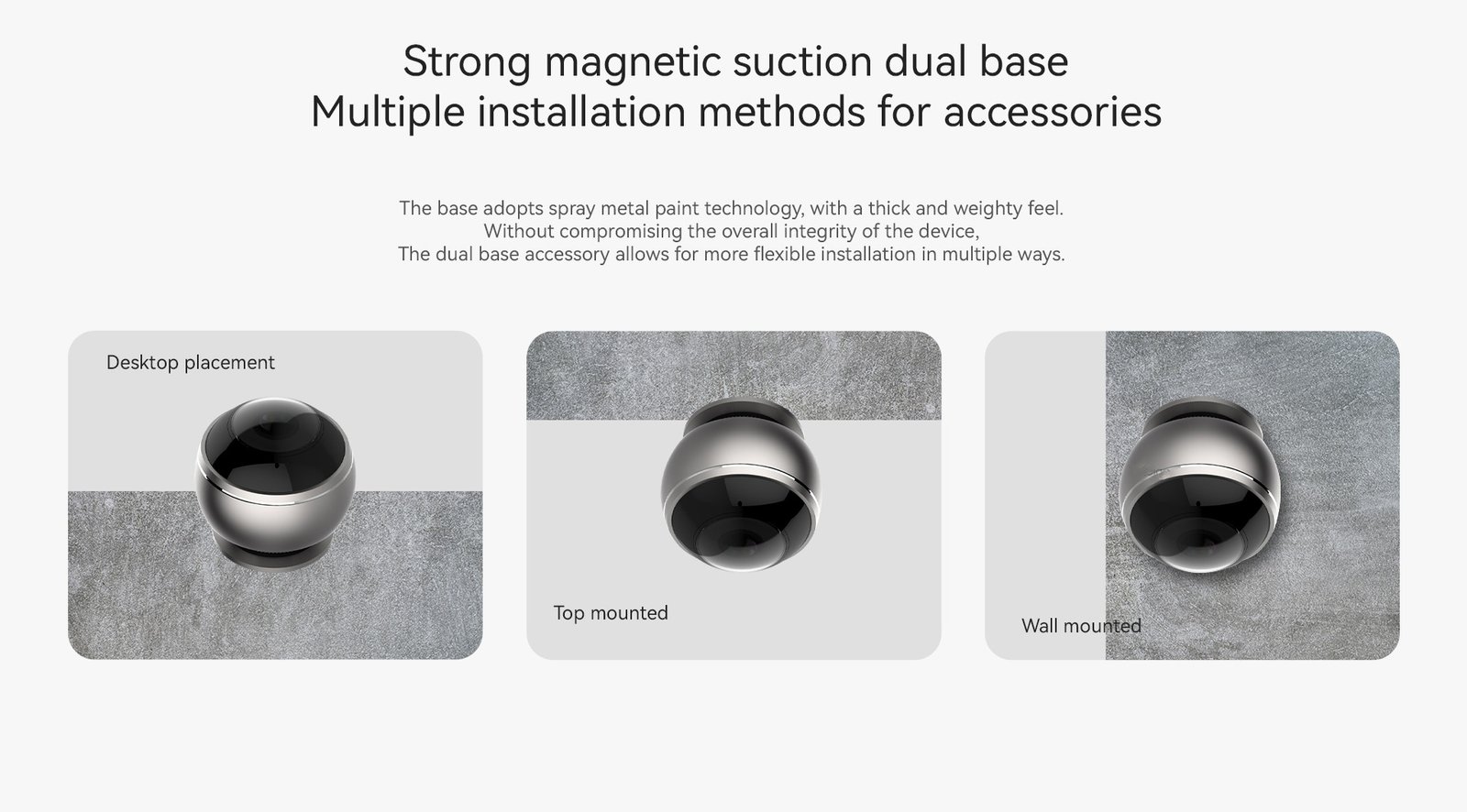
- Secure Mounting: Properly securing the camera to handle environmental impacts and potential tampering.
- Configuring Network Settings: Integrating the camera with the network for efficient communication and control.
- Setting AI Functions: Adjusting AI settings based on specific surveillance requirements, like setting up zones for motion detection or configuring object tracking parameters.
Maintenance
Maintaining such a camera involves:
- Regular Cleaning: Ensuring the lens and sensors are clean for clear visibility.
- Firmware Updates: Keeping the software up-to-date to enhance functionality and security.
- Routine Checks: Performing regular checks to ensure the camera’s physical and functional integrity.