
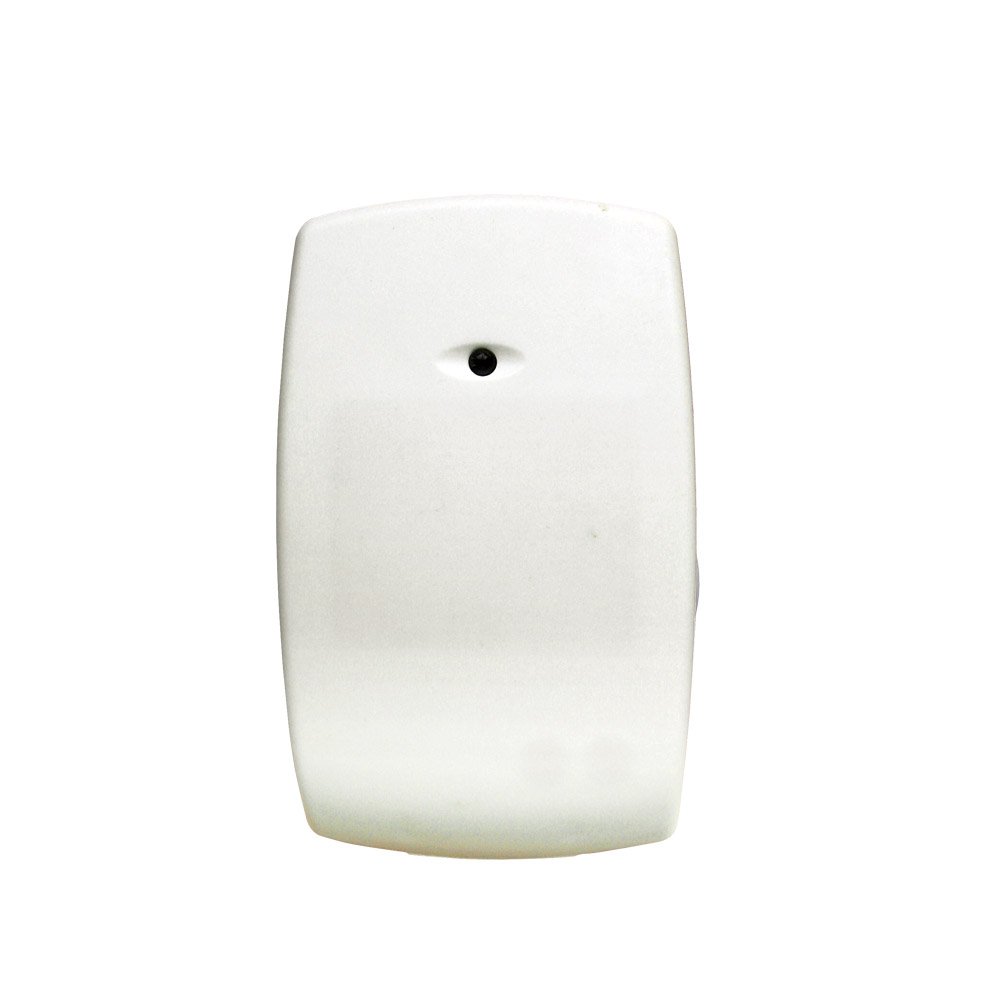
Description
General Overview of Glass Crushing Sensor
A glass crushing sensor typically functions as a part of a broader security system. It is designed to detect the specific sound or vibration patterns associated with glass breaking. When glass is broken, it emits a unique frequency that these sensors can detect, thereby triggering an alarm or notification system.
Potential Features
- Acoustic Detection: Utilizes microphones to listen for the specific frequency or pattern of sound produced by breaking glass. This method is highly effective in environments where the sensor can be tuned to ignore other background noises.
- Vibration Detection: Employs sensors that detect the vibrations caused by the impact on glass surfaces. These are generally used in conjunction with acoustic sensors to improve accuracy and reduce false alarms.
- Dual Technology: Combines both acoustic and vibration detection technologies to enhance sensitivity and specificity. By requiring both types of inputs to trigger an alarm, the sensor minimizes false positives.
- Adjustable Sensitivity: Allows the user to calibrate the sensitivity of the sensor according to the specific environment and expected threat levels, which helps in adapting to different types and thicknesses of glass.
- Wireless Connectivity: Many modern glass break sensors are equipped with wireless technology, allowing them to integrate seamlessly with existing home security systems and smart home networks.
- Coverage Area: Efficient sensors can cover multiple windows or glass doors within a certain radius, depending on their design and placement.
- Low Power Consumption: Designed to be energy efficient, which is particularly important for battery-operated units.
- Tamper Alerts: Advanced sensors include anti-tampering features that notify the security system if the sensor itself is being manipulated or damaged.
Applications
- Residential Security Systems: To protect homes against break-ins through glass windows or doors.
- Commercial Security Systems: In retail, office spaces, and other commercial buildings to secure against forced entry.
- Public Sector Security: In schools, government buildings, and other public facilities that require enhanced security measures.
Installation Considerations
- Placement: Should be installed near glass entry points but not so close that normal interactions with the window or door cause false alarms.
- Environment: The surrounding environment should be considered to adjust the sensitivity and reduce the likelihood of false alarms due to non-threat events (like thunder, traffic noises, etc.).