
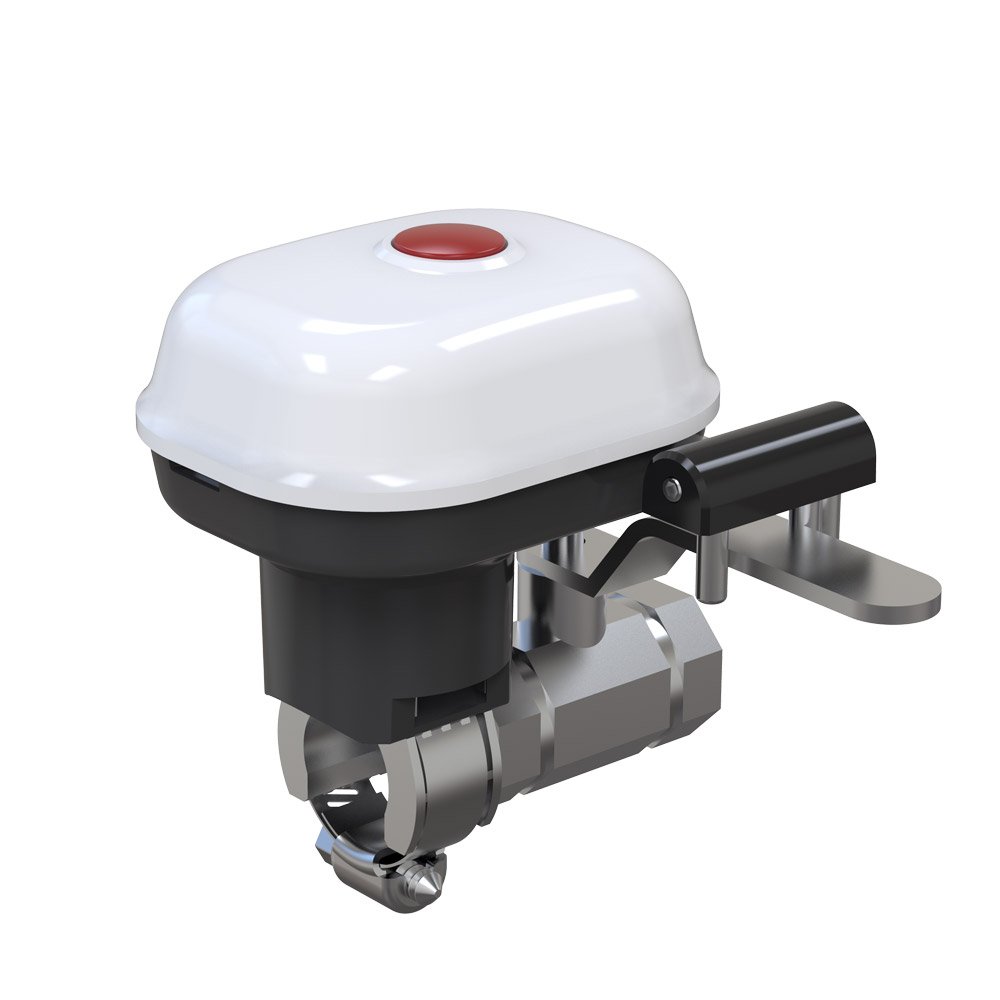
Description
Key Components and Features:
- Actuator: This is the motor that moves the valve. It can be pneumatic, hydraulic, or electric. Electric actuators are common in electronic valve manipulators, as they allow for precise control and easy integration with electronic control systems.
- Control Unit: This includes the electronics required to receive signals and control the actuator. It may involve simple on/off control or more complex algorithms for proportional control depending on the application’s needs.
- Valve Body: This is the part of the assembly that physically obstructs or allows flow through the system. Common types include ball valves, butterfly valves, and gate valves, each suitable for different types of flow and pressure conditions.
- Position Sensors: These sensors provide feedback on the valve’s position to the control unit, ensuring that the valve opens or closes to the correct position as commanded by the control system.
- Power Supply: Electronic manipulators require a power source, which is typically electric. The specifications can vary depending on the actuator type and the system’s overall power requirements.
- Communication Interface: Modern valve manipulators can often be integrated into broader control systems via standard industrial communication protocols such as 4-20 mA, HART, Profibus, or Modbus. This integration allows for remote monitoring and control, which is essential for modern automated systems.
Applications:
- Water Treatment Plants: Controlling the flow of water and treatment chemicals precisely to ensure proper treatment.
- Chemical Processing: Managing the flow of various chemicals in the production processes to maintain safety and efficiency.
- HVAC Systems: Adjusting water or steam flow in heating and cooling systems to maintain comfort in buildings.
- Oil and Gas Industry: Controlling the flow of oil and gas in pipelines and refining processes to optimize throughput and safety.
- Food and Beverage: In processes where ingredients must be mixed or products must be processed in certain ways, precise control of fluid flow is essential.
Benefits:
- Improved Accuracy: Electronic control allows for very precise positioning of the valve, which is crucial for processes that depend on exact flow rates.
- Remote Control and Monitoring: With integrated communication capabilities, these systems can be monitored and controlled remotely, enhancing operational flexibility.
- Efficiency: Automated control helps in optimizing the flow and pressure, reducing waste and energy consumption.
- Safety: In hazardous environments, the ability to remotely control flow can significantly enhance safety by limiting personnel exposure.
If you have specific requirements or need further information about how a valve electronic manipulator could be integrated into your system, please specify, and I can provide more detailed assistance.