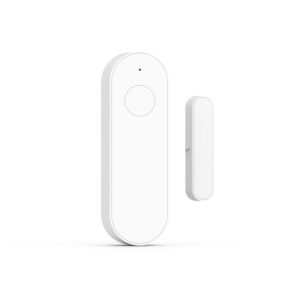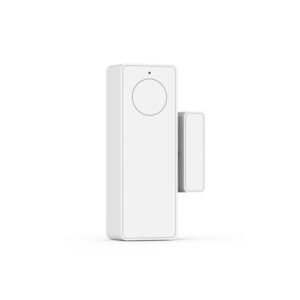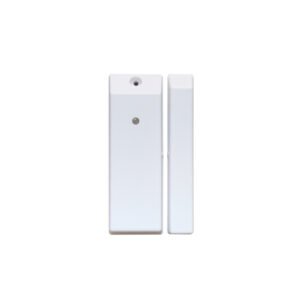
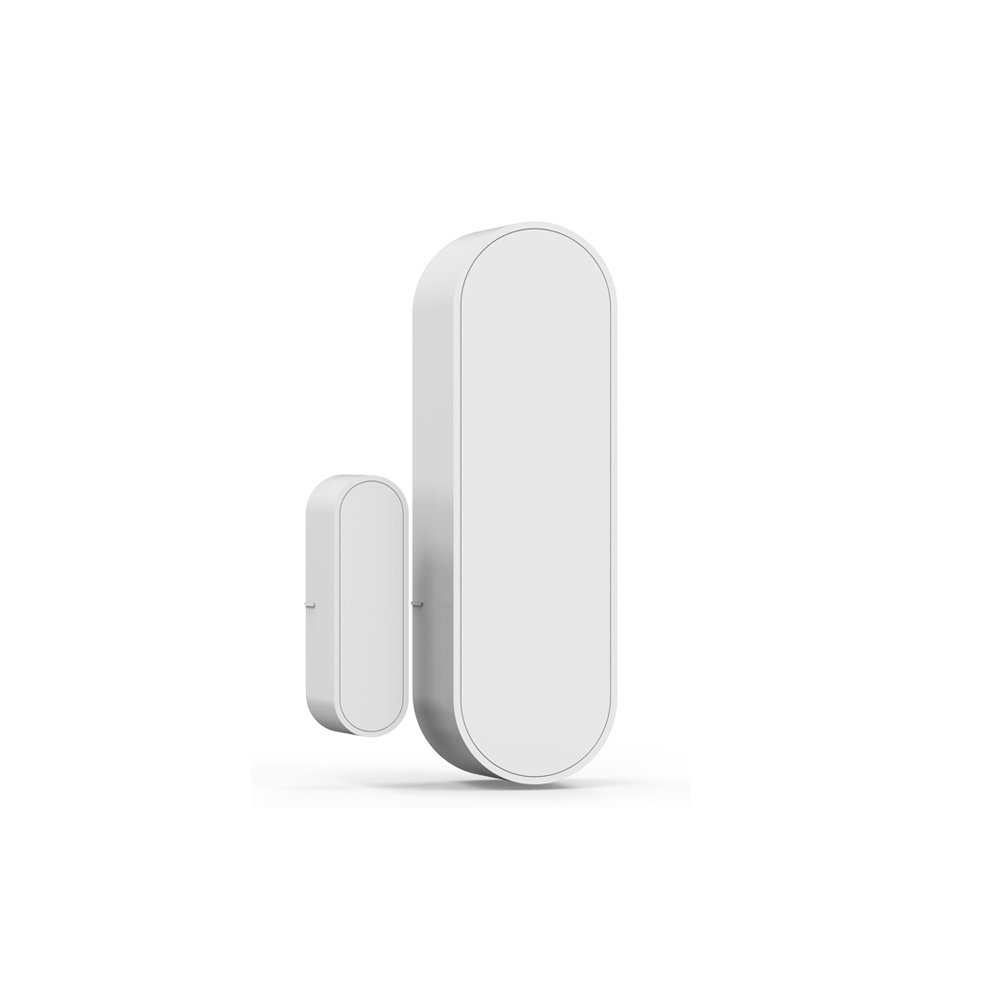
Description
How They Work
- Sensor Parts: Each sensor usually consists of two parts. One part is mounted on the door or window frame, and the other on the door or window itself. When the door or window is closed, the two parts of the sensor are aligned and the circuit is complete.
- Communication: When a door or window is opened, the two parts separate, breaking the circuit. This change is detected and communicated wirelessly to a central alarm system or smart home hub.
- Notification: The system then sends an alert or triggers an alarm. Many systems also send real-time notifications to your smartphone or other connected devices.
Features to Consider
- Connectivity: Check the type of connectivity supported by the sensor (e.g., Wi-Fi, Zigbee, Z-Wave). This should be compatible with your existing home network or security system.
- Battery Life: Since they are wireless, these sensors are powered by batteries. Look for models with long battery life or low battery indicators.
- Integration: Consider whether the sensors can integrate with other smart home technologies you use, such as voice assistants (like Amazon Alexa, Google Assistant), smart thermostats, or lighting systems.
- Range: Ensure the wireless range is adequate to cover the distance between the sensors and the central system or hub.
- Durability: Check for durability especially if the sensor will be exposed to harsh weather conditions on external doors and windows.
- Sensitivity and Customization: Some sensors allow you to adjust sensitivity or have features to reduce false alarms (caused by pets, for example).
- Design: Look for a design that blends well with your home’s aesthetic. Most sensors are small and discreet, but they do come in various shapes and colors.
Installation Tips
- Placement: Ensure the sensor parts align perfectly when the door or window is closed to avoid false alarms.
- Testing: After installation, test the sensors to ensure they communicate effectively with your central system.
- Maintenance: Regularly check and replace batteries if necessary and make sure the device is clean and free from dust.
Security Enhancements
- Use with Cameras: Pairing your sensors with security cameras can enhance your home security system. If a sensor is triggered, cameras can start recording immediately to capture any activity.
- Professional Monitoring: Some systems offer professional monitoring services for an additional fee, providing extra security by alerting emergency services if an alarm is triggered.
By integrating wireless sensors for doors and windows into your home security setup, you can significantly enhance the safety and security of your property. Make sure to research and choose a system that fits your specific needs and budget.