Description
Wireless door/window sensors are key components in modern security systems, used primarily for monitoring entry points such as doors and windows to detect unauthorized access. These sensors are widely favored in residential, commercial, and industrial settings due to their ease of installation and effectiveness in enhancing security.
Key Features of Wireless Door/Window Sensors:
- Wireless Connectivity: These sensors operate without physical wires, connecting to the main security system via radio frequency or Wi-Fi, which allows for flexible placement and less invasive installation processes.
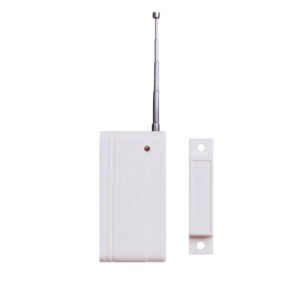
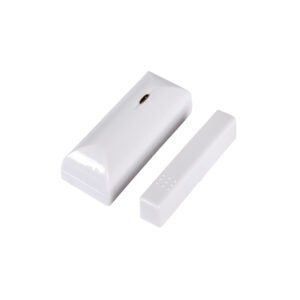
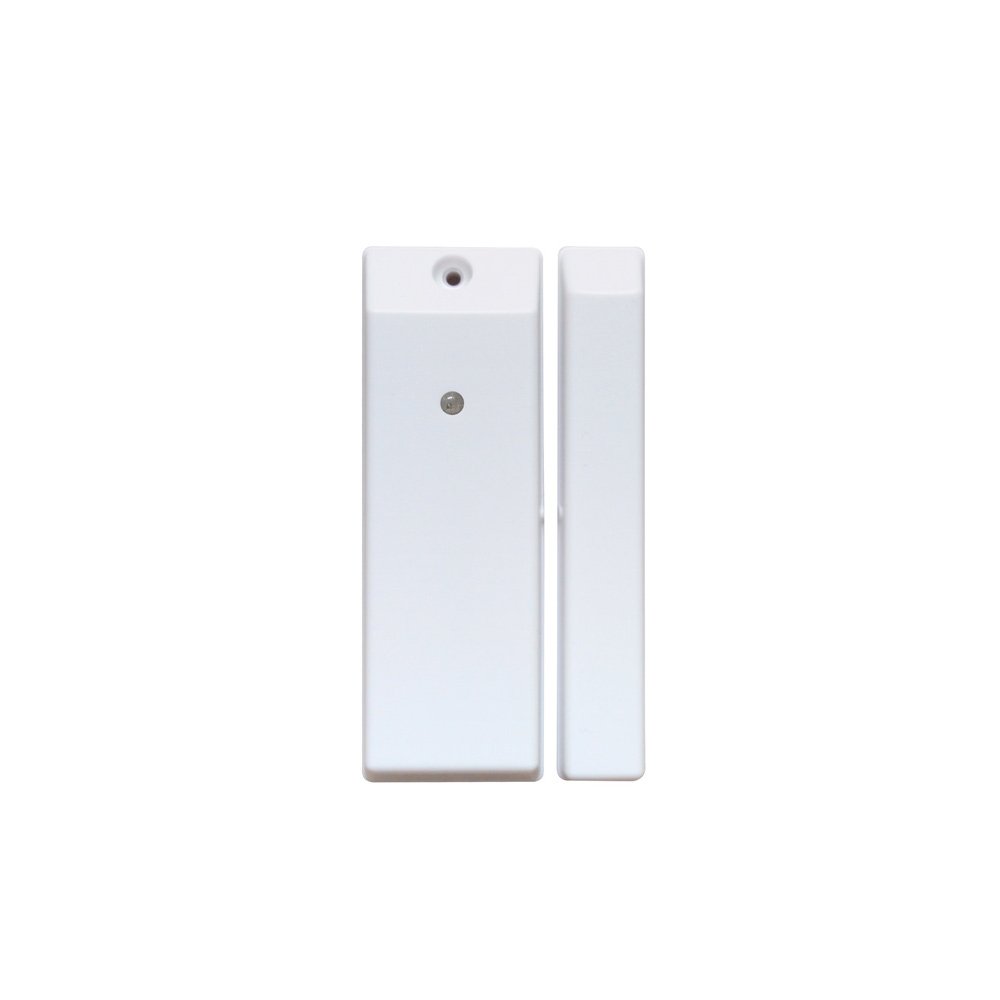
- Two-Part Design: Typically, the sensor consists of two parts: one part is mounted on the door or window frame, and the other on the door or window itself. The device triggers an alert when the alignment between these two parts is disrupted (i.e., when the door or window is opened).
- Battery Operated: They are usually powered by batteries, which makes them operational even during power outages.
- Integration with Smart Home Systems: Many modern sensors can be integrated with smart home systems and controlled remotely via smartphones or other devices. This integration can include features like automated alerts, status updates, and even direct notifications to your phone or local authorities.
- Compact and Discreet: Designed to be small and unobtrusive, they do not alter the aesthetics of the door/window where they are installed.
Applications:
- Home Security: Provides homeowners with peace of mind by monitoring all entry points and alerting them or the security company if an intrusion is detected.
- Office Buildings: Helps in securing sensitive areas by tracking access and maintaining records of entries and exits.
- Retail Stores: Useful for after-hours monitoring to prevent burglaries. They can also be used on interior doors to secure high-value inventory areas.
- Industrial Facilities: Can monitor access to restricted areas, ensuring that only authorized personnel enter certain zones.
Installation and Maintenance:
- Placement: Install the larger part of the sensor on the stationary frame of the door or window and the smaller part on the moving part (door or window itself). Ensure that both parts align when the door or window is closed.
- Testing: After installation, it’s crucial to test each sensor to ensure it’s functioning correctly and communicating with the central security system.
- Battery Replacement: Regularly check and replace batteries to ensure the sensors are always operational. Many units feature a low-battery indicator.
- Regular Checks: Periodically inspect each sensor for physical damage or wear and ensure that they have not been tampered with.
Wireless door/window sensors are an effective and user-friendly option for enhancing the security of any property. Their ability to integrate with broader smart home or security systems makes them a versatile and essential tool in contemporary security management.