Description
Key Features of Carbon Monoxide Sensors:
- High Sensitivity and Accuracy: CO sensors are designed to detect low levels of carbon monoxide, typically starting from 30 parts per million (ppm). This sensitivity ensures early detection, which is crucial for safety.
- Audible Alarm: When high levels of CO are detected, the sensor triggers a loud alarm to alert residents or occupants, allowing for prompt action to be taken.
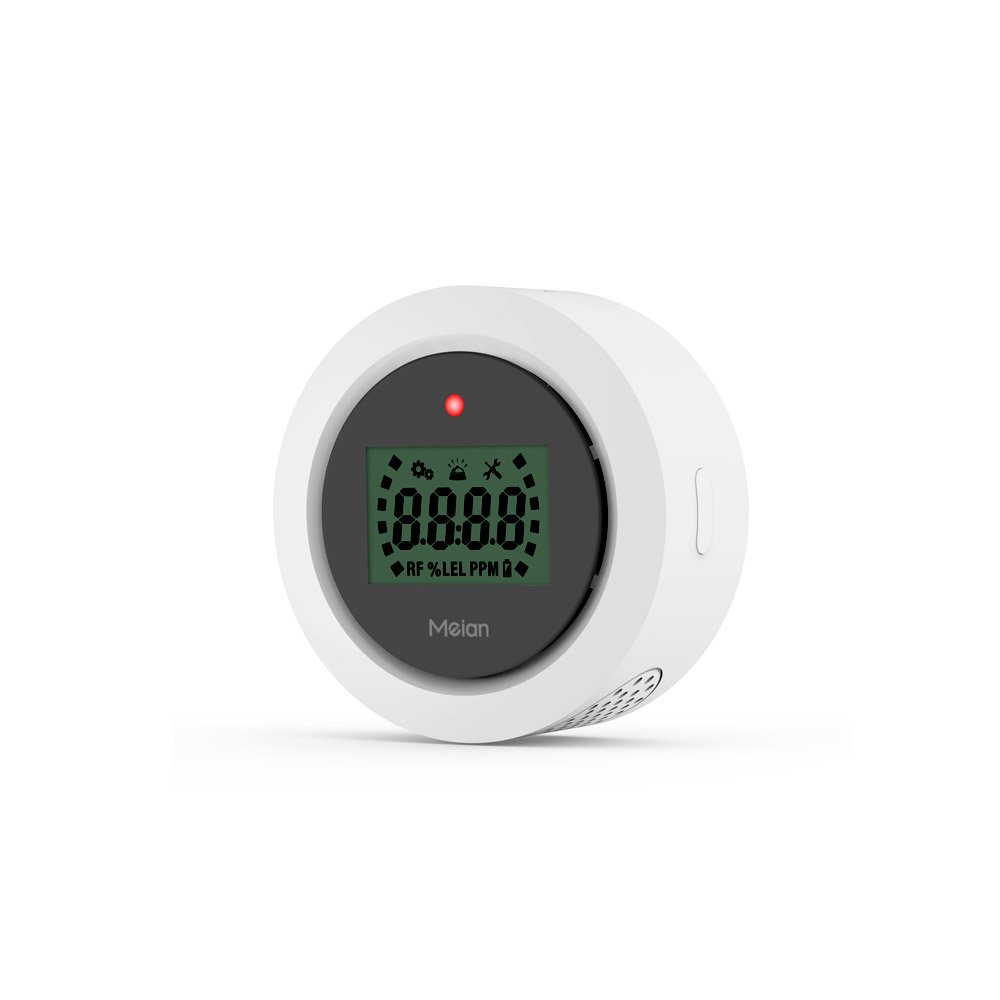
- Visual Indicators: Many models include LED lights or digital readouts that provide visual indications of CO levels, enhancing safety for those with hearing impairments.
- Battery Operation: CO sensors are often battery-powered, ensuring they continue to operate during power outages—a critical feature, especially during emergencies.
- Test and Reset Functions: These features allow users to regularly test the sensor to ensure it is working correctly and to reset the device after an alarm event.
- End-of-Life Alert: CO sensors have a limited lifespan, generally between 5 to 7 years. Modern units typically feature an end-of-life alert that notifies the user when the sensor needs replacing.
Installation Tips:
- Location: Install CO sensors near sleeping areas to ensure the alarm will wake occupants, and on every level of the home, including basements. Avoid placing sensors near windows or doors that might cause drafts and affect sensor readings.
- Height: Carbon monoxide mixes with air, so sensors can be installed at any height. However, it’s typically recommended to place them at breathing level.
- Maintenance: Test the CO sensor regularly using the test button, replace batteries annually, and keep the sensor clean from dust and debris.
Why Carbon Monoxide Detectors are Indispensable:
Carbon monoxide poisoning can cause symptoms such as headaches, dizziness, vomiting, and in severe cases, it can be fatal. The early detection provided by CO sensors can save lives by alerting occupants to vacate the premises and seek fresh air and medical attention if needed. Thus, CO sensors not only provide a critical warning system but also peace of mind knowing that you and your loved ones are protected from this invisible hazard.
In summary, carbon monoxide sensors are a vital safety tool for any indoor setting where combustion of fuels may occur. Ensuring that these sensors are properly installed and maintained can significantly increase the safety and well-being of individuals in these environments.