Description
What is a Carbon Monoxide Sensor?
A Carbon Monoxide sensor monitors the air for specific levels of CO and alerts occupants with an audible alarm if dangerous levels are detected, allowing for timely evacuation and action to prevent poisoning. These sensors are crucial in homes, garages, and facilities that use combustion-based heating systems or appliances.
Key Features of Carbon Monoxide Sensors:
- Sensitivity to Low CO Levels: Effective CO sensors are capable of detecting low levels of carbon monoxide, typically as low as 30 to 70 parts per million (ppm), ensuring early detection and response.
- Audible and Visual Alarms: Most CO sensors feature loud alarms that sound when elevated levels of CO are detected, alongside visual indicators, often LED lights, to alert individuals who are hearing impaired.
- Battery Operation: Many CO sensors are battery-operated, providing protection even during a power outage. It is crucial for these devices to have a low-battery indicator.
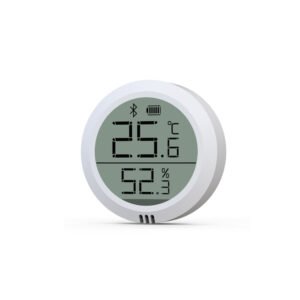
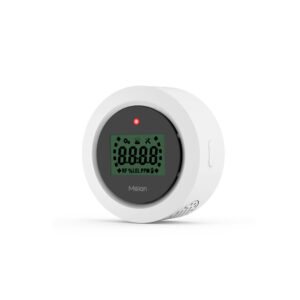
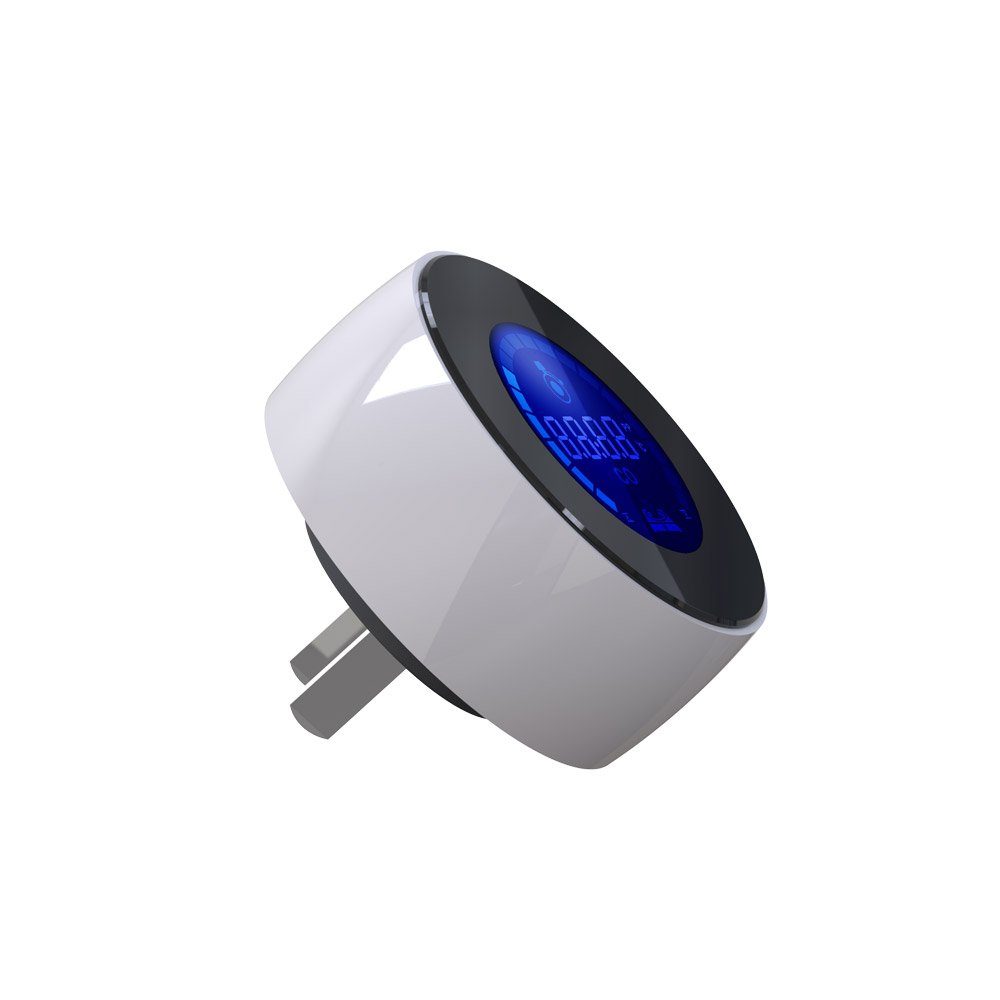
- Digital Display: Some advanced models come equipped with a digital display that shows the concentration of CO detected, allowing for more precise monitoring.
- Test/Silence Button: This feature allows users to test the functionality of the sensor regularly and to silence the alarm temporarily if non-emergency triggers are known.
- End-of-Life Warning: To maintain effectiveness, CO sensors should be replaced according to the manufacturer’s guidelines, usually every 5-7 years. Many units will emit a signal to indicate when replacement is necessary.
Installation and Maintenance Tips:
- Placement: Install CO sensors near sleeping areas to ensure alarms can be heard if they go off during the night. Avoid placing sensors next to windows, doors, or ventilation areas where drafts might skew CO readings.
- Maintenance: Test CO sensors monthly and replace batteries at least once a year, or as per the manufacturer’s recommendations. Keep the sensor free from dust and debris which could affect its sensitivity.
- Regulations and Standards: Ensure that your CO sensor meets safety standards such as UL 2034 in the United States or equivalent standards in other countries. These standards ensure device reliability and effectiveness in detecting carbon monoxide levels.
Why You Need a Carbon Monoxide Sensor:
Carbon monoxide poisoning incidents often occur without warning, and its symptoms like headache, dizziness, and nausea, can easily be mistaken for common illnesses. By installing CO sensors, you not only safeguard your physical health but also gain peace of mind knowing that you and your loved ones are protected against potential CO exposure.
In conclusion, carbon monoxide sensors are an indispensable safety device in protecting against the dangers of carbon monoxide exposure. Regular maintenance and adherence to installation guidelines enhance their effectiveness, making them a crucial addition to any residential or commercial safety plan.