Description
Types of Sphygmomanometers:
- Mercury Sphygmomanometer: This traditional type uses a column of mercury in a tube to measure blood pressure. It is considered the gold standard for accuracy but is less commonly used now due to mercury’s toxicity and environmental concerns.
- Aneroid Sphygmomanometer: This type uses a mechanical dial and a needle to measure and display blood pressure. It does not contain mercury, making it safer and more environmentally friendly, but it requires regular calibration to maintain accuracy.
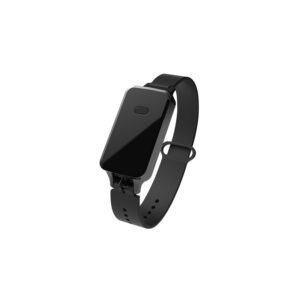
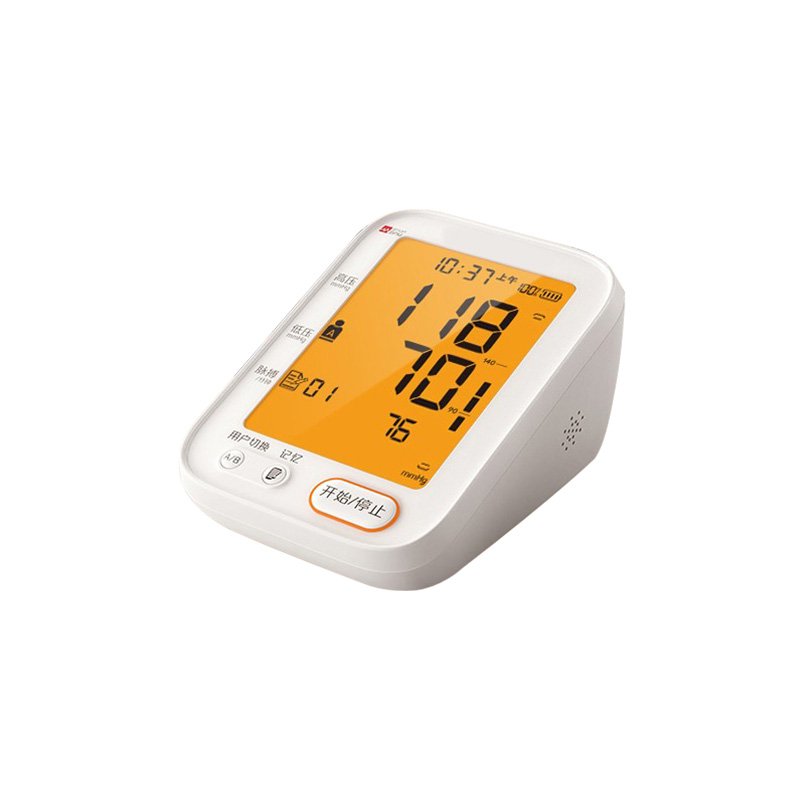
- Digital Sphygmomanometer: These are the most modern and user-friendly types. They use electronic sensors and digital displays to measure and show the blood pressure reading. Digital models often come with additional features like memory storage, average calculation, and even connectivity to smartphones for data tracking.
Components of a Sphygmomanometer:
- Cuff: Wrapped around the upper arm (or sometimes the wrist or thigh), this inflatable cuff constricts the artery temporarily.
- Pressure Measuring Device: Depending on the type, this could be a mercury column, an aneroid gauge, or a digital display.
- Bulb with Valve: Used in manual types (mercury and aneroid) to inflate the cuff.
How to Use a Sphygmomanometer:
- Positioning: The individual should sit comfortably with the arm supported at heart level. The cuff is wrapped snugly around the upper arm.
- Inflation and Deflation: In manual devices, the cuff is inflated by squeezing the bulb until it is slightly above the expected systolic pressure. In digital devices, the cuff inflates automatically.
- Reading Measurement:
- In manual devices, as the cuff deflates, the healthcare provider listens with a stethoscope placed over the artery just below the cuff for specific sounds known as Korotkoff sounds. The first appearance and disappearance of these sounds correspond to the systolic and diastolic pressures, respectively.
- Digital devices display the systolic and diastolic pressures directly.
Uses of Sphygmomanometers:
- Diagnosis and Monitoring: Regular monitoring of blood pressure can help diagnose hypertension, assess risk for cardiovascular diseases, and monitor the efficacy of treatments.
- Home Monitoring: Home blood pressure monitoring can help manage chronic conditions and provide useful information for healthcare providers.
Considerations When Choosing a Sphygmomanometer:
- Accuracy: Accuracy is paramount in a sphygmomanometer. Regular calibration (especially for aneroid types) is essential.
- Ease of Use: Digital models are generally easier to use, especially for non-professionals.
- Cuff Size: It’s important to use the correct cuff size for accuracy. The cuff should fit snugly around the arm without being too tight.
- Features: Consider additional features in digital models like memory, readability of the display, and connectivity options.
In conclusion, sphygmomanometers are vital tools in both clinical settings and at home for monitoring and managing heart health. Choosing the right type and model depends on individual needs, preference for manual versus automatic operation, and specific health requirements.