
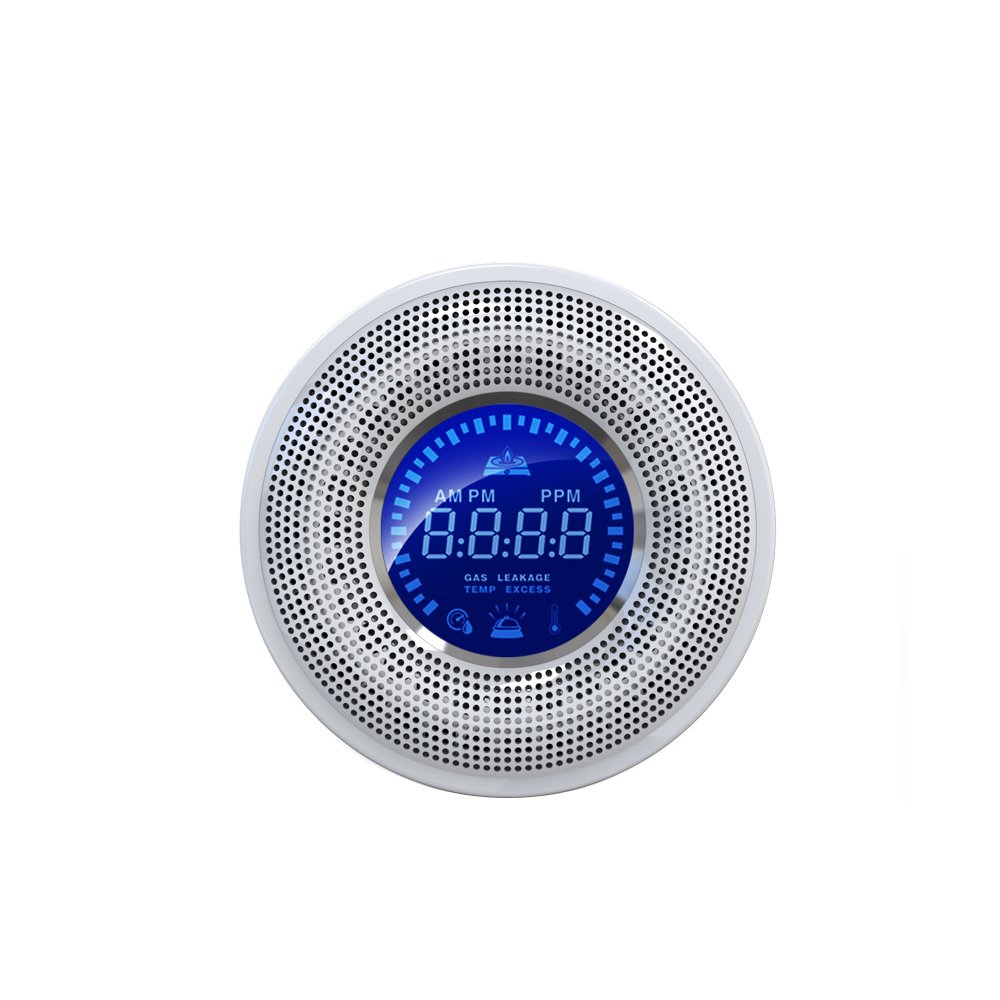
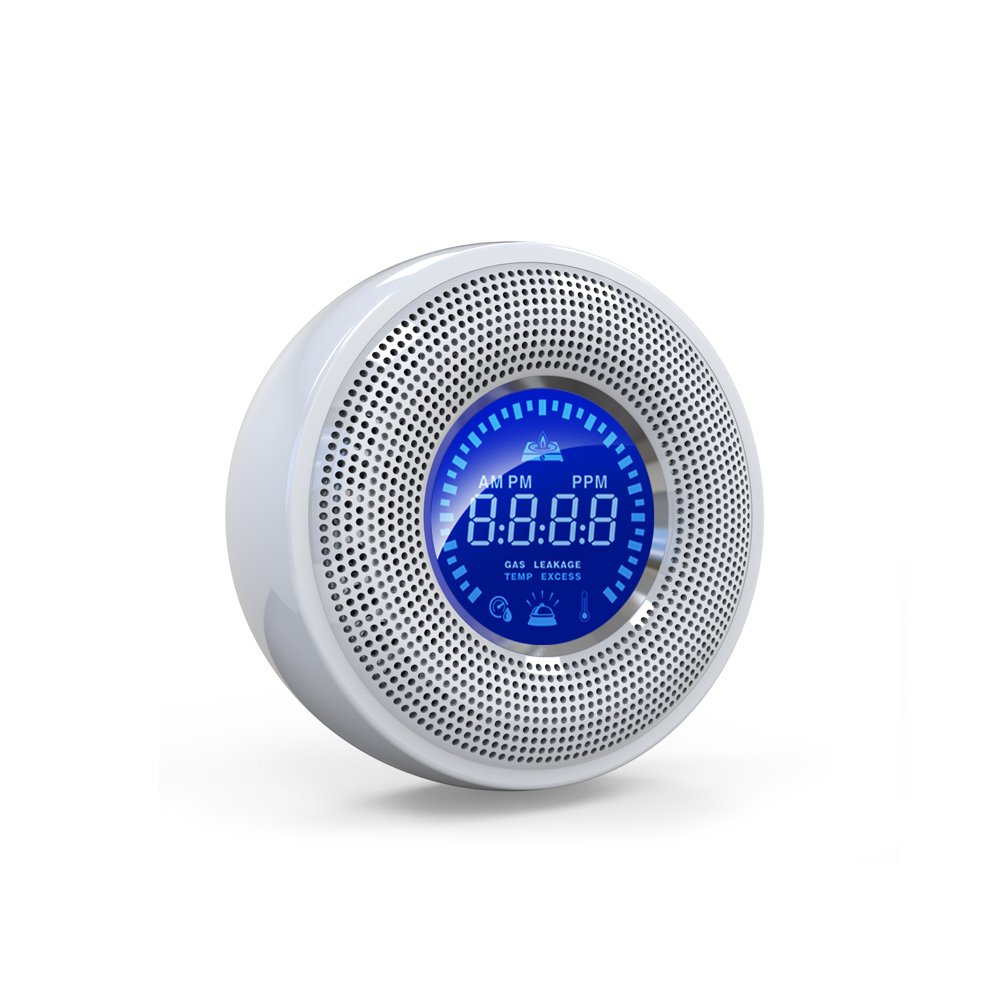
Description
Key Features of the Wireless Gas Detector:
1. Broad Spectrum Gas Detection: Capable of detecting various gases including but not limited to natural gas, propane, methane, carbon monoxide, and potentially hazardous industrial chemicals.
2. Wireless Functionality: Offers hassle-free installation without the need for complex wiring. This feature allows for flexible placement and easy integration into your existing security or home automation systems.
3. Real-Time Alerts: Sends instant alerts to your smartphone or integrated system when a gas leak or hazardous level of gas is detected, allowing for immediate action, even when you’re away from the property.
4. High-Sensitivity Sensors: Equipped with advanced sensors that provide rapid response and high accuracy in detecting gas concentrations, ensuring reliable monitoring and safety.
5. Audible and Visual Alarms: Features loud alarms and flashing lights to alert occupants of potential gas leaks. The alarm sound typically exceeds 85 decibels to ensure it is heard throughout the property.
6. Battery-Powered Operation: Operates on batteries, which provides an added layer of security during power outages—a critical feature, particularly in emergency situations.
7. Easy-to-Read Indicators: Includes clear LED indicators for power, alarm status, and connectivity status, ensuring you’re always informed of the detector’s operation.
Technical Specifications:
- Detection Gases: Configurable for various gases (e.g., methane, propane, CO)
- Sensitivity: High sensitivity to low gas concentrations
- Wireless Connectivity: Wi-Fi or Zigbee options available
- Alarm Volume: >85 dB at 1 meter
- Battery Life: Up to 2 years (varies by model)
- Operating Conditions: Temperature -10 °C to +50 °C; Humidity 20% to 95% RH, non-condensing
- Certifications: Compliant with relevant industry standards (e.g., UL, CE)
Installation and Maintenance:
Installation:
- Placement: Install detectors in areas where gas leaks are likely, such as near gas appliances, in basements, or in industrial areas.
- Height: Specific gases have different densities; install the detector at the appropriate height (near the ceiling for lighter gases and closer to the floor for heavier gases).
Maintenance:
- Testing: Regularly test the functionality of the detector using the built-in test button.
- Battery Replacement: Replace batteries as indicated by the device’s low battery warning.
- Cleaning: Keep the detector free from dust and debris which can affect sensor accuracy.


