Description

How Intelligent Door Magnetic Sensors Work
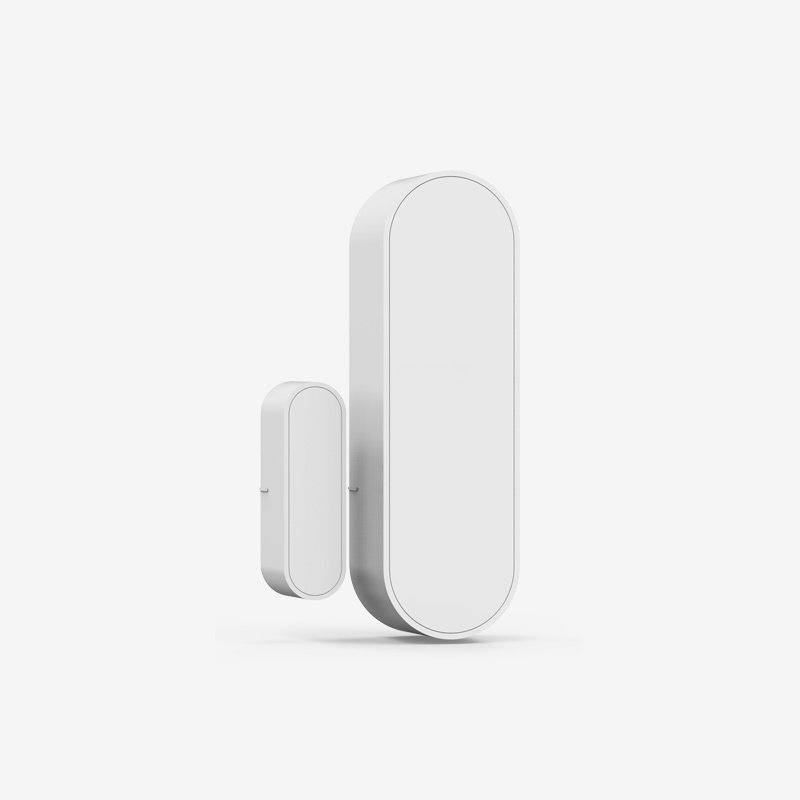
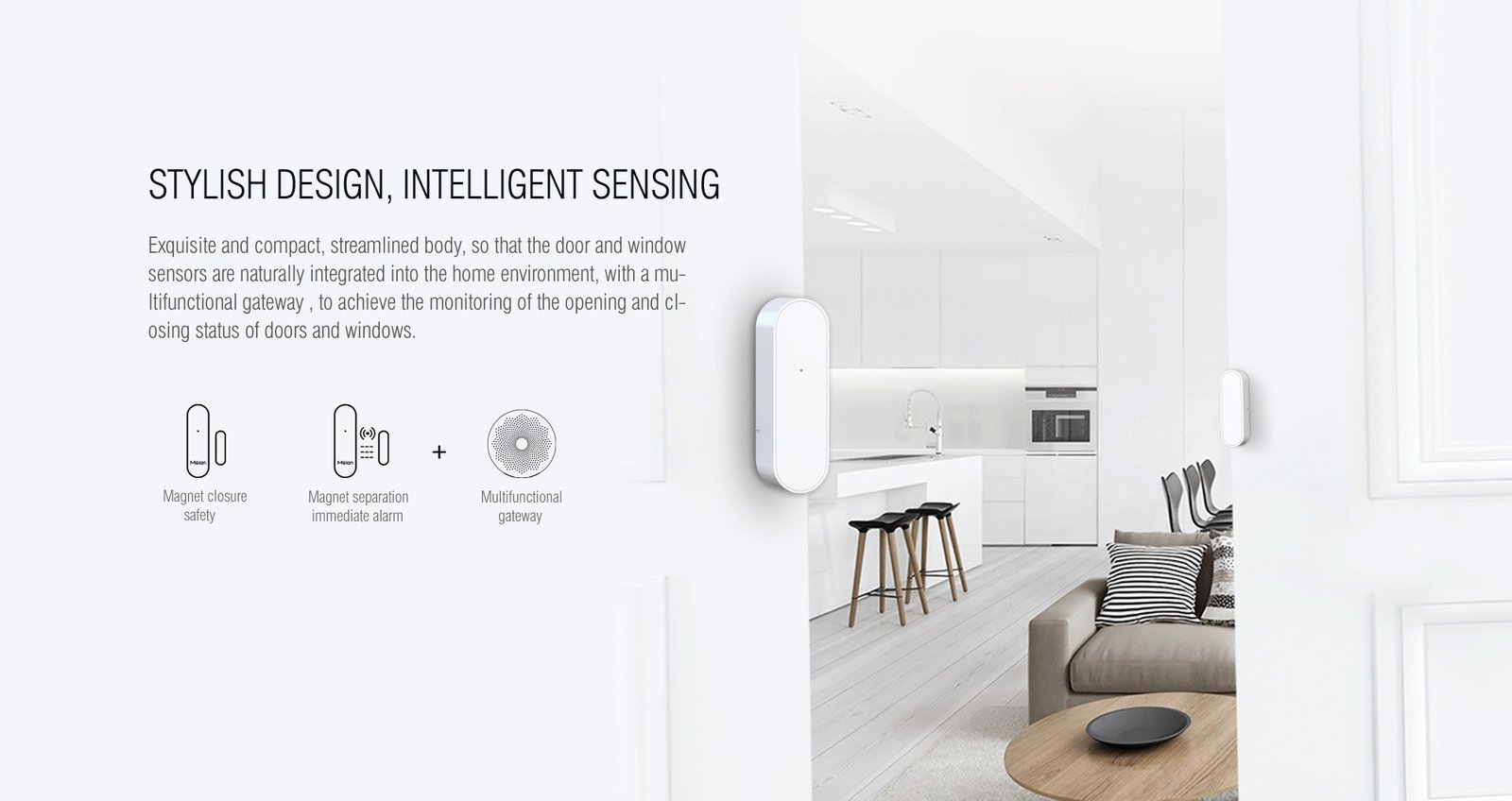
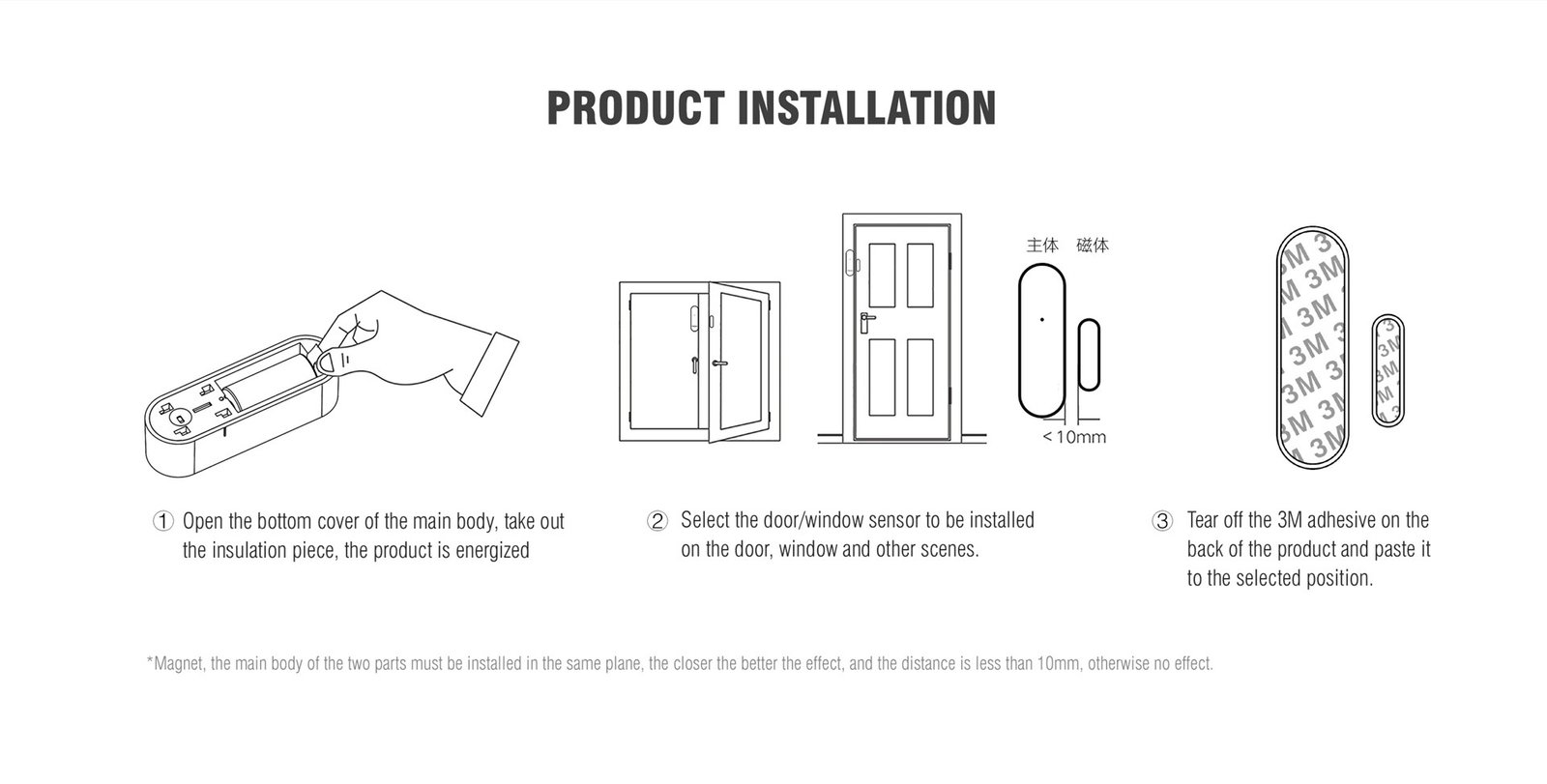
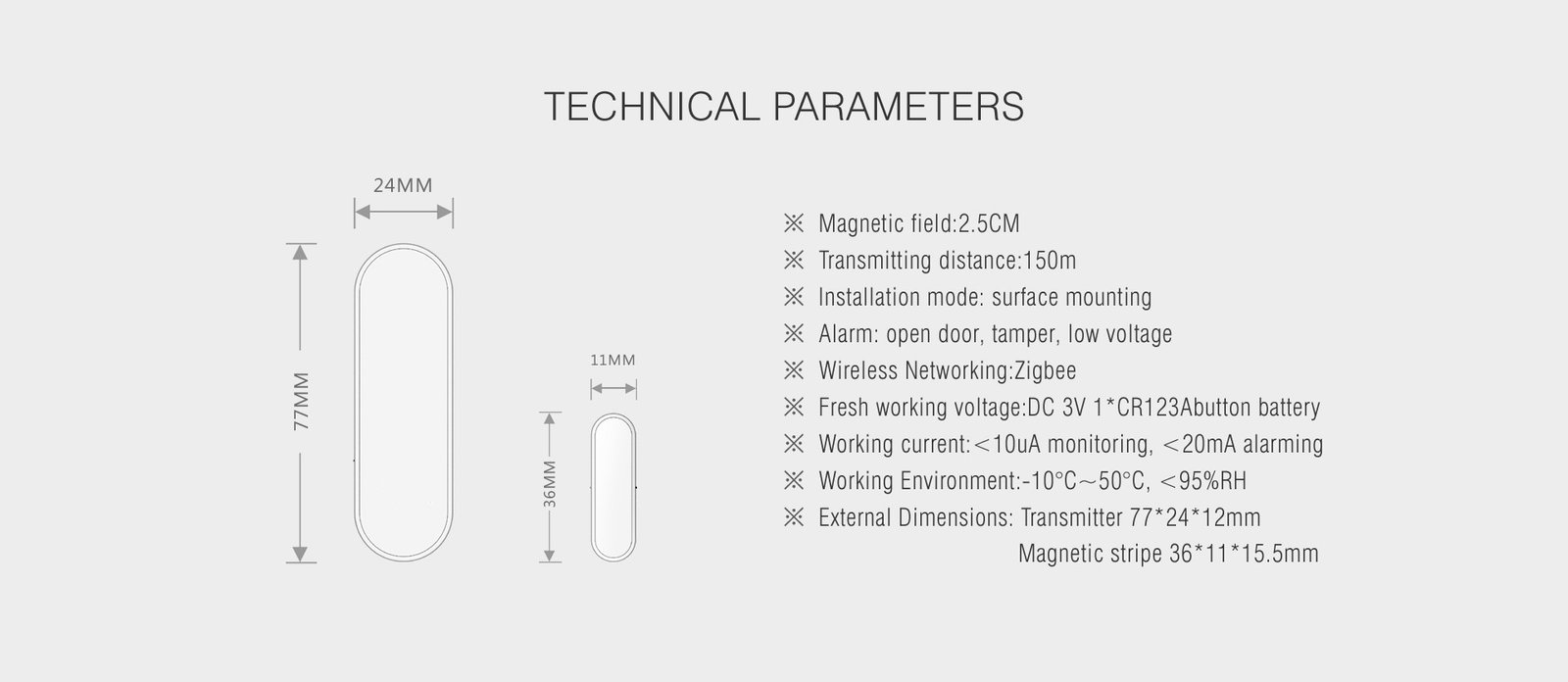
The basic mechanism of an intelligent door magnetic sensor includes two parts:
- Magnet: Attached to the moving part of the door or window.
- Sensor Unit: Mounted on the frame of the door or window. This unit contains a reed switch that is sensitive to the presence of the magnet.
When the door or window is closed, the magnet is close to the sensor, keeping the reed switch closed. Opening the door or window moves the magnet away, opening the switch and triggering an alert.
Key Features
- Wireless Communication: Modern sensors often incorporate wireless technologies such as Wi-Fi, Bluetooth, Zigbee, or Z-Wave, enabling them to communicate with central security systems, smartphones, or other smart devices without physical connections.
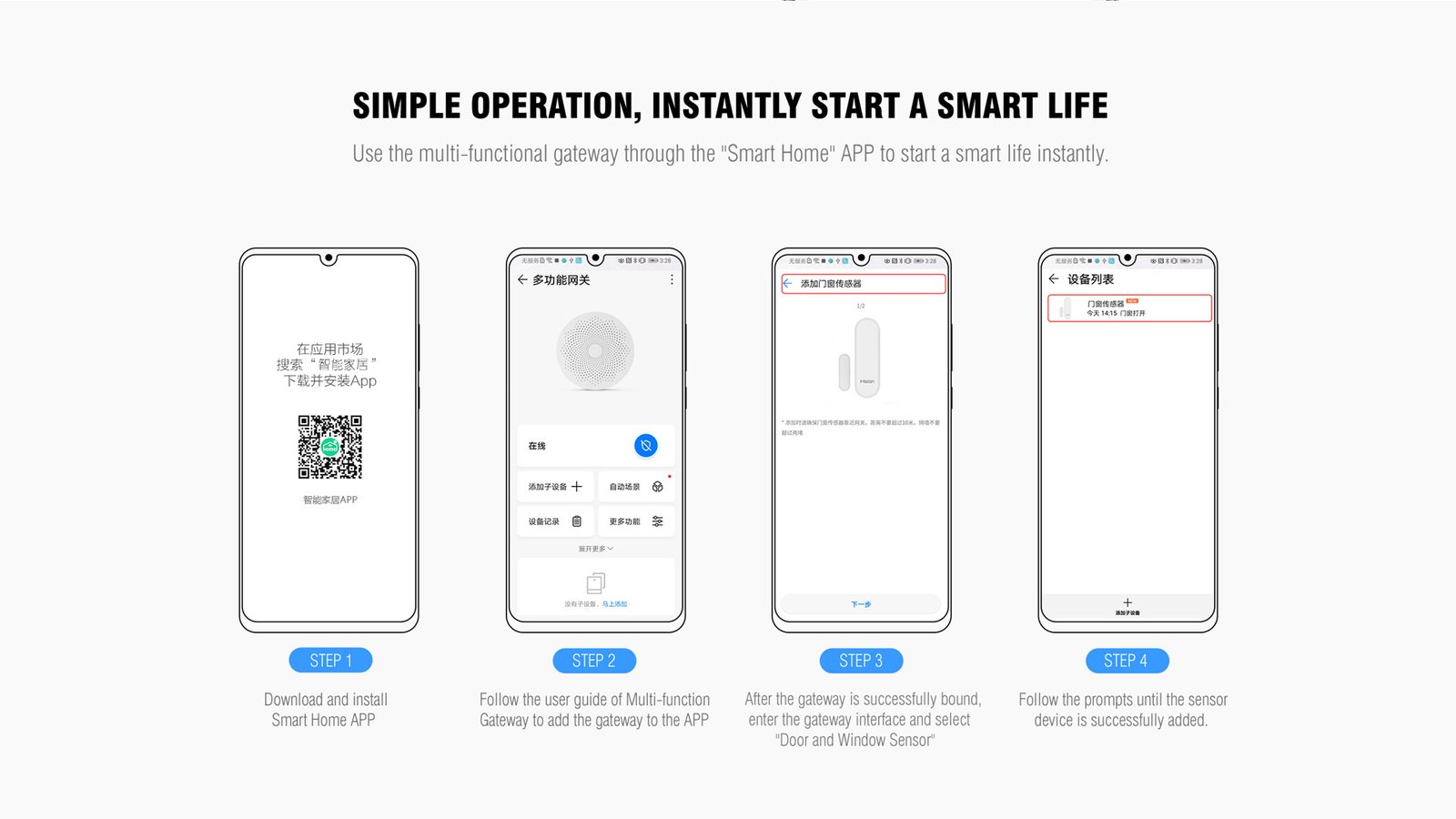
- App Integration and Notifications: Users can receive alerts directly on their smartphones or other devices. This feature is particularly useful for real-time security alerts and remote monitoring.
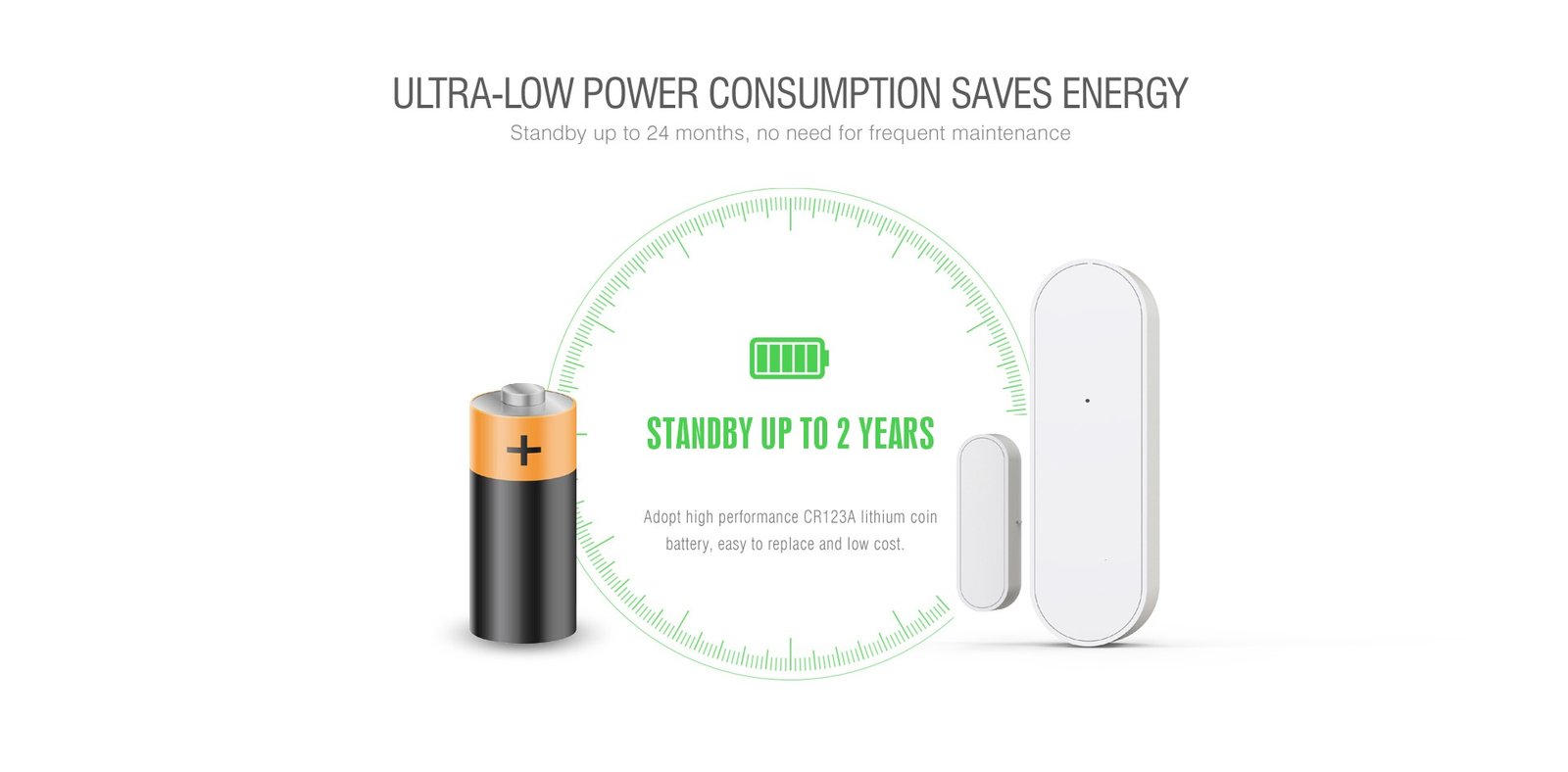
- Energy Efficiency: Many are designed to be low-power, which is crucial for devices that need to operate 24/7. They often use batteries that can last for years depending on usage patterns.
- Compatibility with Smart Home Devices: Integration with smart home platforms like Google Home, Amazon Alexa, or Apple HomeKit allows users to create automated routines. For example, lights can be set to turn on automatically when a door is opened late at night.
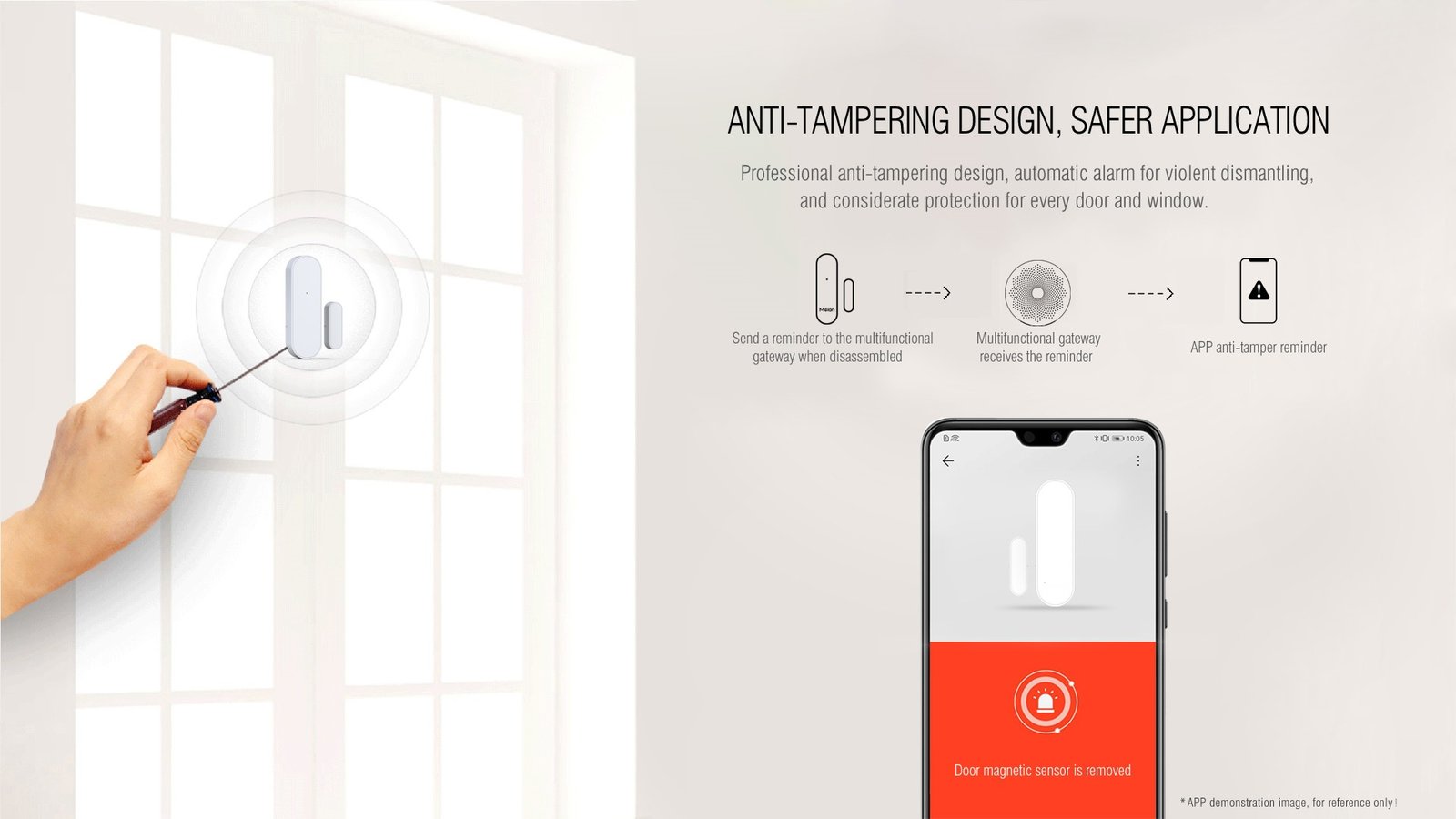
- Tamper Detection: Advanced models include tamper detection features that alert users if the sensor itself is being interfered with, adding an extra layer of security.
Applications
- Home Security: One of the most common applications, where they are used to detect unauthorized entry or to monitor access to certain areas within the home.
- Office and Retail Security: They help in securing commercial spaces by monitoring the opening and closing of entrances after business hours.
- Automated Routines: In smart homes, these sensors can trigger other devices. For example, opening a door can signal the home’s lighting system to activate.
- Safety Monitoring: Useful in environments where safety is critical, such as monitoring access to pools, medicine cabinets, or weapon storage areas to prevent accidents.
- Elderly Care: Can be used in assisted living situations to monitor the movement of seniors, helping ensure they do not wander into potentially dangerous areas.
Conclusion
Intelligent door magnetic sensors blend traditional security mechanisms with advanced technology, offering a versatile and reliable solution for enhancing the security and functionality of modern homes and businesses. Their ability to integrate into larger smart home and security ecosystems makes them invaluable tools in the digital age, ensuring safety and convenience in a variety of settings.