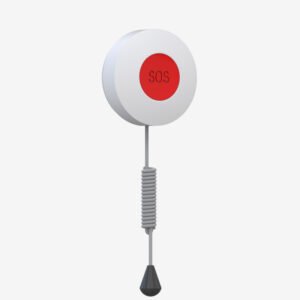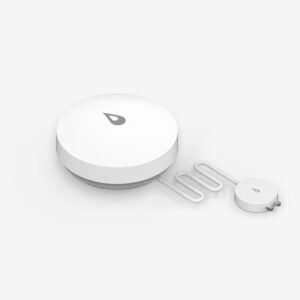
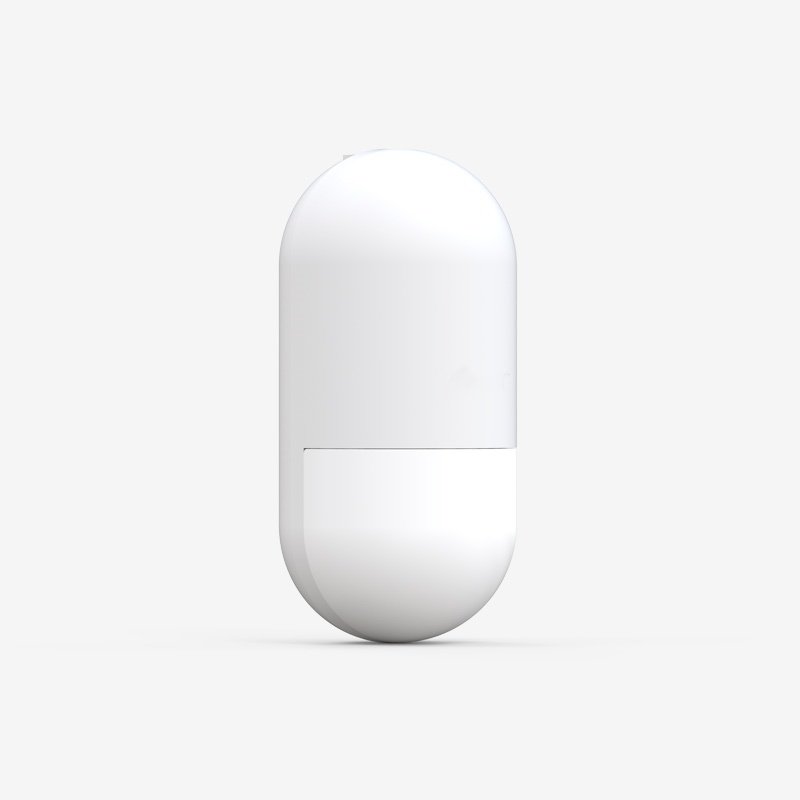
Description
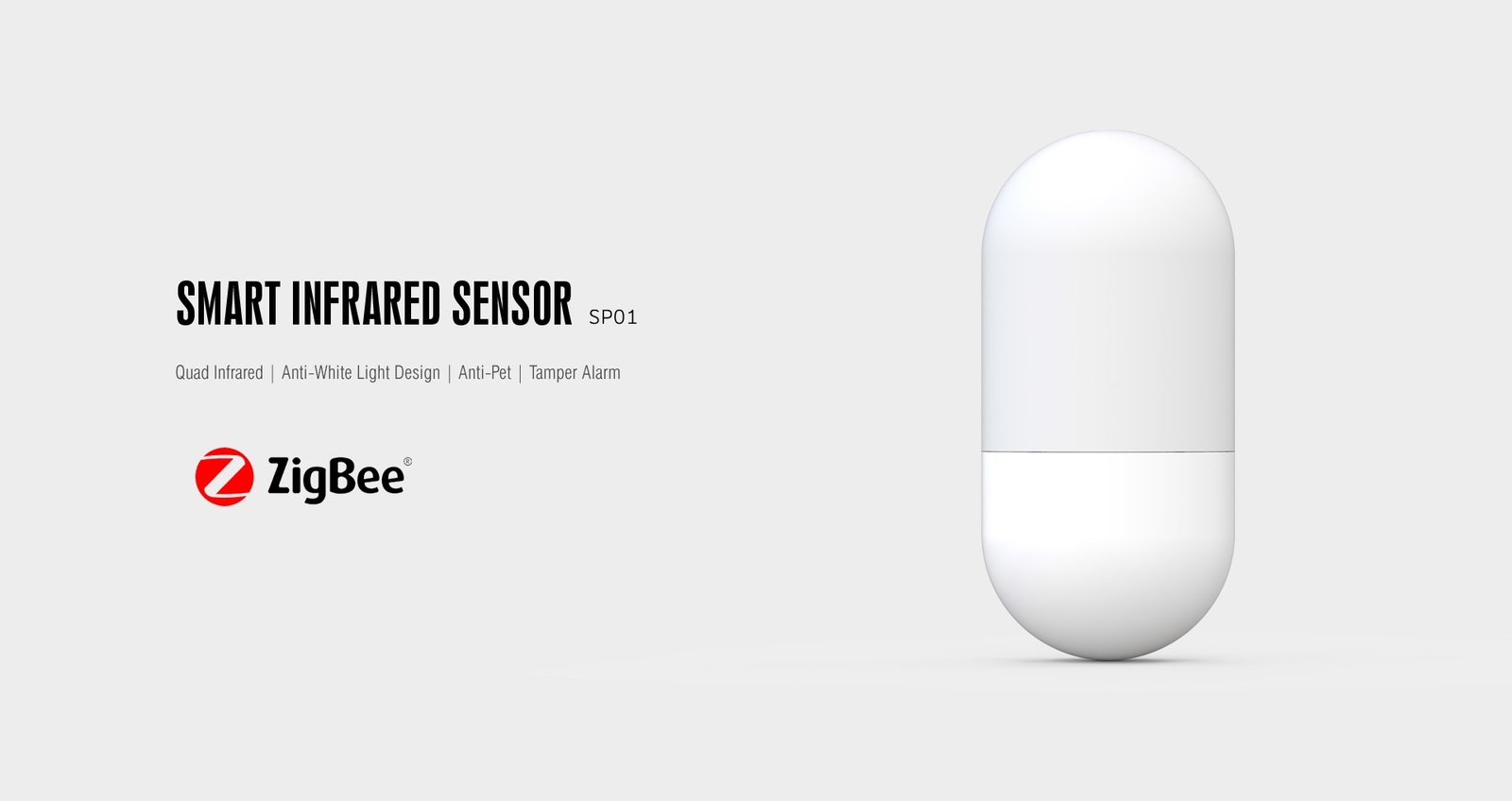
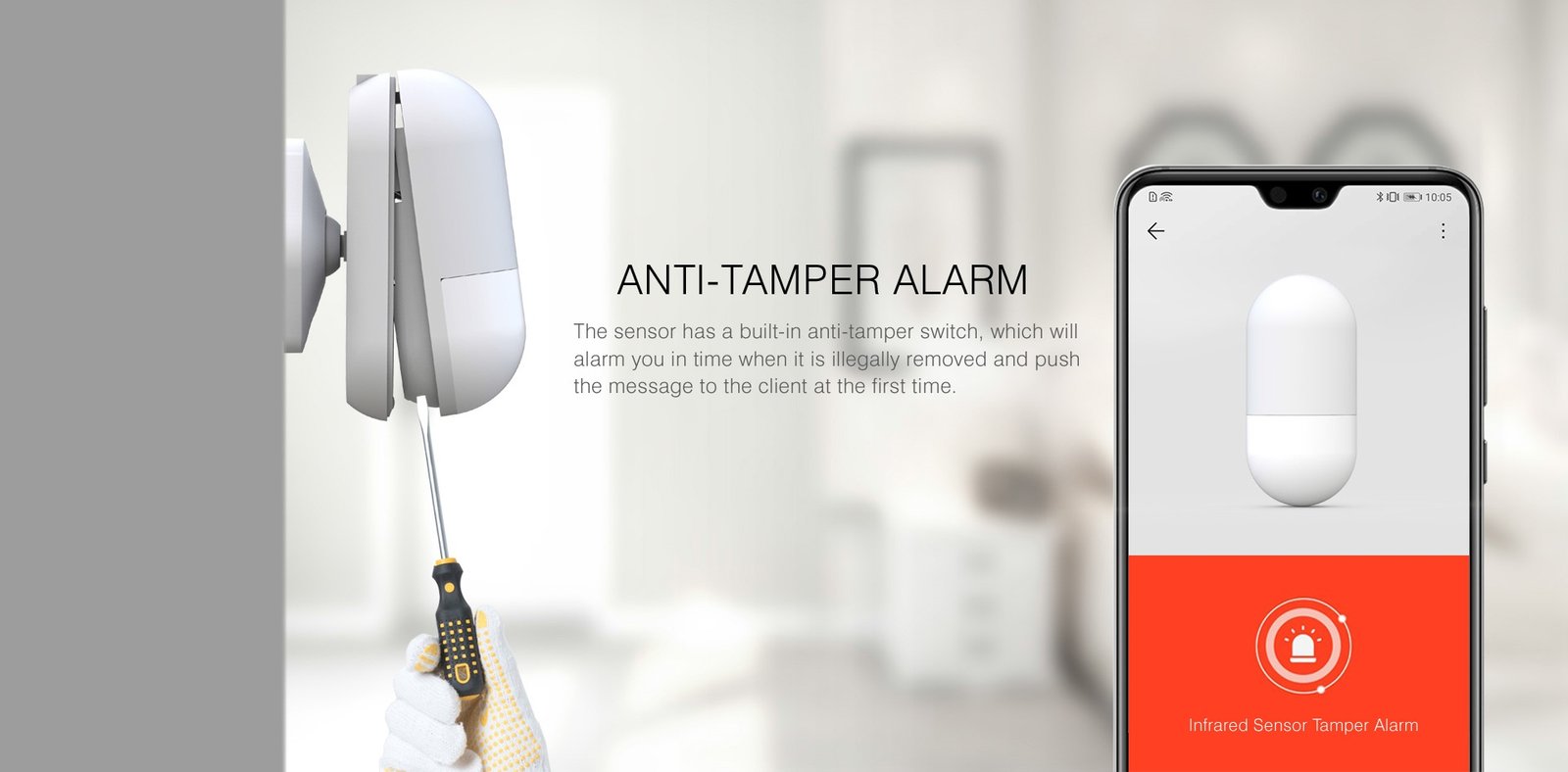
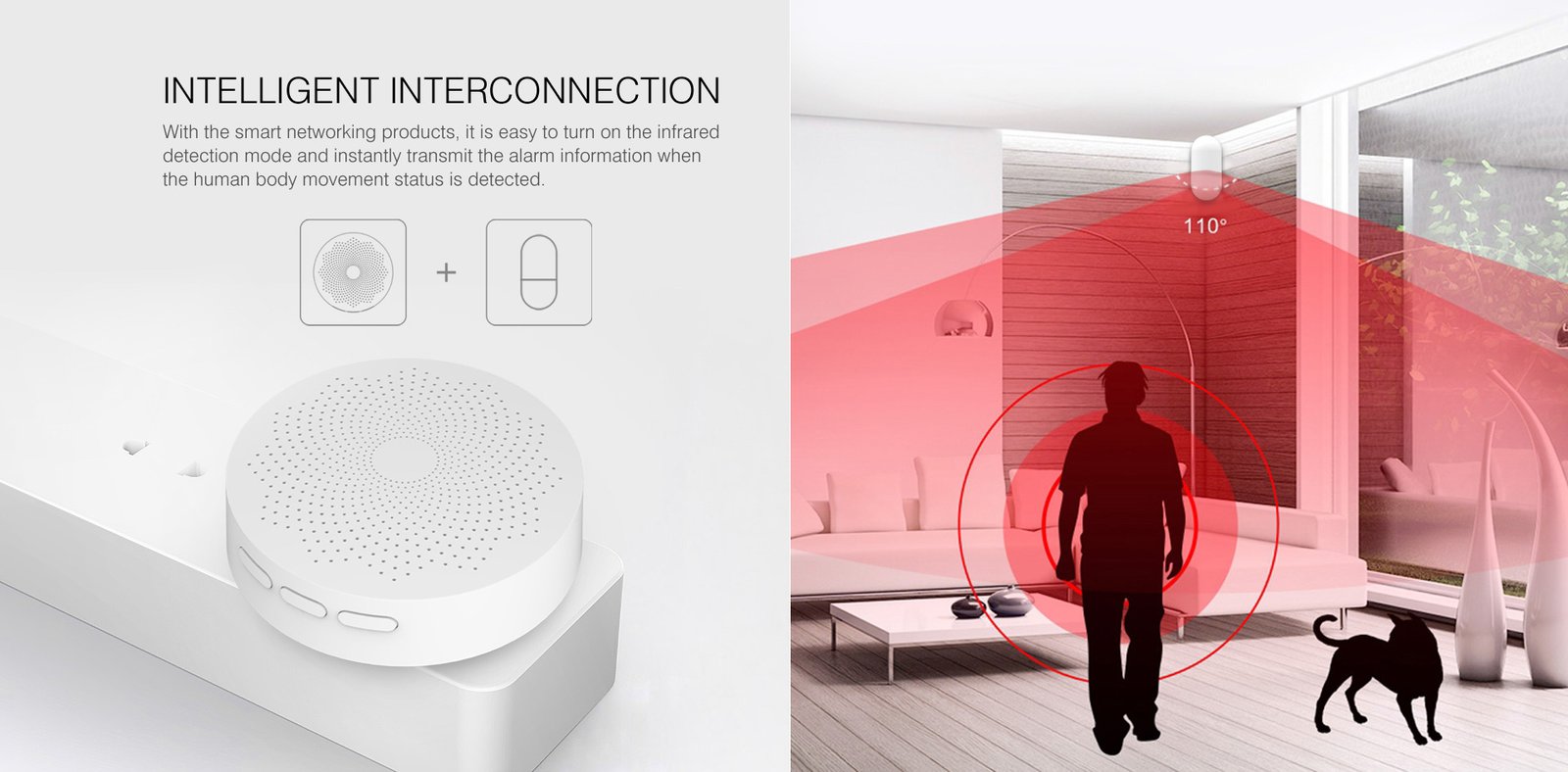
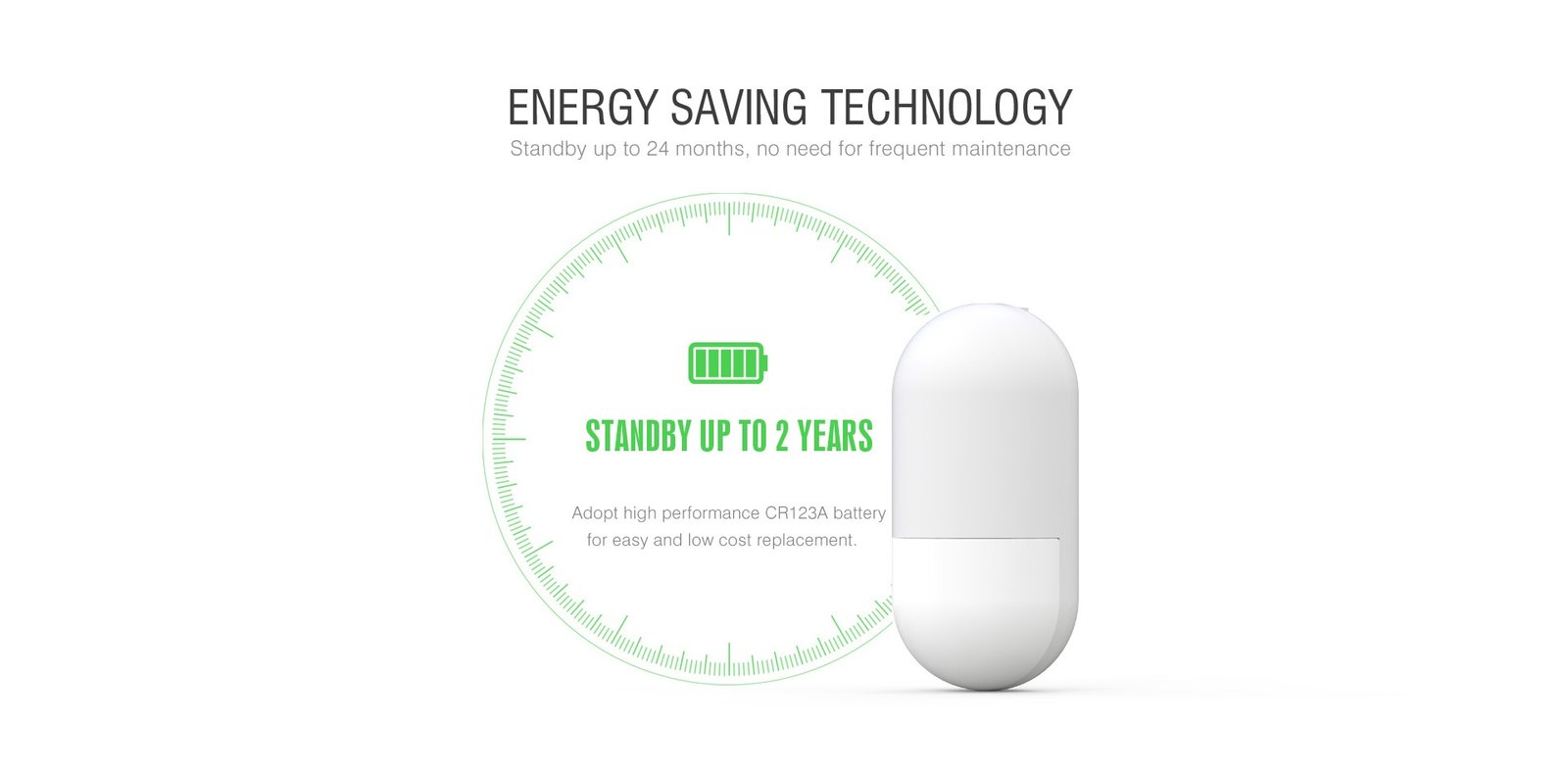
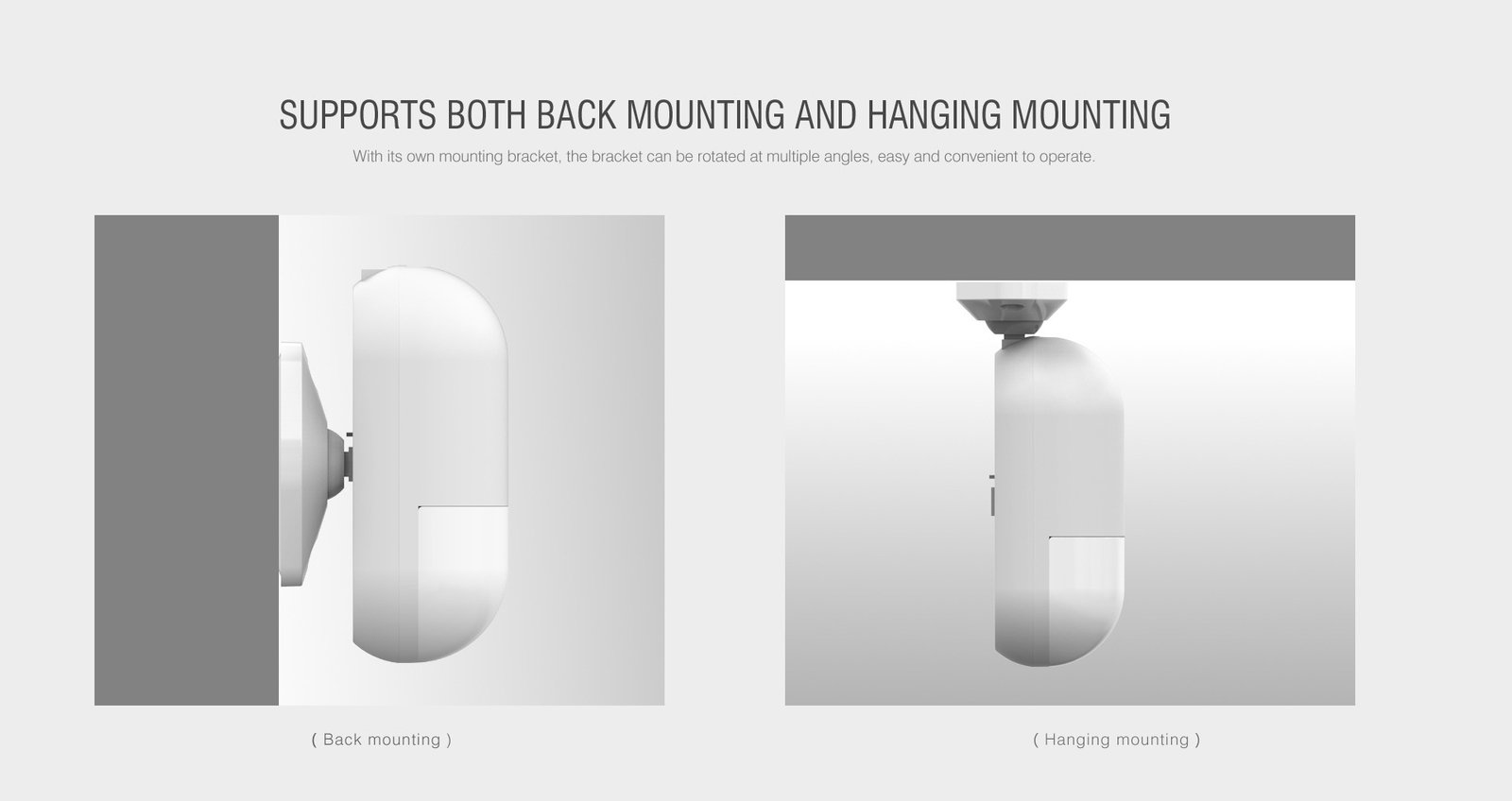
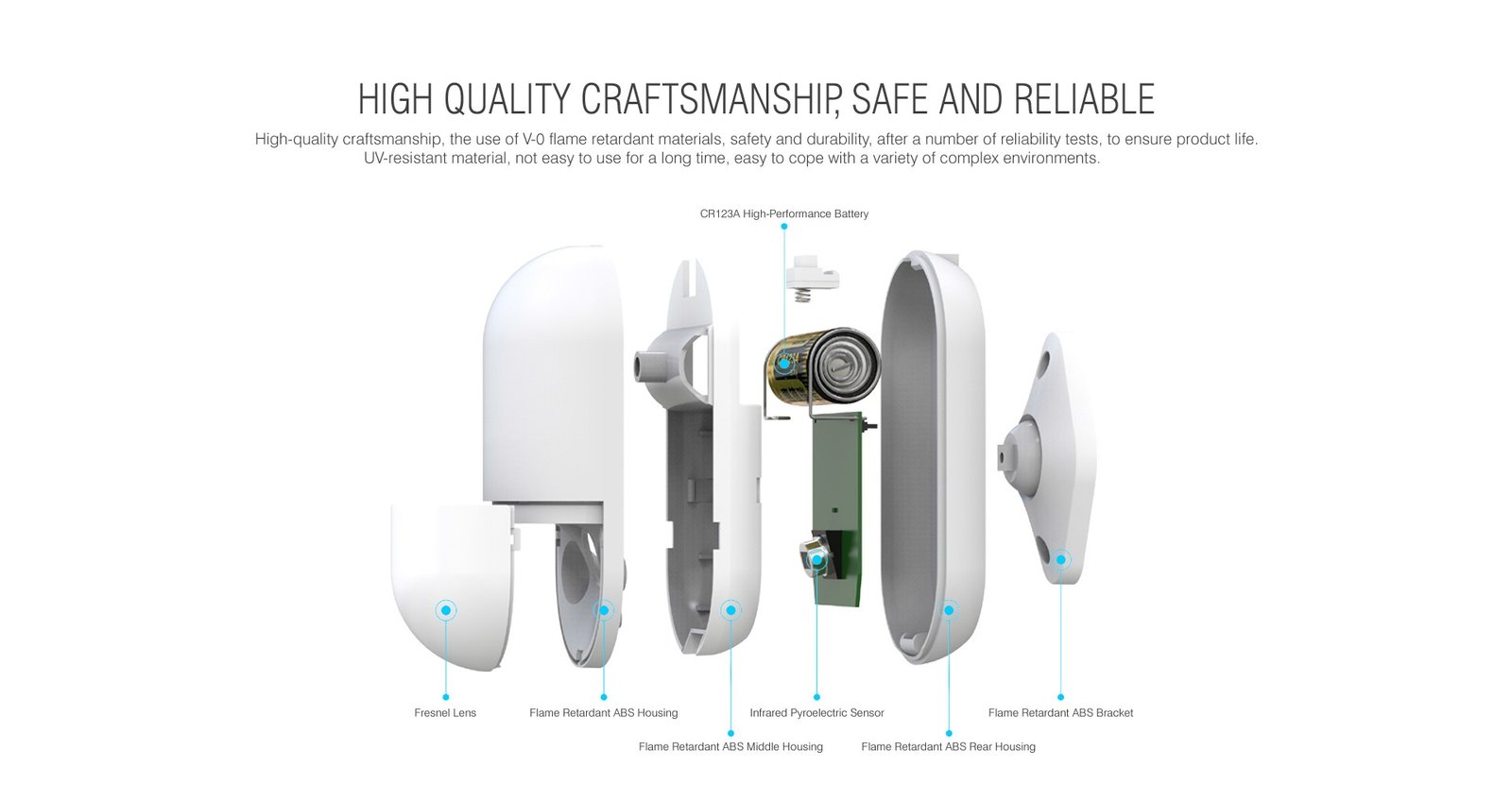
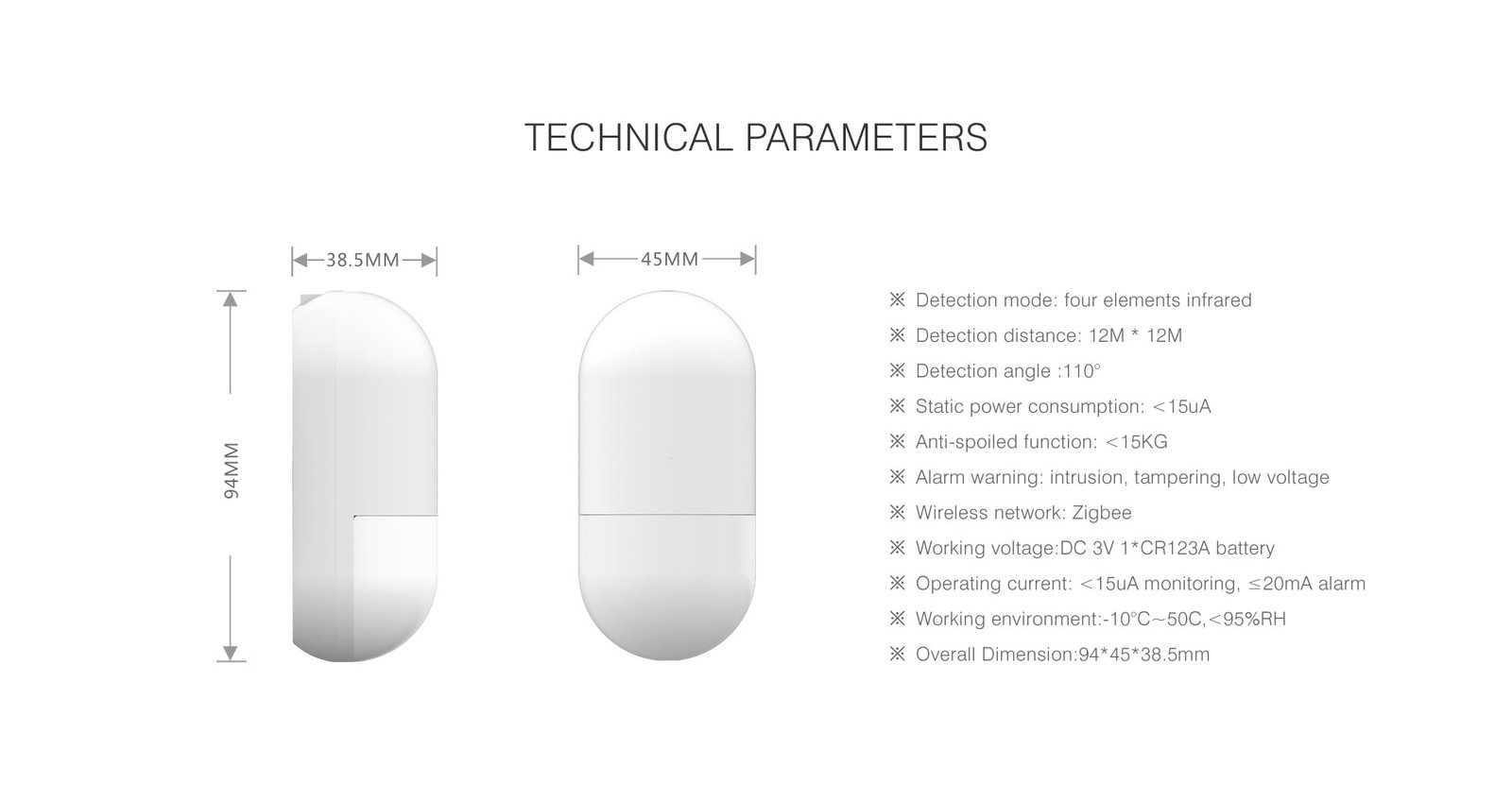
Key Features of Intelligent Infrared Sensors
- Non-contact Sensing: One of the primary advantages of infrared sensors is their ability to detect and measure objects without any physical contact. This feature is particularly useful in applications where hygiene or delicate handling is crucial, such as in medical equipment or high-precision manufacturing processes.
- Versatility: These sensors can be employed in a wide range of environments and for various functions including motion detection, thermal imaging, and obstacle detection among others. Their versatility makes them indispensable in sectors like automotive, aerospace, consumer electronics, and smart home technologies.
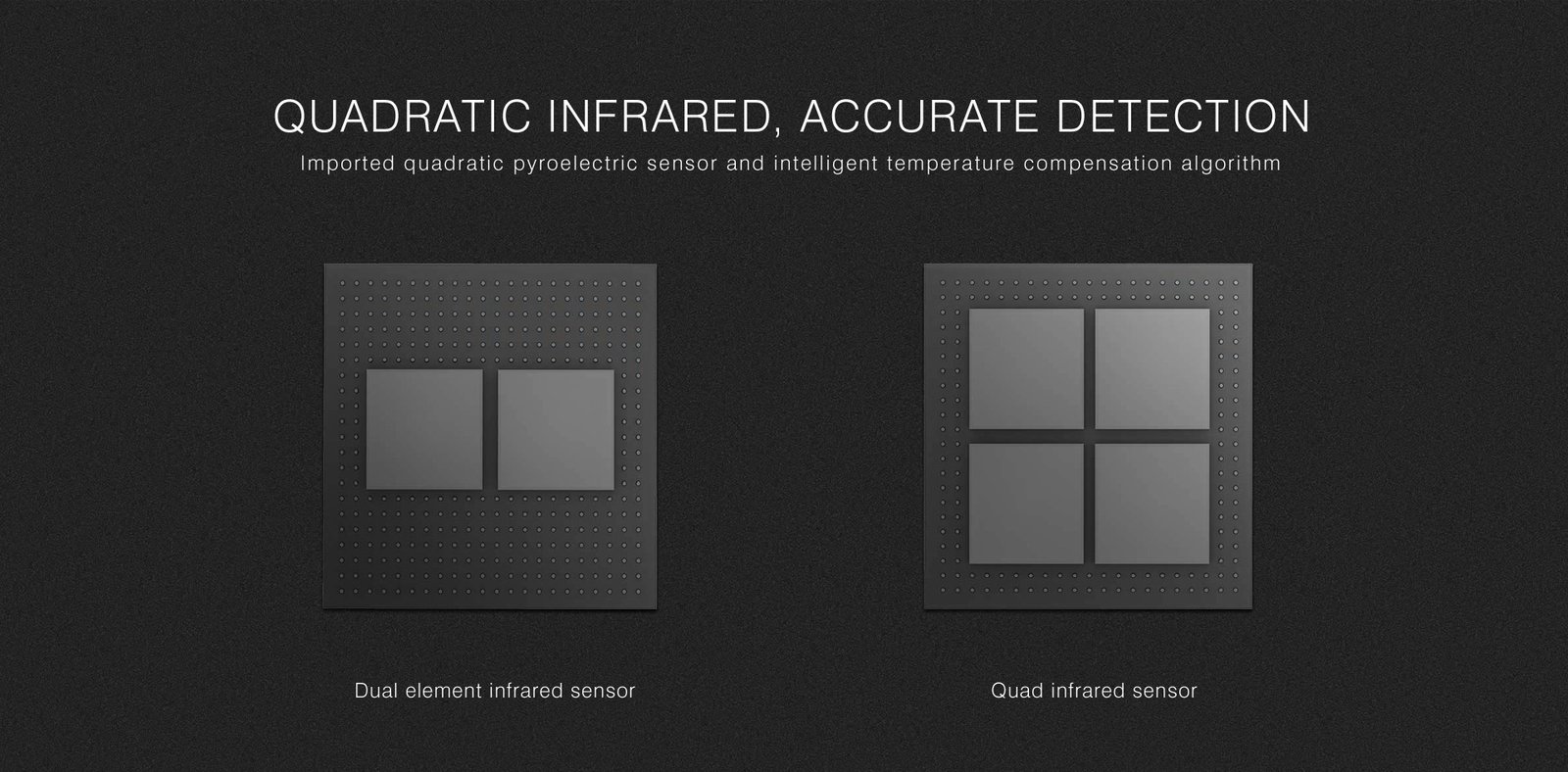
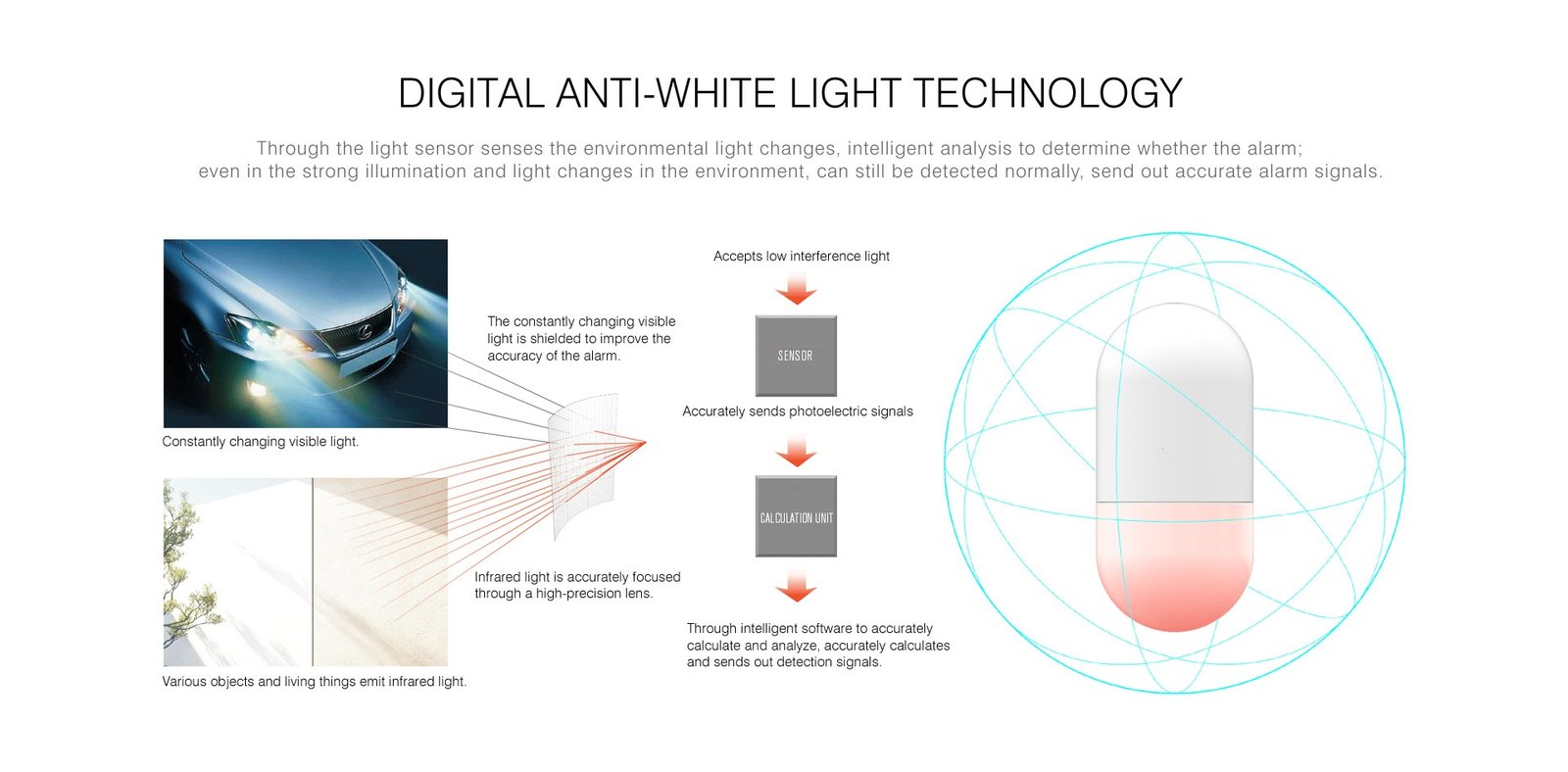
- Sensitivity and Range: Infrared sensors can detect minute differences in temperature, making them extremely sensitive and capable of identifying slight changes in the environment. The range of detection can vary depending on the design and intended use, from a few centimeters to several meters.
- Integration with IoT and AI: Modern infrared sensors are often integrated with IoT (Internet of Things) capabilities, allowing them to connect to a network and communicate data remotely. This data can be further analyzed using AI (Artificial Intelligence) to enhance decision-making processes, improve predictive maintenance, and increase overall system efficiency.
- Fast Response and High Reliability: These sensors generally provide quick responses to changes in their observation field. Moreover, they are less prone to wear and tear as they do not involve mechanical parts in the detection process, enhancing their longevity and reliability.
Applications
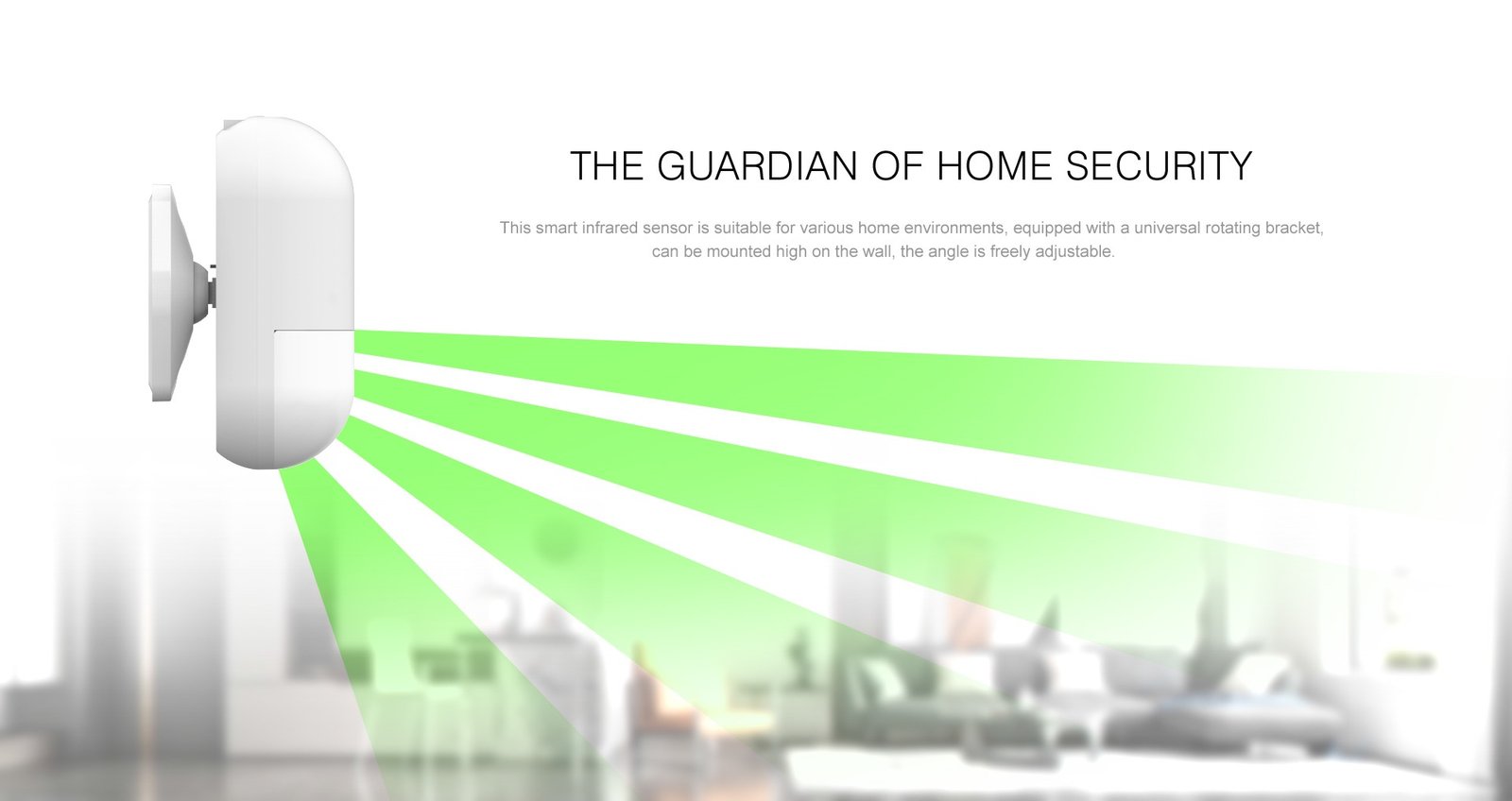
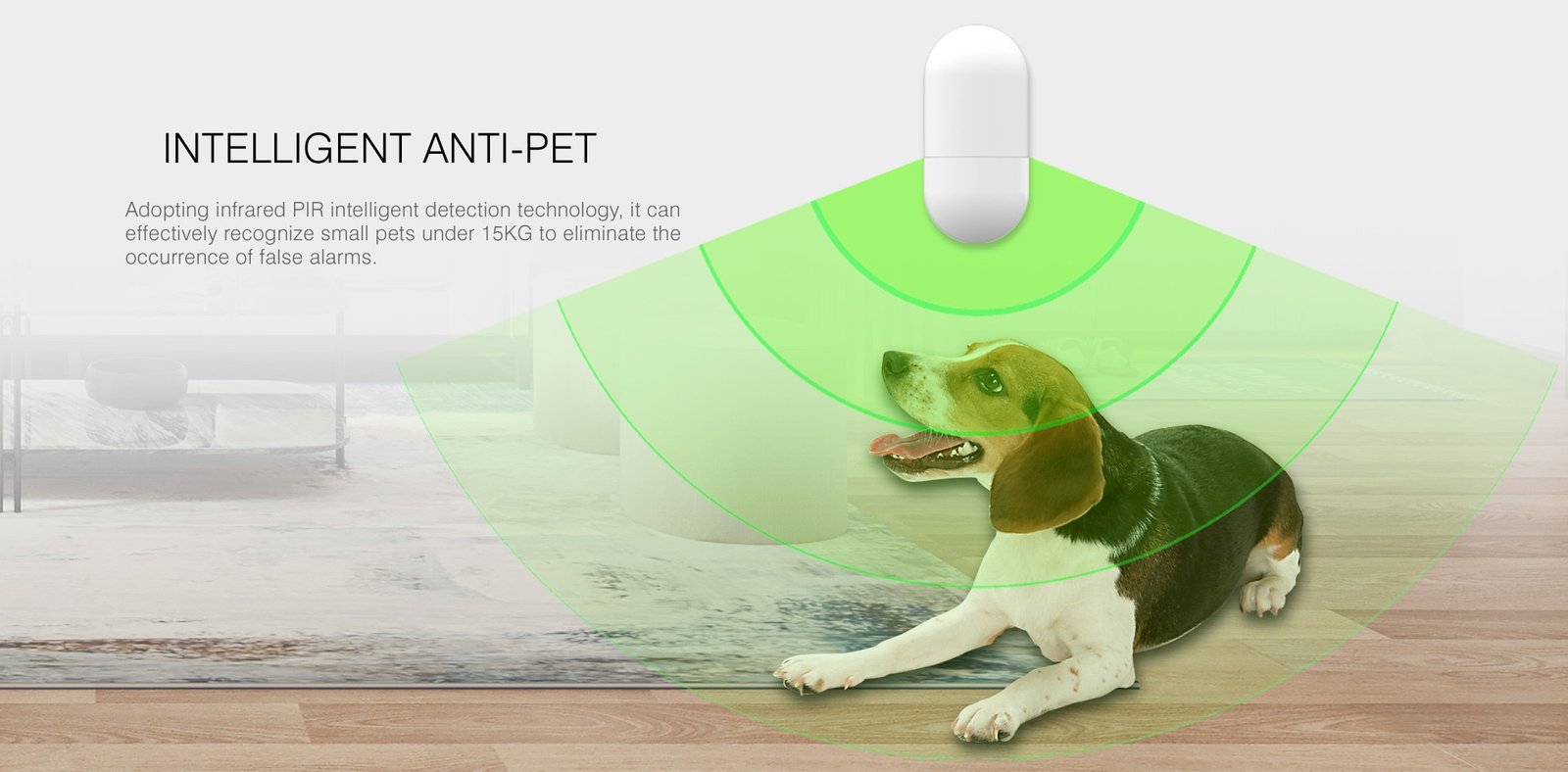
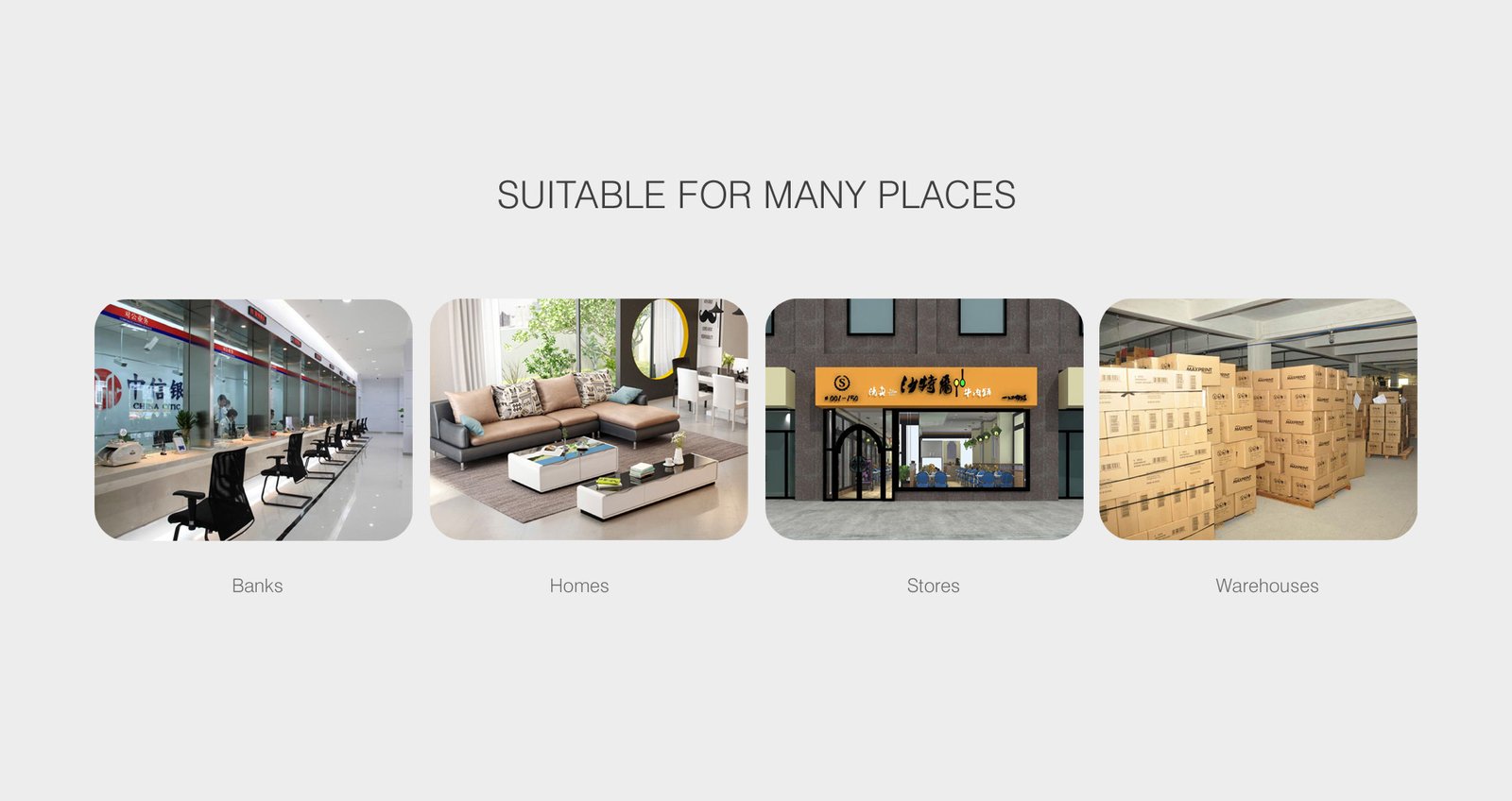
- Security Systems: Employed in intrusion detection systems to sense the presence of individuals without alerting them. They are also used in secure access systems to control entry.
- Healthcare: Used in clinical thermometers and other medical devices to measure body temperature. They are also used in patient monitoring systems to detect variations in physiological parameters.
- Home Automation: Integrated into smart homes for controlling heating, ventilation, and air conditioning systems (HVAC). They help in energy management by detecting human presence and adjusting the temperature accordingly.
- Industrial Automation: Utilized in manufacturing lines to monitor machine operations, detect overheating parts, or ensure that products are not defective.
- Automotive: Infrared sensors are crucial in driver-assistance systems for detecting pedestrians, animals, or obstacles, especially in low-light conditions.
Conclusion
Intelligent infrared sensors represent a sophisticated blend of technology that offers a broad spectrum of functionalities across various industries. Their ability to operate without direct contact, combined with their sensitivity to environmental changes, positions them as essential tools for modern technological applications, significantly enhancing efficiency, safety, and user experience.