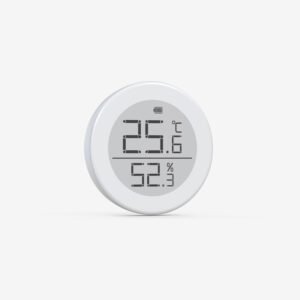
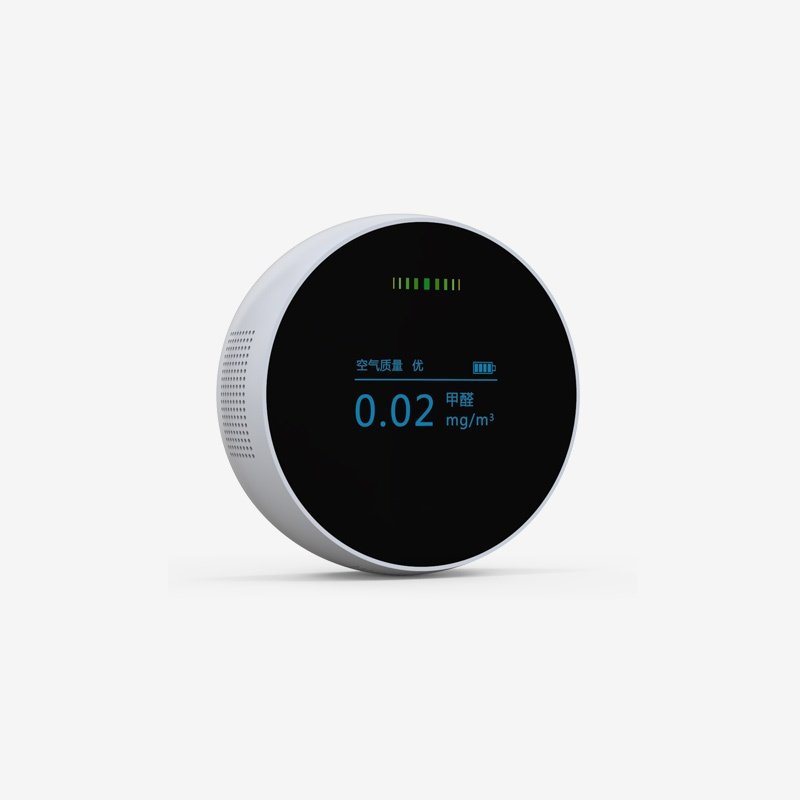
Description
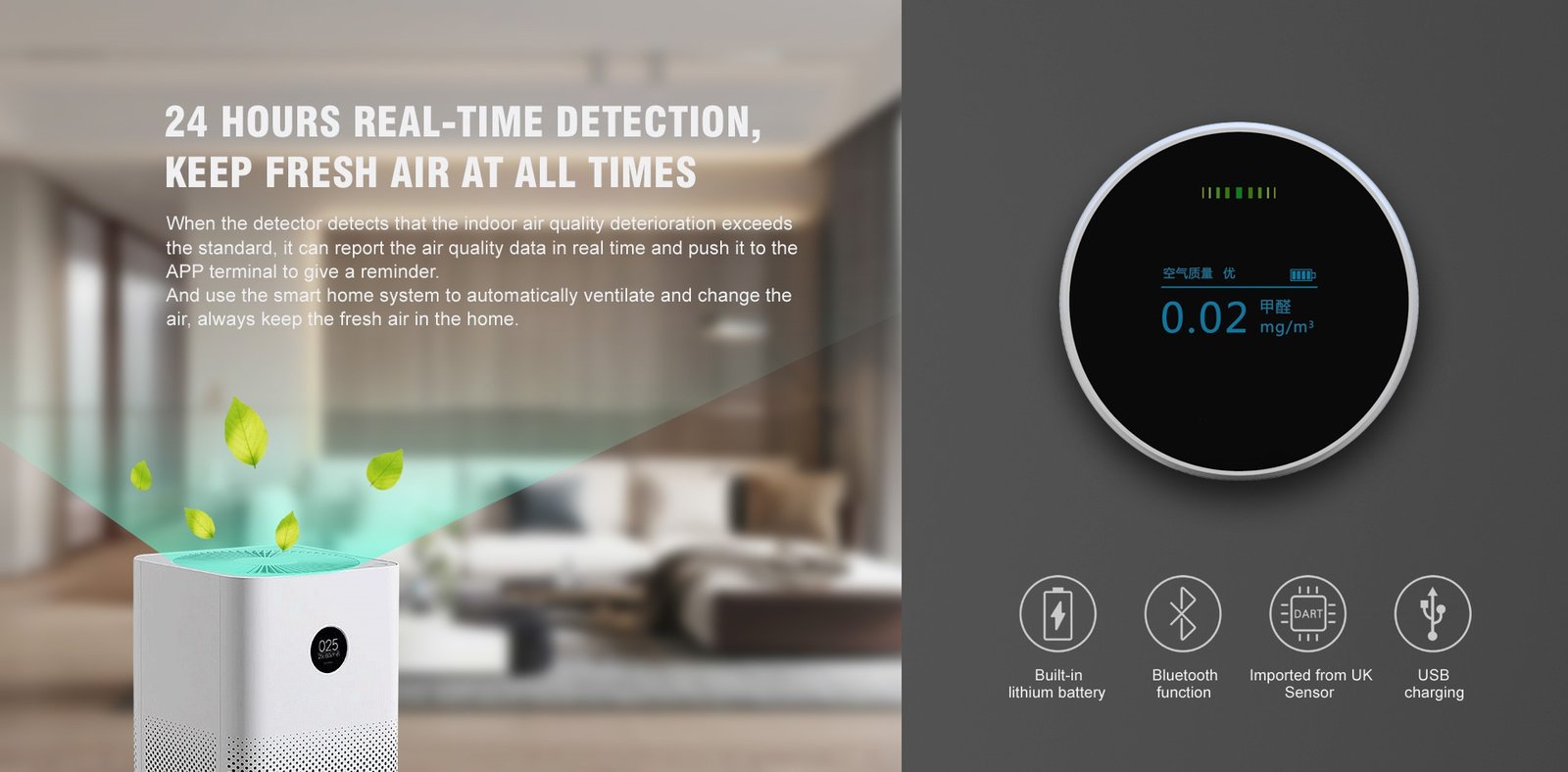
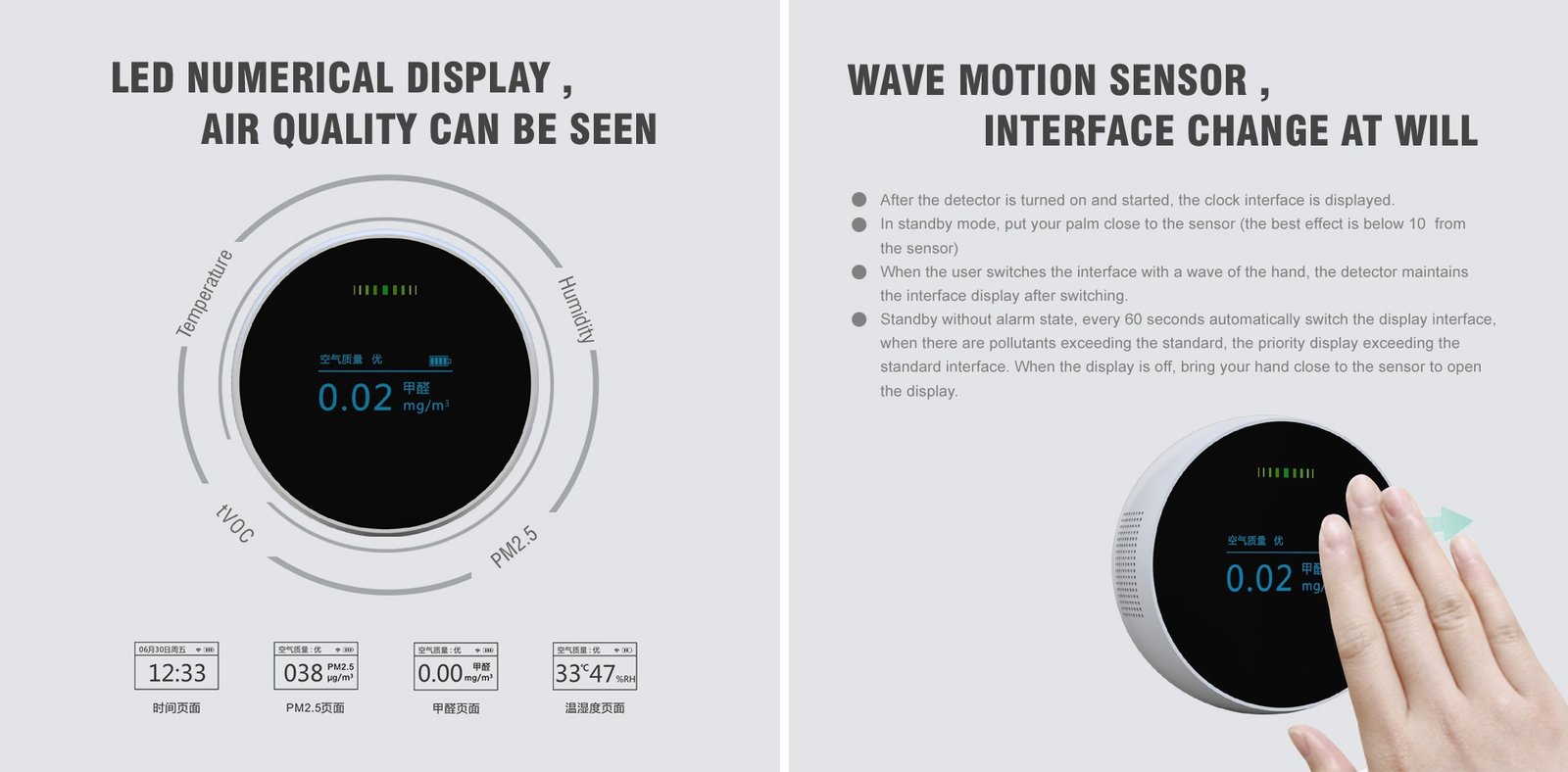
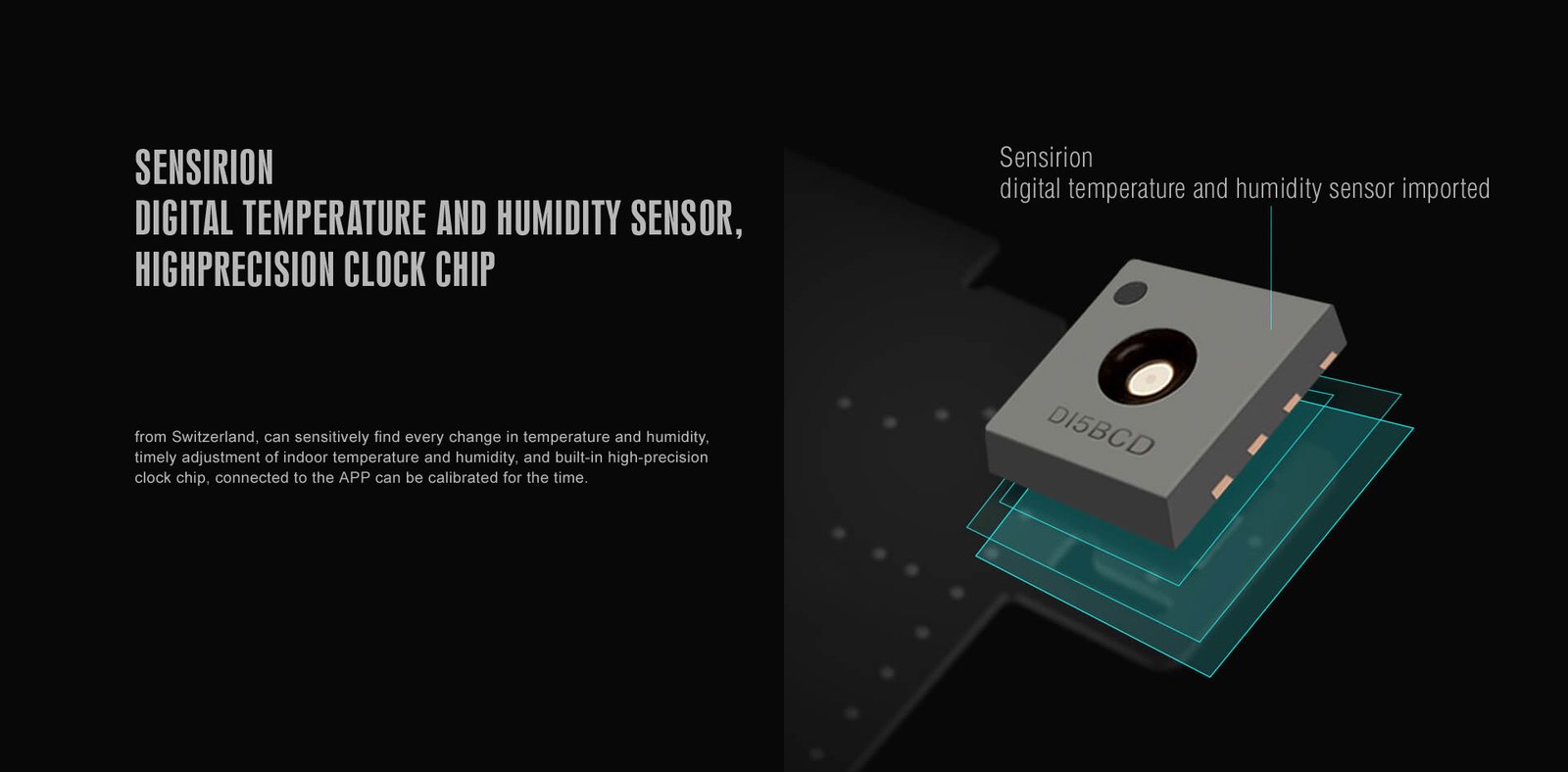
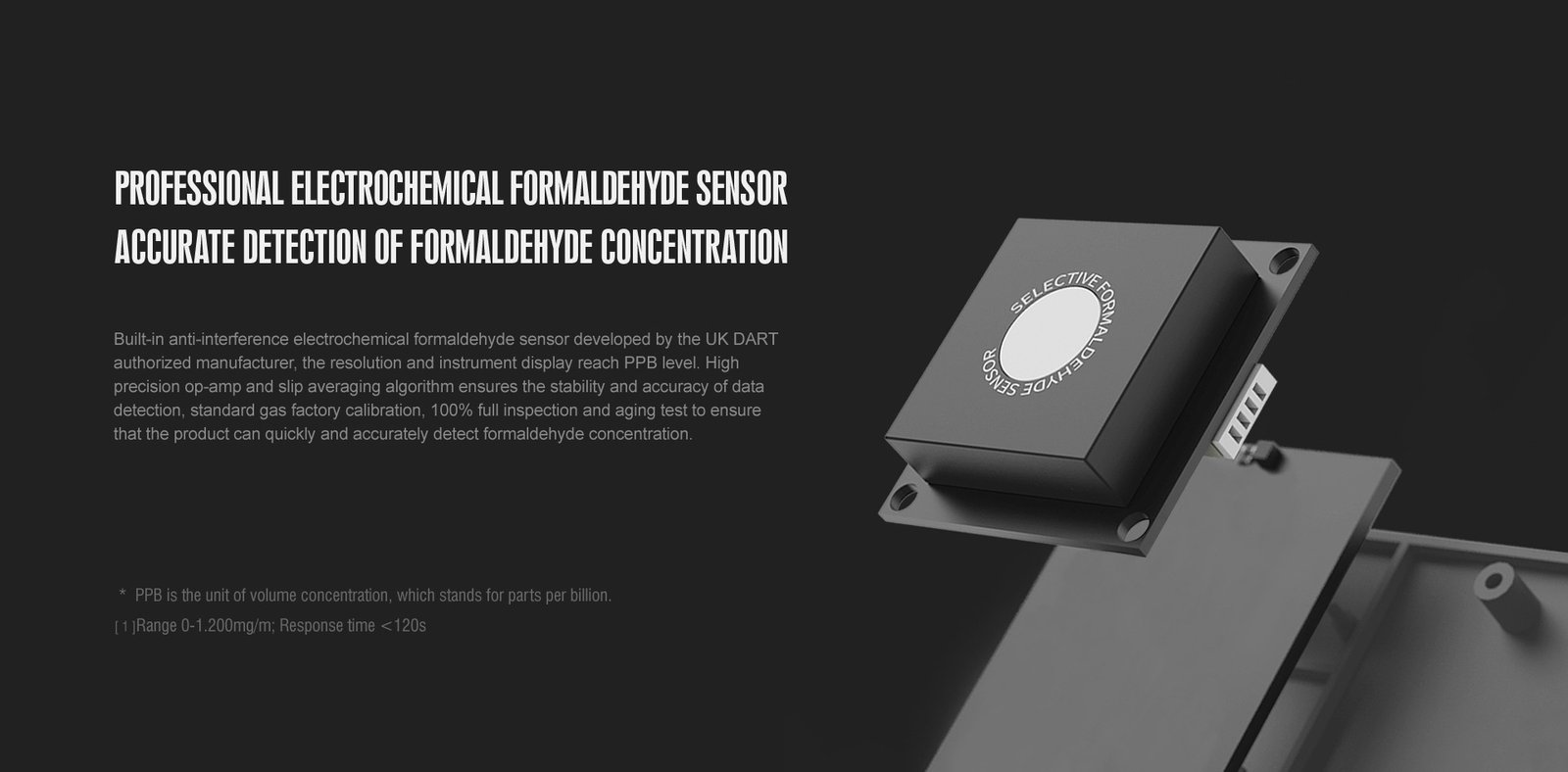
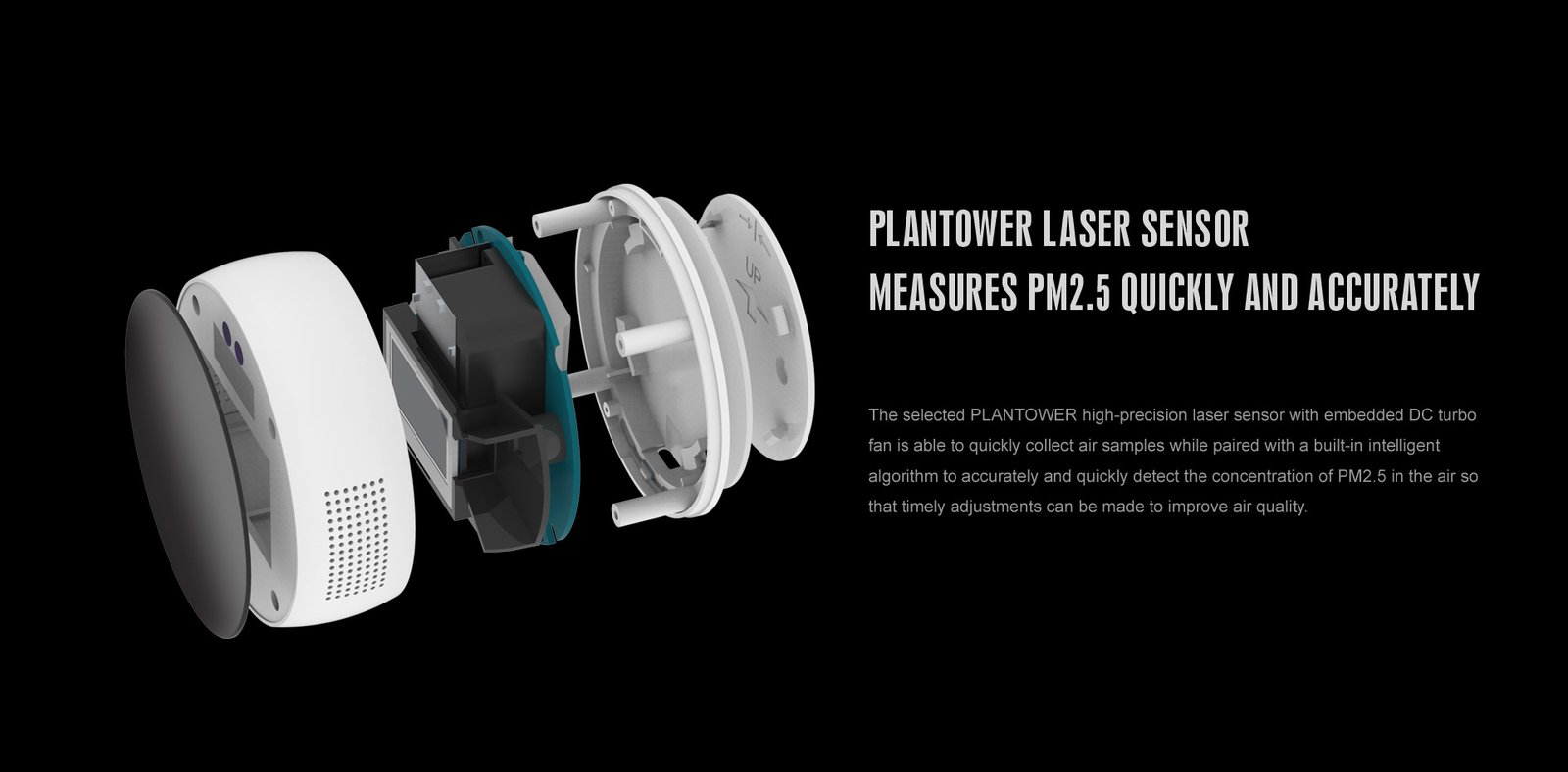
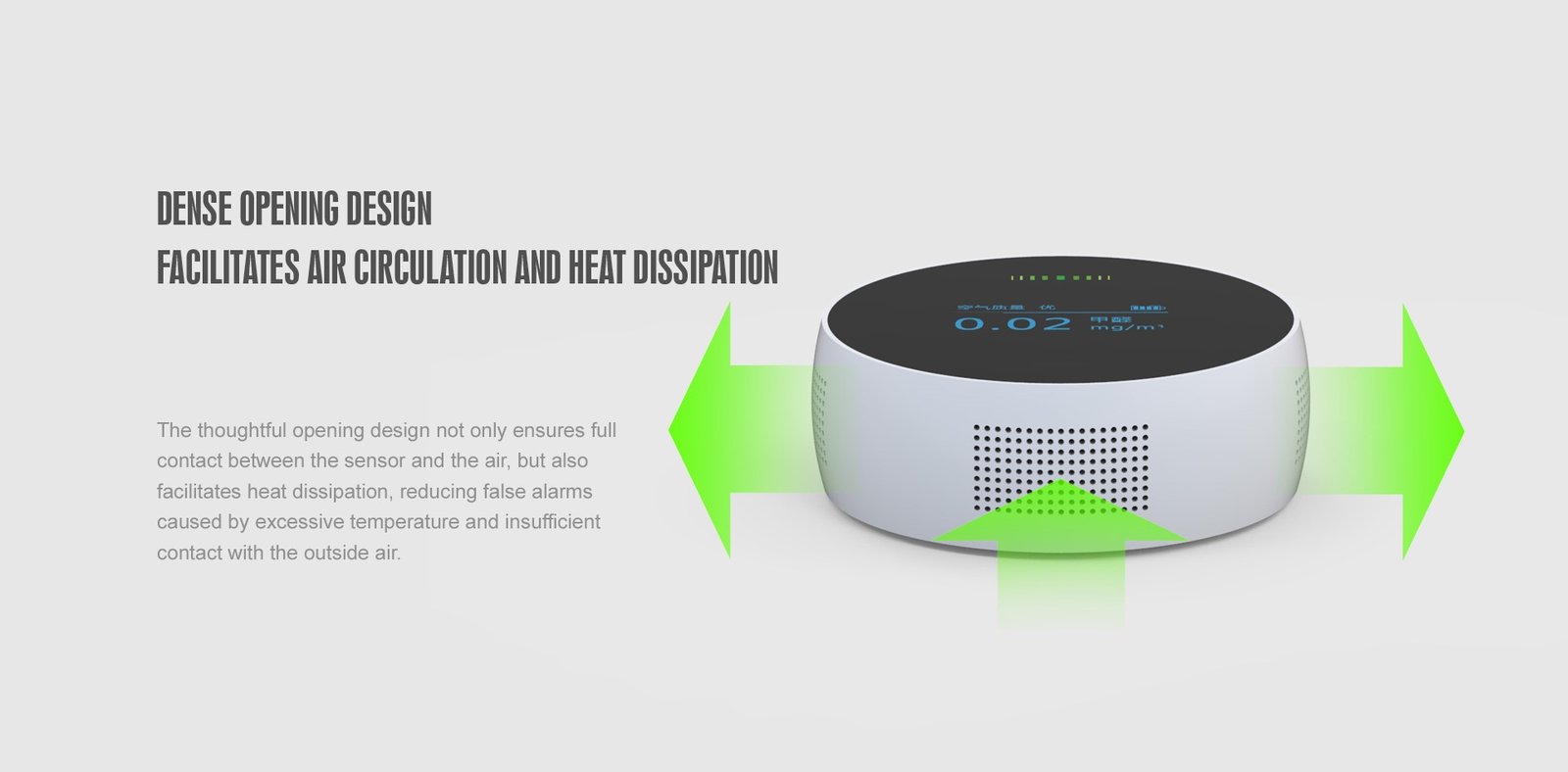
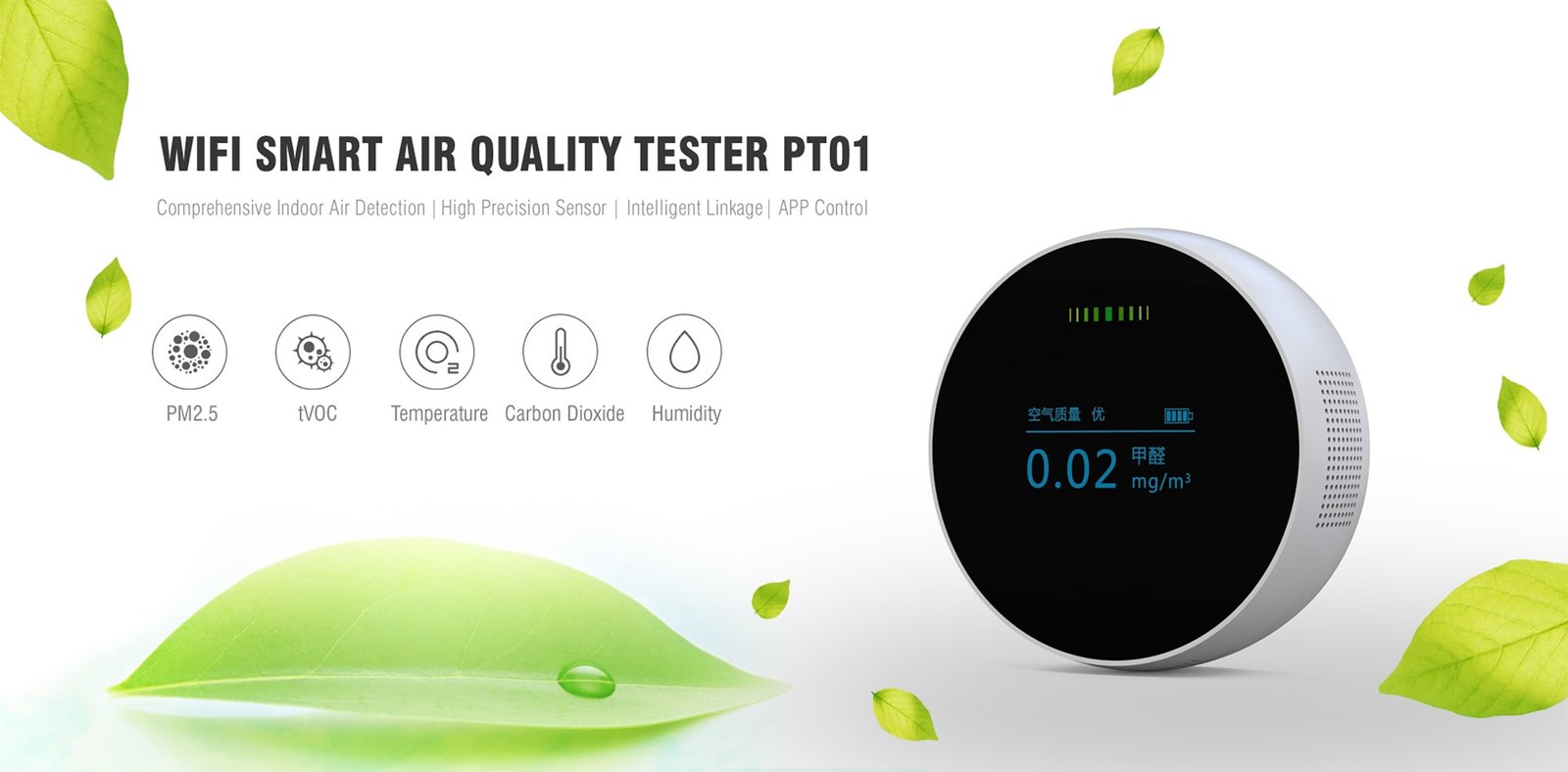
Key Features and Specifications
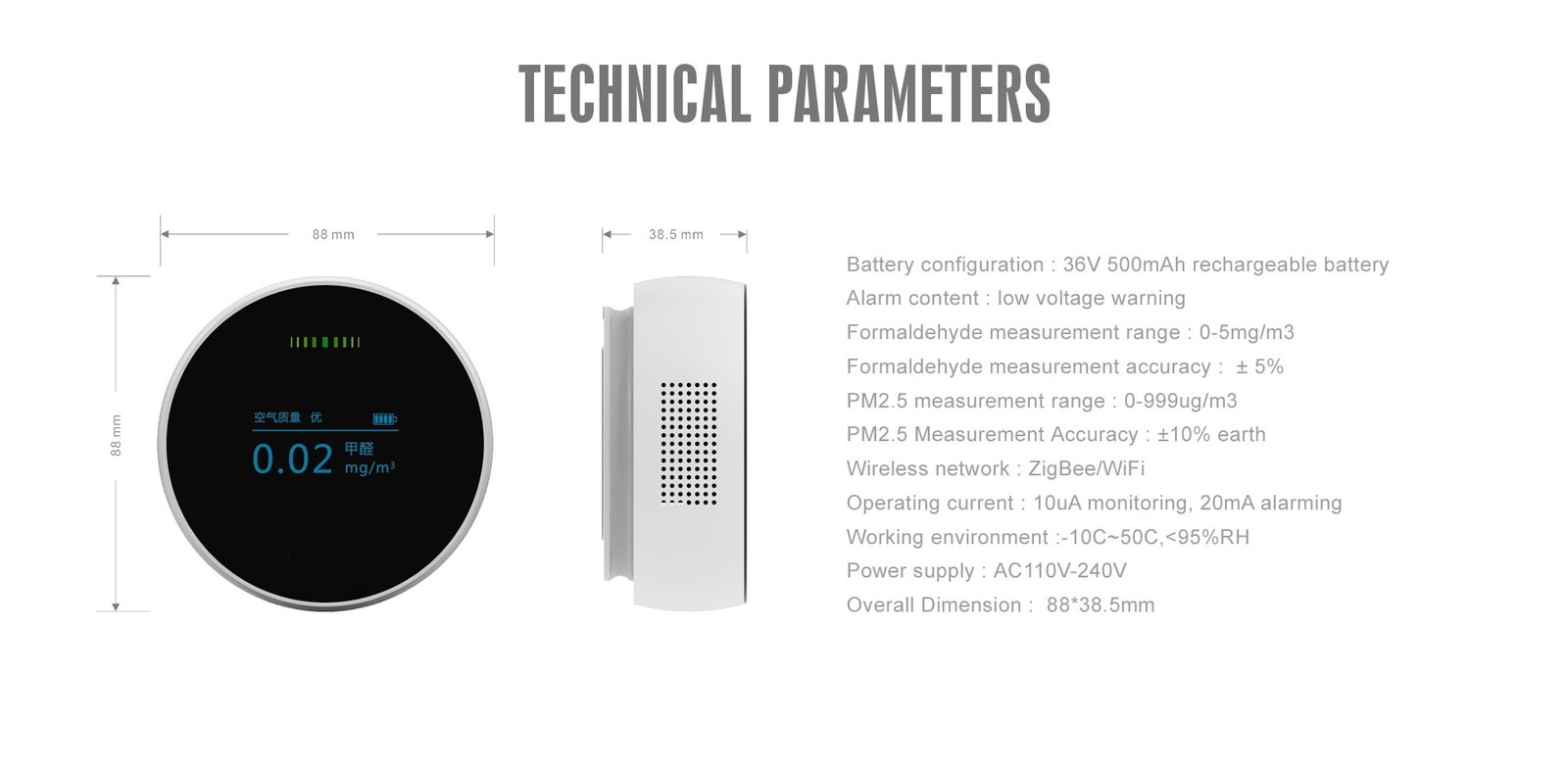
- Multi-Pollutant Detection: Capable of detecting various airborne pollutants including VOCs, PM2.5, PM10, CO2, and potentially others like carbon monoxide (CO) and nitrogen dioxide (NO2).
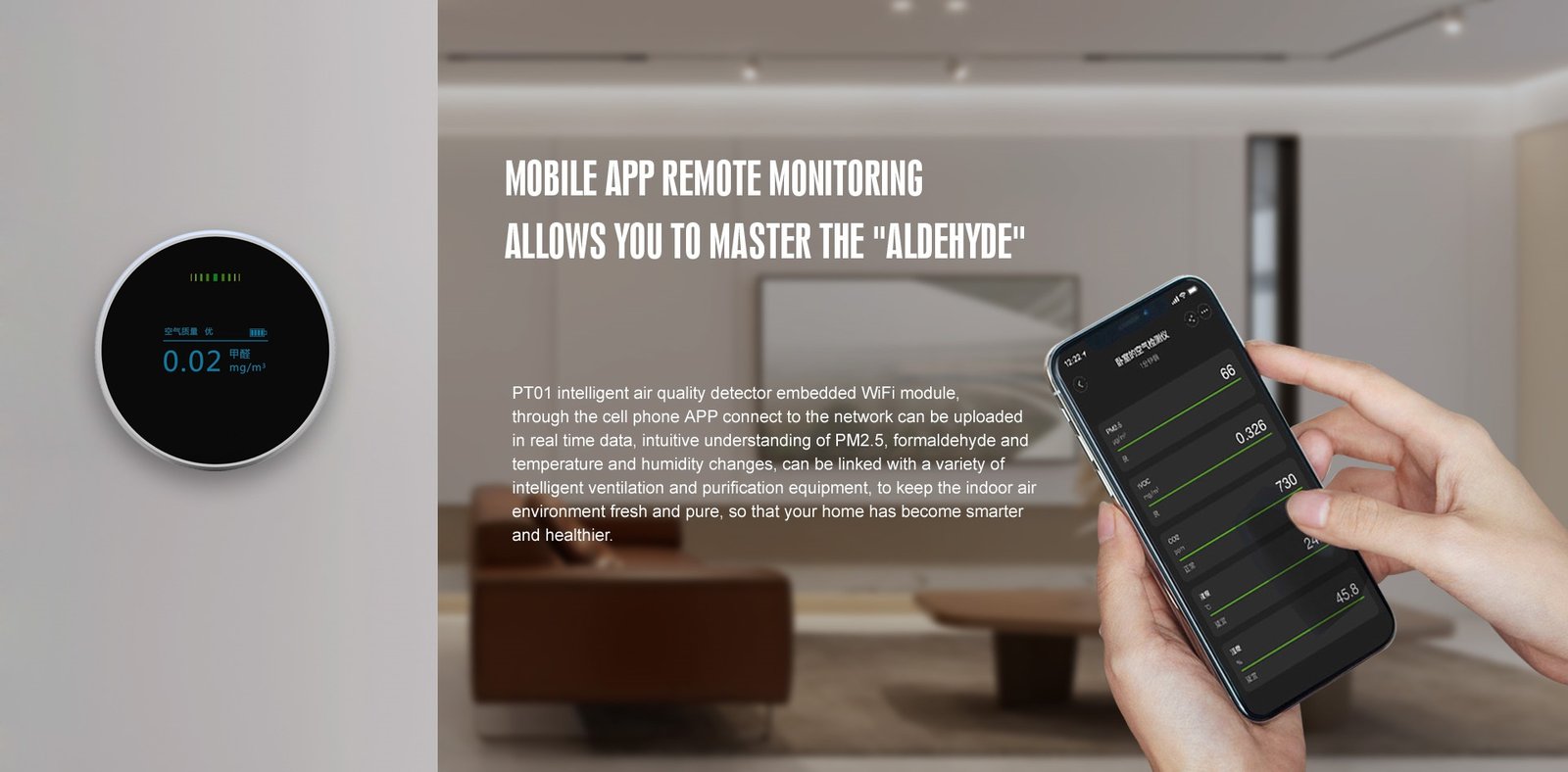
- Real-Time Monitoring: Provides real-time updates on air quality, typically displayed via an app or a built-in screen on the device.
- Connectivity: Often includes Wi-Fi or Bluetooth connectivity, allowing the device to send alerts and updates directly to smartphones or integrate with other smart home systems.
- Sensitivity and Accuracy: High sensitivity to small changes in air quality, with accuracy that meets or exceeds industry standards.
- Portable Design: Many models are compact and portable, making it easy to move them between rooms or take them to different locations.
- Data Logging and Analysis: Capable of logging data over time, which can be reviewed for trends and used to improve air quality proactively.
- Air Quality Index (AQI) Display: Often includes an AQI display, which simplifies the air quality readings into an easy-to-understand index.
- Automated Responses: Can be set up to trigger other devices, such as air purifiers or ventilators, when poor air quality is detected.
Benefits of Using a Smart Air Quality Detector
- Health Protection: Helps protect against health issues associated with poor air quality, such as allergies, asthma, and other respiratory problems.
- Enhanced Comfort: Ensures that indoor environments are comfortable and safe by monitoring and managing air quality levels.
- Energy Efficiency: Can optimize the operation of HVAC and air purification systems, reducing unnecessary energy use by targeting specific air quality issues.
- Peace of Mind: Provides continuous monitoring and real-time alerts, offering peace of mind to users who are concerned about maintaining optimal air quality.
- Educational Insights: Offers educational insights into the factors affecting indoor air quality, helping users make informed decisions about their environments.
Applications
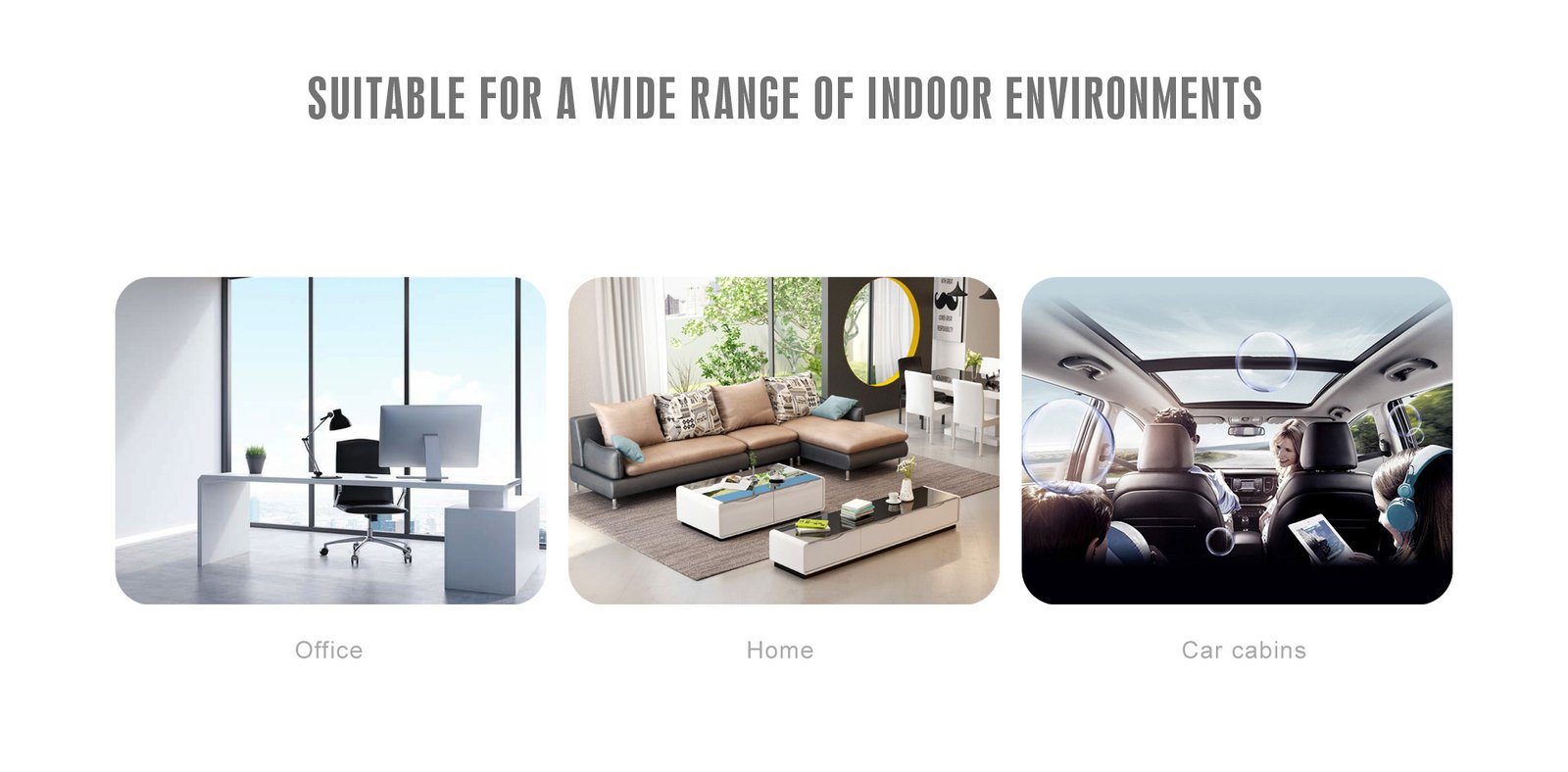
- Home Use: Essential for homeowners interested in maintaining a healthy living environment, especially in homes with children, elderly, or individuals with respiratory issues.
- Workplaces: Ensures that offices and other work environments meet health and safety standards, potentially improving productivity and reducing sick days.
- Schools: Important for maintaining a healthy learning environment for students, particularly in densely populated or urban areas.
- Healthcare Facilities: Critical in maintaining clean air in environments where patients might be immunocompromised.
Installation and Maintenance
- Installation: Typically straightforward, involving setting up the device in a recommended location (away from direct sunlight, high humidity, and external pollutants sources) and connecting it to the local Wi-Fi network.
- Maintenance: Requires occasional cleaning and, depending on the model, sensor calibration or replacement. Ensuring firmware and software are up-to-date is also important for optimal performance.
Conclusion
Smart Air Quality Detectors are invaluable tools for anyone looking to improve or maintain good indoor air quality. With features that support a wide range of pollutants and user-friendly interfaces, these devices not only provide critical real-time data but also integrate seamlessly with other smart home technologies to actively manage and improve the air we breathe indoors.