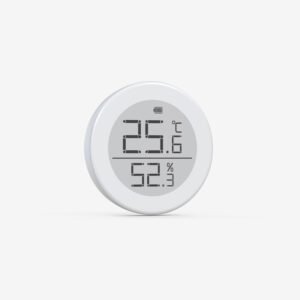

Description


 Key Features and Specifications
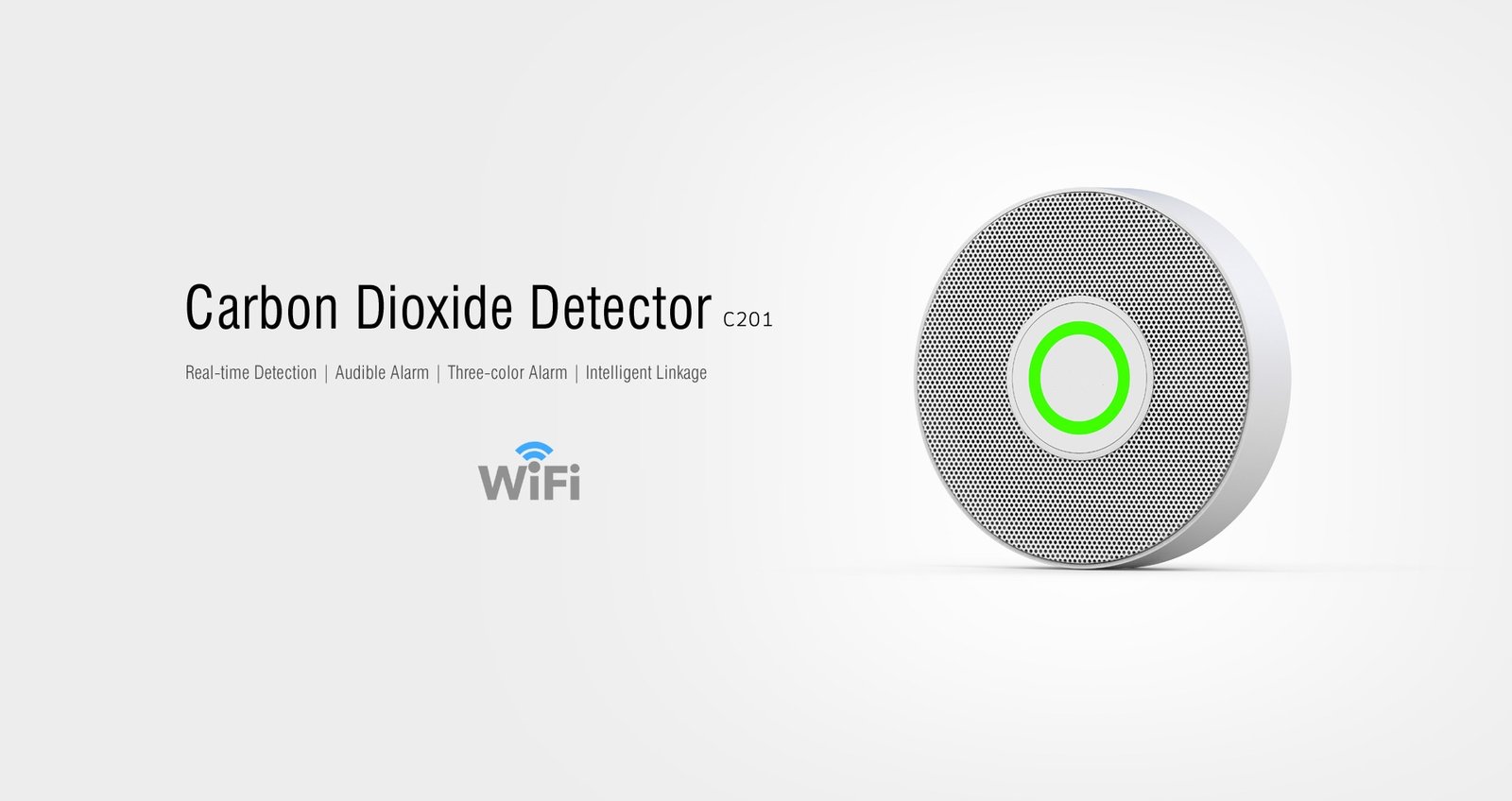


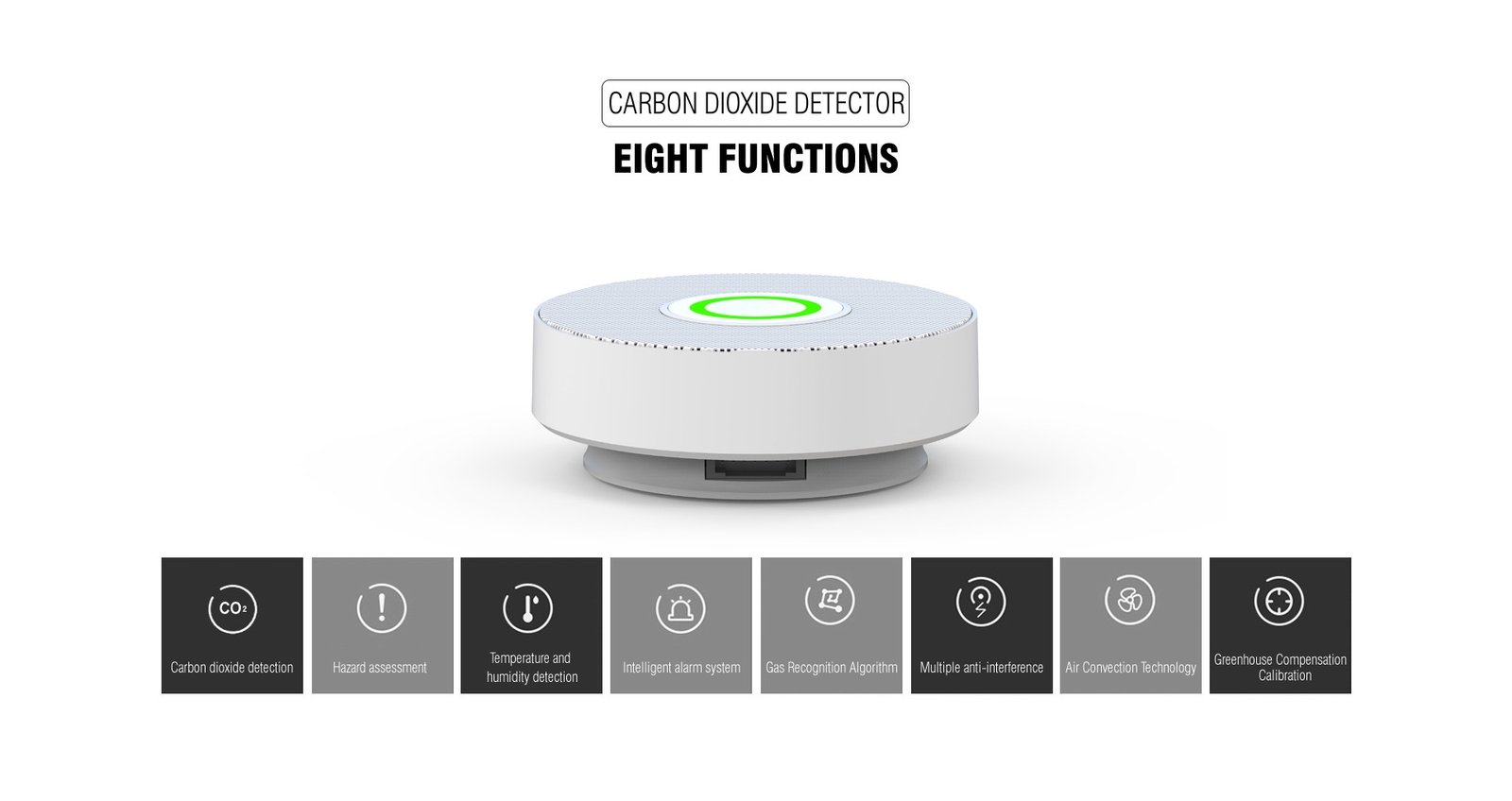
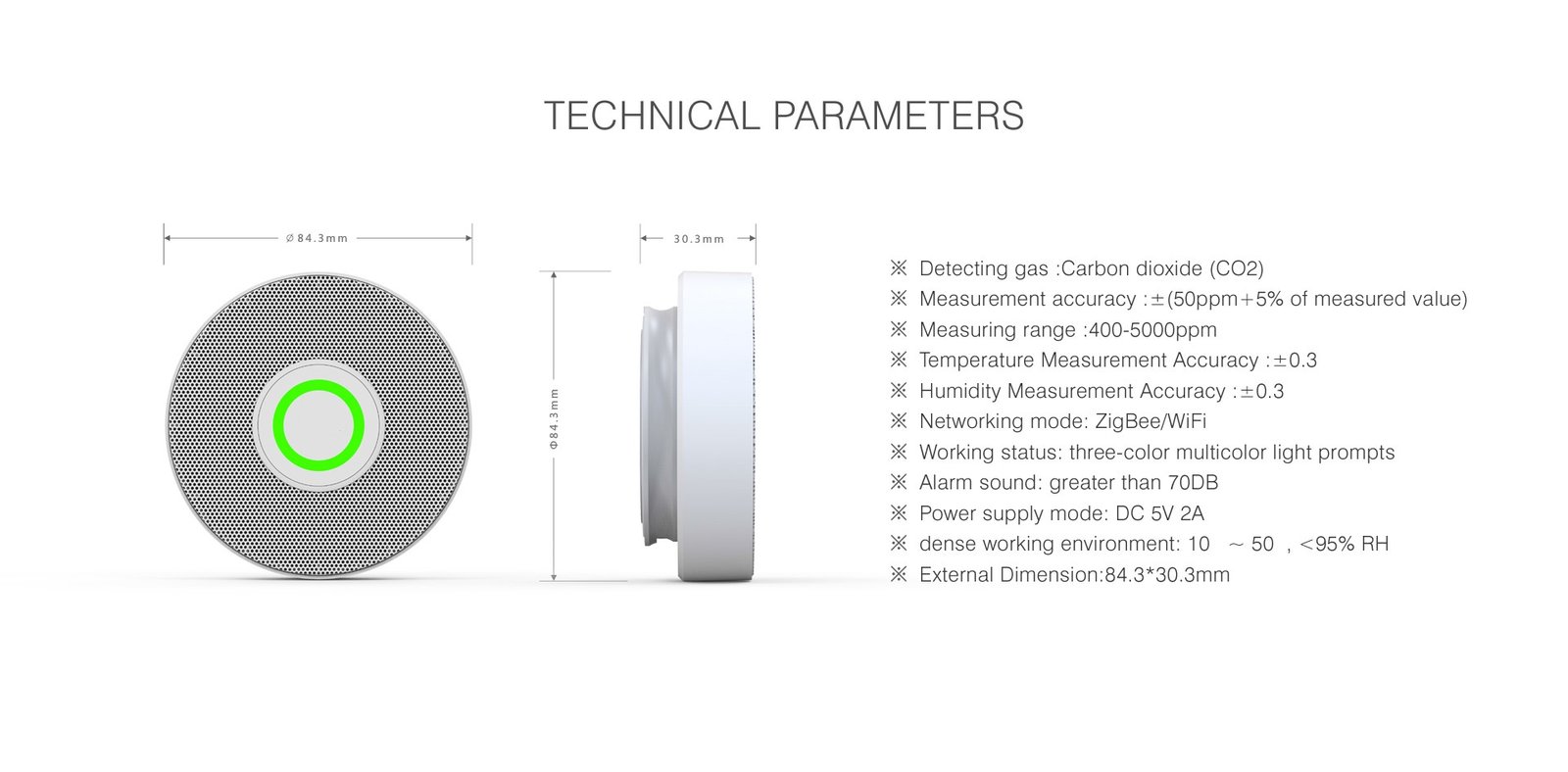 Key Features and Specifications
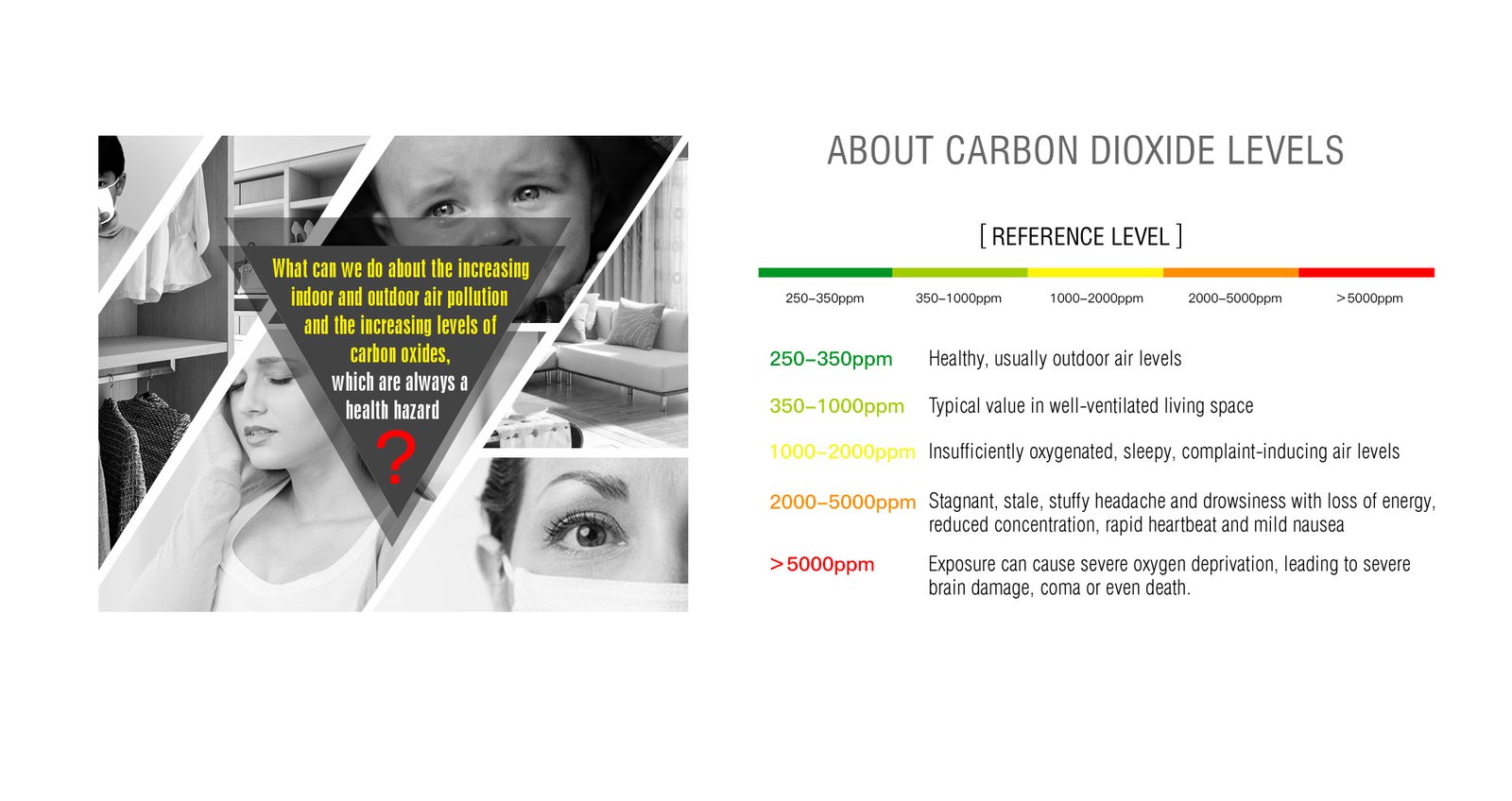
- Measurement Range: Typically measures CO2 concentrations from 400 parts per million (ppm) to 10,000 ppm, which covers the spectrum necessary for indoor and industrial monitoring.
- Accuracy: High accuracy level, often within ±50 ppm +5% of the reading, ensuring reliable monitoring.
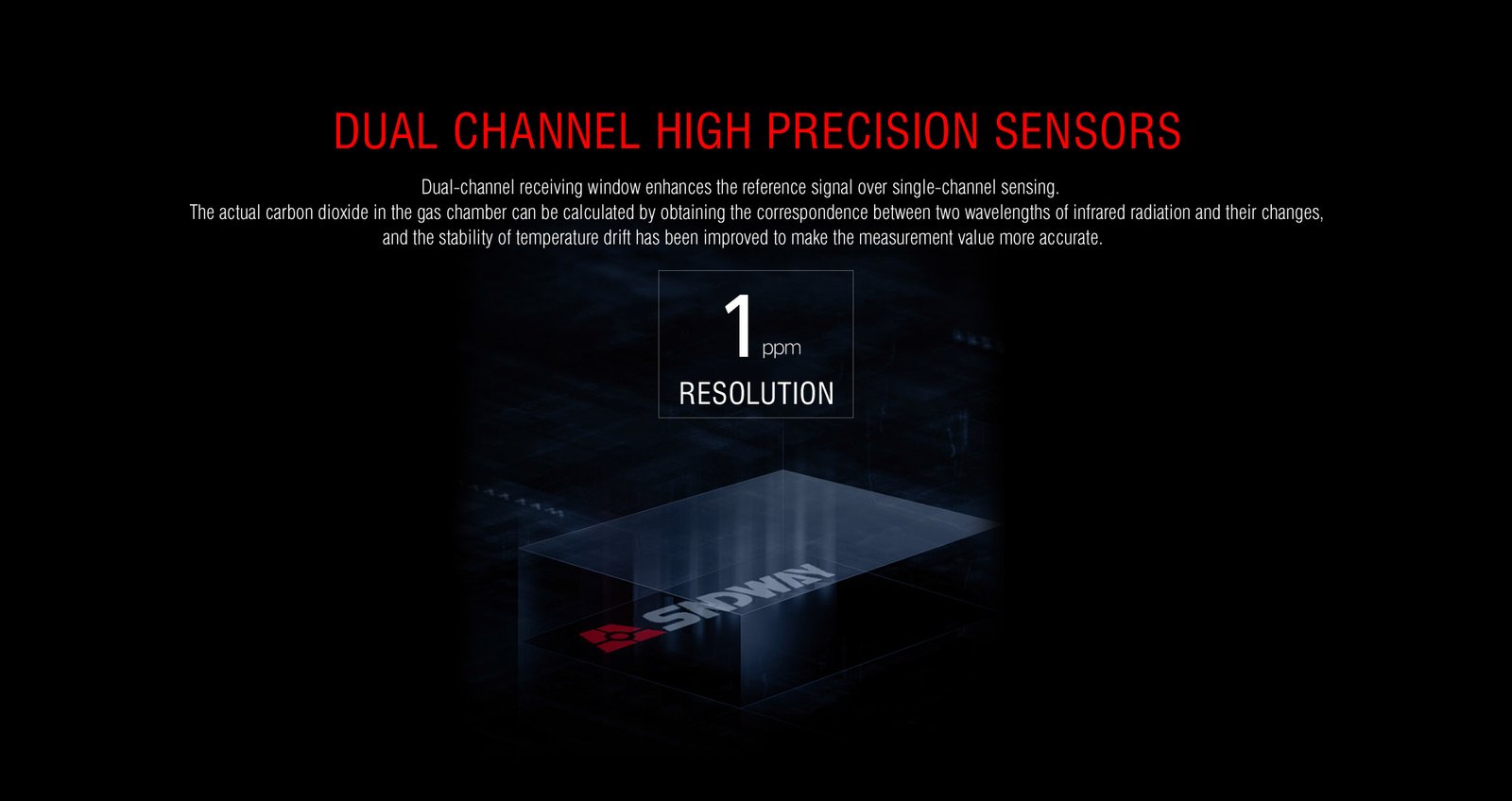
- Sensor Technology: Common technologies include Non-Dispersive Infrared (NDIR) sensors, which are popular due to their accuracy and reliability.
- Response Time: Fast response time, often within minutes, to detect changes in CO2 levels quickly.
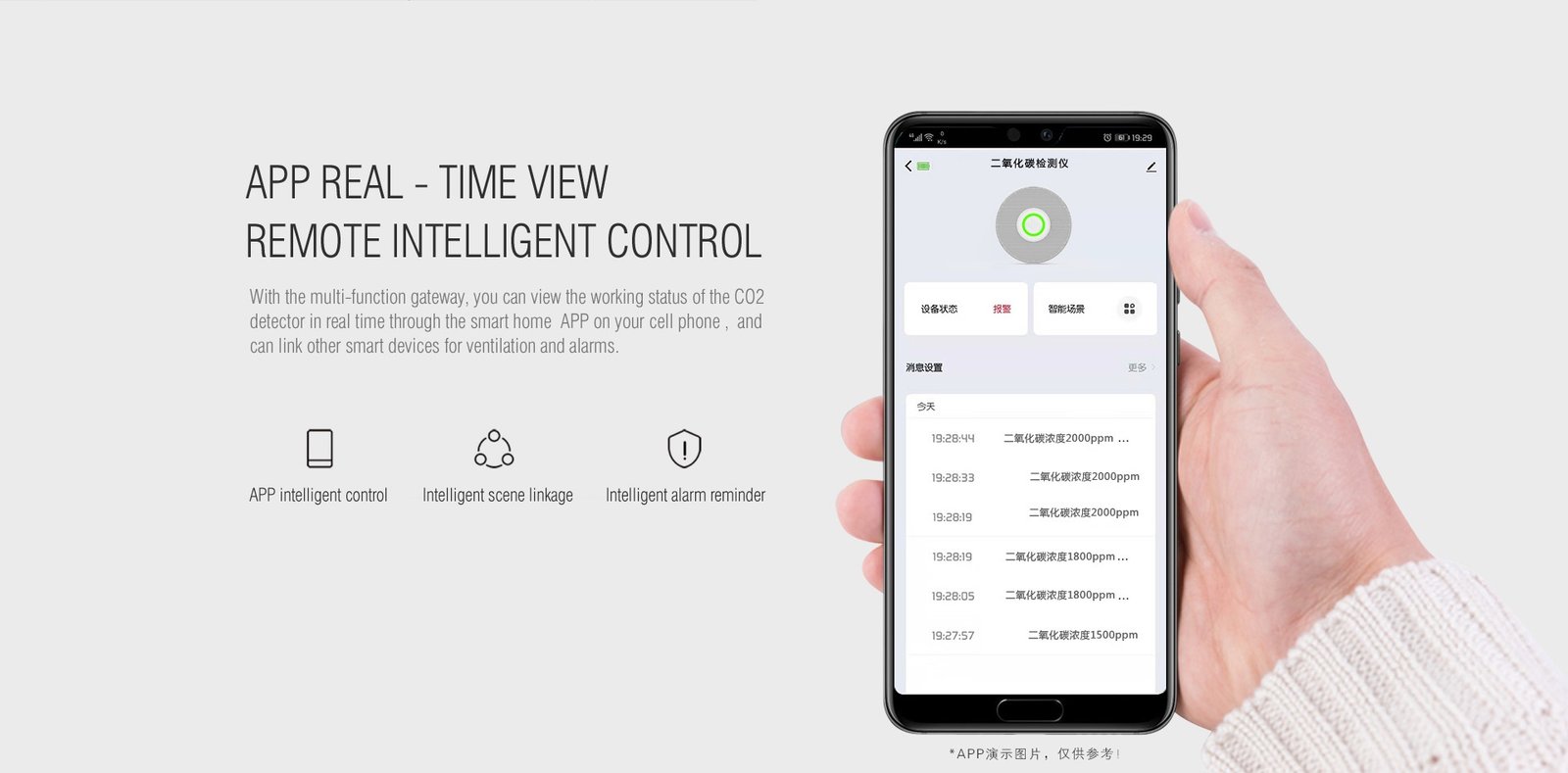
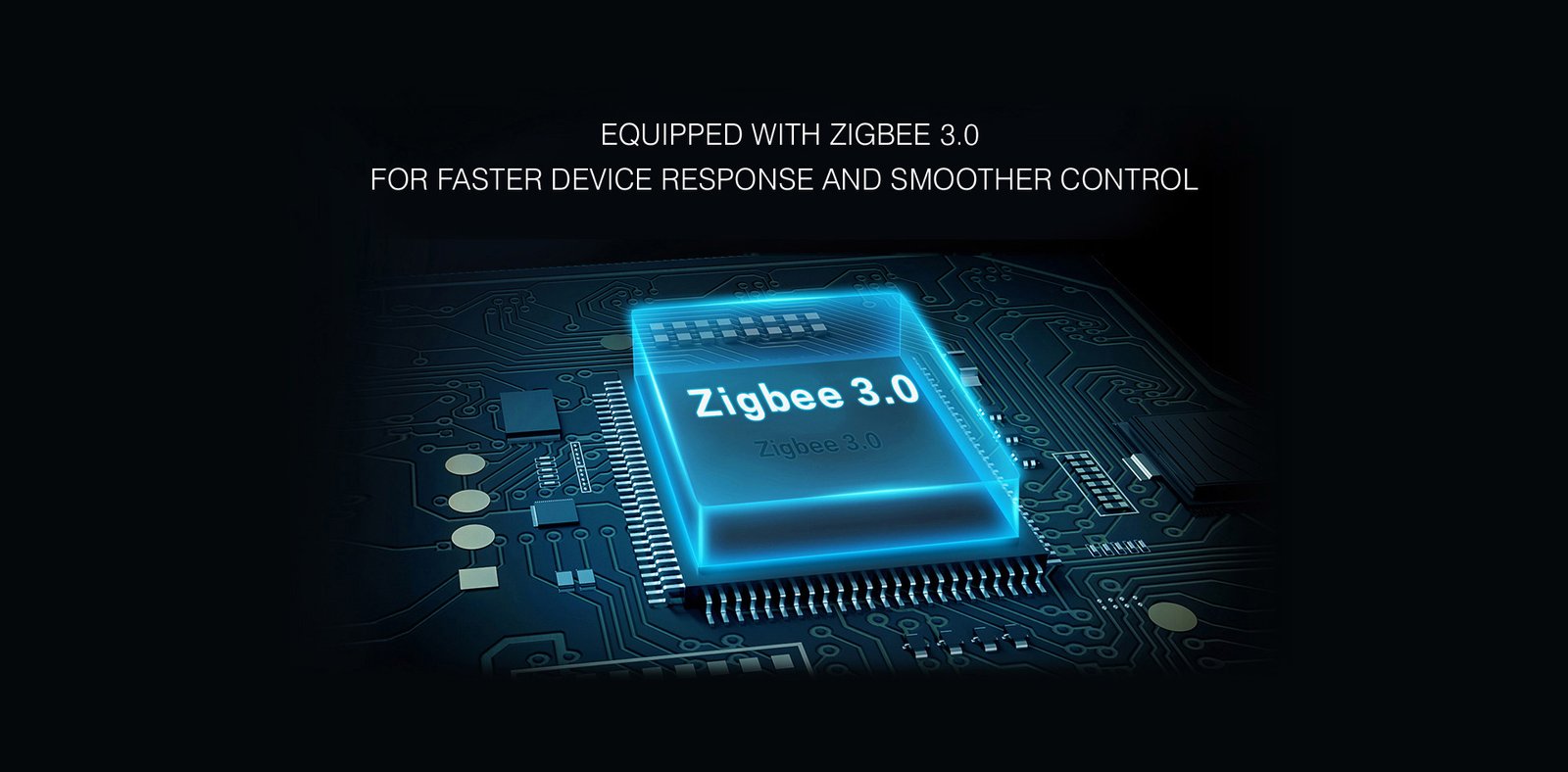
- Connectivity: Includes options for integration with other systems via Wi-Fi, ZigBee, or wired connections.
- Power Supply: Can be either battery-operated or connected to a mains supply, depending on the model and intended use.
- Calibration: Features automatic or manual calibration to maintain accuracy over time.
- Data Logging: Many sensors come with the ability to log data, which can be crucial for analyzing trends and making informed decisions about air quality management.
Benefits of Using a Carbon Dioxide Sensor
- Health and Safety: Monitoring CO2 levels helps to ensure that indoor air quality is maintained within safe limits, reducing the risk of CO2-related health issues.
- Energy Efficiency: In HVAC systems, CO2 sensors can be used to optimize ventilation based on actual occupancy and air quality, significantly reducing energy consumption.
- Improved Comfort: Helps maintain a comfortable indoor environment by ensuring adequate ventilation and air freshness.
- Regulatory Compliance: Assists facilities in complying with health and safety regulations regarding indoor air quality.
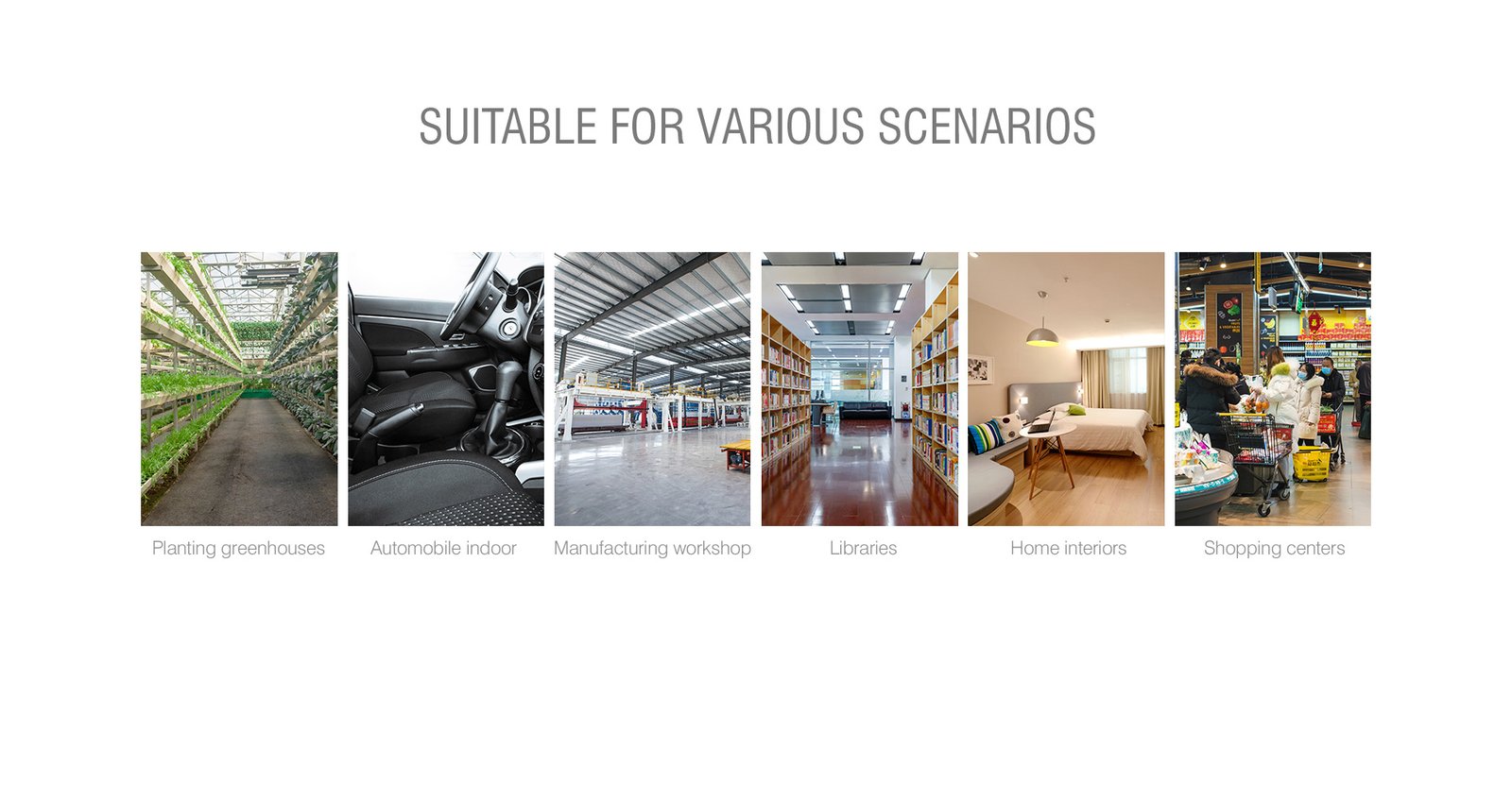
- Agricultural Applications: In controlled environment agriculture, CO2 sensors help optimize growth conditions for plants, enhancing yield and quality.
Applications
- Building Automation: Integrated into building management systems to control ventilation based on real-time CO2 levels.
- Educational Institutions: Ensures that classrooms are ventilated properly to maintain optimal learning environments.
- Commercial Spaces: Used in offices and commercial buildings to monitor air quality and control air handling systems efficiently.
- Healthcare Facilities: Critical for maintaining air quality in spaces like hospitals where air quality is crucial to patient health and comfort.
- Agricultural Facilities: Used in greenhouses to control CO2 levels, which can significantly impact plant growth.
Installation and Maintenance
- Installation: Should be installed at a height reflective of the breathing zone (about 3 to 6 feet from the floor) and away from doors, windows, and air vents to avoid skewed readings.
- Maintenance: Regular calibration and sensor cleaning are recommended to ensure ongoing accuracy and reliability. Battery-powered units will require periodic battery replacement.
Conclusion
Carbon dioxide sensors are pivotal in managing indoor air quality effectively. They offer a range of benefits from health and safety to energy efficiency, making them valuable additions to various environments. With technological advancements, these sensors continue to improve in accuracy, functionality, and connectivity, further enhancing their application in numerous fields.