Description

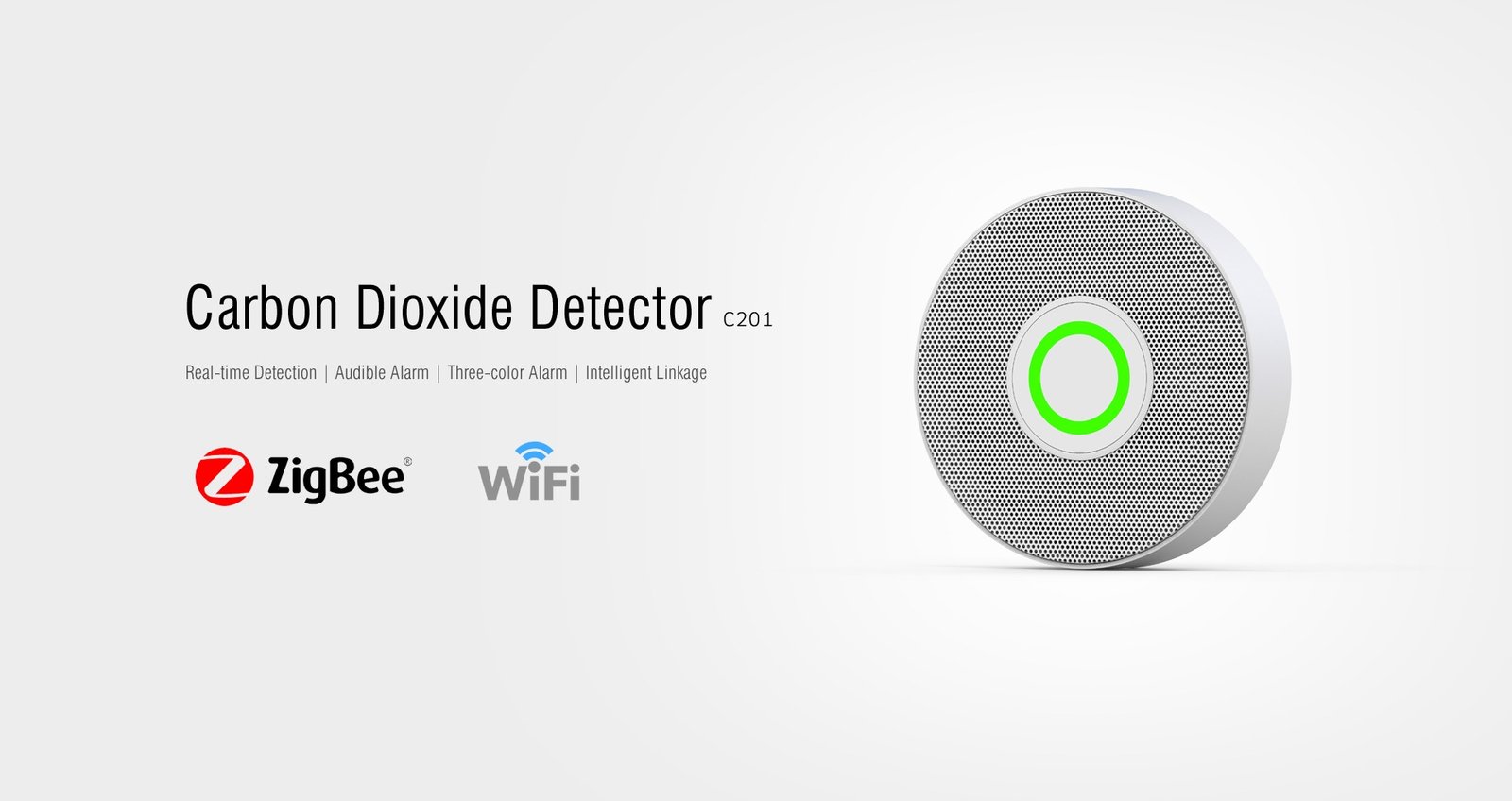

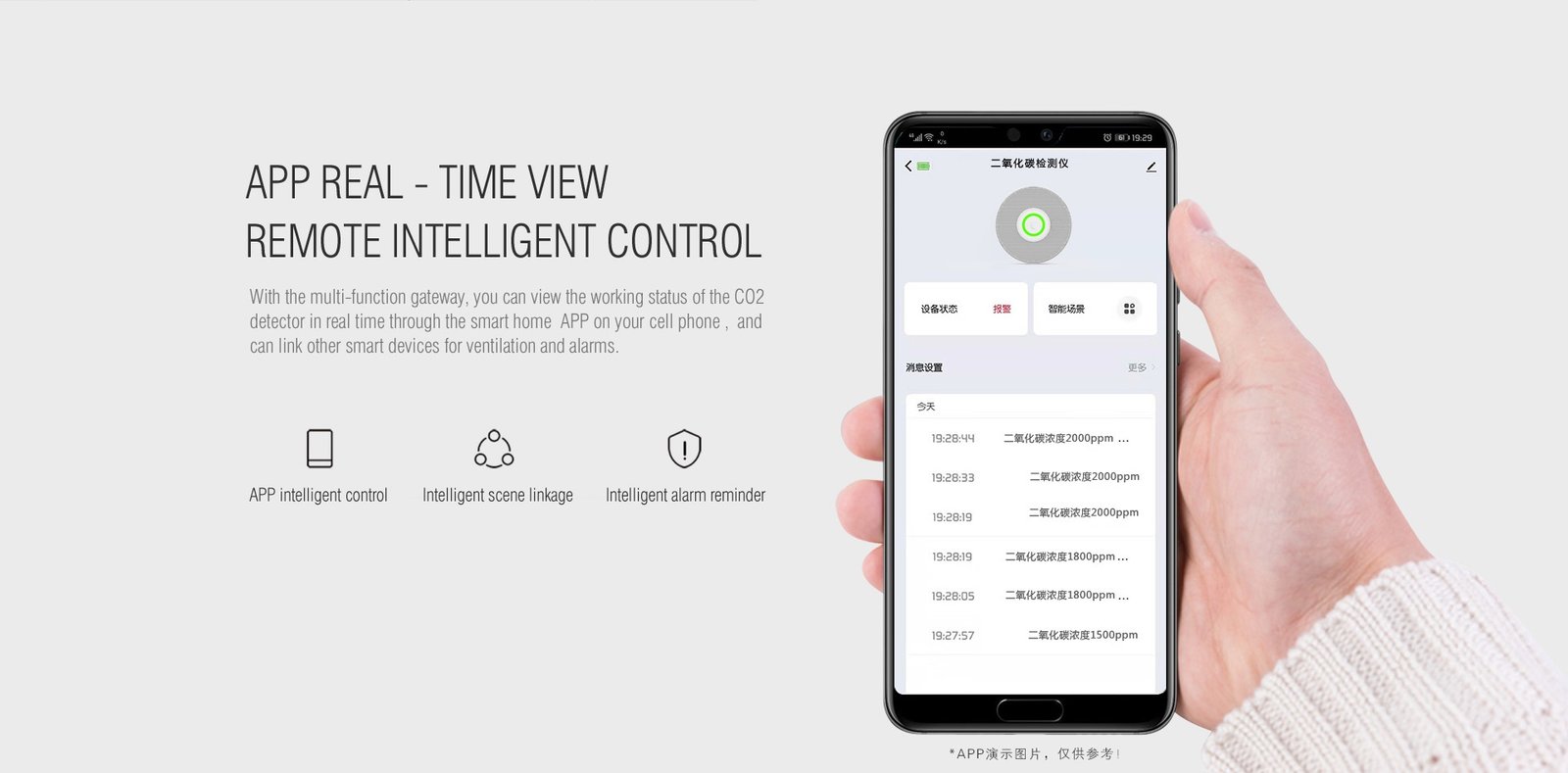
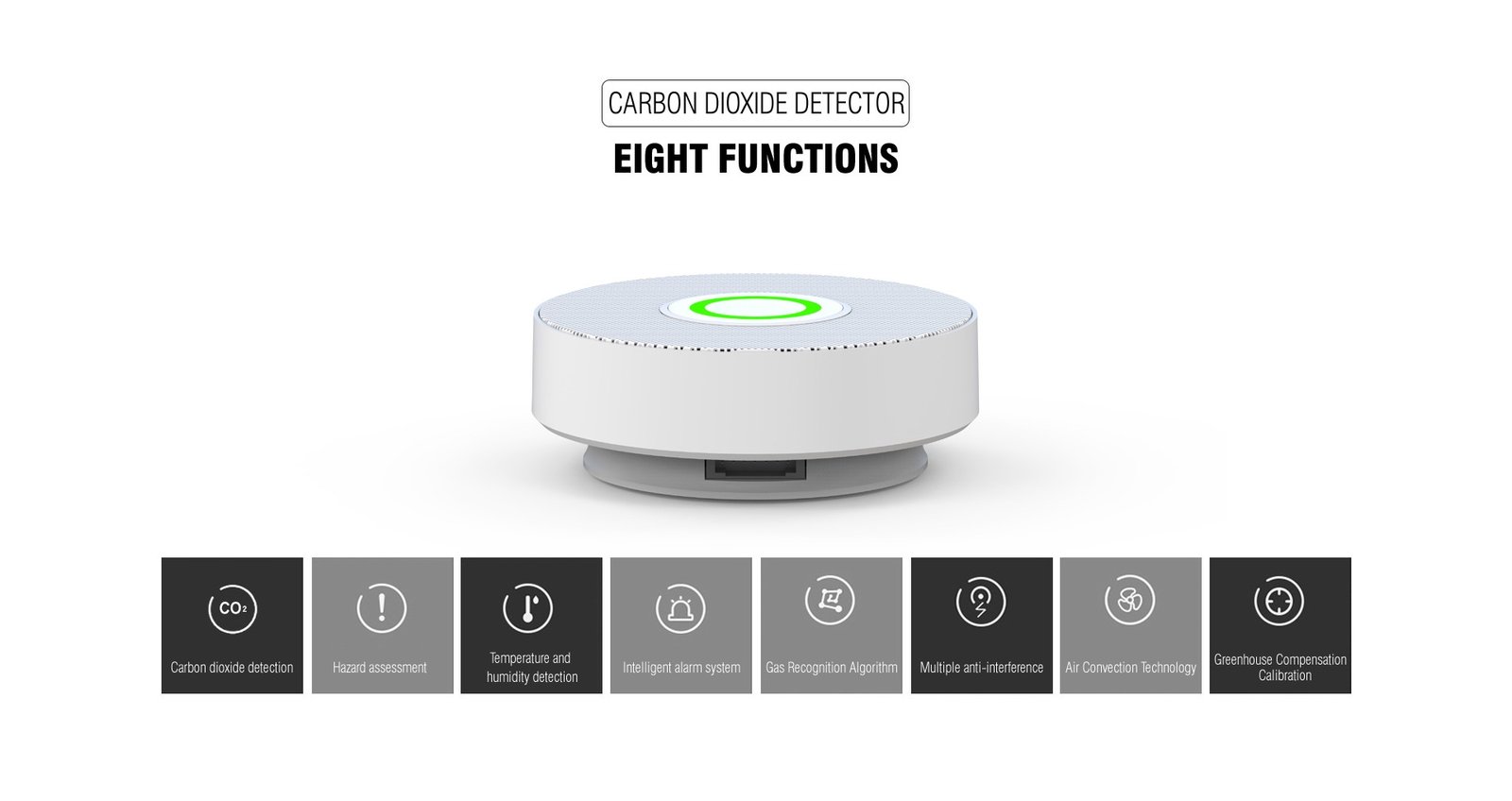

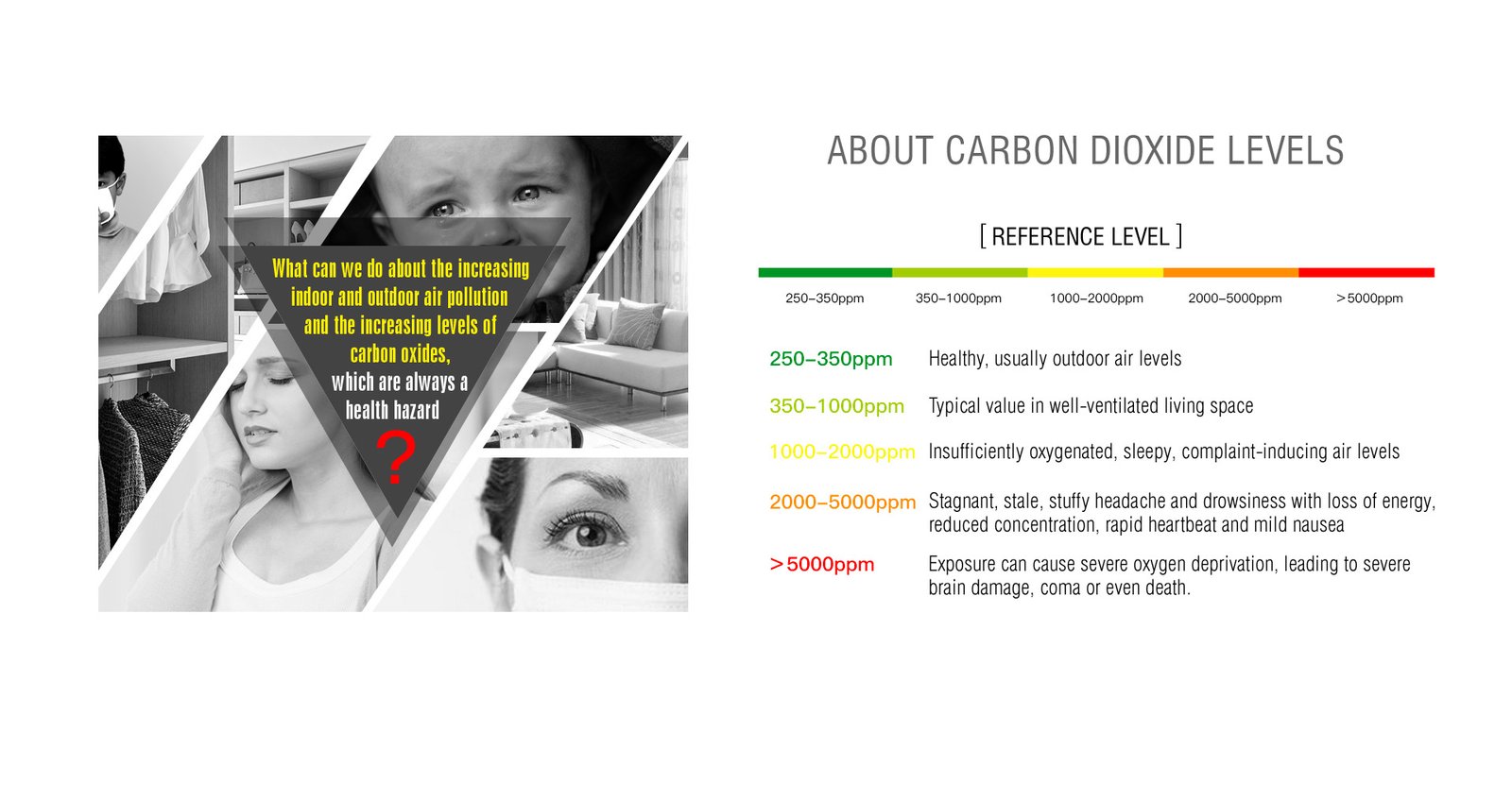
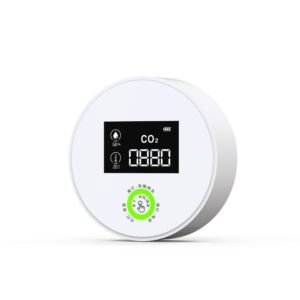
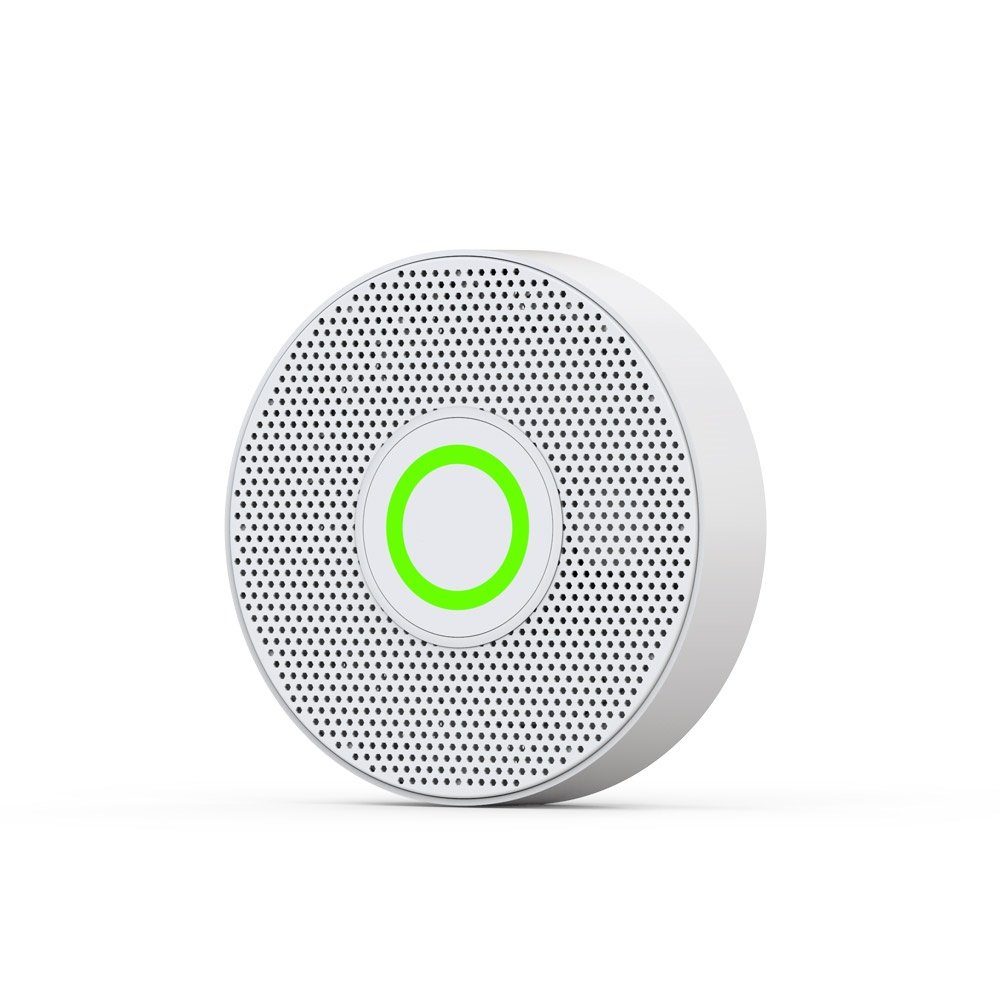
Potential Key Features of the JQ-C201 Carbon Dioxide Sensor:
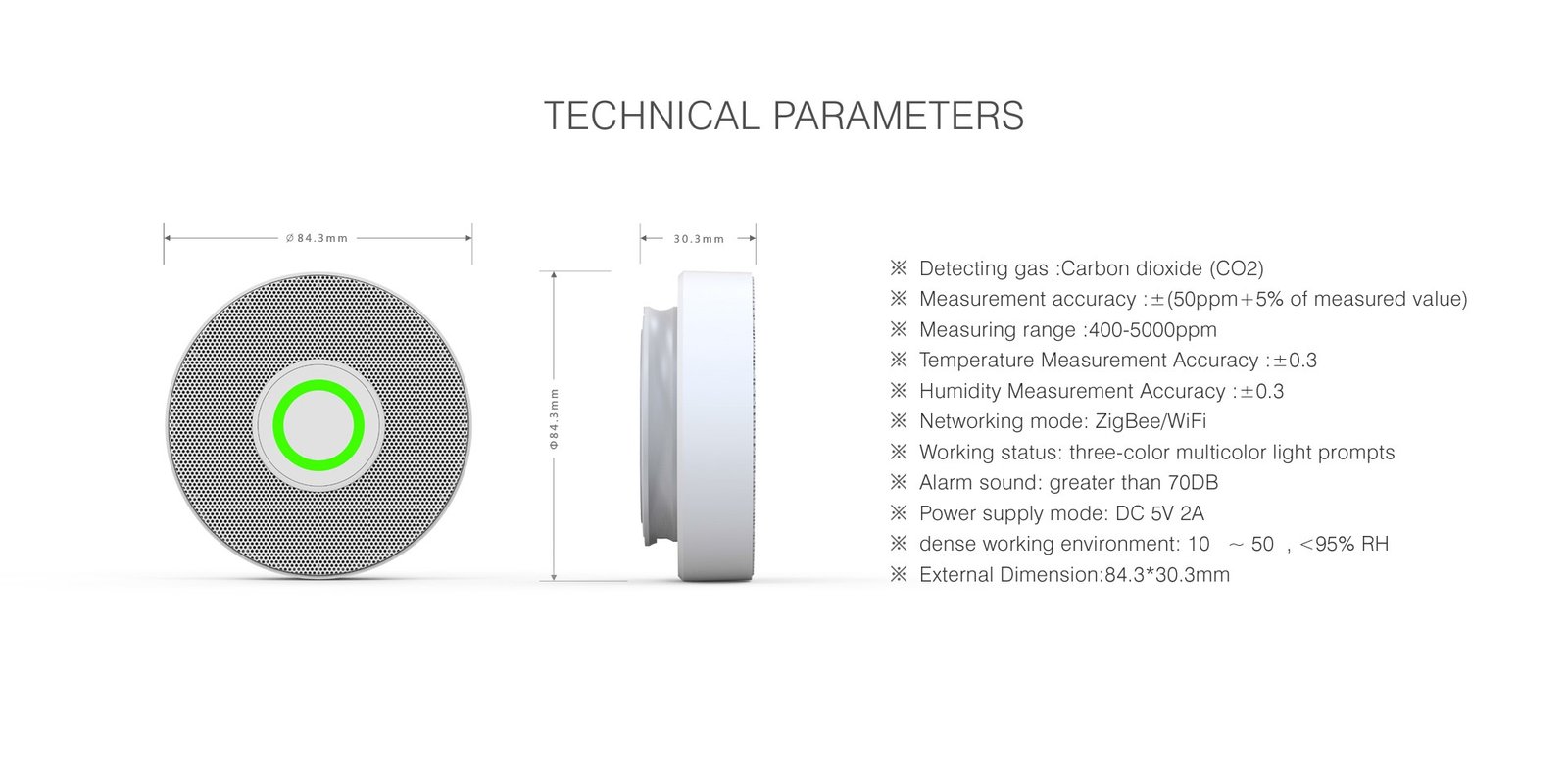
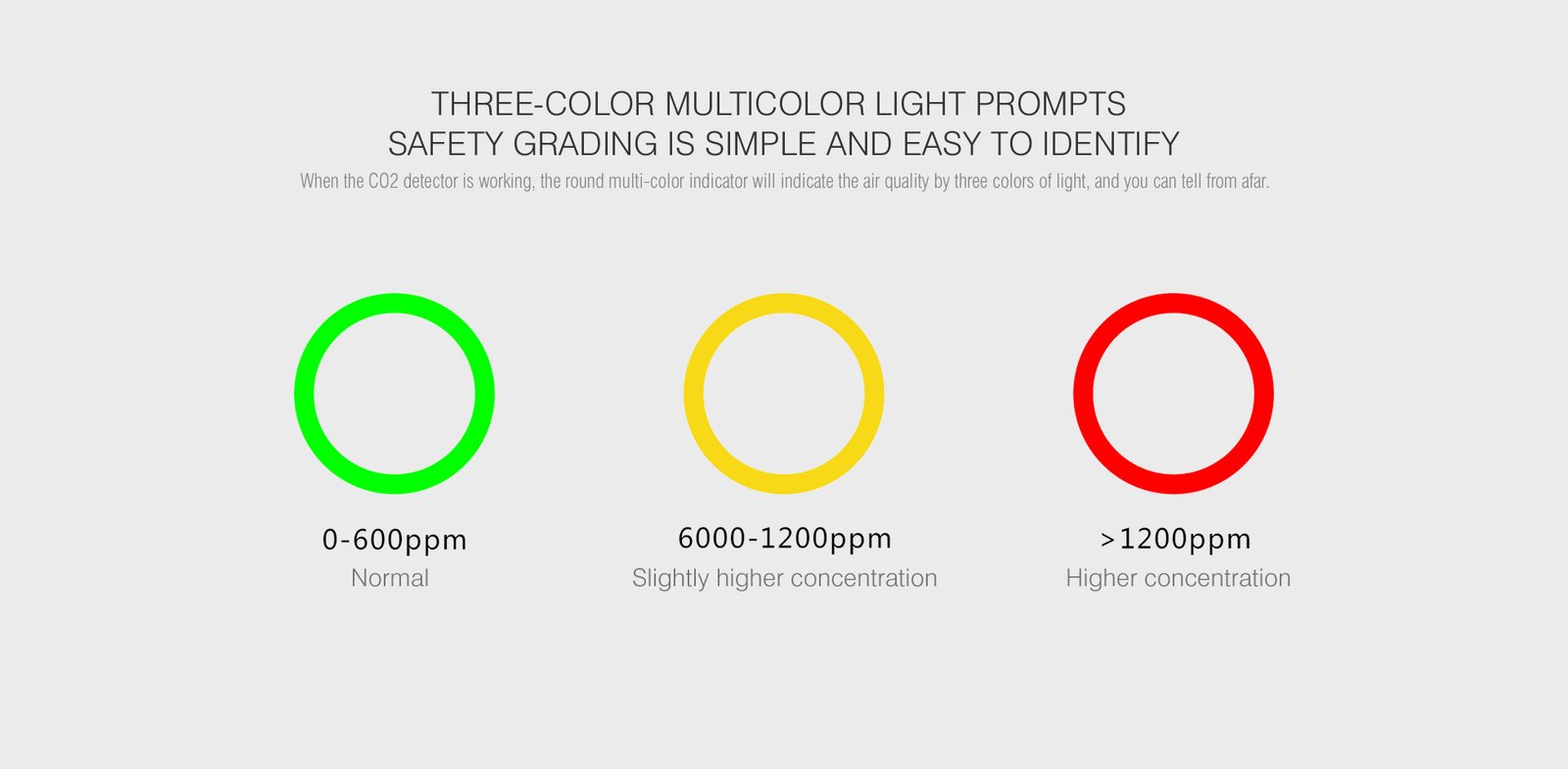
- Measurement Range: The JQ-C201 likely measures CO2 concentrations within a specific range, which is crucial for its application in environments where CO2 monitoring is necessary.
- Accuracy: Ensuring accurate CO2 level readings is vital, especially in sensitive environments such as laboratories, hospitals, or industrial settings where precise atmospheric conditions are required.
- Response Time: The sensor’s ability to respond to changes in CO2 levels quickly is important for applications where rapid changes in air quality can occur.
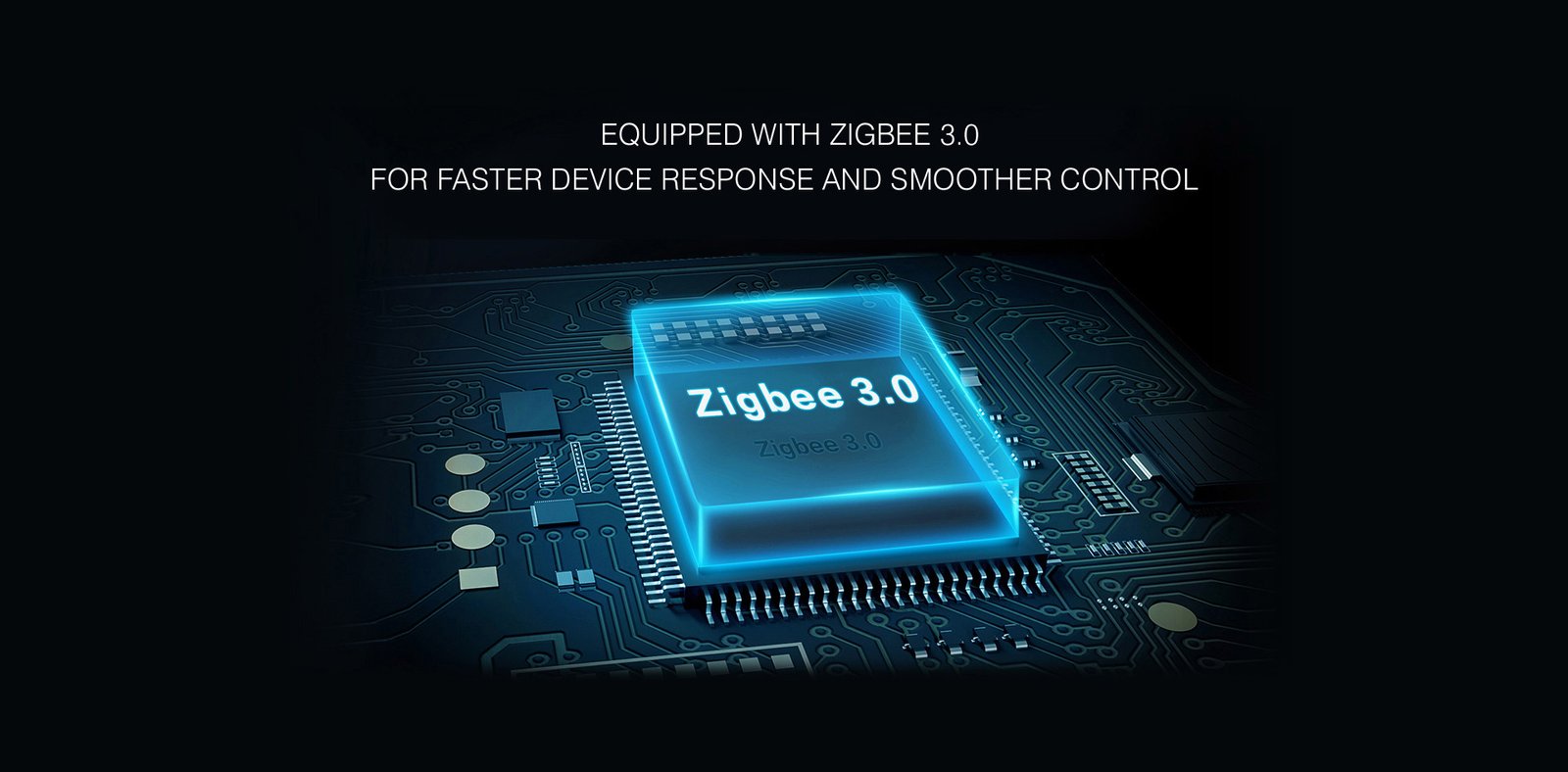
- Output Options: The sensor may offer several output options such as analog, digital (UART, I2C), or other protocols to interface with various systems and devices.
- Calibration: It might feature automatic or manual calibration options to maintain accuracy over time or after being exposed to varying environmental conditions.
- Installation and Size: Depending on the intended use, the JQ-C201 might be designed for fixed installation or portable use, with size and mounting options varying accordingly.
- Power Requirements: The sensor’s power requirements are an important consideration, especially for battery-operated or remote installations.
Typical Applications of the JQ-C201 CO2 Sensor:
- Building HVAC Systems: To control ventilation based on the CO2 concentration, which helps in maintaining indoor air quality and energy efficiency.
- Indoor Air Quality Systems: Used in commercial, residential, and educational settings to monitor and report CO2 levels, helping to ensure a healthy indoor environment.
- Industrial Monitoring: In industries where CO2 is produced as a byproduct, to monitor levels and ensure they stay within safe limits.
- Agricultural Applications: Monitoring CO2 levels in greenhouses to optimize plant growth by maintaining optimal air quality conditions.
- Research and Development: In scientific studies where accurate measurement of atmospheric conditions is crucial.
Choosing a CO2 Sensor:
When selecting a CO2 sensor like the JQ-C201, consider the following factors:
- Specific Needs: Choose a sensor that matches the specific measurement range and accuracy requirements of your application.
- Compatibility: Ensure the sensor’s output type and interface are compatible with your existing systems or monitoring equipment.
- Maintenance Requirements: Understand the maintenance needs, including how often calibration is needed and the ease with which it can be performed.
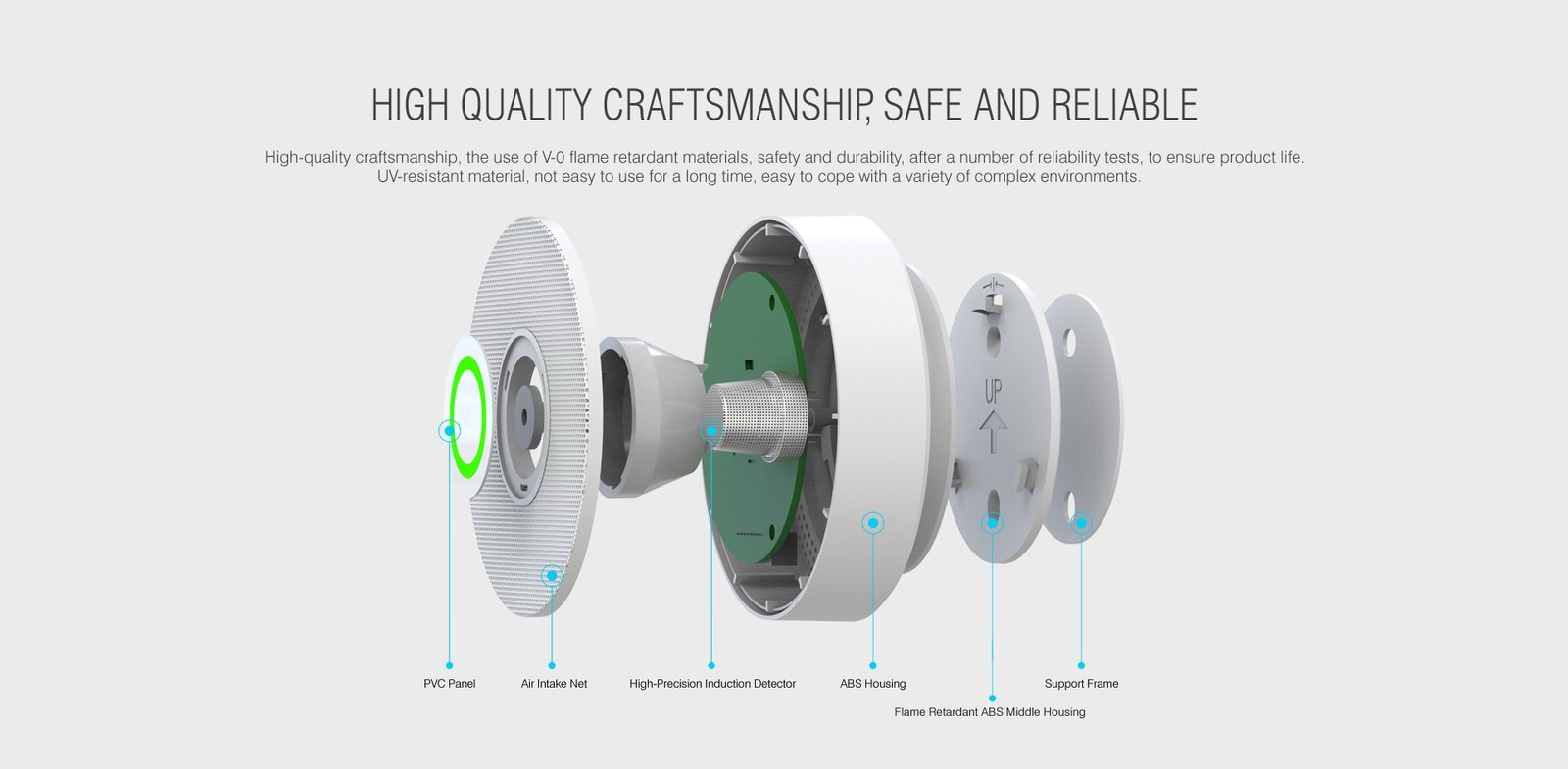
- Durability and Reliability: Consider the build quality and reliability, especially if the sensor will be used in harsh environments.
- Cost: Evaluate the cost in relation to the features offered and the criticality of the application.
To achieve optimal usage from the JQ-C201 or similar CO2 sensors, proper installation, regular maintenance, and calibration according to the manufacturer’s recommendations are essential. This ensures the sensor remains accurate and reliable over its operational lifespan, providing dependable data for monitoring and control purposes.