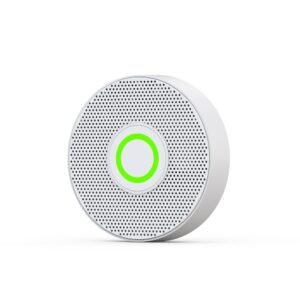
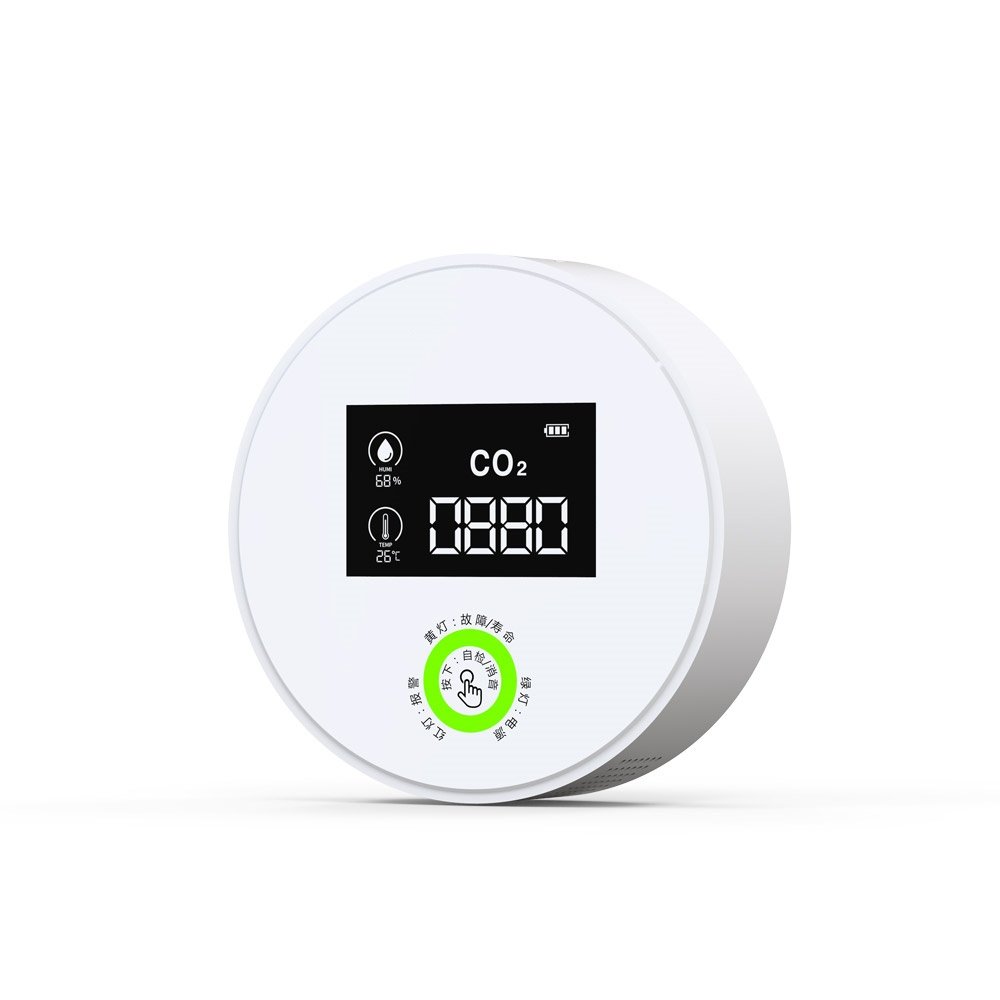
Description
Key Features Typically Found in CO2 Sensors Like the JQ-C202:
- Measurement Range: CO2 sensors are usually designed to measure CO2 concentrations within a specific range which could be from 0 to 5000 ppm (parts per million) or more, depending on the design and intended use.
- Accuracy: High accuracy is critical for many applications, particularly in environments like laboratories or industries where precise CO2 measurement is necessary.
- Response Time: This refers to how quickly the sensor can detect changes in CO2 levels and update the reading accordingly.
- Output: CO2 sensors might provide outputs in various forms such as analog voltage, digital signals, or via communication protocols like UART, I2C, etc.
- Calibration: Sensors often need to be calibrated to maintain accuracy. This might be done manually or through automatic calibration features.
- Size and Installation: The physical size can vary, and installation methods might range from portable devices to fixed installations, depending on the application.
- Power Requirements: They typically have low power consumption, which is important for continuous monitoring applications.
Applications of CO2 Sensors:
- HVAC Systems: To monitor and regulate air quality in buildings, ensuring adequate ventilation and reducing the risk of CO2 buildup which can lead to health issues like headaches, dizziness, and in severe cases, more serious health risks.
- Indoor Air Quality Monitoring: In homes, offices, schools, and other indoor environments to ensure that CO2 levels remain within safe limits.
- Agricultural: Used in controlled environment agriculture such as greenhouses to optimize plant growth conditions by regulating CO2 concentrations.
- Scientific Research: In environmental science, biotechnology, and other fields where precise measurement of gas concentrations is necessary.
- Industrial Safety: In manufacturing plants or facilities where CO2 is used or produced, sensors can help prevent unsafe levels that might pose health and safety risks.
Considerations When Choosing a CO2 Sensor:
- Accuracy and Range: Choose a sensor that meets the necessary accuracy and range requirements for your specific application.
- Calibration: Consider how often the sensor needs calibration and the ease of performing calibration.
- Output Compatibility: Ensure the sensor’s output is compatible with other equipment or systems in use.
- Longevity and Maintenance: Consider the lifespan of the sensor and any maintenance needs.
- Cost: Balance your budget with the required features and performance specifications.
When using a CO2 sensor like the JQ-C202, it is crucial not only to install it correctly according to the manufacturer’s guidelines but also to periodically check its operation and recalibrate if necessary, to ensure ongoing reliability and accuracy.