Description
Key Features of Respiratory and Sleep Quality Monitors:
- Respiratory Rate Monitoring: Measures the number of breaths per minute, which is crucial in assessing the functioning of the respiratory system during sleep.
- Oxygen Saturation (SpO2) Monitoring: Tracks the level of oxygen saturation in the blood, which can indicate breathing difficulties or disruptions during sleep.
- Sleep Stages Tracking: Utilizes sensors to detect different sleep stages, including light sleep, deep sleep, and REM (Rapid Eye Movement) sleep. This helps in analyzing the sleep cycle and overall sleep quality.
- Heart Rate Monitoring: Measures heart rate, which can be linked to sleep quality and overall cardiovascular health.
- Movement Detection: Uses accelerometers or other sensors to detect movement, helping to identify periods of restlessness and overall sleep stability.
- Sound Monitoring: Some devices may include sound monitoring to detect snoring, which can be a sign of sleep apnea or other respiratory issues.
Benefits of Using a Respiratory and Sleep Quality Monitor:
- Improved Diagnosis and Management of Sleep Disorders: These devices can help in diagnosing sleep disorders such as sleep apnea, where breathing repeatedly stops and starts during sleep. Continuous monitoring allows for better management of such conditions.
- Enhanced Sleep Quality: By analyzing sleep patterns and identifying disruptions, individuals can make informed changes to their sleep environment or habits to enhance sleep quality.
- Health Monitoring: Regular monitoring of respiratory rate and oxygen saturation can provide critical health insights, particularly for those with chronic respiratory conditions.
- Convenience: Provides a non-invasive way to monitor sleep and respiratory health from the comfort of one’s home.
How to Use a Respiratory and Sleep Quality Monitor:
- Setup: Follow the manufacturer’s instructions to set up the device. This may involve charging the device, installing an app, and configuring settings.
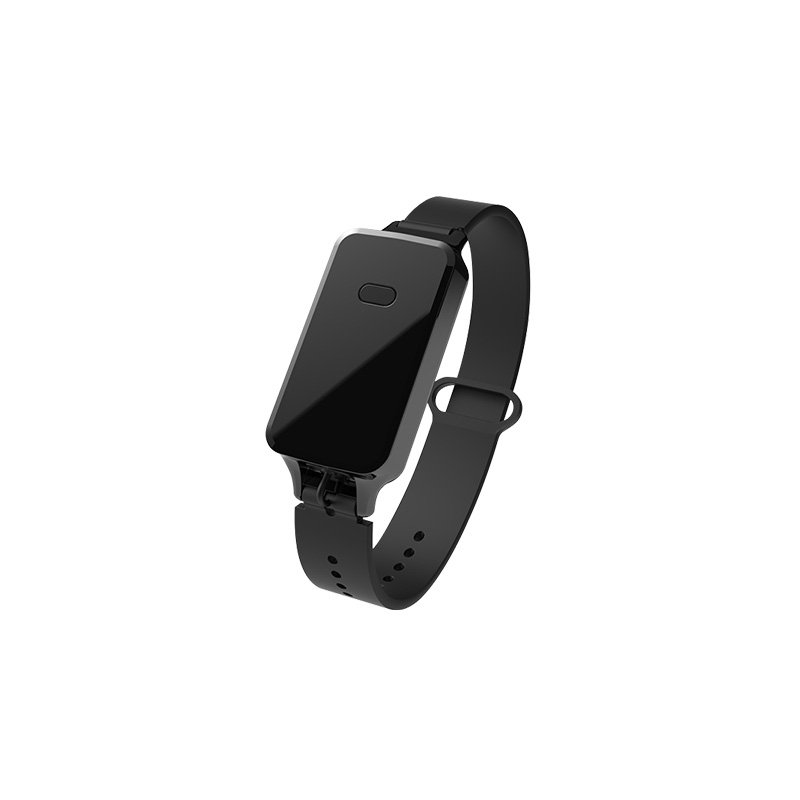
- Placement: Depending on the design, the device might be worn on the wrist, chest, finger, or even placed under the mattress.
- Sleep: Wear or activate the device according to instructions before going to sleep. The device should automatically start monitoring once you are asleep.
- Data Review: After waking, sync the device with its corresponding app or software to review the data collected. Many apps provide detailed analyses and visual reports of respiratory patterns, sleep stages, and other health metrics.
- Consult Healthcare Provider: For those with known or suspected health issues, sharing this data with a healthcare provider can be crucial in diagnosing and managing conditions effectively.
Considerations When Choosing a Respiratory and Sleep Quality Monitor:
- Accuracy: Look for devices that are clinically validated for accuracy, especially for critical measurements like oxygen saturation and respiratory rate.
- Comfort and Ease of Use: Ensure the device is comfortable to wear during sleep and that the associated app or software is user-friendly.
- Battery Life: Consider the battery life of the device to ensure it can last through the night without needing a recharge.
- Data Privacy and Security: Make sure that any data collected is securely stored and managed, particularly if the data is stored or accessed via the cloud.
In conclusion, a Respiratory and Sleep Quality Monitor can be a valuable tool for monitoring and improving both respiratory health and sleep quality. Whether for managing a specific health condition or simply for gaining more insight into sleep patterns, these devices can provide critical information that aids in better health management.