Description
Key Features of Sleep Belts:
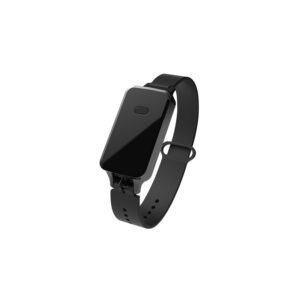
- Sensors: Sleep belts are equipped with sensors that measure physiological signals. These can include accelerometers (to measure movement), sensors for respiratory effort, and heart rate monitors.
- Comfort: Since they are worn during sleep, these belts are generally made from soft, flexible materials that are comfortable enough not to disrupt sleep.
- Connectivity: Most modern sleep belts can connect wirelessly to a smartphone or computer. This allows the data collected during the night to be analyzed and interpreted through an app or software.
- Battery Life: They usually have long battery life or are rechargeable, ensuring they can last through the night without needing a charge.
- Data Analysis: Advanced algorithms analyze the collected data to provide insights into sleep stages (light sleep, deep sleep, REM sleep), total sleep time, sleep efficiency, and disturbances like waking periods.
Benefits of Using a Sleep Belt:
- Detailed Sleep Analysis: Provides comprehensive data on sleep patterns, helping to identify issues such as periods of wakefulness, irregular breathing, or restless sleep.
- Health Insights: Can help detect signs of sleep disorders such as sleep apnea, restless legs syndrome, or periodic limb movement disorder.
- Improve Sleep Quality: By understanding sleep patterns and disturbances, individuals can make informed adjustments to their sleep environment or habits (like adjusting room temperature, modifying diet, or changing bedtime routines).
- Non-Invasive: Offers a less intrusive alternative to traditional sleep studies, which often involve overnight stays in a clinic with multiple sensors attached to the body.
How to Use a Sleep Belt:
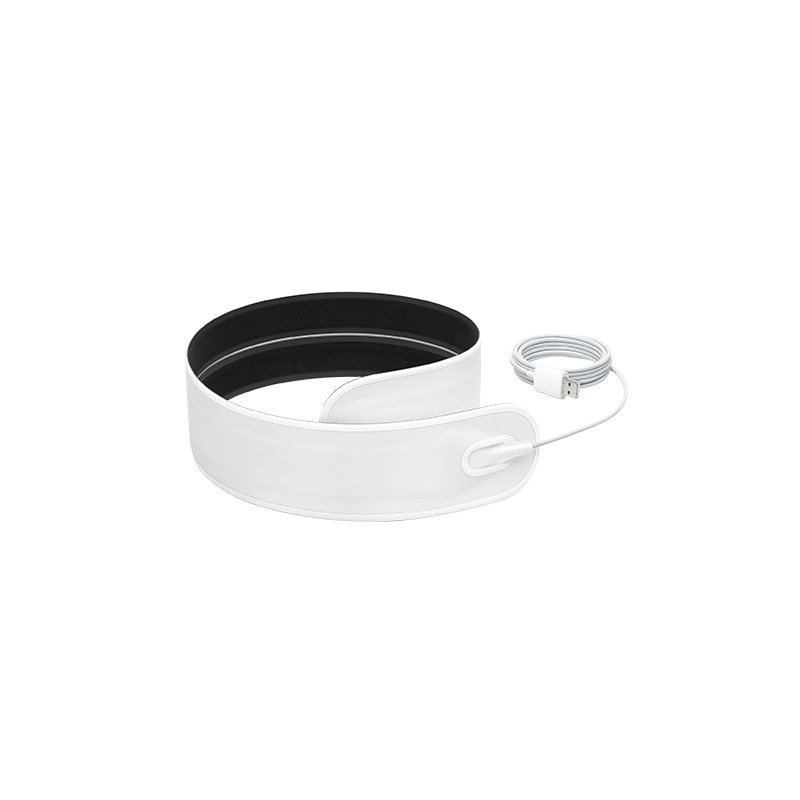
- Placement: The belt should be placed around the chest or abdomen as directed by the manufacturer. It should be snug enough to stay in place but not so tight as to be uncomfortable.
- Setup: Pair the belt with its corresponding app or software on your smartphone or computer. Ensure it’s fully charged before going to sleep.
- Sleep: Wear the belt while you sleep. It should automatically begin recording data once it detects that you are asleep.
- Review: Upon waking, sync the belt with the app to review the collected data. Some apps provide recommendations based on your sleep patterns.
Considerations When Choosing a Sleep Belt:
- Comfort: As it is worn during sleep, the belt should be comfortable and not disrupt your sleep.
- Accuracy: Look for devices that have been clinically validated for accuracy in measuring sleep parameters.
- Ease of Use: The device interface and the corresponding app should be user-friendly.
- Data Privacy: Ensure that your personal data is handled securely, especially when using devices that sync with cloud services.
In conclusion, sleep belts are a useful tool for anyone looking to gain deeper insights into their sleep quality and patterns. They offer a detailed and less intrusive means of monitoring sleep, which can be particularly beneficial for those managing sleep disorders or seeking to improve their overall sleep health.