Description
How a Glucose Meter Works:
- Sample Collection: A small blood sample is typically obtained by pricking the skin with a lancet. This drop of blood is then placed on a disposable test strip that is inserted into the glucose meter.
- Chemical Reaction: The test strip contains chemicals that react with glucose in the blood. This reaction generates an electrical current.
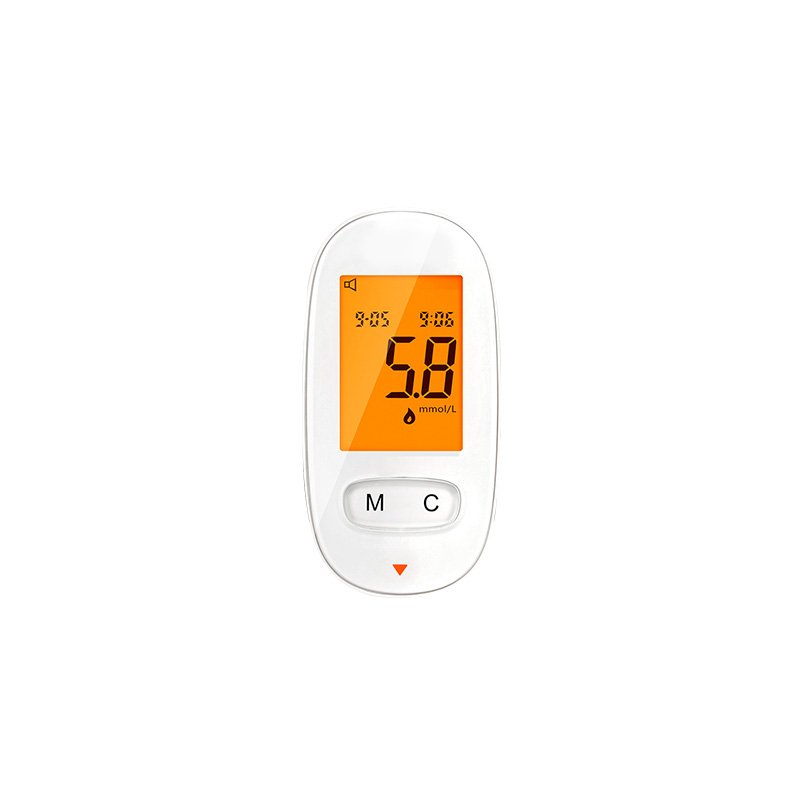
- Glucose Reading: The glucose meter measures this electrical current and uses it to calculate the blood glucose level. The result is then displayed on the meter’s digital screen in mg/dL or mmol/L.
Types of Glucose Meters:
- Basic Glucose Meters: These provide a quick reading of current blood glucose levels.
- Continuous Glucose Monitors (CGMs): These devices monitor glucose levels continuously through a sensor placed under the skin, providing real-time updates and trends over time.
- Bluetooth-Enabled Smart Glucose Meters: These can sync data with a smartphone app, allowing for better data tracking, analysis, and sharing with healthcare providers.
Key Features to Consider in a Glucose Meter:
- Accuracy: One of the most important features. FDA standards require that blood glucose readings should be within 15% of a lab standard 95% of the time.
- Ease of Use: Clear display, simple interface, and easy handling of strips and lancets.
- Sampling Size: Amount of blood needed for each test.
- Testing Speed: How quickly results are produced.
- Memory and Storage: Ability to store past test results for future reference.
- Connectivity: Some models offer the ability to transfer data to a computer or smartphone, which can be helpful for long-term monitoring and sharing information with a healthcare provider.
Benefits of Using a Glucose Meter:
- Immediate Feedback: Helps users understand how their choices affect their blood glucose levels.
- Better Control: Regular monitoring can help keep glucose levels within a target range, which can prevent or delay the complications of diabetes, such as nerve damage, eye problems, and kidney disease.
- Adjusting Treatment: Enables timely adjustments in diet, exercise, and medications.
- Trend Analysis: Helps in understanding long-term blood glucose patterns and trends.
Usage Tips:
- Regular Calibration: Ensure the device is calibrated regularly if required.
- Proper Storage and Handling of Test Strips: Exposure to air, moisture, and temperature extremes can affect their accuracy.
- Clean and Dry Your Hands: Before testing, wash your hands with soap and water to remove any food residue or contaminants that could affect the reading.
- Rotate Testing Sites: Regularly change the finger used for testing to prevent sore spots.
Conclusion:
Glucose meters are essential for individuals with diabetes, providing immediate feedback on blood glucose levels and aiding in effective disease management. Choosing the right glucose meter involves considering factors such as accuracy, ease of use, and additional features that might enhance the management of diabetes. Always consult with a healthcare provider to choose the most appropriate device and understand how to use it correctly.