Description
How a Pulse Oximeter Works:
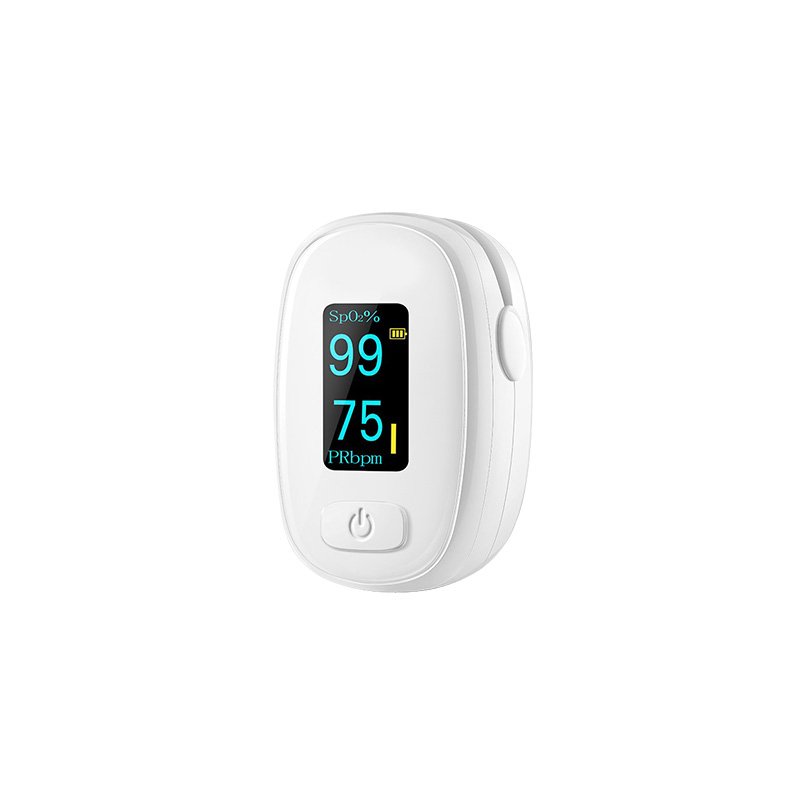
The pulse oximeter functions by passing beams of light through a relatively transparent area of the skin, such as a fingertip or an earlobe. It uses two wavelengths of light (red and infrared) to measure the difference in light absorption between oxygenated and deoxygenated blood. The device then calculates and displays the percentage of oxygen in the blood, known as the SpO2 level, along with the pulse rate.
Key Features of a Pulse Oximeter:
- Non-invasive: The measurement is taken without the need to withdraw blood, making it quick and painless.
- Portability: Most pulse oximeters are small, lightweight, and portable, making it easy for home use.
- Ease of Use: It is designed for simplicity, often requiring just the placement of the oximeter on the fingertip to get a reading.
- Immediate Feedback: It provides real-time information on oxygen saturation and heart rate.
- Digital Display: Readings are shown on a digital display, which typically also shows pulse rate and sometimes a graph of the heartbeat.
Applications of Pulse Oximeters:
- Medical Settings: Used in hospitals, clinics, and during medical procedures to monitor patients’ oxygen levels, especially during and after surgical procedures and in emergency rooms.
- At Home: Individuals with respiratory or cardiovascular conditions can monitor their oxygen levels at home. It is also commonly used by those recovering from COVID-19.
- Sports and Fitness: Athletes, particularly those in high-altitude sports, use oximeters to monitor their oxygen saturation to ensure they are properly oxygenated.
- Sleep Studies: Used in diagnosing sleep apnea and other sleep-related disorders where breathing may stop intermittently during sleep.
Considerations When Using a Pulse Oximeter:
- Accuracy: While pulse oximeters are generally accurate, factors such as poor circulation, cold hands, nail polish, or artificial nails might affect the accuracy.
- Not a Substitute for Medical Evaluation: It should not be used as the sole indicator of health status; other symptoms and signs should also be considered.
- Altitude Influence: High altitude can affect the readings due to lower atmospheric oxygen levels.
Recommendations for Users:
- Consult Healthcare Providers: Always use a pulse oximeter in consultation with healthcare professionals, especially when monitoring serious health conditions.
- Warm Hands: Ensure that the hands are warm, as cold hands can result in poor blood flow affecting the accuracy.
- Avoid Nail Interferences: Remove nail polish or false nails from the finger used for monitoring, as these can interfere with the sensor.
In summary, a pulse oximeter is an essential tool for monitoring oxygen saturation and pulse rate in various medical and personal settings. Its ease of use, immediate feedback, and non-invasive nature make it invaluable for both healthcare providers and patients.