
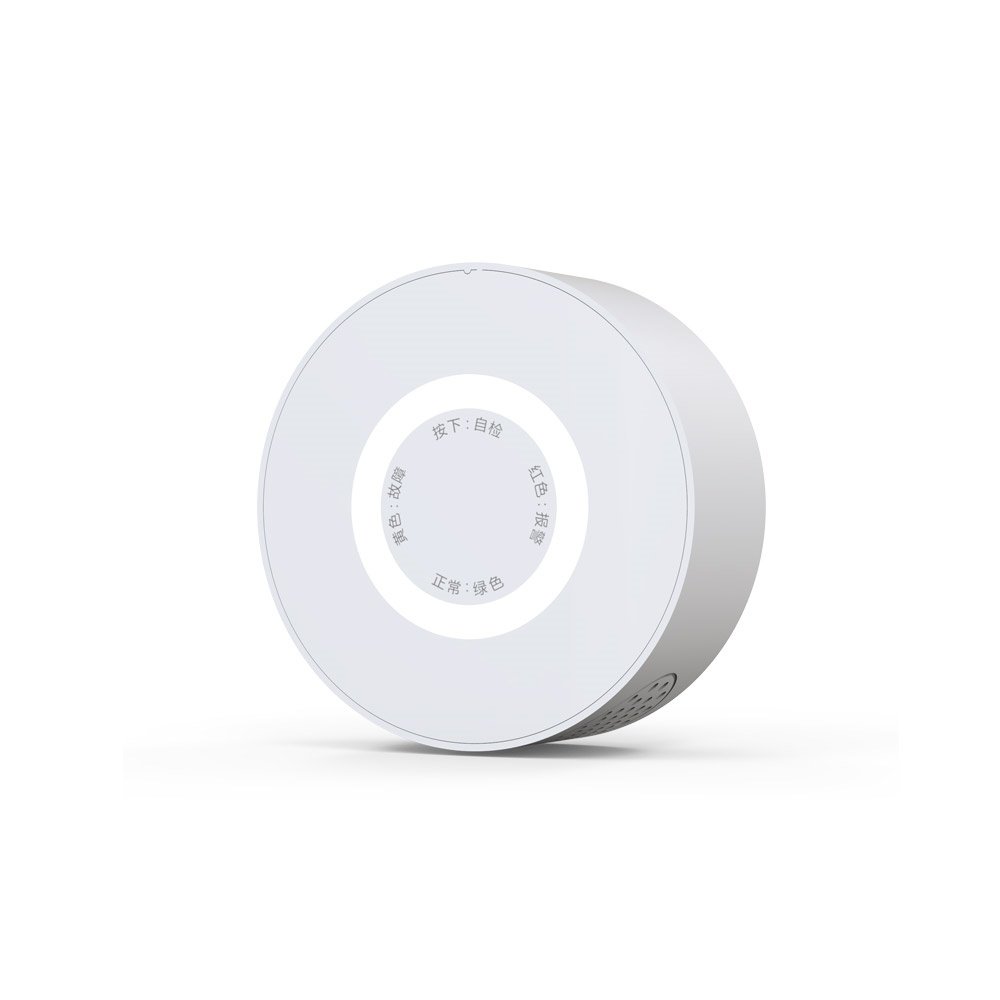
Description
Key Features of a Combustible Gas Detector:
1. Gas Detection Capabilities: Combustible gas detectors are specifically calibrated to detect gases that can ignite when mixed with air at certain concentrations. Common gases detected include methane, propane, butane, and hydrogen.
2. Sensitivity and Accuracy: High sensitivity to detect low concentrations of gas before reaching explosive levels, ensuring timely alerts and actions can be taken to mitigate risks.
3. Alarm Systems: These detectors usually feature both visual and audible alarms to alert personnel of potential hazards. The alarms escalate in urgency based on the concentration levels detected.
4. Types of Detectors: There are portable detectors for personal safety and fixed systems for monitoring specific areas. Portable detectors are carried by individuals, while fixed systems are installed in strategic locations.
5. Wireless Connectivity: Some models offer wireless connectivity, which allows for remote monitoring and integration with central control systems for comprehensive safety management.
6. Power Options: Operable on batteries for portable models, which is crucial for flexibility and mobility. Fixed systems are typically connected to a power source but may have battery backup.
Technical Specifications:
- Detection Principle: Usually based on catalytic combustion, infrared absorption, or semiconductor sensors, each suitable for different environments and gas types.
- Detection Range: Can vary, but typically from 0 to 100% of the Lower Explosive Limit (LEL) of the target gas.
- Response Time: Fast response time (usually seconds) to ensure immediate action can be taken.
- Operating Environment: Designed to operate under various environmental conditions, often ranging from -20°C to 50°C.
- Certifications: Should meet relevant safety standards such as UL, ATEX, or IECEx, ensuring reliability and effectiveness in hazardous environments.
Installation and Maintenance:
Installation:
- Strategic Placement: For fixed systems, detectors should be placed near potential leak sources but away from high airflow areas that could dilute the gas concentration.
- Height Considerations: Placement depends on the gas type – lighter gases (e.g., methane) detectors are placed higher, and heavier gases (e.g., propane) detectors are placed closer to the ground.
Maintenance:
- Regular Calibration: To ensure accuracy, regular calibration with standard gas concentrations is necessary.
- Functional Tests: Regular checks and tests to ensure operational integrity.
- Battery Checks: For portable units, regular checking and replacement of batteries are essential to maintain readiness.
Applications:
- Industrial Safety: Used in manufacturing plants, chemical processing plants, and oil and gas facilities where combustible gases are present.
- Residential Safety: Installation in homes that use natural gas for heating or cooking to detect leaks and prevent household fires or explosions.
- Mining Operations: Critical for detecting methane and other explosive gases in mining operations to ensure the safety of the workers.
Incorporating a Combustible Gas Detector in areas where flammable gases are present is an essential part of a comprehensive safety strategy, significantly reducing the risk of fire and explosion hazards.


