
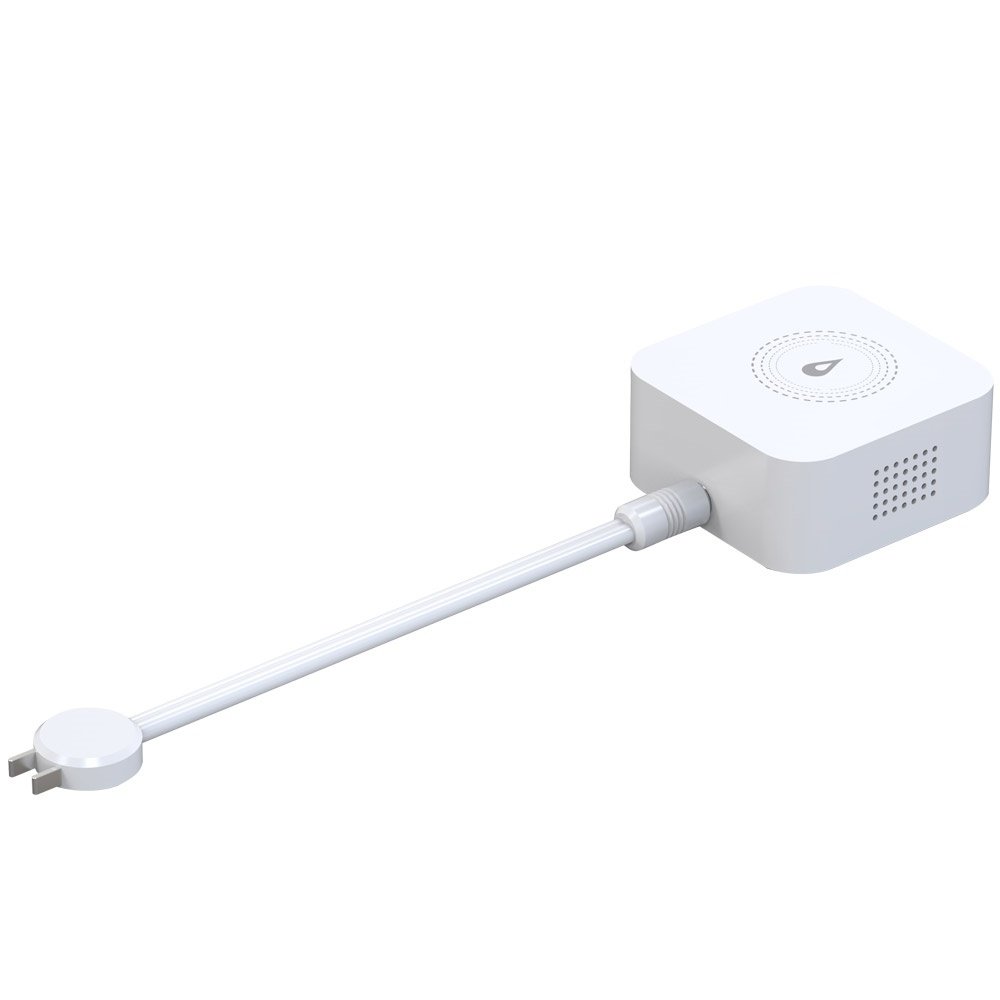
Description
How Water Immersion Sensors Function:
- Sensor Mechanism: Most water immersion sensors are equipped with two or more conductive probes. When water touches these probes, it completes an electrical circuit due to water’s conductive properties.
- Signal Activation: The completion of the circuit triggers an alarm system. This can be a local audible alarm, or the signal can be transmitted to a centralized monitoring system or a connected smart device.
- Types of Alerts: Depending on the setup, the sensor can activate various types of alerts including SMS, email notifications, or app notifications on smartphones.
Types of Water Immersion Sensors:
- Passive Sensors: These are basic sensors that simply detect water and trigger an alarm. They do not actively control any systems to mitigate damage.
- Active Sensors: More advanced sensors not only detect water leaks but can also interact with other devices to take preventative actions, such as shutting off the water supply via a connected smart valve.
Benefits of Water Immersion Sensors:
- Damage Prevention: Early detection of leaks can prevent extensive water damage and the associated high repair costs.
- Cost Efficiency: Minimizes the need for costly repairs by catching leaks early.
- Convenience: Many sensors offer remote monitoring through smartphone apps, allowing users to stay informed even when they’re away from home.
- Insurance Benefits: Some insurance companies provide discounts for homes equipped with leak detection systems.
Features to Consider When Choosing a Water Immersion Sensor:
- Connectivity: Check whether the sensor uses Wi-Fi, Zigbee, Z-Wave, or another protocol and ensure it’s compatible with your home network.
- Battery Life: Consider how long the battery will last and opt for models with long battery life to reduce maintenance.
- Integration: See if the sensor can be integrated with your existing home automation or security system for enhanced functionality.
- Alert Options: Look for sensors that offer various alert types, which can be crucial for immediate action in preventing damage.
- Durability and Sensitivity: Some sensors are designed to detect even small amounts of moisture, while others might only alert with more significant water contact. Also, consider the operating environment and select a sensor with appropriate durability.
Installation Tips:
- Location: Install sensors in any area prone to water leaks or flooding, such as near pipes, sinks, water heaters, and in basements.
- Testing: Regularly test the sensors to ensure they are operational and responsive to water contact.
- Maintenance: Check and replace batteries as needed and clean the sensor probes to prevent dirt and debris from affecting performance.
Incorporating water immersion sensors into your home or workplace can significantly reduce the risk of water damage. With advancements in smart home technology, these sensors not only provide peace of mind but also add a layer of security and efficiency to managing environmental hazards.
