Description
Features and Operation
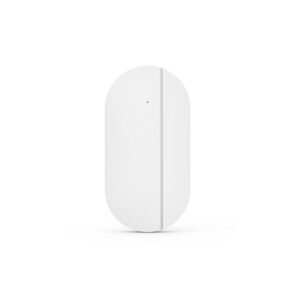
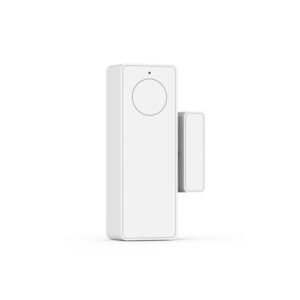
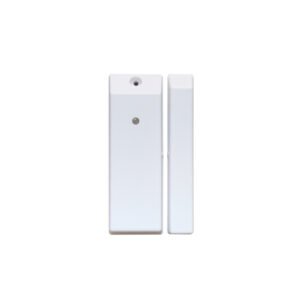
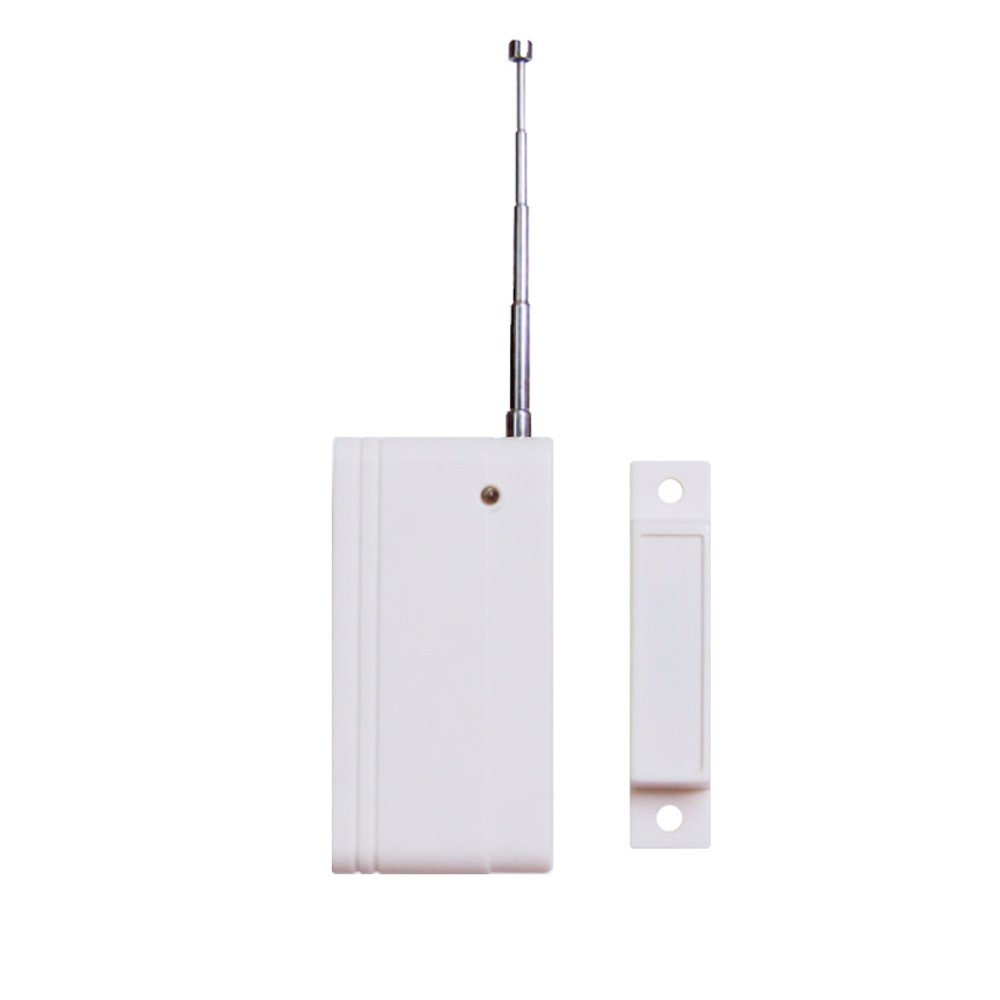
Wireless door and window sensors consist of two main elements:
- Sensor Unit: This part is usually attached to the door or window frame.
- Magnet: This component is fixed to the door or window itself.
When the door or window is closed, the sensor and magnet are in close proximity, allowing the magnetic field to keep the sensor inactive. Once the door or window is opened, the separation of the magnet from the sensor breaks the magnetic field, which activates the sensor. The sensor then communicates wirelessly with the central security control panel or a smart home system, triggering an alert.
Installation Guide
Installing these sensors is often a straightforward DIY task:
- Selecting the Location: Identify the most vulnerable doors and windows or those you wish to monitor.
- Mounting the Units: Attach the sensor to the door or window frame and the magnet to the door or window. They should be positioned close enough to maintain contact when closed.
- Alignment Check: Ensure that the units are perfectly aligned when the door or window is closed to prevent false alarms.
- Connection: Pair the sensor with your security system or smart home network. This might involve scanning a QR code or pressing a synchronization button.
Advantages
- Convenience: Wireless design eliminates the need for complex wiring, making installation cleaner and less invasive.
- Security Enhancement: Immediate alerts when a door or window is opened can help prevent break-ins and unauthorized access.
- Integration: Easily integrates with broader smart home or security systems, allowing for automated responses or notifications.
- Flexibility: Can be installed on all types of doors and windows, including those in hard-to-reach places.
Key Considerations
- Power Supply: They operate on batteries, so it’s important to check and replace them periodically to maintain functionality.
- Signal Range: Make sure that the sensor is within the wireless range of your central system to ensure reliable communication.
- Environmental Durability: Since some sensors may be exposed to environmental elements, choosing weather-resistant models is beneficial for outdoor installations.
Applications
- Home Security: Ideal for monitoring access points in homes, enhancing the safety of residents by alerting them to any potential intrusions.
- Business Security: Helps secure business premises by monitoring when doors and windows are accessed, especially important for after-hours security.
- Child and Elder Safety: In homes with young children or elderly residents, these sensors can alert caregivers if potentially dangerous or restricted areas are accessed.
Wireless door and window sensors thus offer a practical and effective way to enhance the security and monitoring capabilities of any property, ensuring peace of mind for homeowners and business owners alike.