Description
How They Function
Wireless door and window sensors operate using a simple yet effective mechanism:
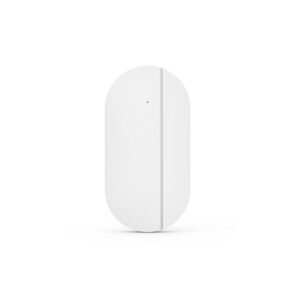
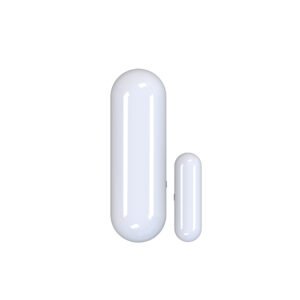
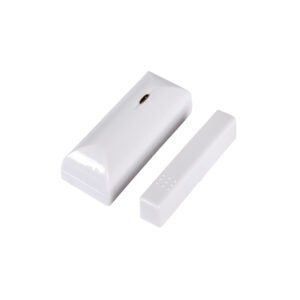
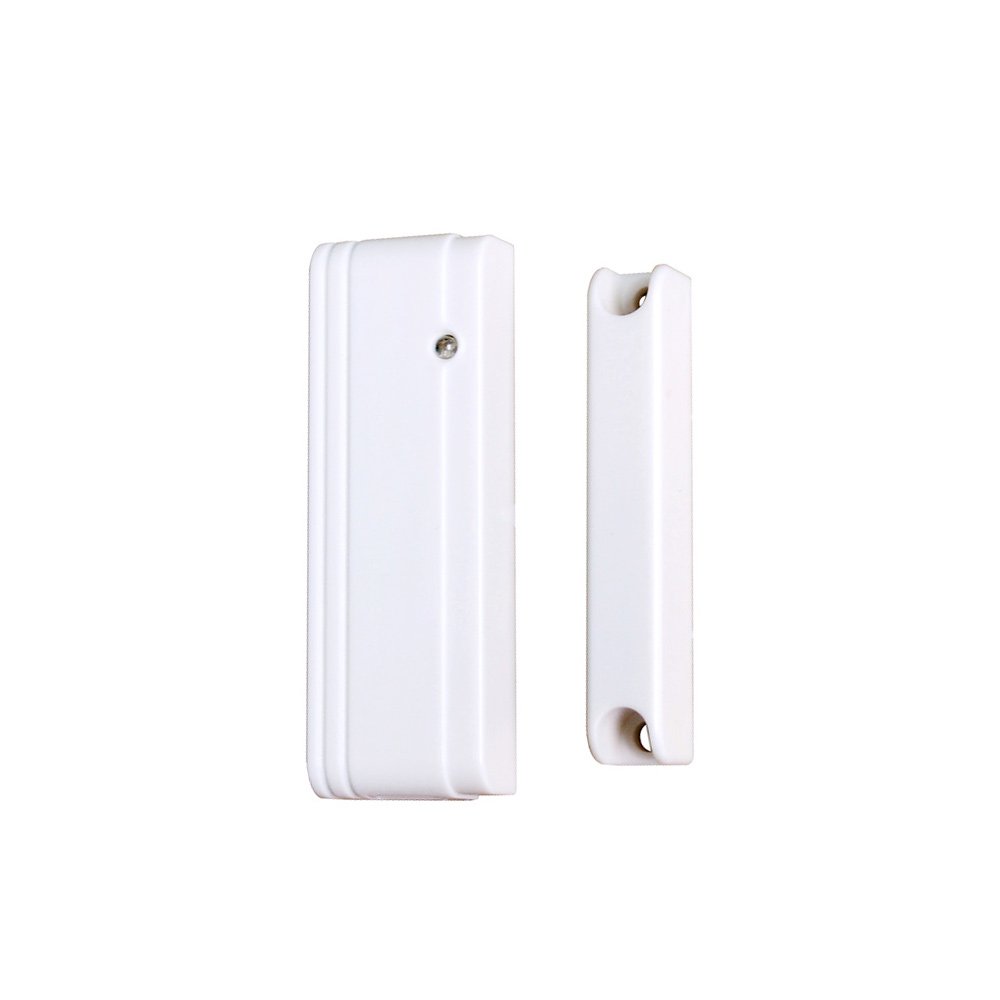
- Component Setup: Each sensor system comprises two main parts – a sensor and a corresponding magnet. The sensor is typically mounted on the door or window frame, and the magnet is placed on the door or window itself.
- Magnetic Contact: The two parts are aligned when the door or window is closed, creating a magnetic field that keeps the sensor in a dormant state.
- Activation: When the door or window is opened, the magnet moves away from the sensor, disrupting the magnetic field. This disruption triggers the sensor to send a signal to the central alarm system or a connected smart device, indicating that the entry point has been breached.
Installation Insights
To effectively set up wireless door and window sensors, consider the following steps:
- Strategic Placement: Determine which entry points are most vulnerable or critical in your home or business. Prioritize ground floor doors and windows that are obscured from public view.
- Proper Alignment: Ensure that the sensor and the magnet are properly aligned when the door or window is shut. Misalignment could lead to false alarms or failure to detect actual openings.
- Secure Mounting: Use strong adhesive strips or screws for mounting to ensure the components remain in place over time.
Advantages
- Non-intrusive Security: These sensors are small and can be installed without significant alterations to the door or window structures.
- Remote Monitoring: Integration with smart home systems allows for notifications on smartphones or other devices, letting you monitor your home from anywhere.
- User-friendly: Most wireless sensors are easy to install and set up, offering a user-friendly approach to home security.
Practical Considerations
- Battery Dependency: Regular checks on the battery life of each sensor are necessary to ensure continuous protection.
- Wireless Range: Ensure the sensors are within the effective range of your central security system or hub to maintain reliable communication.
- Environmental Factors: Consider the impact of environmental factors such as heat, cold, and humidity, which could affect the performance of the sensors.
Usage Scenarios
- Residential Security: Protect homes from intruders by alerting homeowners of any breaches at entry points.
- Commercial Monitoring: Secure business premises by tracking and recording when doors and windows are accessed, especially during non-business hours.
- Safety Alerts: In homes with small children or elderly individuals, sensors can provide alerts if potentially unsafe areas are accessed.
In essence, wireless door and window sensors provide a straightforward and efficient solution for enhancing security at various entry points, ensuring peace of mind through immediate alerts and remote monitoring capabilities.