Description
Fundamental Characteristics of Wireless Door/Window Sensors:
- Wireless Operation: The sensors connect wirelessly to the central security system, which eliminates the need for complex wiring, simplifies installation, and offers flexibility in placement.
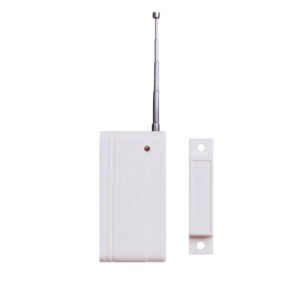
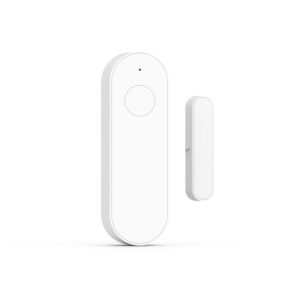
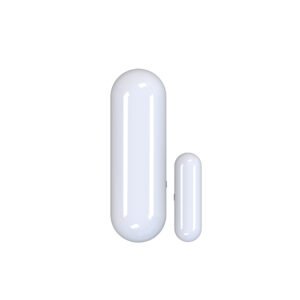
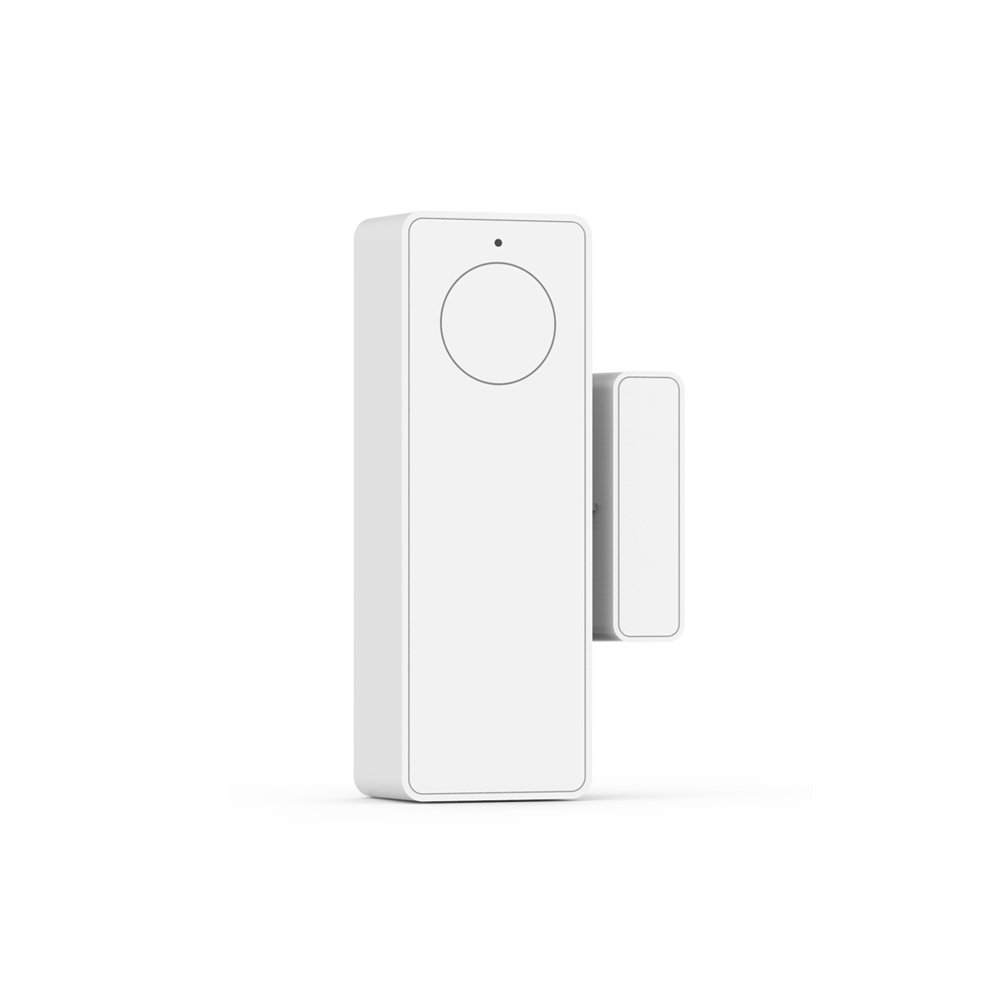
- Magnetic Contact System: Each sensor comprises two magnetic parts; one is mounted on the door or window, and the other on the frame. The circuit completes when the door or window is closed. Opening the door or window breaks this magnetic contact, triggering an alert.
- Battery-Operated: They are powered by batteries, ensuring that they remain operational even during electrical outages.
- Seamless Integration: These sensors can integrate smoothly with broader home automation or security systems, allowing for immediate notifications on your smart devices or to a central monitoring service.
- Discreet Design: Designed to be small and inconspicuous, these sensors do not disrupt the look of the doors or windows where they are installed.
Usage Scenarios:
- Home Security: They are commonly used in residential areas to monitor doors and windows, alerting homeowners of any breaches.
- Business Security: In commercial spaces, these sensors help in securing premises by monitoring and reporting any unauthorized entries.
- Safety for Children: They can be used to keep an eye on the movements of children, alerting if a child opens a door or window unsupervised.
- Assistance for the Elderly: Useful in households with elderly individuals to notify caregivers if an exterior door or window is unexpectedly accessed.
Installation and Maintenance Guidelines:
- Installation: Attach one component of the sensor on the door or window and the matching part on the frame, making sure the two align closely when the door or window is shut.
- Operational Testing: It’s essential to test the sensors after installation to confirm they are effectively communicating with the central security system and are correctly triggered by opening movements.
- Battery Management: Regularly check the batteries and replace them as needed to ensure the sensors are always working. Most units will indicate when batteries are low.
- Periodic Reviews: Regularly inspect the sensors for any signs of damage or tampering to ensure they maintain their functionality and reliability.
Wireless door/window sensors offer a robust solution for enhancing security in any facility. Their advantages include straightforward installation, reliable operation, and compatibility with modern security technologies, making them crucial for preventive security measures.
Fundamental Characteristics of Wireless Door/Window Sensors:
- Wireless Operation: The sensors connect wirelessly to the central security system, which eliminates the need for complex wiring, simplifies installation, and offers flexibility in placement.
- Magnetic Contact System: Each sensor comprises two magnetic parts; one is mounted on the door or window, and the other on the frame. The circuit completes when the door or window is closed. Opening the door or window breaks this magnetic contact, triggering an alert.
- Battery-Operated: They are powered by batteries, ensuring that they remain operational even during electrical outages.
- Seamless Integration: These sensors can integrate smoothly with broader home automation or security systems, allowing for immediate notifications on your smart devices or to a central monitoring service.
- Discreet Design: Designed to be small and inconspicuous, these sensors do not disrupt the look of the doors or windows where they are installed.
Usage Scenarios:
- Home Security: They are commonly used in residential areas to monitor doors and windows, alerting homeowners of any breaches.
- Business Security: In commercial spaces, these sensors help in securing premises by monitoring and reporting any unauthorized entries.
- Safety for Children: They can be used to keep an eye on the movements of children, alerting if a child opens a door or window unsupervised.
- Assistance for the Elderly: Useful in households with elderly individuals to notify caregivers if an exterior door or window is unexpectedly accessed.