
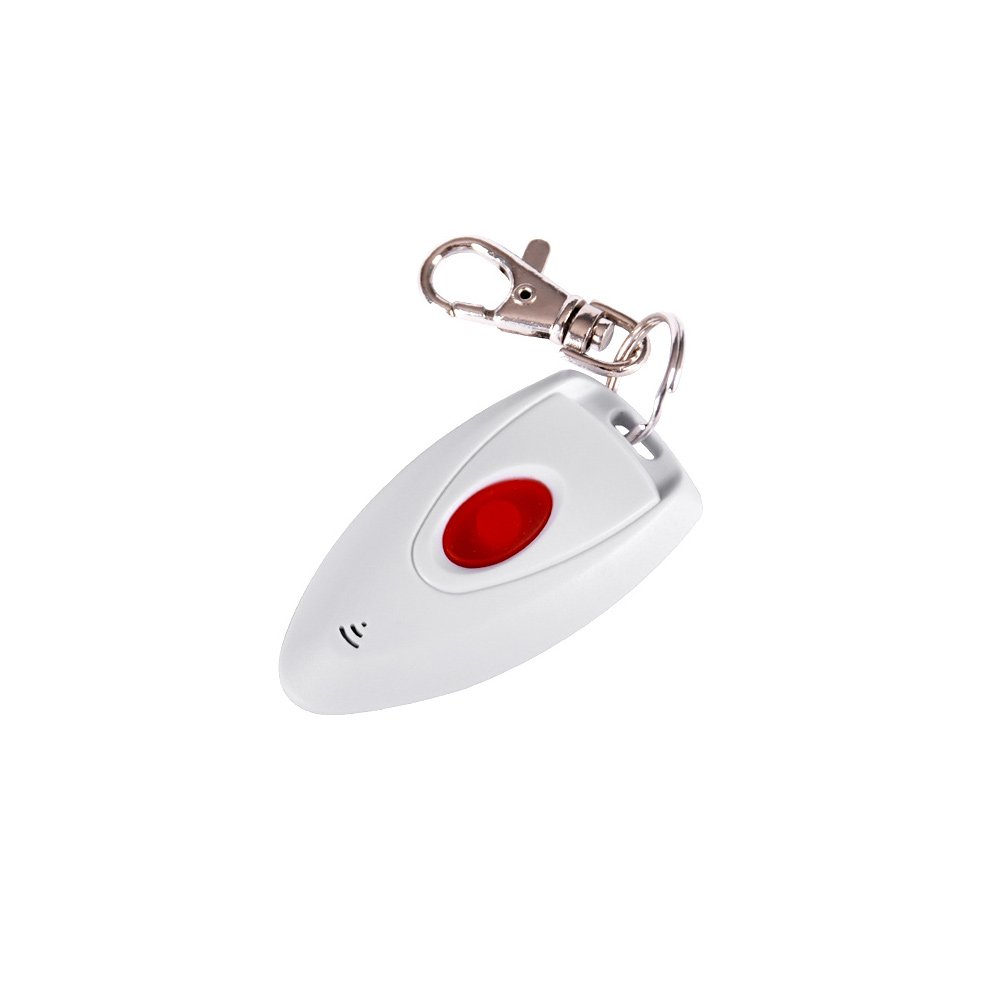
Description
Key Features of a Wireless Emergency Button:
- Wireless Connectivity: Allows for flexible placement and easy installation without the need for complex wiring, enabling immediate deployment in various environments.
- One-Touch Operation: Simplifies the process of sending an alert. With just a single press, the button activates the emergency system connected to it.
- Portable and Compact: Typically small and lightweight, these buttons can be carried on a person (like a pendant or wristband) or mounted in strategic locations.
- Wide Coverage: Capable of sending signals over considerable distances, ensuring effective communication with the main alarm system or monitoring center.
- Durable Design: Built to be resilient and function reliably under various conditions, including frequent usage and potential environmental stresses.
Ideal Use Cases:
- Home Safety for the Elderly or Disabled: Provides individuals the means to alert caregivers or emergency services quickly and efficiently from anywhere within their home.
- Medical Facilities: Enables staff and patients to immediately report emergencies or request assistance.
- Educational Institutions: Offers teachers and students a way to quickly initiate a lockdown or call for help in crisis situations.
- Workplaces: Enhances employee safety by facilitating immediate response actions during accidents or health emergencies.
Installation and Maintenance Tips:
- Strategic Placement: Install the emergency buttons in easily accessible locations known to all users, such as beside beds, near toilets, in hallways, or at reception desks.
- Regular Testing: Ensure the functionality of each button through routine checks. This confirms that the system communicates effectively with the response team or monitoring service.
- Battery Checks: Regularly replace or recharge batteries to maintain continuous operation and prevent failures in critical moments.
- User Training: Educate all potential users about the location and use of the emergency buttons to ensure everyone understands how to operate them in case of an emergency.
Incorporating Wireless Emergency Buttons into a safety system significantly enhances the ability to respond swiftly to emergencies, providing peace of mind for users and those responsible for their care. This simple yet powerful tool is an invaluable addition to any comprehensive security and emergency response plan.


