
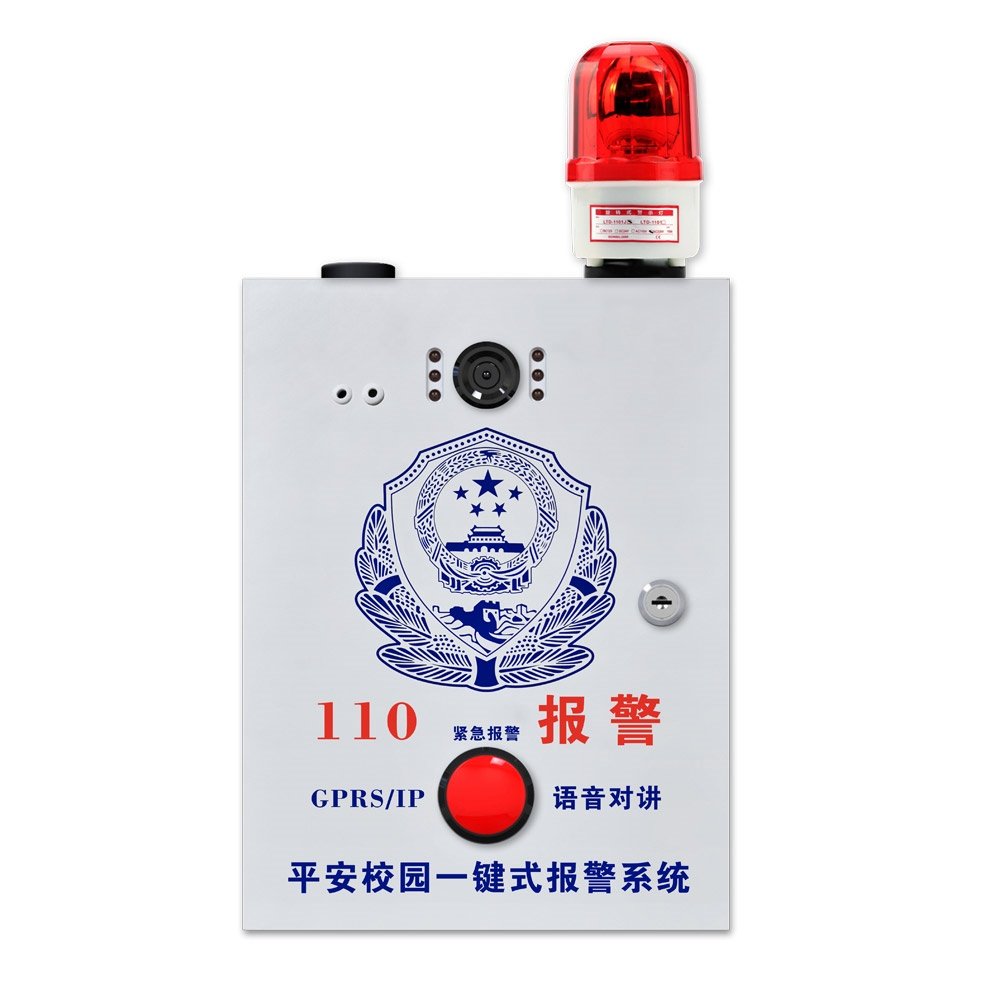
Introduction: The New Frontier of Security
In the evolving landscape of security technology, AI-powered cameras are fundamentally transforming how organizations approach perimeter protection. What was once a realm dominated by motion sensors, basic cameras, and human monitoring has now entered an era of intelligent, predictive, and autonomous surveillance. Traditional systems often generated countless false alarms—triggered by animals, weather, or shifting shadows—while potentially missing genuine threats. Today, AI-driven solutions analyze video feeds in real-time, distinguishing between routine activity and suspicious behavior, thereby creating a smarter, more responsive security barrier.
This revolution is not merely incremental; it’s a paradigm shift. Modern AI cameras integrate computer vision, machine learning, and deep neural networks to understand visual contexts, track objects, and even predict potential security breaches before they occur. For facilities ranging from critical infrastructure and industrial plants to corporate campuses and smart cities, this means enhanced safety, reduced operational costs, and a significantly stronger security posture.
In this detailed guide, we will explore the technological underpinnings of AI-powered perimeter protection, examine its key applications, present real-world data on its effectiveness, and address common professional questions. We’ll also incorporate the latest market data and trends to provide a current, authoritative resource.
Chapter 1: The Technology Behind AI-Powered Perimeter Security
1.1 Core Components: More Than Just a Camera
An AI-powered security camera is a sophisticated system comprising several integrated technologies:
- High-Resolution Sensors & Optics: Modern cameras offer 4K+ resolution, superior low-light performance (using starlight or thermal sensors), and wide dynamic range to capture clear images in any condition.
- On-Device Edge AI Processing: Instead of sending all footage to a central server, edge computing allows the camera itself to run AI algorithms. This reduces bandwidth use, lowers latency for real-time alerts, and enhances system resilience.
- Computer Vision (CV) Models: These are trained to recognize and classify objects (person, vehicle, animal) and behaviors (loitering, fence climbing, object left behind).
- Machine Learning Frameworks: Systems continuously learn from new data, adapting to specific environments to reduce false positives and improve detection accuracy over time.
1.2 Key AI Capabilities Redefining Detection
- Advanced Object Classification & Tracking: Distinguishes a human intruder from a deer or a blowing plastic bag with over 99% accuracy in optimal conditions.
- Behavioral Analytics: Identifies atypical actions such as perimeter crawling, tailgating at access points, or erratic vehicle movement.
- Predictive Threat Analysis: By analyzing patterns, the system can flag potential threats, like a vehicle repeatedly circling a property.
- Automated Forensic Search: Post-event, security personnel can search footage using natural language queries (“Find all red trucks near Gate B last Tuesday”) instead of manually reviewing hours of video.
1.3 Integration with Broader Security Ecosystems
AI cameras don’t operate in a vacuum. They integrate seamlessly with:
- Access Control Systems: To verify identities and trigger door unlocks.
- Intrusion Detection Systems (IDS): Correlating video alerts with sensor triggers.
- Security Information and Event Management (SIEM) Platforms: Providing visual context to security events for a unified operational view.
Chapter 2: Applications & Use Cases Across Industries
2.1 Critical Infrastructure & Utilities
Power plants, water treatment facilities, and communication hubs are high-value targets. AI cameras provide 24/7 automated surveillance, detecting intrusion attempts in restricted zones, monitoring for sabotage, and ensuring compliance with safety perimeters. Thermal AI cameras can also spot overheated equipment, adding a layer of operational safety.
2.2 Logistics & Warehousing
For large distribution centers and ports, perimeter security is challenging due to scale. AI-powered solutions enable virtual fence lines and monitor loading dock activity, preventing theft, unauthorized access, and ensuring that only authorized personnel and vehicles are in designated zones.
2.3 Corporate & Educational Campuses
These environments require balancing security with openness. AI systems can protect boundaries while differentiating between a student walking late and an intruder, or detecting unattended bags or unauthorized vehicles in sensitive parking areas.
2.4 Smart Cities & Public Safety
Cities deploy AI cameras at transportation hubs, public squares, and critical intersections. They aid in crowd management, detection of unattended items, license plate recognition for stolen vehicles, and monitoring for unusual gatherings or traffic disruptions, enhancing overall public safety.
Chapter 3: Performance Data & Cost-Benefit Analysis
The adoption of AI-powered cameras is driven by quantifiable improvements in performance and return on investment (ROI). The following tables present synthesized data from recent industry reports (2023-2024) and case studies.
Table 1: Performance Comparison: Traditional vs. AI-Powered Camera Systems
| Metric | Traditional CCTV/Video Analytics | Modern AI-Powered System | Improvement Factor |
|---|---|---|---|
| Detection Accuracy | 70-85% (Prone to environmental false alarms) | 95-99.5% (With advanced classification) | ~35% Increase |
| False Alarm Rate | 10-50+ per day, per camera (common) | <1-5 per day, per camera (typical) | Up to 90% Reduction |
| Response Time to Threat | Minutes to hours (Reliant on human monitoring) | Seconds to minutes (Real-time push alerts) | ~80% Faster |
| Forensic Search Efficiency | Manual review: Hours per incident | AI search: Minutes per incident | Time savings >90% |
| Adaptive Learning | None or minimal | Continuous environmental adaptation | From Static to Dynamic |
Sources: Frost & Sullivan “AI in Physical Security” Report (2023); ASIS International member surveys; Manufacturer white papers.
Table 2: Operational Cost-Benefit Analysis Over 3 Years (Model for a Mid-Sized Facility)
| Cost/Benefit Category | Traditional System | AI-Powered System | Notes |
|---|---|---|---|
| Initial Hardware/Setup | $100,000 | $150,000 | Higher upfront cost for AI. |
| Annual Monitoring Labor | $120,000 | $40,000 | Significant reduction in guard hours due to fewer false alarms and automated alerts. |
| Incident Response Cost | $30,000 | $10,000 | Faster response mitigates damage/theft. |
| System Maintenance & Bandwidth | $15,000 | $10,000 | Edge processing reduces cloud/bandwidth costs. |
| Total 3-Year Cost | $505,000 | $370,000 | Net 3-Year Savings with AI: $135,000 |
| Intangible Benefits | Basic deterrence, evidence collection. | Proactive prevention, predictive insights, insurance premium discounts, operational data. | AI provides strategic value beyond security. |
Note: Figures are illustrative models based on composite industry data. Actual ROI varies by scale and implementation.
Table 3: Global Market Growth for AI in Video Surveillance (2022-2030)
| Segment | 2023 Market Size (USD Billion) | Projected 2030 Market Size (USD Billion) | CAGR (2024-2030) | Key Drivers |
|---|---|---|---|---|
| AI-Based Video Analytics | 8.2 | 28.5 | ~22% | Demand for automation, smart city projects. |
| Perimeter Protection Applications | 4.1 | 14.9 | ~21% | Rising security concerns, critical infrastructure investment. |
| Edge AI Cameras | 5.7 | 20.3 | ~23% | Need for low-latency, bandwidth-efficient solutions. |
Primary Source: Fortune Business Insights, “Video Analytics Market” Report, 2024; Grand View Research.
Chapter 4: Implementation Considerations & Best Practices
4.1 Assessing Your Needs and Environment
Before deployment, conduct a thorough risk assessment and site survey. Consider lighting, weather patterns, blind spots, and the typical activity around your perimeter. This will inform camera placement, type (e.g., thermal for complete darkness), and the specific AI models needed.
4.2 Choosing the Right Solution: Key Questions
- Edge vs. Cloud AI: Does the solution process video on-camera (edge) for speed and privacy, or in the cloud for centralized model management?
- Open Platform vs. Vendor Lock-in: Can the AI camera integrate with your existing VMS and other security systems?
- Data Privacy & Compliance: How is video data stored, processed, and anonymized? Ensure compliance with regulations like GDPR, CCPA, or industry-specific guidelines.
- Scalability: Can the system grow easily with additional cameras and more complex AI rules?
4.3 Ethical Deployment and Privacy
Transparency is crucial, especially in public or employee-facing applications. Clearly communicate the purpose of surveillance, data usage policies, and ensure the system is used for its intended security purpose, avoiding unauthorized monitoring.
Chapter 5: The Future of AI in Perimeter Protection
The next wave of innovation is already emerging:
- AI Fusion with LiDAR and Radar: Combining visual data with LiDAR/radar for precise 3D tracking and superior performance in fog, dust, or total darkness.
- Predictive & Prescriptive Analytics: Moving from “what is happening” to “what is likely to happen and what should we do.”
- Autonomous Response Integration: Linking AI detection directly to automated systems like drone deployment, barrier controls, or targeted audio warnings.
- Generative AI for Simulation & Training: Using AI to create realistic threat scenarios for training security models and personnel without real-world risk.
Professional Q&A: Addressing Key Industry Questions
Q1: How do AI-powered cameras handle extreme weather conditions that traditionally cause false alarms (e.g., heavy rain, snow, fog)?
A: Modern systems employ multiple strategies. First, sensor fusion—combining thermal imaging (impervious to visual obscurants) with visual light cameras—provides a reliable data stream in poor weather. Second, advanced AI models are specifically trained on datasets containing these environmental conditions, teaching them to “look through” the noise. Third, temporal analysis helps; a sudden, massive blob from snow is analyzed differently than a distinct, moving human shape. While no system is 100% infallible, leading solutions now maintain >90% accuracy in severe weather, a monumental leap over traditional motion-based systems.
Q2: With the rise of AI, what is the evolving role of human security personnel in a perimeter protection operation?
A: The role is shifting from passive monitoring to active response and management. AI handles the tedious, repetitive task of watching video feeds, freeing personnel to focus on high-value activities: investigating verified alerts, executing strategic security protocols, and managing the overall system. The human-in-the-loop remains essential for contextual decision-making, handling complex scenarios AI doesn’t understand, and providing the legal and ethical oversight for AI actions. They become force multipliers, managing larger areas more effectively with AI as their tool.
Q3: What are the current cybersecurity risks associated with IP-based AI cameras, and how can they be mitigated?
A: As networked devices, AI cameras are potential entry points for cyber attacks. Risks include unauthorized access to video feeds, device hijacking for botnets, and manipulation of AI models (data poisoning). Mitigation is multi-layered:
- Hardening Devices: Choose cameras with secure boot, signed firmware, and no default passwords.
- Network Segmentation: Place cameras on a separate VLAN, isolated from critical corporate IT networks.
- Regular Updates: Ensure timely patches for camera firmware and the AI software stack.
- Encryption: Mandate end-to-end encryption for video data both in transit and at rest.
- Vendor Due Diligence: Select vendors with a strong public commitment to cybersecurity, transparent about their practices and compliance certifications (e.g., SOC2, IEC 62443).
Q4: Can the AI models in these cameras be customized for highly specific or unique threats relevant to my facility?
A: Yes, and this is a major advantage of modern platforms. There are typically two levels of customization:
- Configuration of Pre-Trained Models: Most systems allow fine-tuning parameters (sensitivity, zones, object filters) to suit your environment without deep technical expertise.
- Custom Model Training: For unique needs (e.g., detecting a specific type of equipment tampering or an uncommon vehicle), advanced platforms offer tools or services for custom model training. This involves feeding the system hundreds or thousands of labeled images of the specific object or behavior. While this requires more resources, it enables protection against highly tailored threats.
Conclusion
The revolution in perimeter protection driven by AI-powered cameras is delivering unprecedented levels of security, efficiency, and intelligence. By moving from reactive recording to proactive, intelligent detection, organizations are not only preventing losses but also gaining valuable operational insights. The data clearly shows dramatic reductions in false alarms, faster response times, and a compelling return on investment.
As technology continues to advance with edge computing, multi-sensor fusion, and more sophisticated AI, these systems will become even more capable, autonomous, and integral to holistic security strategies. For any organization serious about modernizing its perimeter security, the question is no longer if to adopt AI, but how and when to implement it effectively to build a safer, smarter future.
Disclaimer: The market data and financial models presented are based on publicly available reports and aggregated case studies as of early 2024. They are intended for illustrative and informational purposes. Specific performance and ROI will vary based on individual deployment circumstances, vendor selection, and environmental factors. Always conduct a thorough professional assessment for your unique requirements.


