
Description
Key Features and Components:
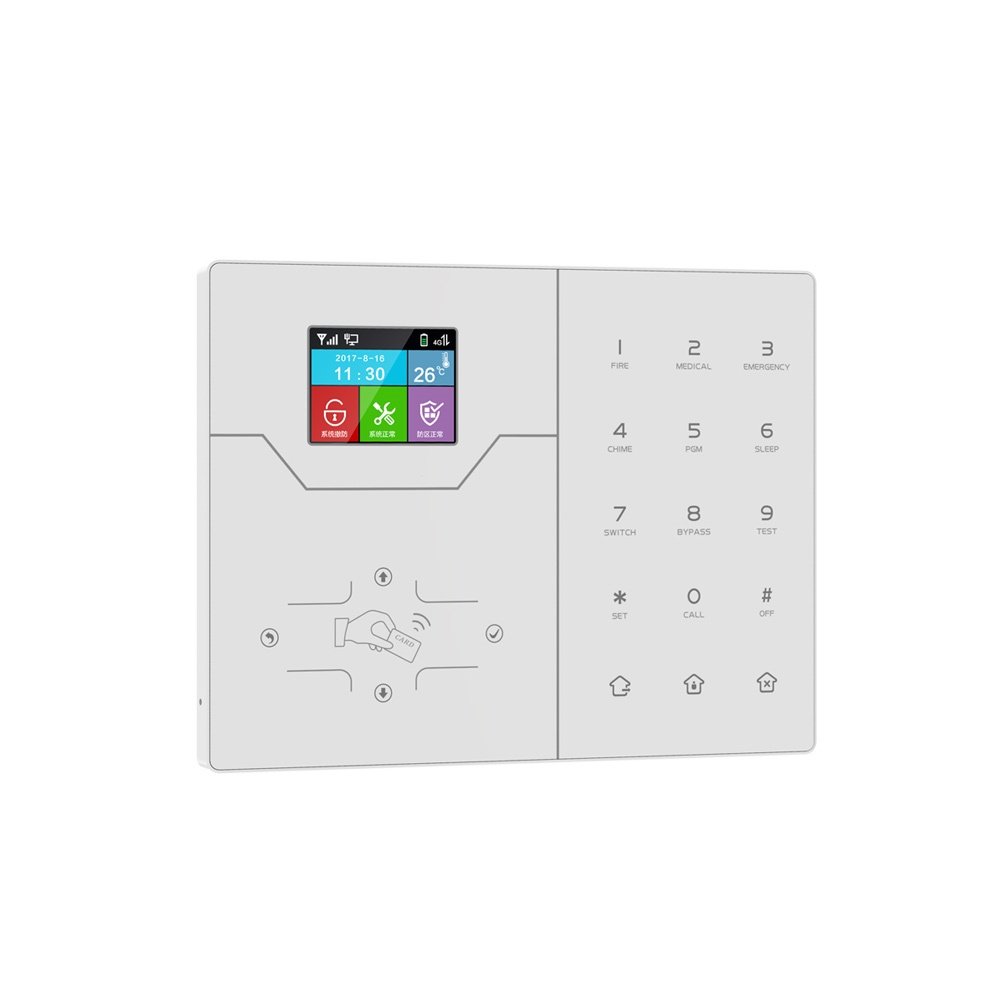
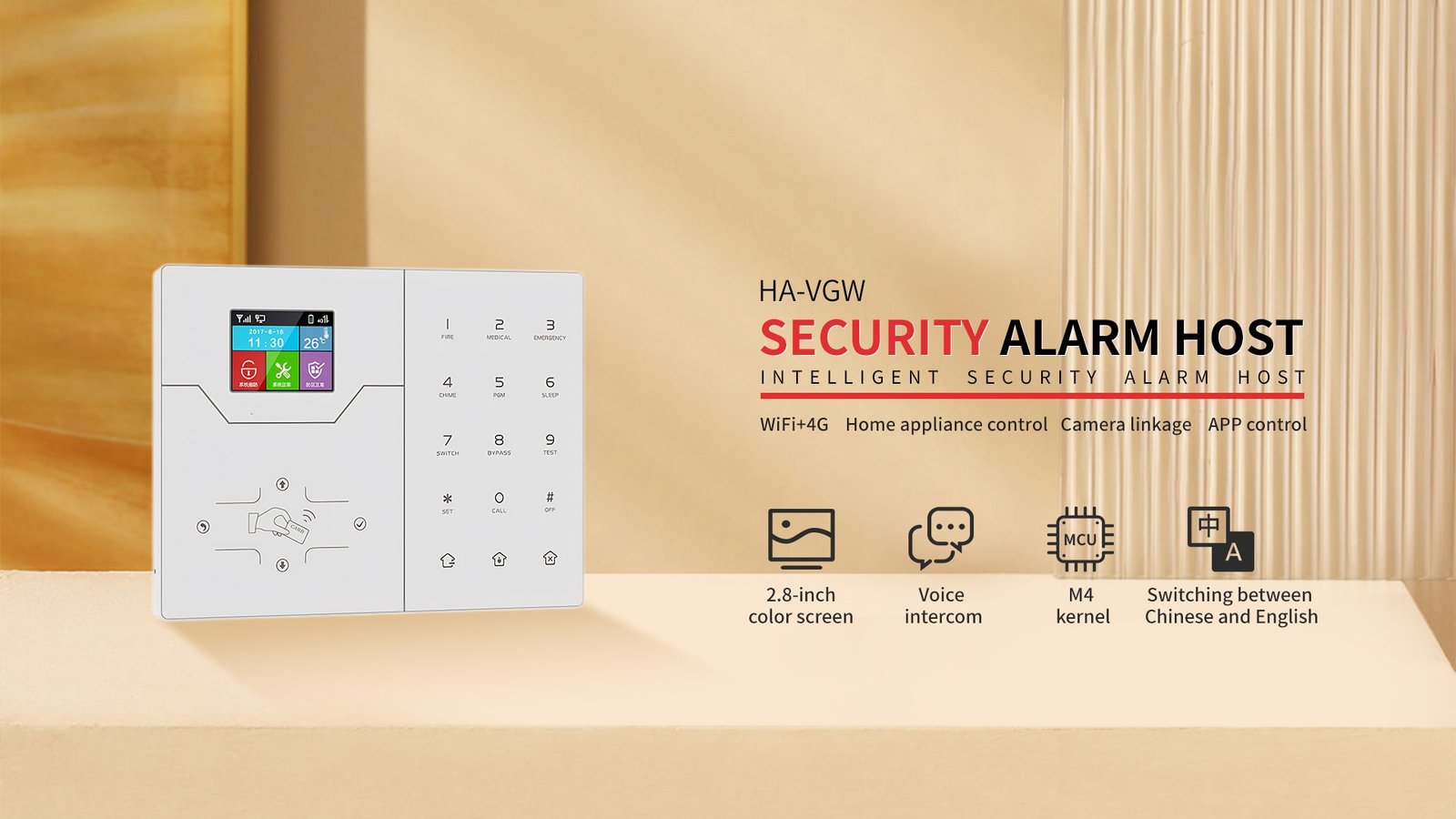
- Color LCD Display:
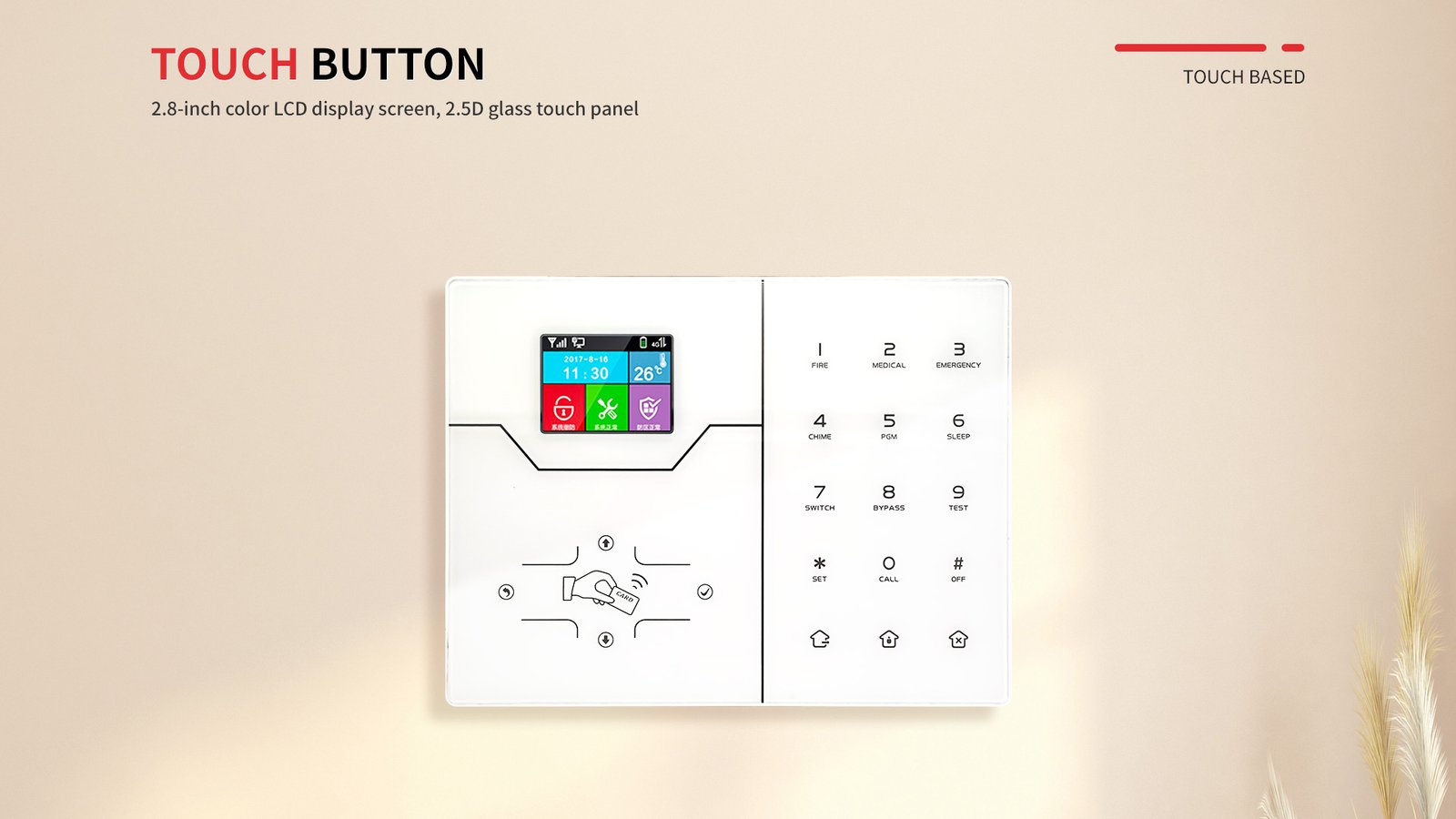
- Serves as the main interface for the system, displaying information in color for enhanced clarity and user experience.
- Allows users to easily navigate through menus, view system statuses, and manage settings directly from the keypad.
- GPRS Connectivity:
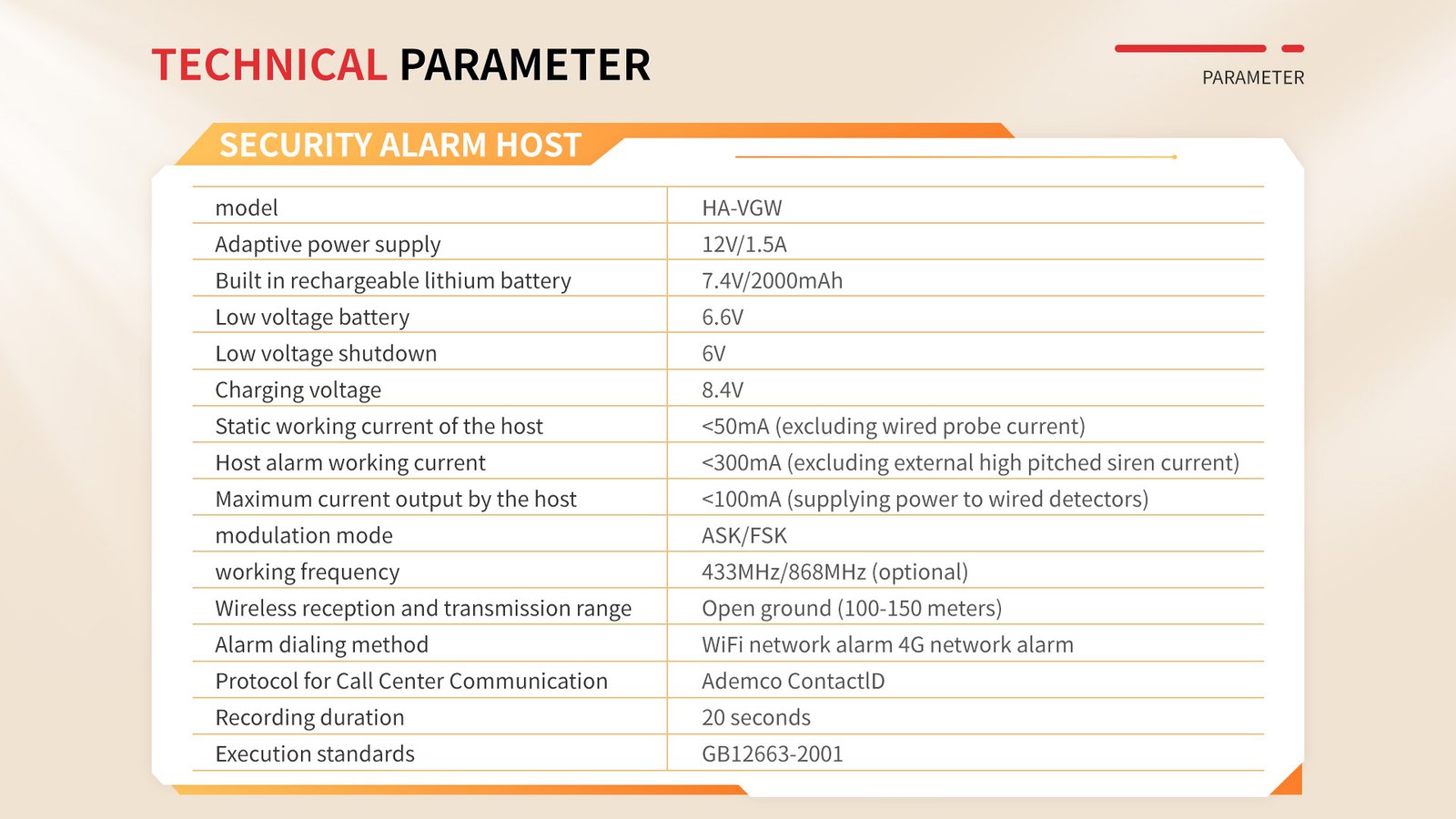
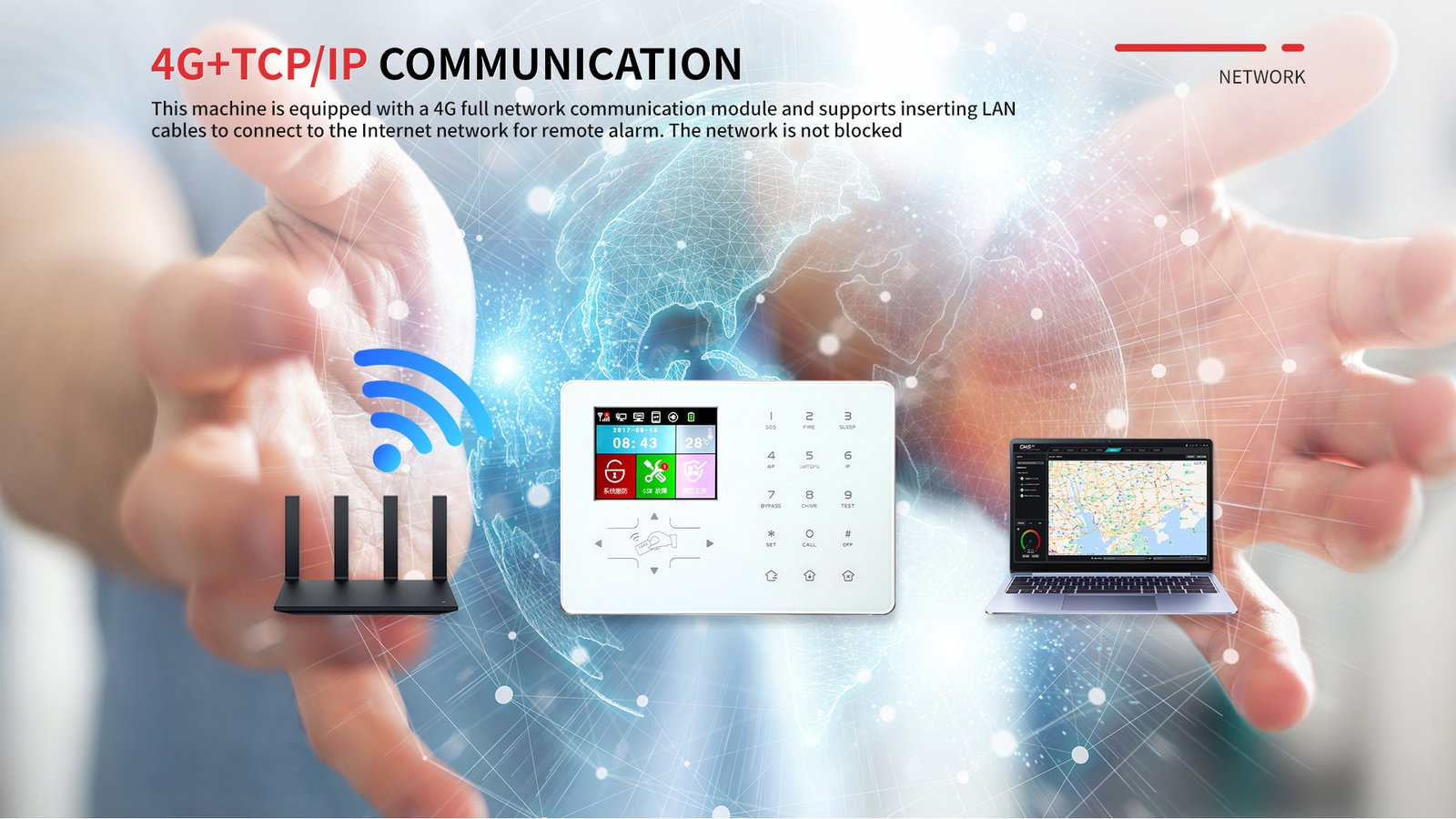
- Utilizes General Packet Radio Service (GPRS) technology for wireless communication between the alarm system and the monitoring service or the user’s smartphone.
- Ensures that the system remains operational even if traditional phone lines are compromised or unavailable.
- Sensors and Detectors:
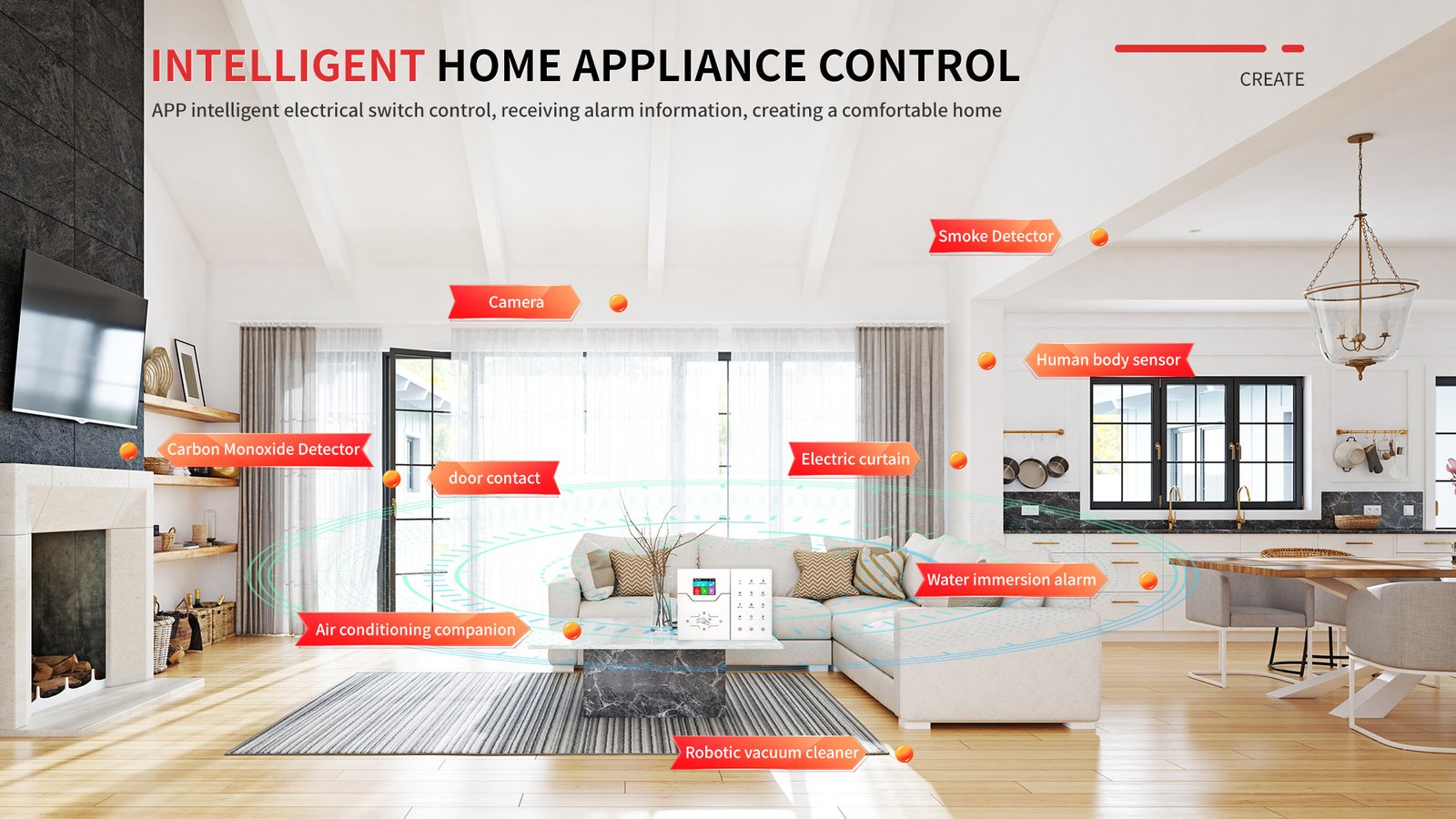
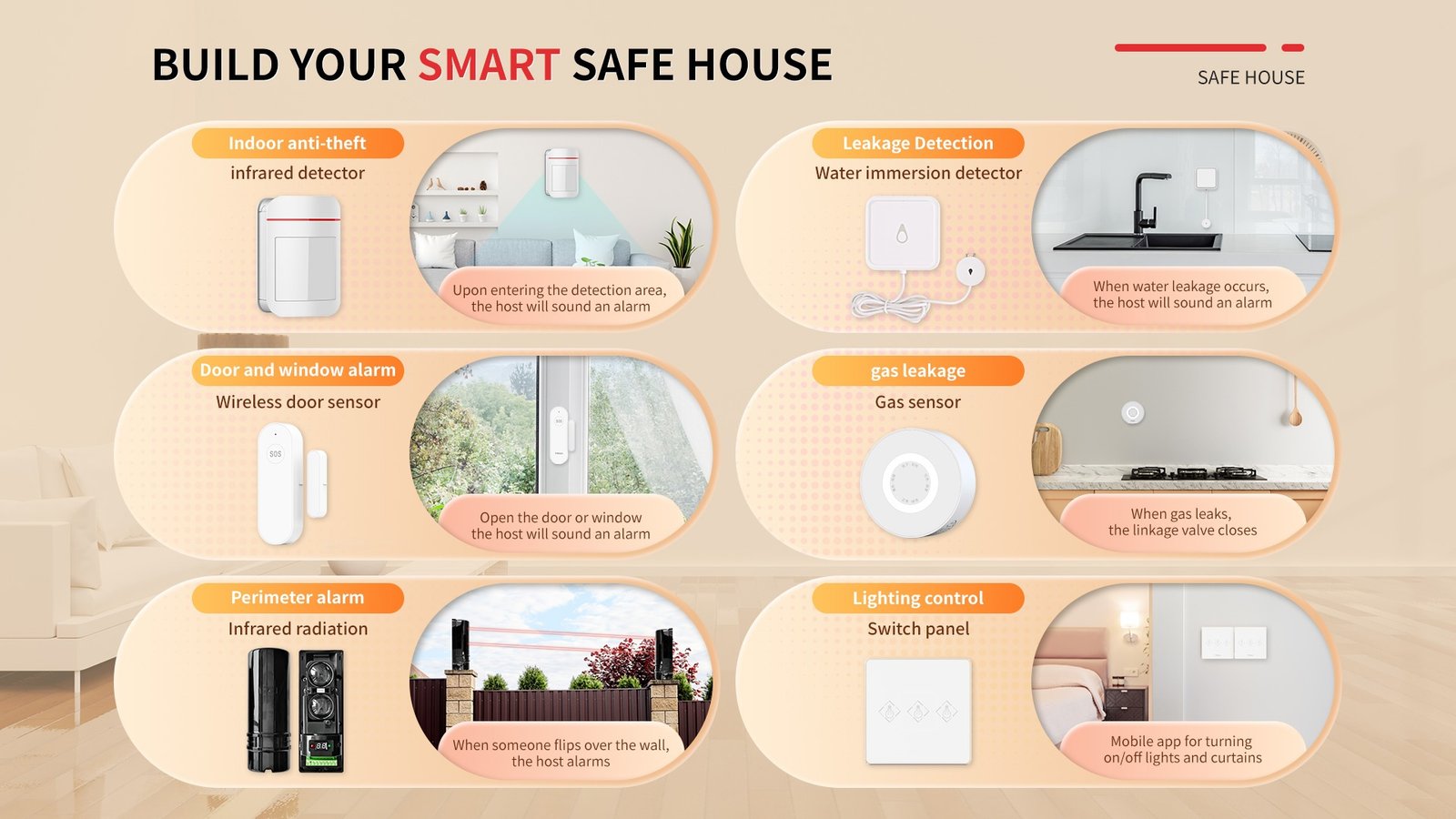
- Motion Detectors: Typically include passive infrared (PIR) sensors to detect movement in the environment, often with pet immunity to prevent false alarms caused by small animals.
- Door/Window Sensors: Alert the system when a door or window is opened.
- Glass Break Sensors: Detect the specific frequency of glass breaking, providing additional layers of security.
- Control Panel:
- The brain of the system, coordinating all connected sensors and devices, processing information, and triggering alarms when necessary.
- Often equipped with tamper-proof features and backup power systems to ensure functionality during power outages.
- Remote Control:
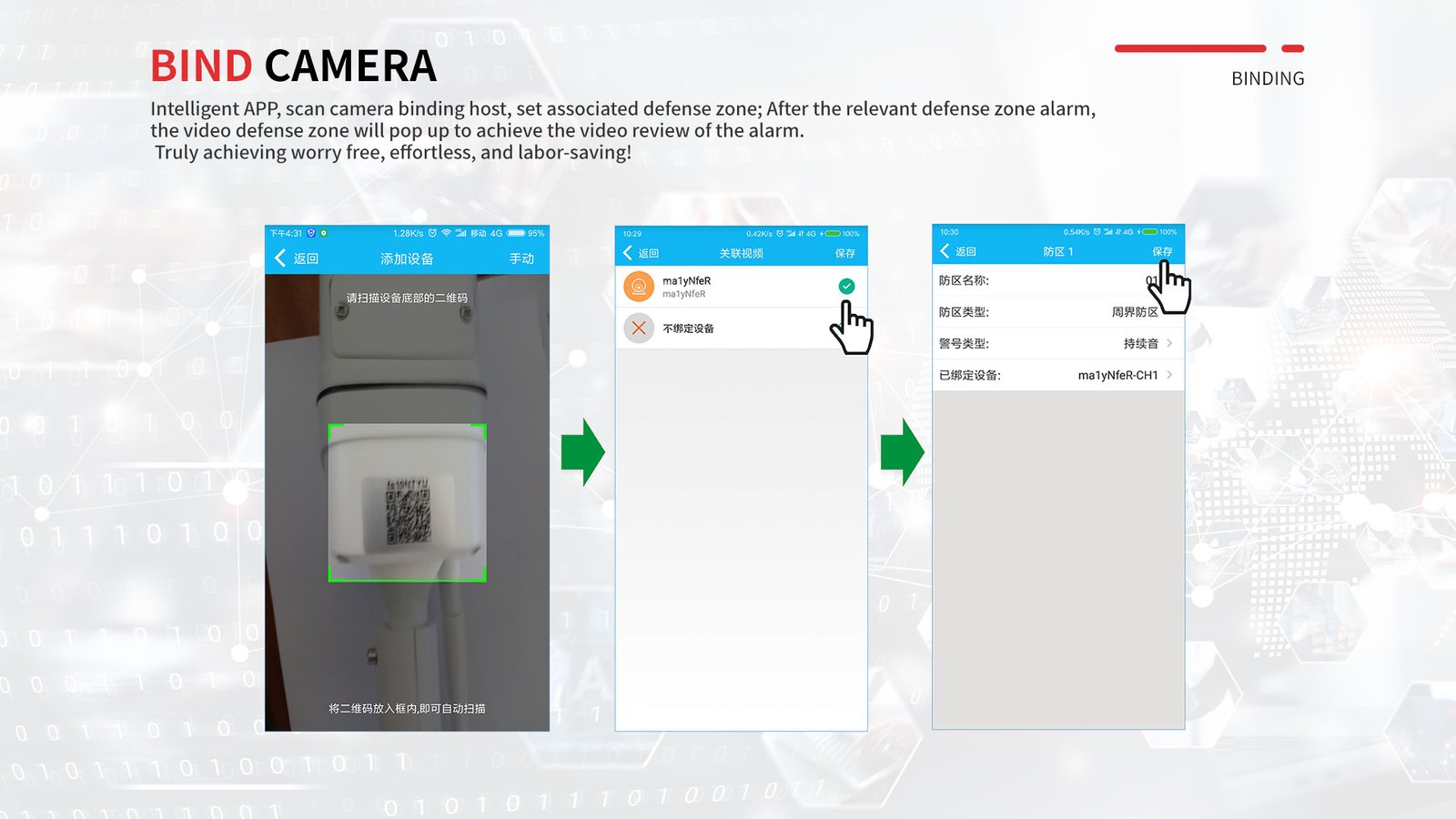
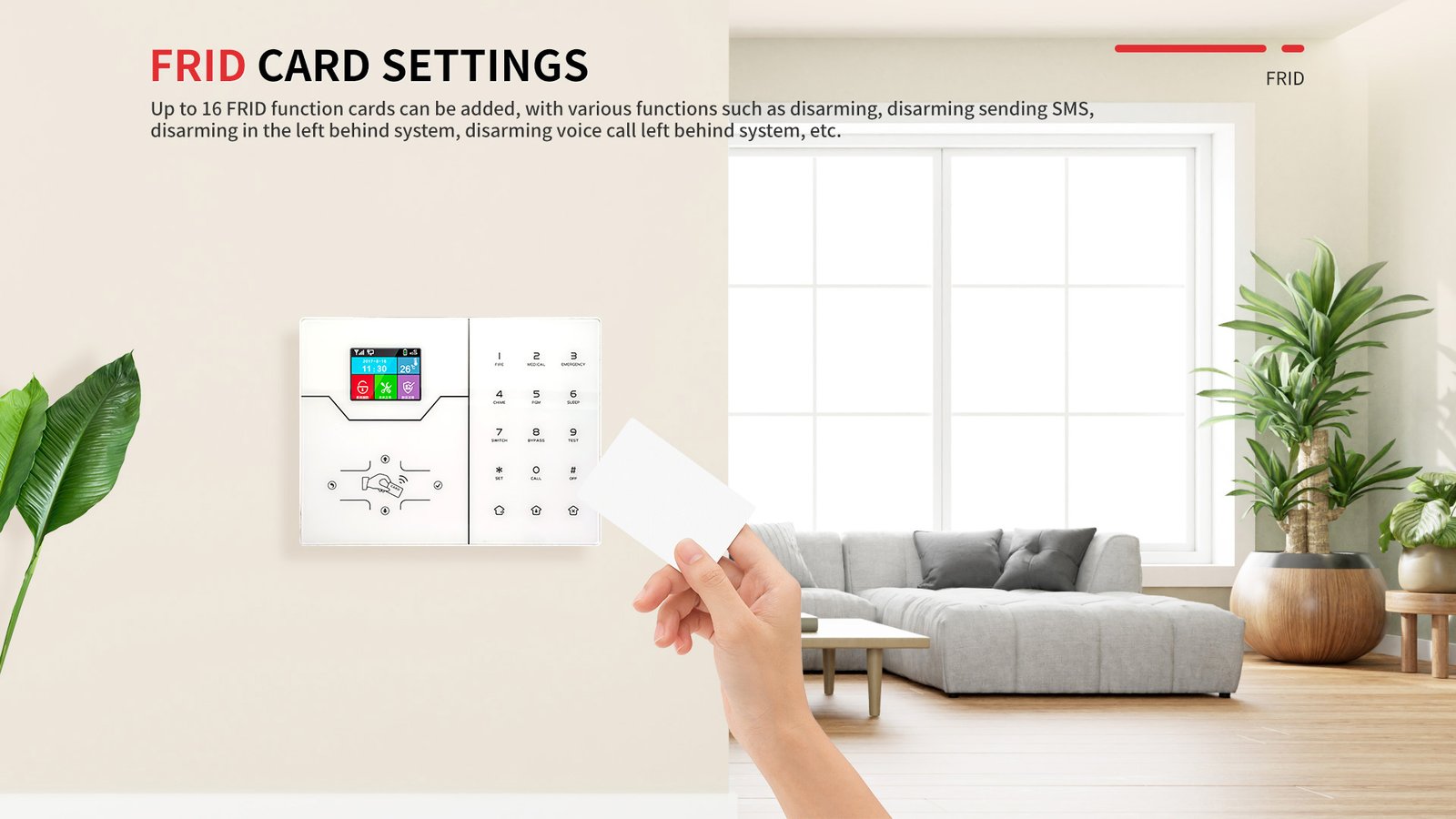
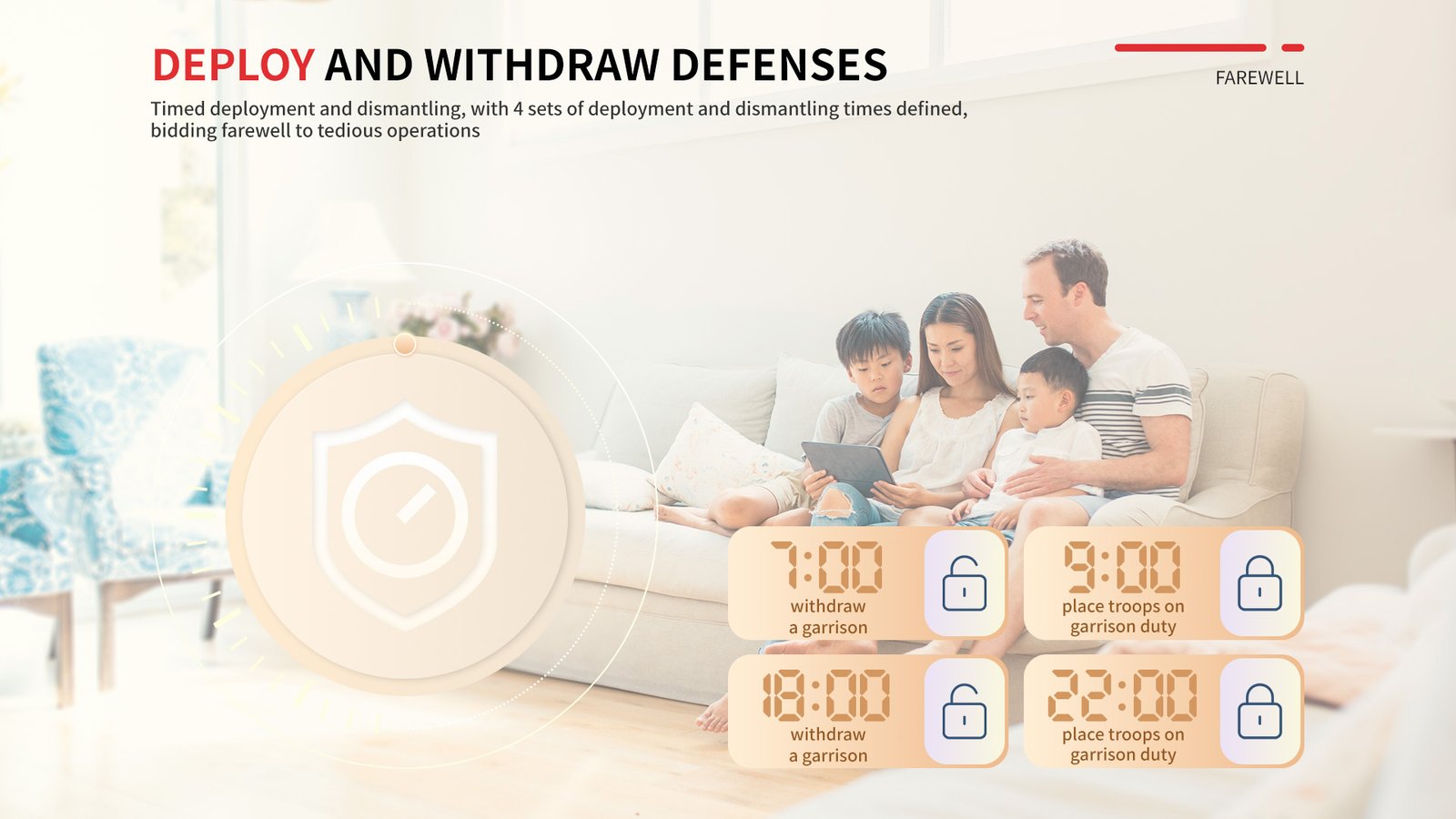
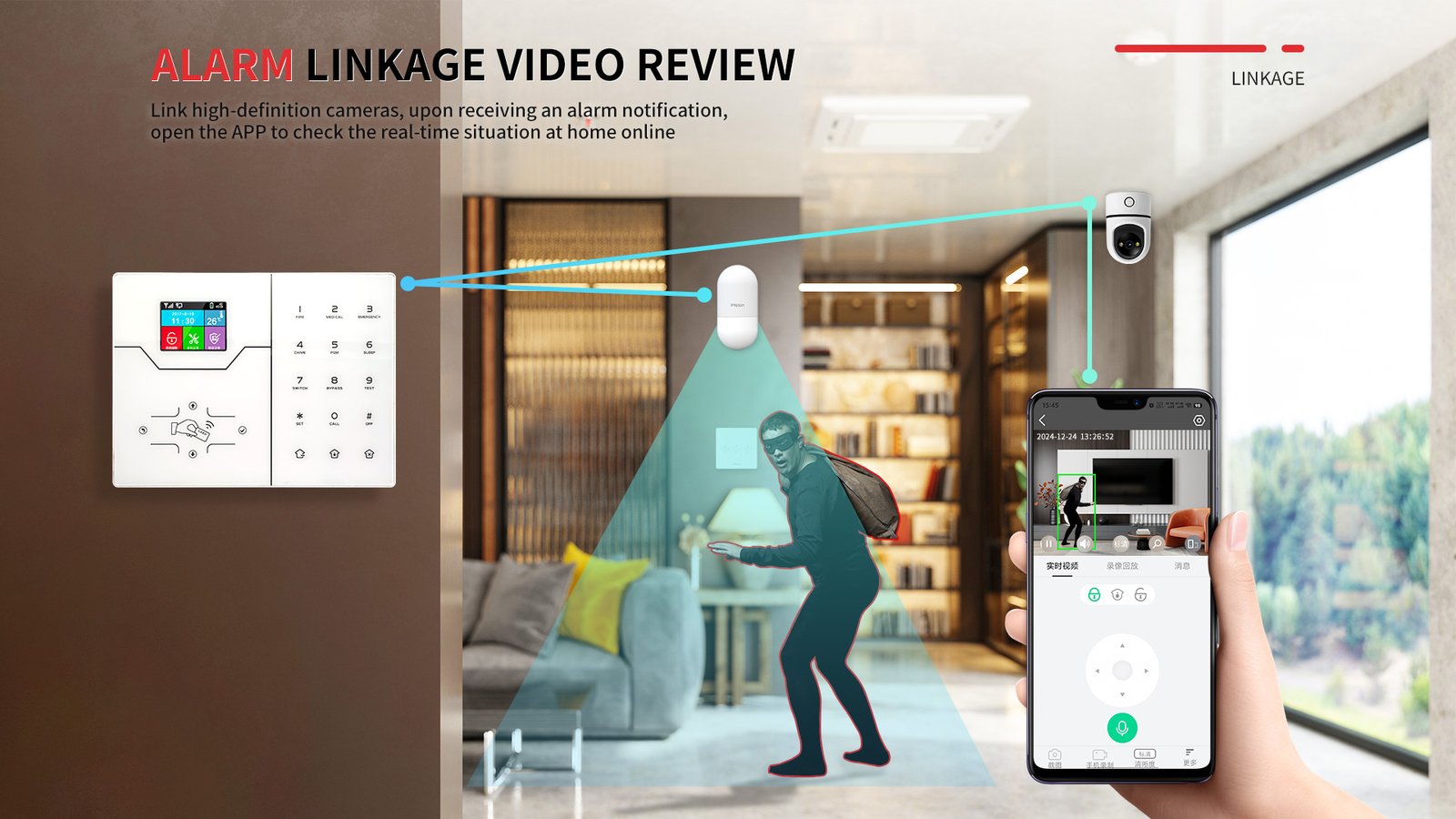
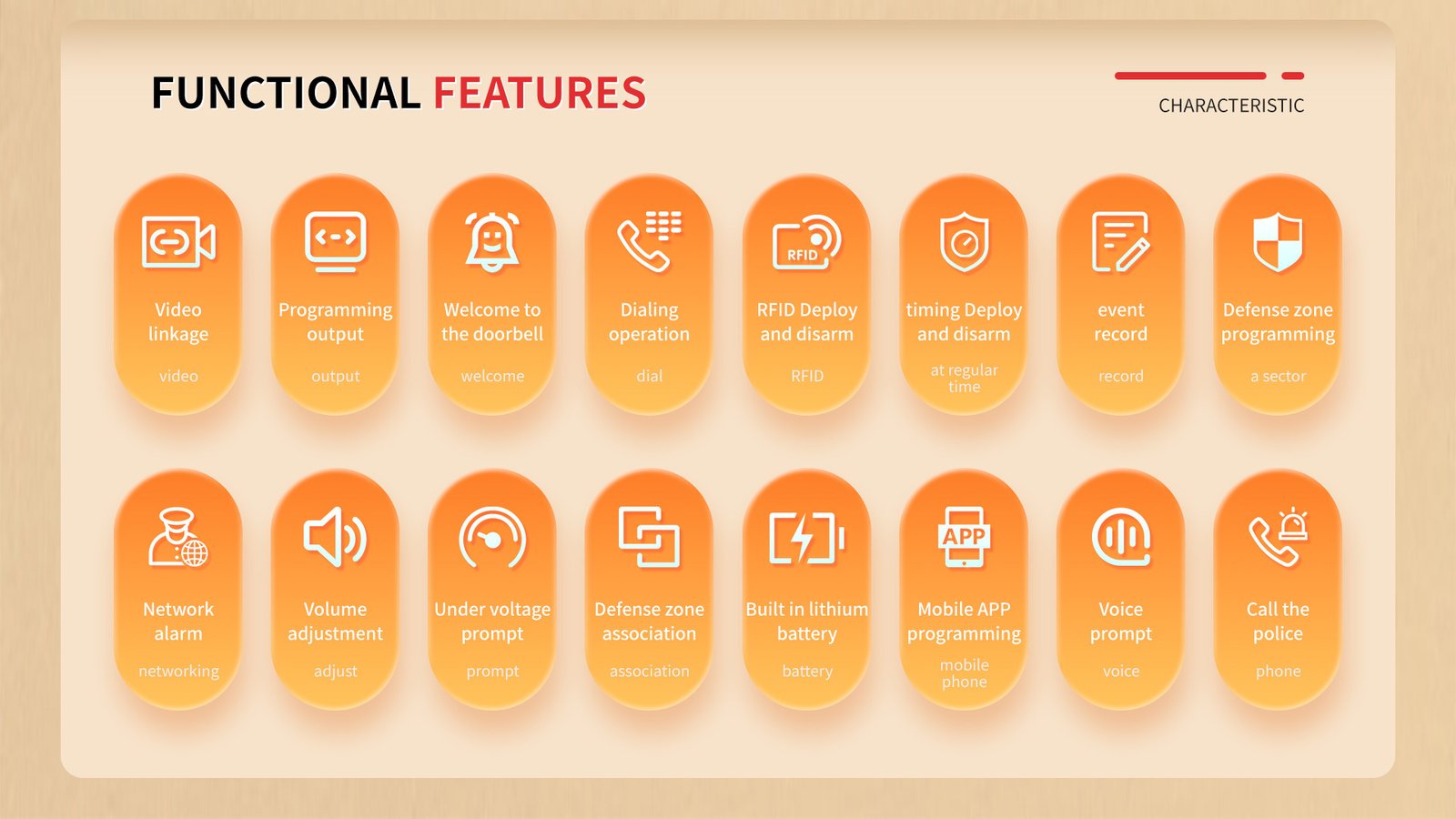
- Typically includes key fobs or smartphone app integration that allows users to arm or disarm the system remotely.
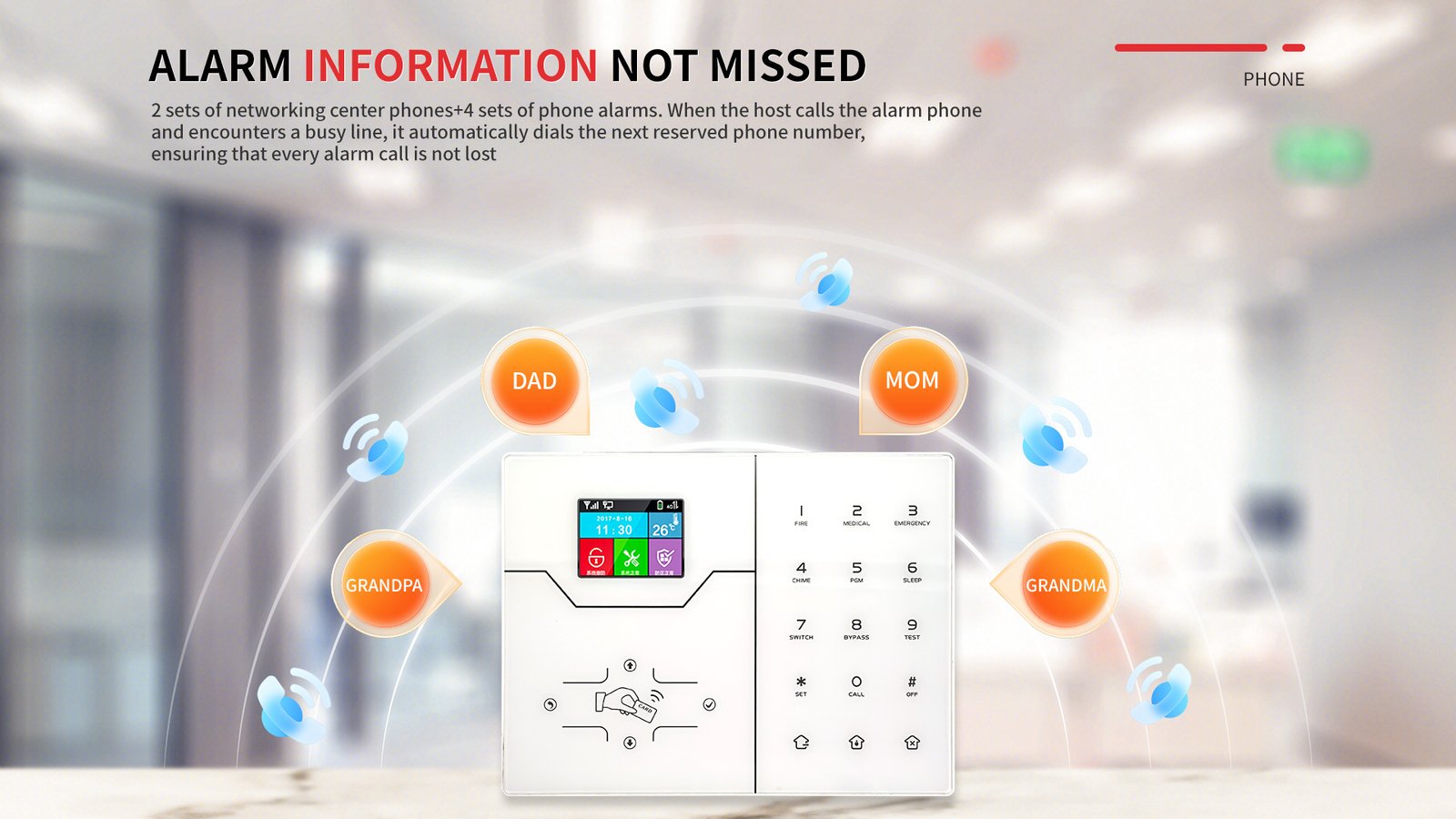
- Provides real-time notifications and alerts directly to the user’s phone, enhancing the control and responsiveness of the system.
- Additional Features:
- Siren: Emits a loud sound to alert nearby people and deter intruders when the alarm is triggered.
- Backup Battery: Ensures the system continues to operate during a power failure.
- Two-way Voice Communication: Allows communication with a monitoring center directly through the panel.
Benefits:
- Enhanced Security: Provides robust protection through various types of sensors, detecting any unauthorized access or suspicious activity.
- Convenience: The color LCD display and user-friendly interface make it easy to operate and configure the system.
- Remote Access and Control: GPRS connectivity allows for remote monitoring and control via smartphones, adding a layer of convenience and constant reassurance.
- Immediate Alerts: Real-time alerts keep the property owner informed of any security issues, no matter where they are.
Installation and Setup:
- The installation should ideally be carried out by professional security system installers to ensure optimal placement of sensors and proper system configuration.
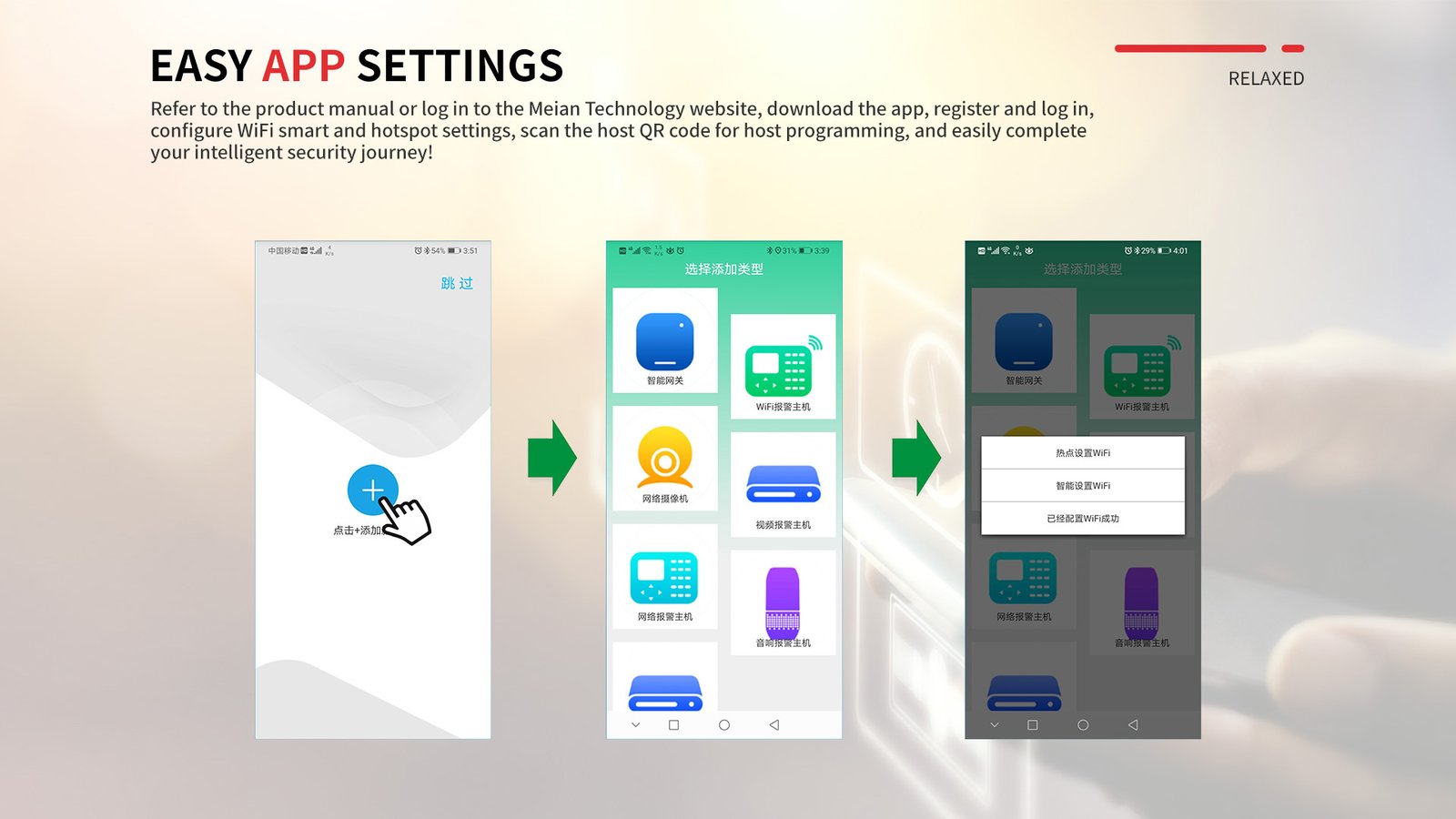
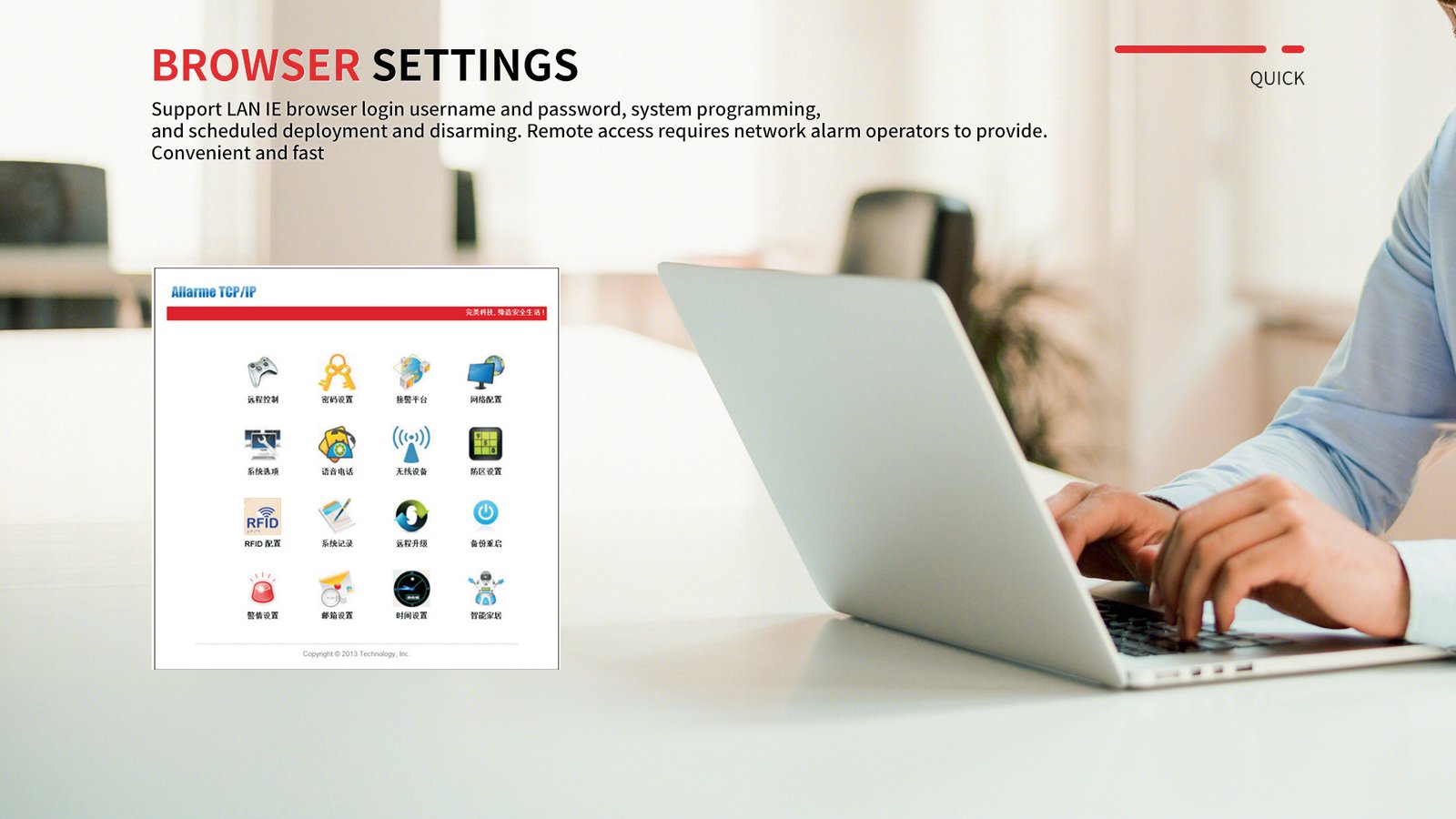
- Once installed, the system can usually be easily programmed via the color LCD display, following the manufacturer’s guidelines.

