

Description
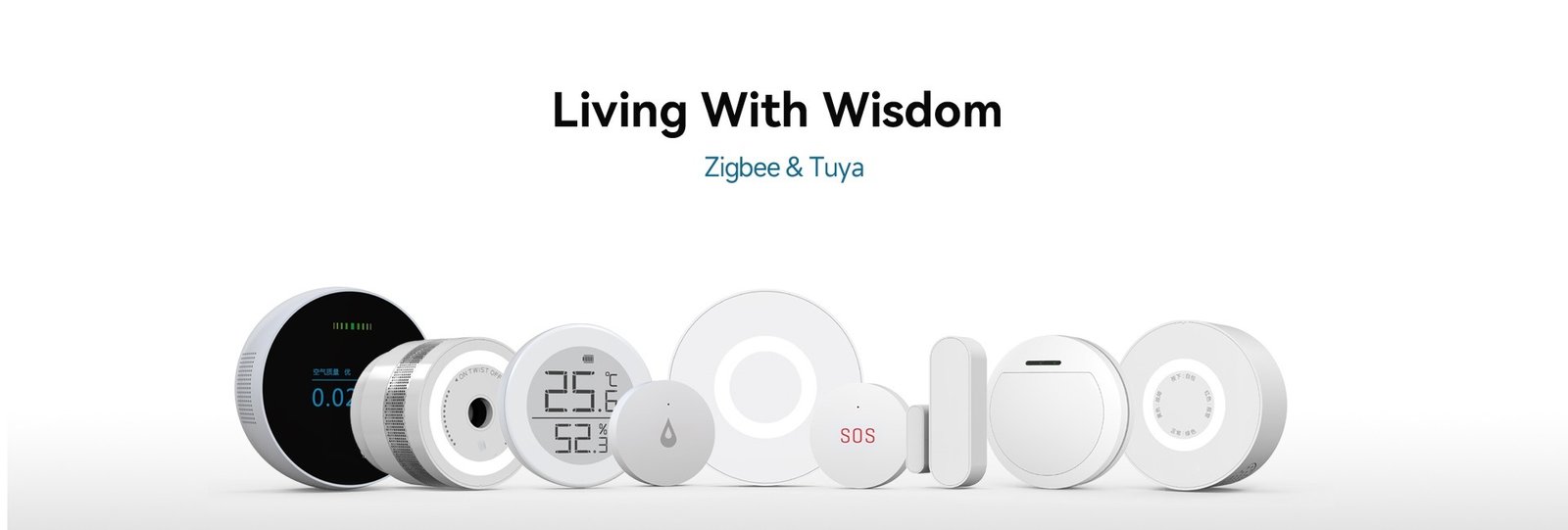
A Home Alarm Intrusion Security System is essential for ensuring the safety and security of your residence. It guards against unauthorized entries, detects potential intruders, and provides peace of mind by alerting you to any security breaches. Below, I’ve detailed the components, functionalities, benefits, and considerations you should keep in mind when considering a home security system.
Key Components of a Home Alarm System:
- Control Panel: This is the central hub of your security system. It communicates with all the sensors and devices, arms and disarms the system, and alerts the monitoring service in case of an intrusion.
- Sensors:
- Door and Window Sensors: These are triggered when a door or window is opened unexpectedly.
- Motion Sensors: Detect any movement within their range, making them ideal for large open spaces.
- Alarms and Sirens: These devices sound loud alarms when the system is triggered, helping to scare off intruders and alert residents.
- Keypad: Typically mounted near the entrance, it allows you to arm and disarm the system with a secure code.
- Security Cameras: Optional but highly recommended, cameras can monitor indoor and outdoor activities. They often feature capabilities like night vision, motion detection, and remote viewing.
- Glass Break Detectors: These sensors can detect the frequency of breaking glass and will trigger the alarm if a window is broken.
- Remote Control: Key fobs or smartphone apps can be used to arm or disarm the system remotely, which is particularly useful when you’re not at home.
Functionalities:
- Real-time Alerts: Receive instant notifications on your smartphone or other devices if any alarms are triggered.
- Remote Monitoring: Watch live feeds from your security cameras and monitor your home remotely.
- Scheduled Arm/Disarm: Set times for the system to automatically arm or disarm according to your daily routine.
- Smart Home Integration: Integrate with other smart home devices for enhanced functionality, like turning on lights automatically when motion is detected.
Benefits:
- Enhanced Home Safety: Protects your home from potential intruders, ensuring the safety of your belongings and loved ones.
- 24/7 Monitoring: Optional monitoring services can provide additional peace of mind by ensuring that help is on the way in an emergency.
- Increased Property Value: Homes with security systems are often more appealing to buyers and can potentially increase property value.
- Insurance Discounts: Many insurance providers offer discounts on home insurance for properties equipped with security systems.
Deployment Considerations:
- Professional vs. DIY Installation: Decide whether you need a professional installation or if a DIY system would suffice. This affects both cost and complexity.
- Cost: Consider both the initial investment for the equipment and ongoing costs if you opt for a monitored service.
- Maintenance: Regular maintenance ensures your system functions correctly; this includes checking batteries, updating software, and testing the system.
- Privacy Concerns: Be mindful of privacy, particularly regarding camera placement and data storage.


