
Description
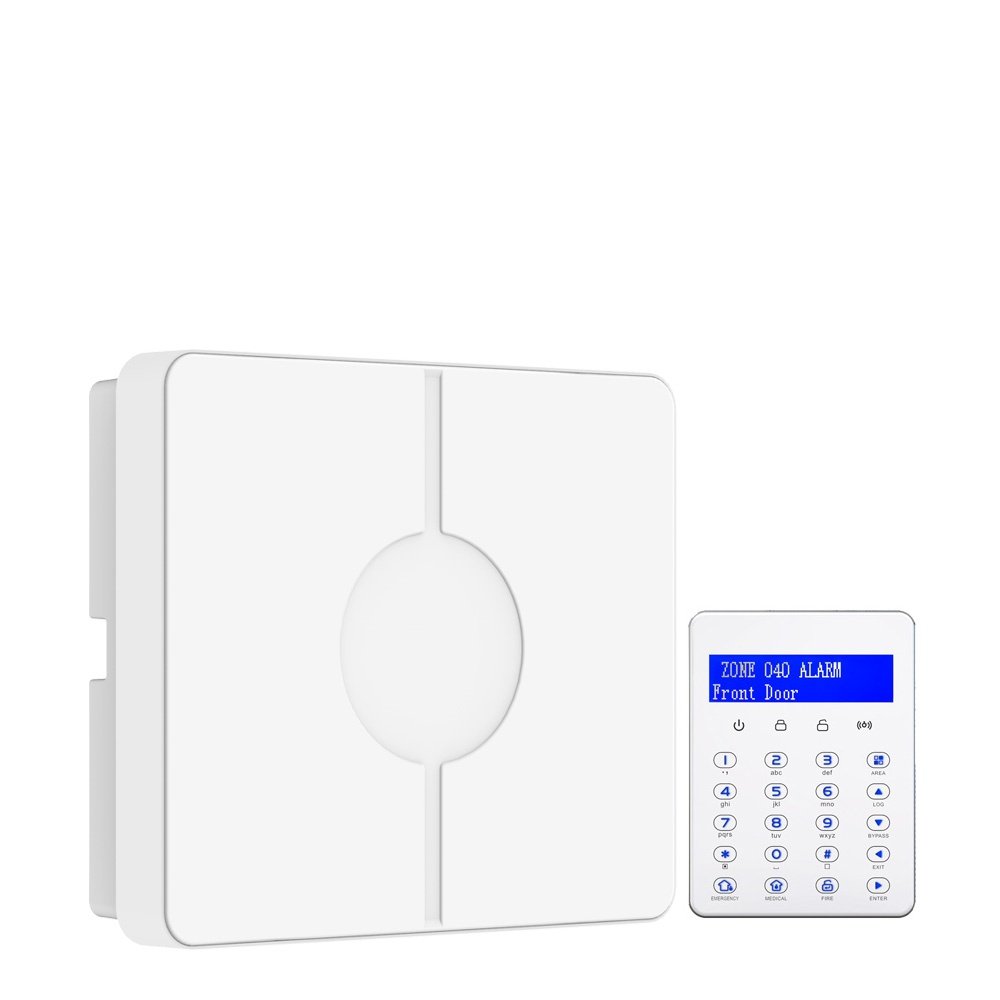
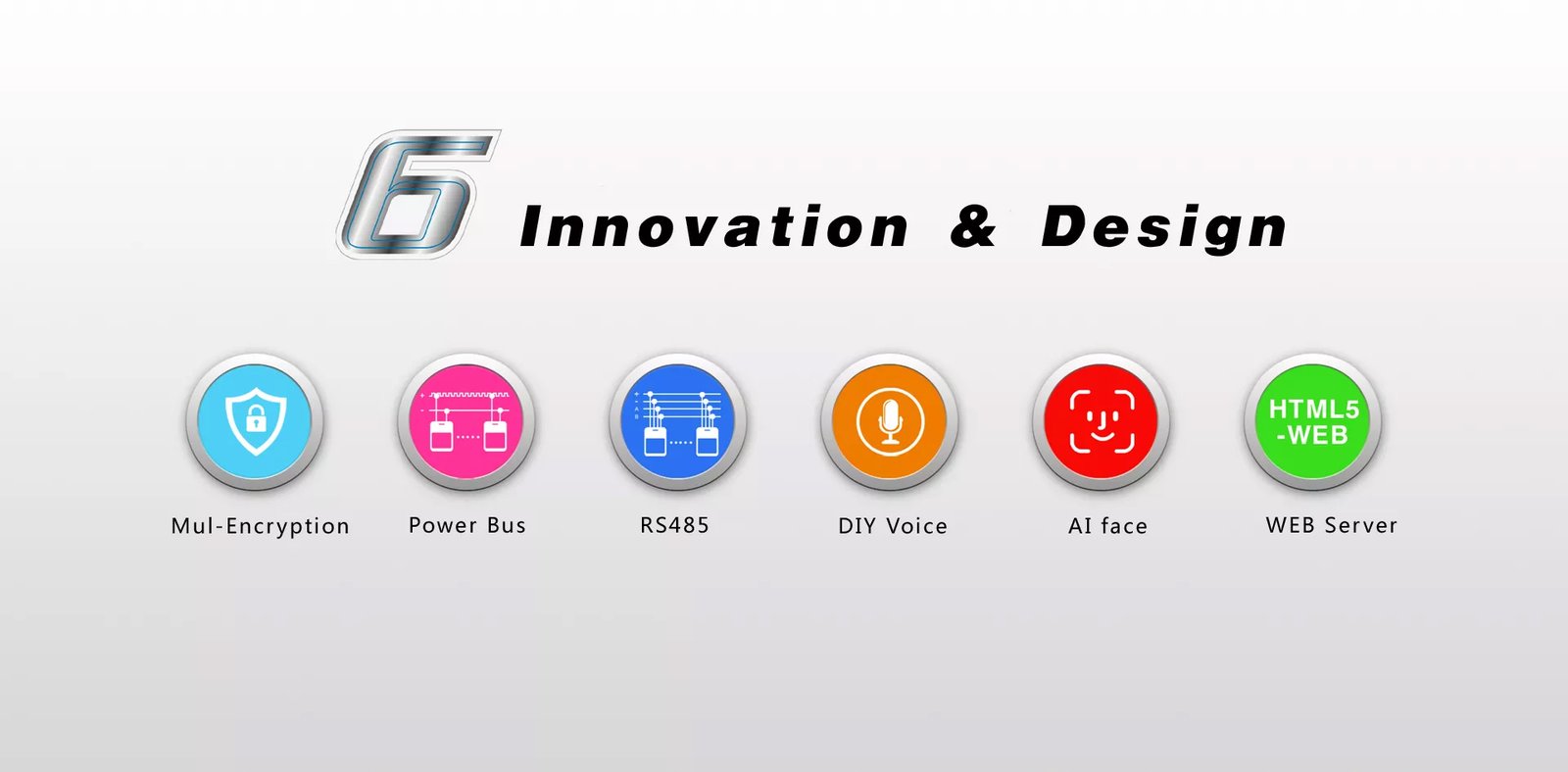 An Industrial Alarm Control Panel equipped with TCP/IP, 4G, and PSTN connectivity offers a comprehensive, multi-layered communication approach to ensure the highest levels of reliability and flexibility for industrial security systems. This type of control panel is especially suitable for environments where uninterrupted security monitoring is crucial, and where diverse connectivity options are needed to cope with various potential infrastructure challenges or failures.
Key Features and Functionalities
- Triple Connectivity Options:
- TCP/IP (Transmission Control Protocol/Internet Protocol): Utilizes a wired network for stable and high-speed communication within the facility’s network.
- 4G Connectivity: Provides robust wireless communication via cellular networks, ensuring operational continuity when wired networks are compromised.
- PSTN (Public Switched Telephone Network): Offers a traditional telephone line as a fail-safe communication method, particularly useful when digital networks are down.
- Integrated Security Systems:
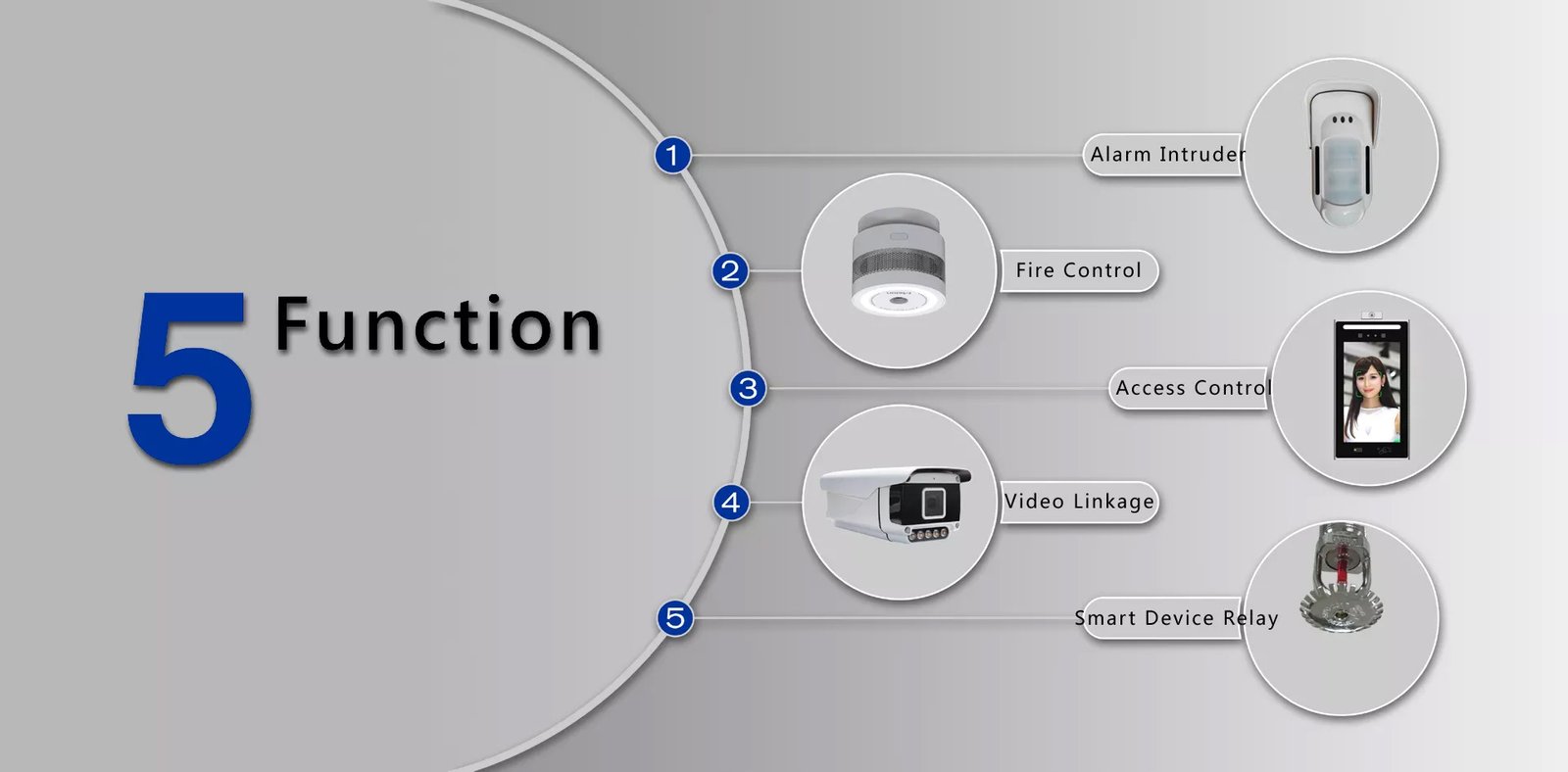
- Supports various sensors and security devices including motion detectors, CCTV cameras, access controls, fire and smoke detectors, and more.
- Remote Access and Monitoring:
- Facilitates remote surveillance, system management, and configuration through TCP/IP, allowing security personnel and management to access the system from anywhere.
- Automatic Failover:
- The system can automatically switch between TCP/IP, 4G, and PSTN based on the availability and integrity of these connections, ensuring that communication links remain active during any single point of failure.
- Event Logging and Notifications:
- Keeps detailed logs of all events and can send notifications through various channels depending on the situation and configured preferences.
Benefits
- Enhanced Reliability and Redundancy:
- The integration of three different connectivity options ensures that the system is resilient against various forms of communication failures.
- Versatility and Scalability:
- Flexibility in communication allows the system to be adaptable to any industrial environment, regardless of location or existing infrastructure. It can also be scaled up easily by adding more sensors or integrating additional systems.
- Improved Response Times:
- With real-time monitoring capabilities and multiple communication channels, the system can quickly respond to any anomalies, potentially preventing major incidents.
- Comprehensive Coverage:
- Suitable for expansive industrial areas, ensuring that all zones are monitored and controlled effectively, even in complex scenarios.
Deployment Considerations
- Network and Communication Security:
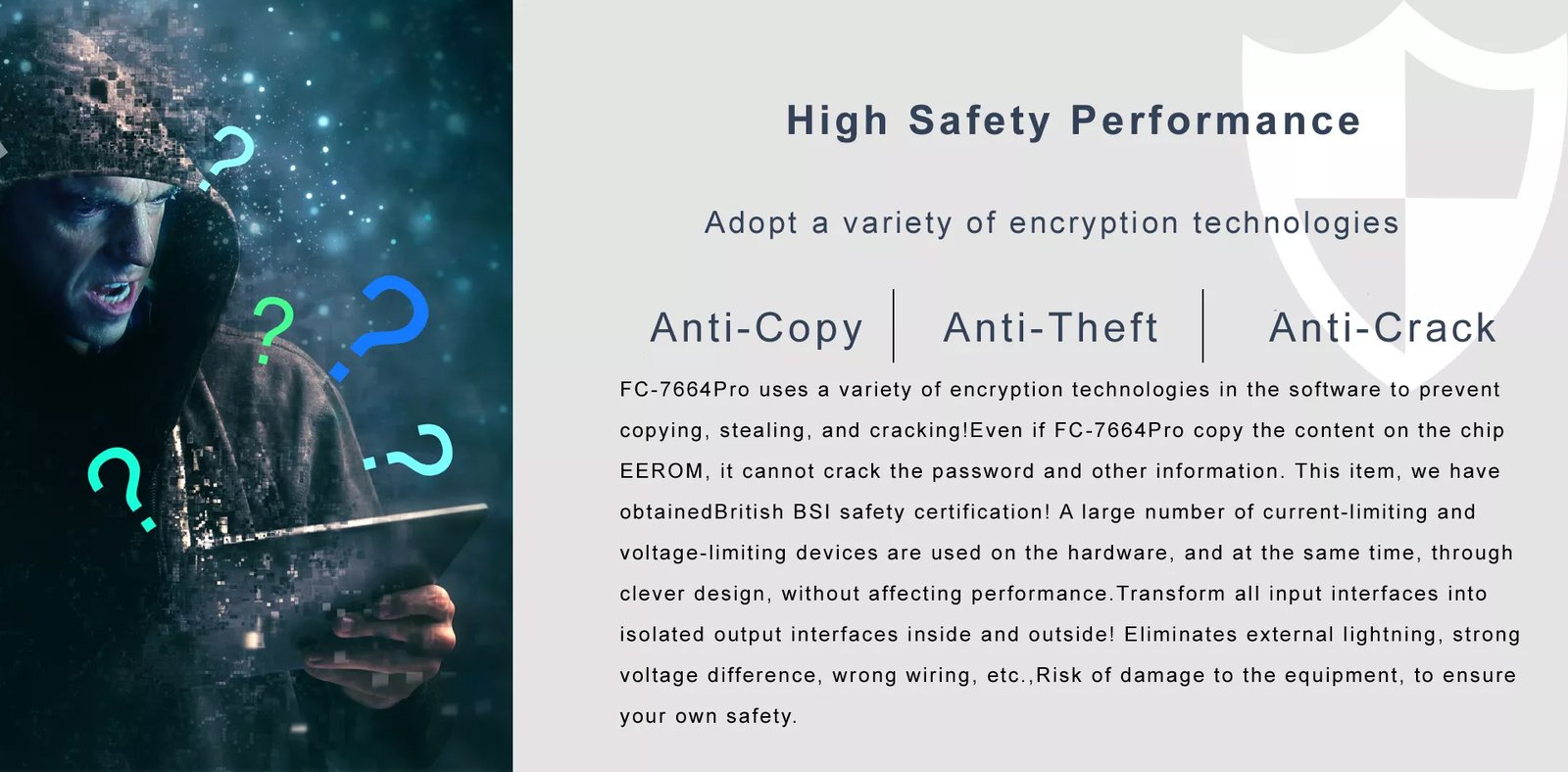
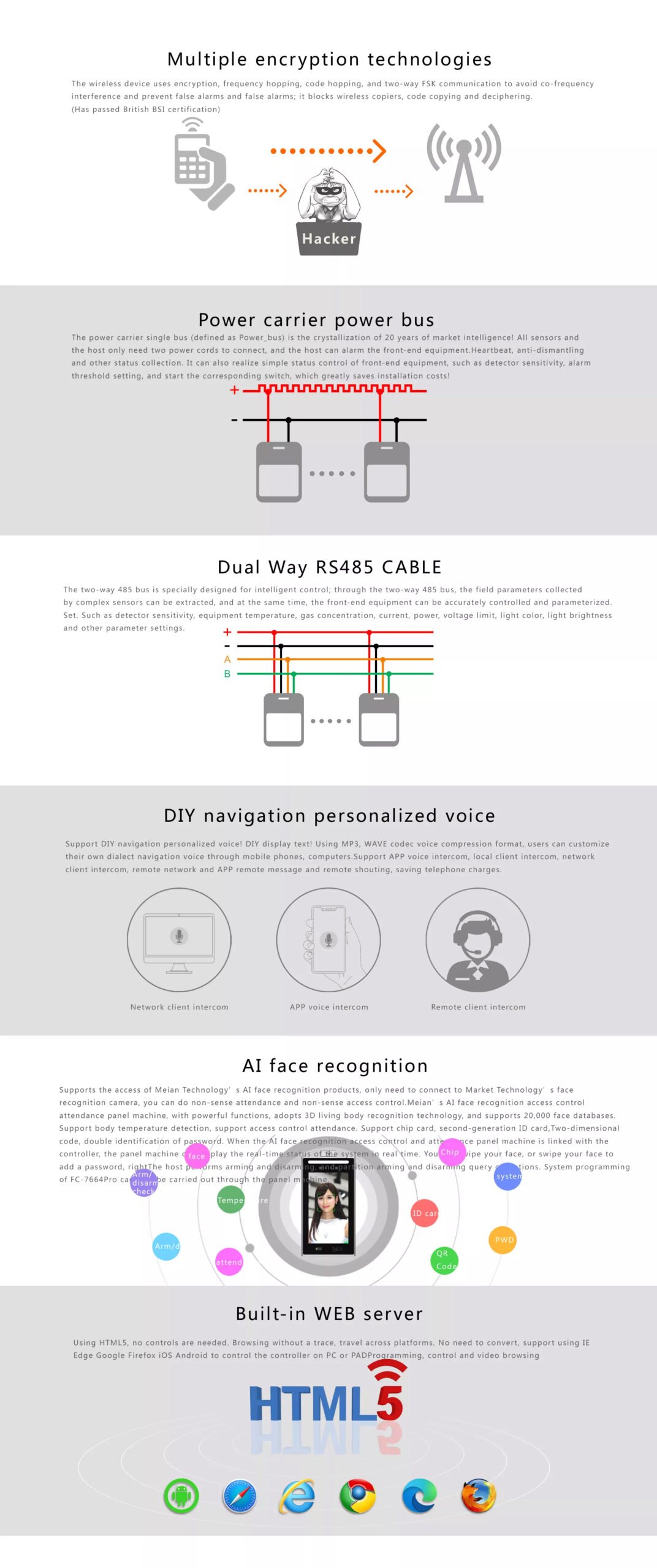
- Given the use of multiple communication platforms, ensuring secure encrypted transmission and robust cybersecurity practices is essential.
- System Integration:
- The control panel should be compatible with existing security and monitoring systems in the industrial facility. This might require technical consultation and potentially some retrofitting.
- Power Supply and Backup:
- Reliable power sources and backup systems (like UPS units) are necessary to ensure the control panel and connected devices remain operational during power outages.
- Regulatory and Compliance Issues:
- Compliance with telecommunications and data protection regulations must be ensured, which might vary based on location and industry.
- Maintenance and Upgrades:
- Regular maintenance schedules and system updates are crucial to keep the system functioning efficiently and protected from vulnerabilities.


