
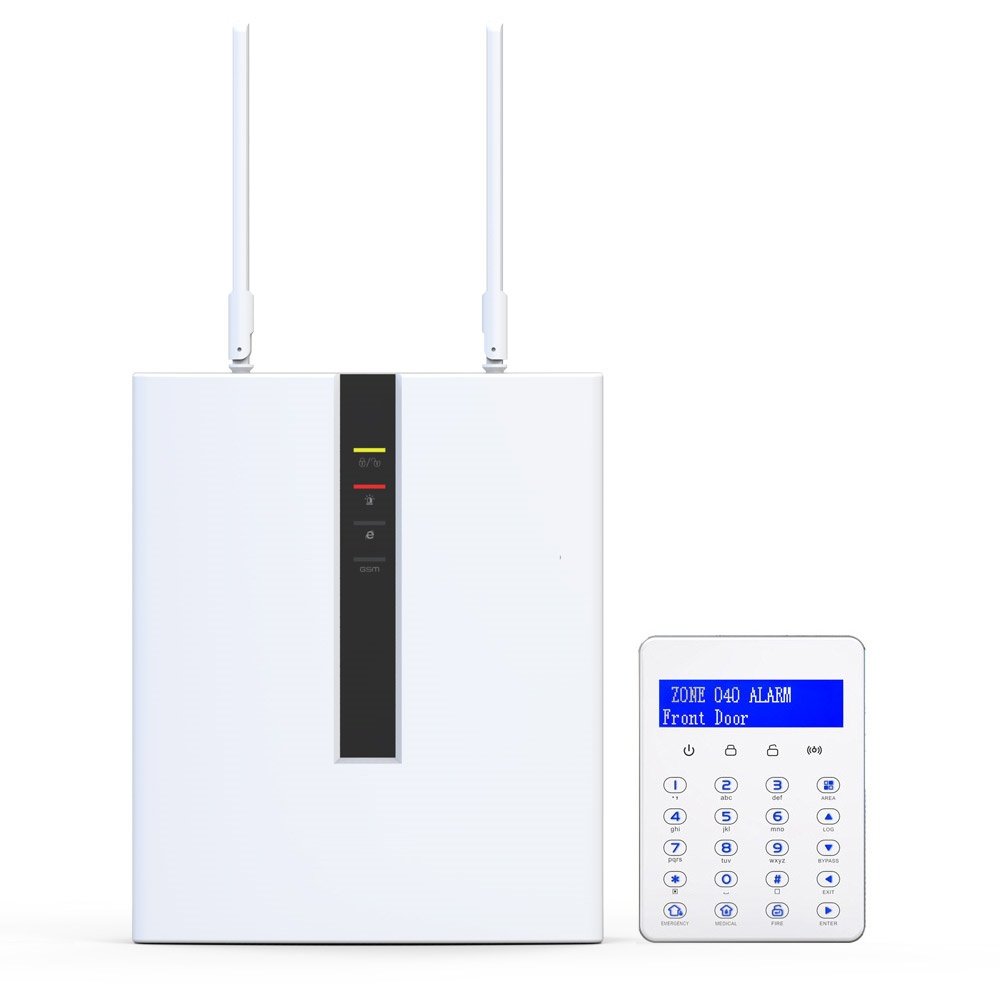
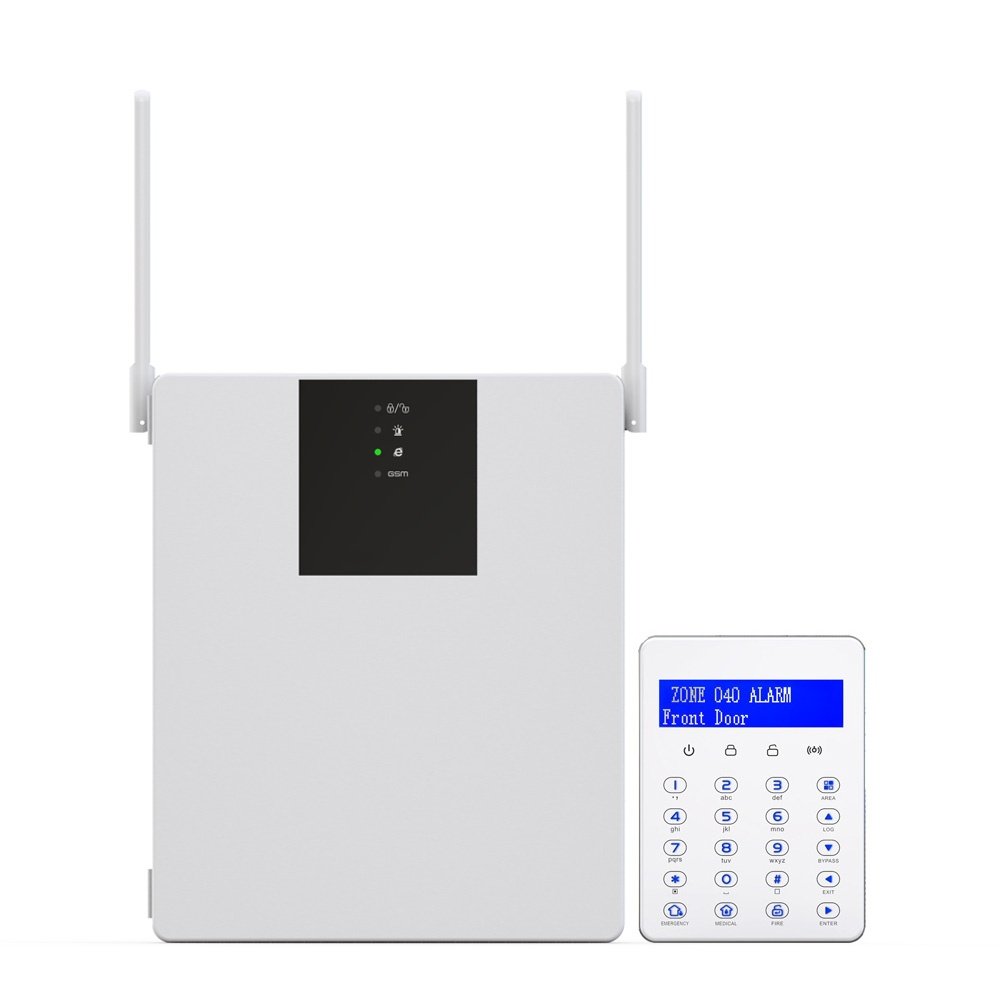
Description
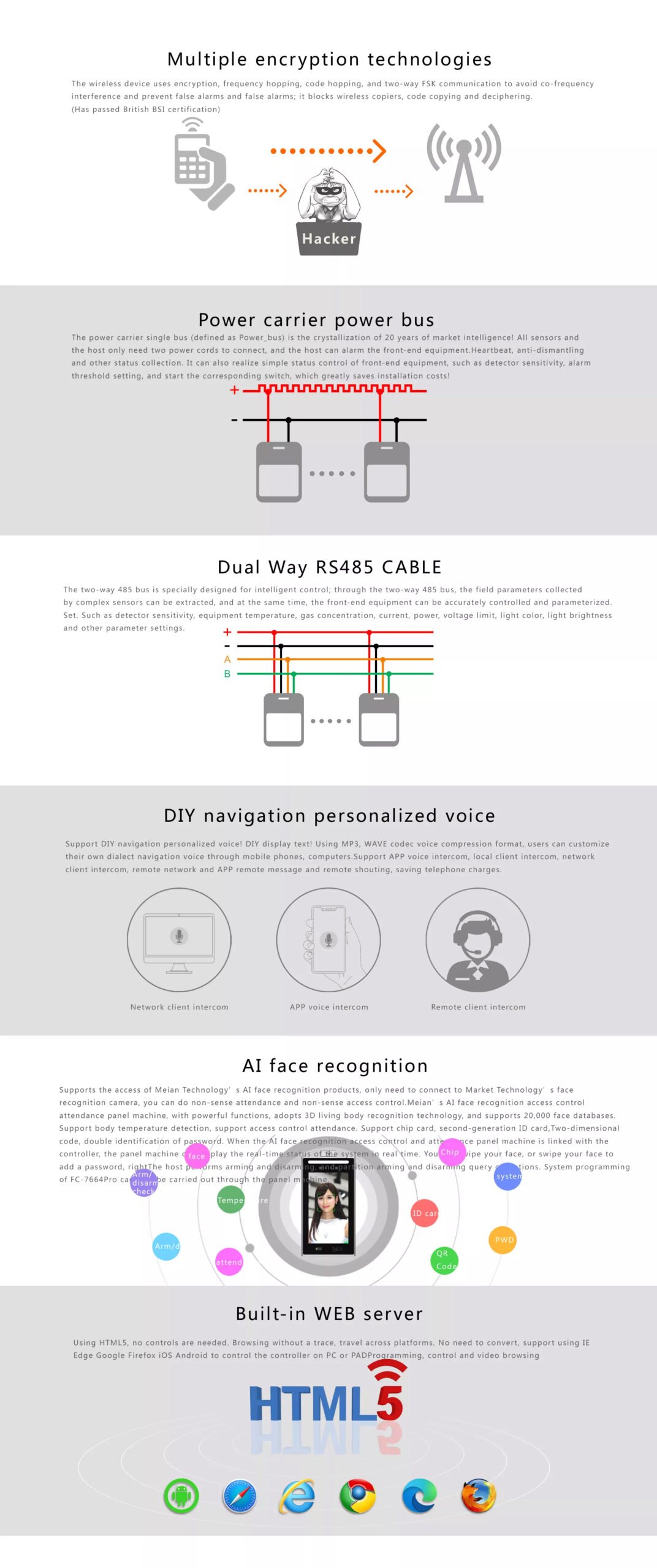
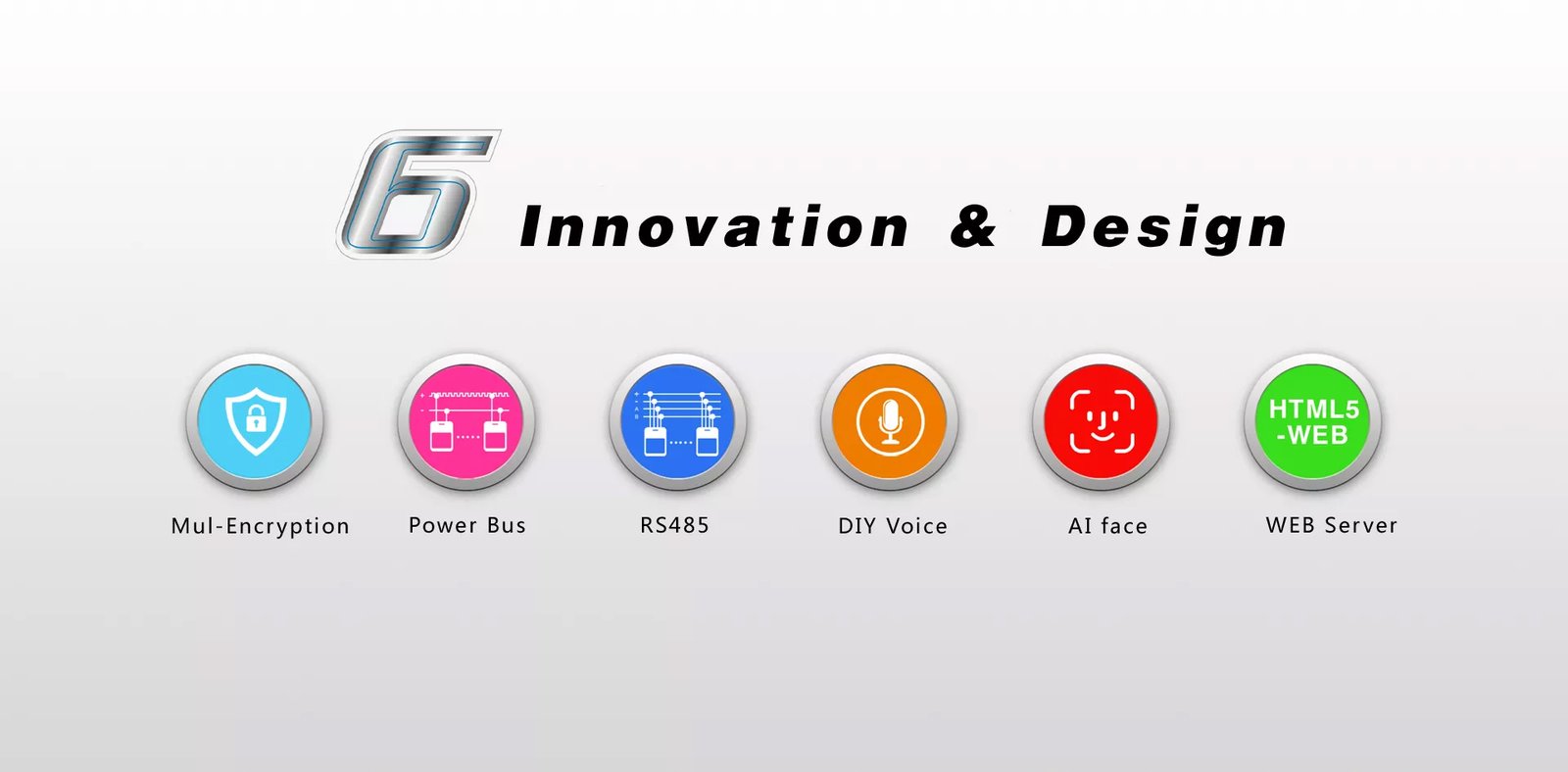
A TCP/IP + 4G Industrial Alarm Control Panel represents a modern and versatile security system solution that combines the stability of wired network communications with the flexibility of wireless cellular connectivity. This type of alarm control panel is particularly useful in industrial settings where security and reliability are paramount, and where connectivity options need to be adaptable to various situations.
Functionalities of TCP/IP + 4G Industrial Alarm Control Panel
- Dual Connectivity:
- TCP/IP (Transmission Control Protocol/Internet Protocol): Utilizes a wired network connection for reliable and fast data transmission within network infrastructures.
- 4G Connectivity: Provides a wireless communication option through cellular networks, ensuring connectivity even when wired networks are unavailable or compromised.
- Integrated Alarm Systems:
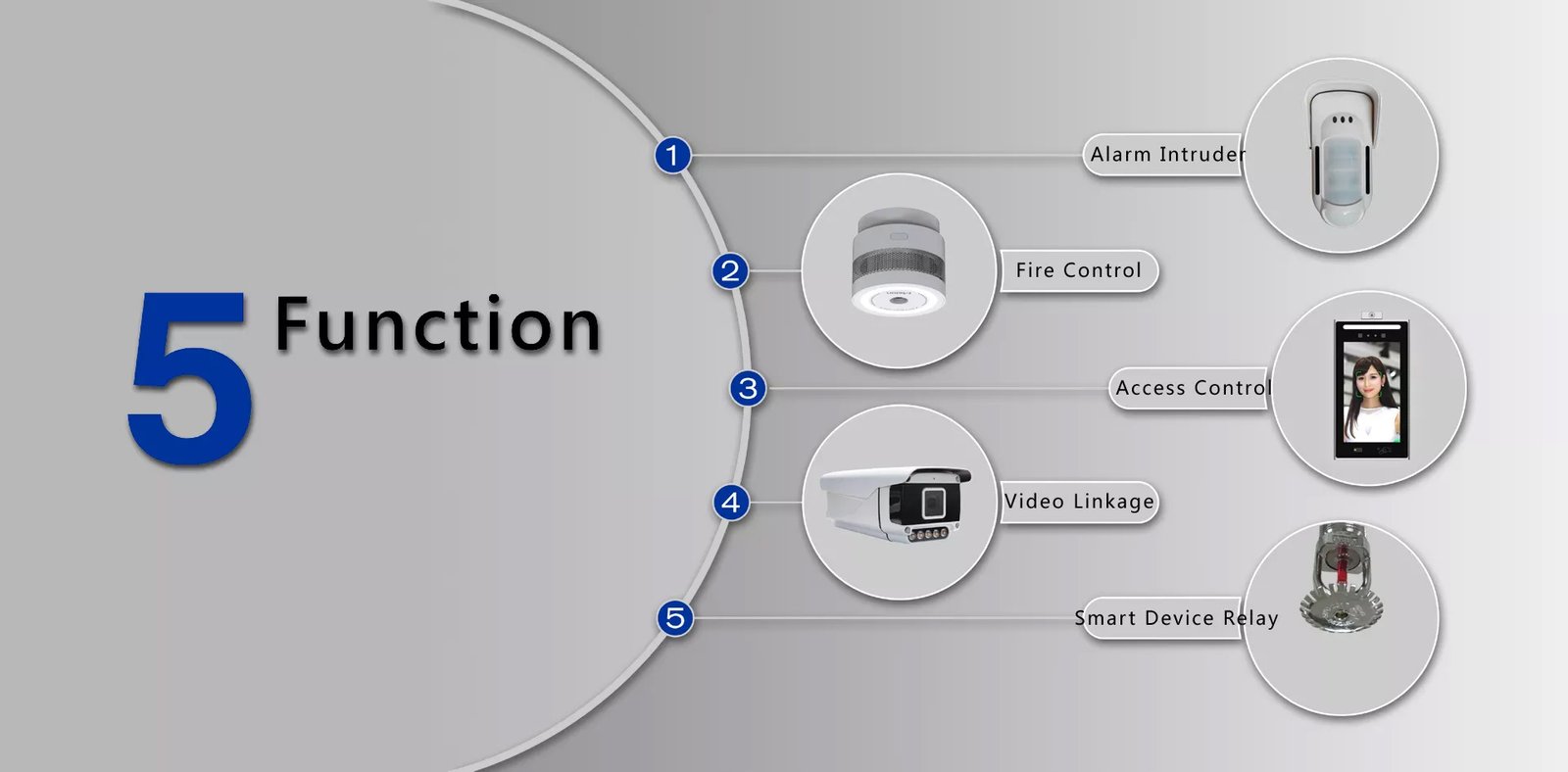
- Includes a variety of sensors such as motion detectors, door contacts, temperature sensors, and smoke detectors, which are monitored and controlled through the panel.
- Remote Access and Control:
- Using TCP/IP, the system can be accessed and controlled remotely, allowing for real-time surveillance, system adjustments, and receiving updates from virtually anywhere.
- Automatic Failover:
- In case of a network failure or any disruption in the TCP/IP connection, the system can automatically switch to 4G connectivity, ensuring uninterrupted service and response.
- Advanced Notification System:
- Notifications and alerts can be sent via both TCP/IP (e-mails, app notifications) and 4G (SMS, voice calls) depending on the nature of the alert and the configured preferences.
Benefits
- Enhanced Reliability:
- The use of both wired and wireless communications ensures that the system remains operational even if one of the communication paths fails.
- Scalability and Flexibility:
- Easily integrates with existing IT infrastructure and can be scaled by adding more sensors or incorporating additional systems, like video surveillance or access control.
- Real-Time Monitoring and Response:
- Provides the capability for real-time monitoring and quick response to incidents, which is crucial in an industrial environment where immediate action may prevent significant damages or losses.
- Comprehensive Coverage:
- Ideal for large-scale industrial areas where complete coverage might be challenging with just one type of connectivity.
Deployment Considerations
- Network Security:
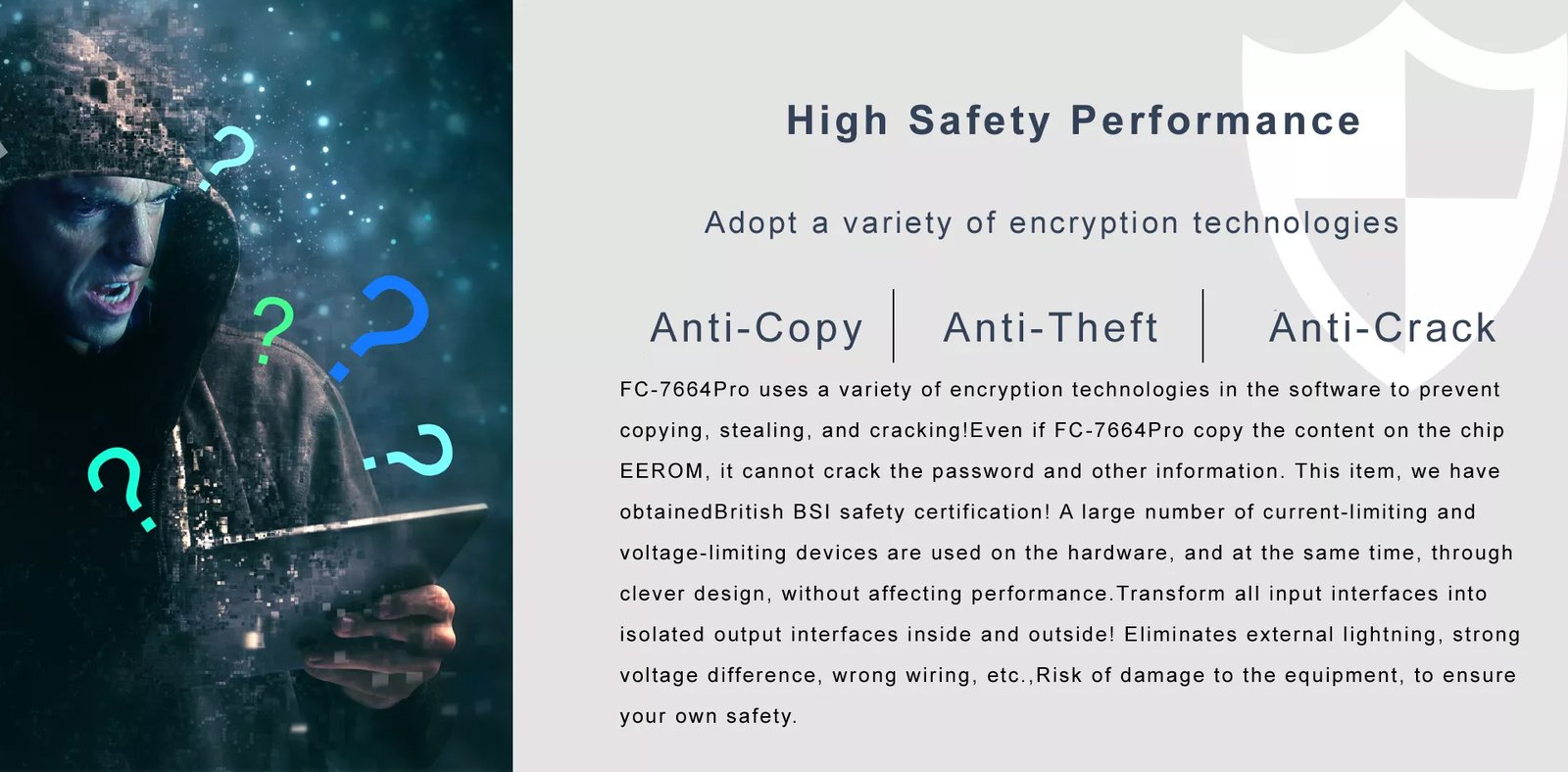
- Given the use of TCP/IP, ensuring robust cybersecurity measures is crucial. This includes firewalls, secure access protocols, and regular security audits to protect against potential cyber threats.
- System Compatibility:
- Ensure that existing industrial and IT infrastructure is compatible with the alarm system. This might involve upgrades or adjustments to network configurations.
- Power Requirements:
- Industrial settings should have reliable power solutions, including backup power systems, to ensure that the alarm system remains operational during power outages.
- Regulatory Compliance:
- Compliance with local and international standards for network communication and industrial safety must be adhered to, ensuring that the system’s deployment and operation are legally sound.
- Cost and ROI:
- The initial setup cost, ongoing operational costs (including 4G data plans), and regular maintenance must be considered. Calculate the return on investment by evaluating the cost against the potential losses in case of security breaches or industrial accidents.


