
Description
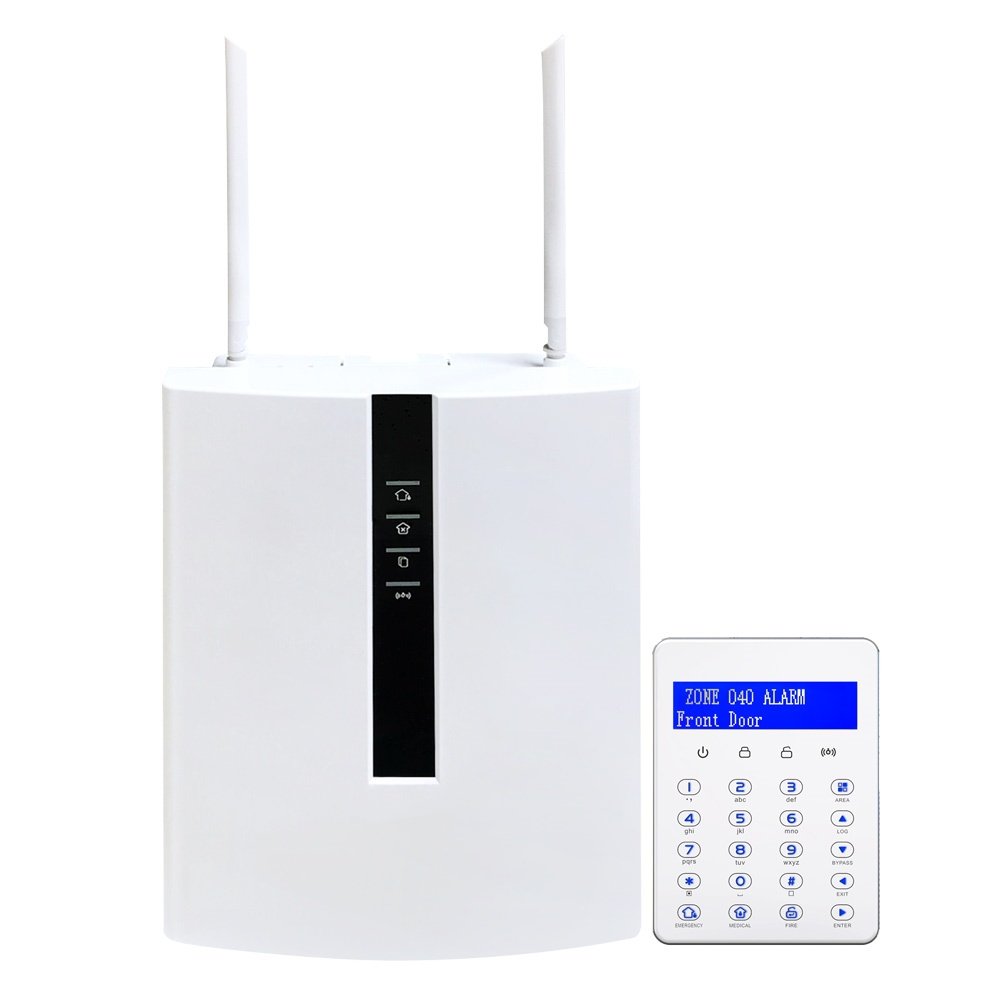
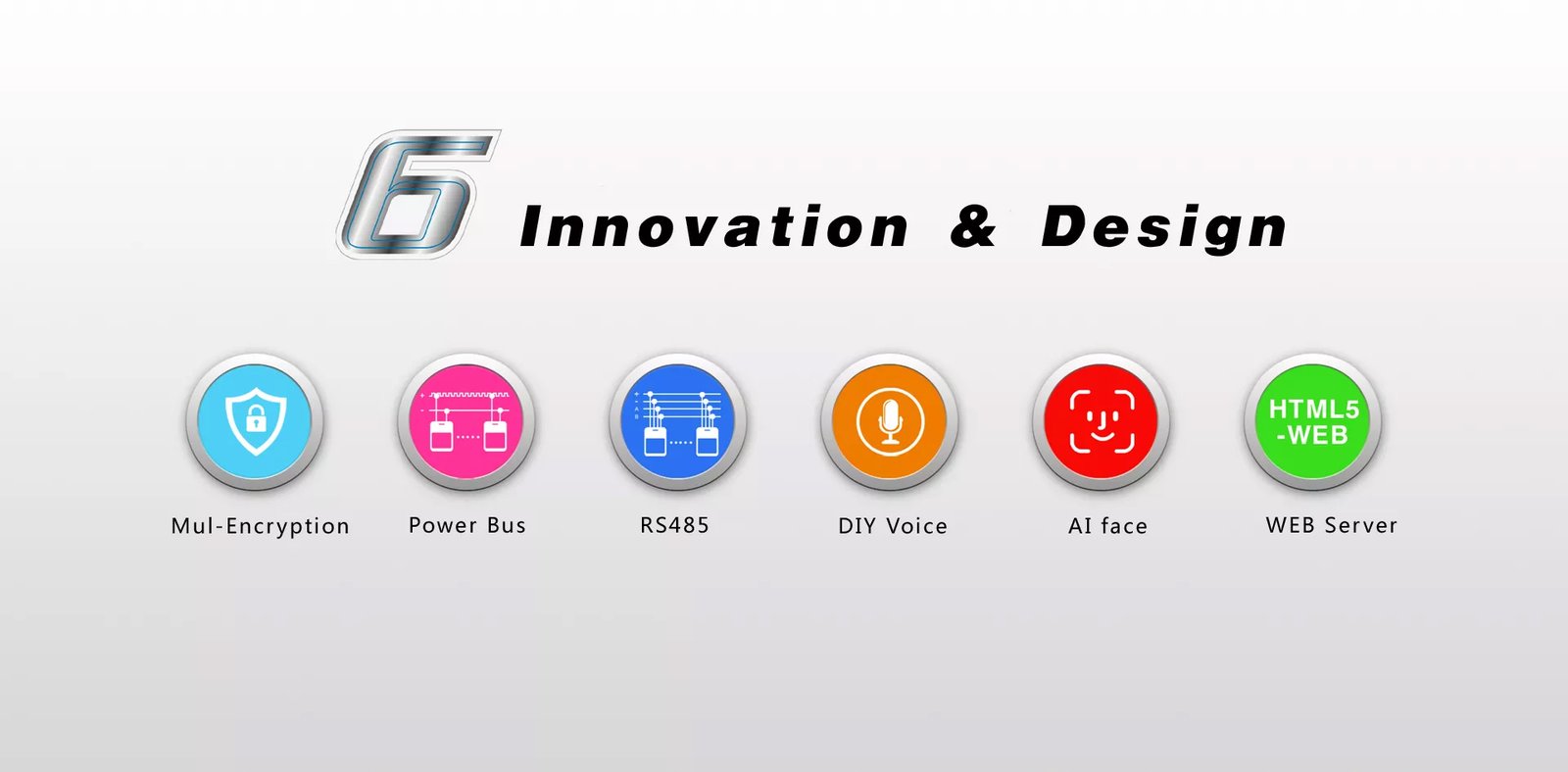 A PSTN + 4G Industrial Alarm Control Panel is a security device that offers dual connectivity options, utilizing both the Public Switched Telephone Network (PSTN) and 4G cellular networks. This setup ensures high reliability and uninterrupted service, making it suitable for industrial environments where robust and fail-safe security systems are crucial. Here’s a deeper look into its functionalities, benefits, and considerations for deployment:
Functionalities of PSTN + 4G Industrial Alarm Control Panel
- Dual Connectivity:
- PSTN (Public Switched Telephone Network): Utilizes traditional telephone lines for communication. This is reliable and unaffected by power outages if powered by the telephone line itself.
- 4G Connectivity: Provides wireless communication via cellular networks. This is especially useful in areas where telephone lines might be damaged or in remote locations without traditional telecom infrastructure.
- Alarm Triggering:
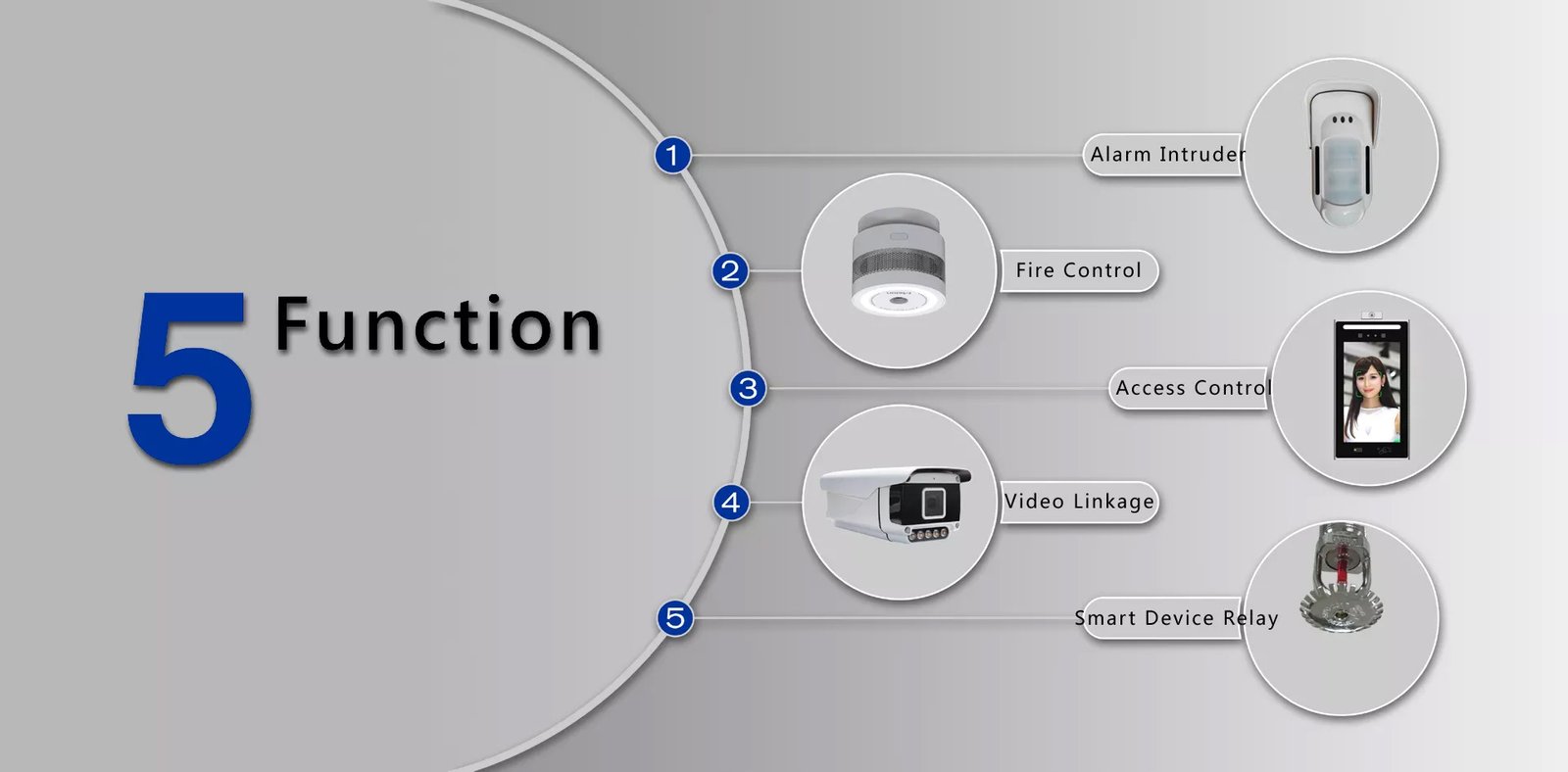
- Sensors connected to the alarm control panel detect unusual activities or environmental anomalies, triggering alarms. These can include motion detectors, door contacts, smoke detectors, etc.
- Notification System:
- Upon activation, the system can notify the designated personnel or central monitoring services through either PSTN or 4G, depending on availability or predefined settings.
- Backup and Redundancy:
- If one connection fails (e.g., PSTN due to line cuts), the system automatically switches to 4G, ensuring continuous protection and alert capabilities.
- Integration Capabilities:
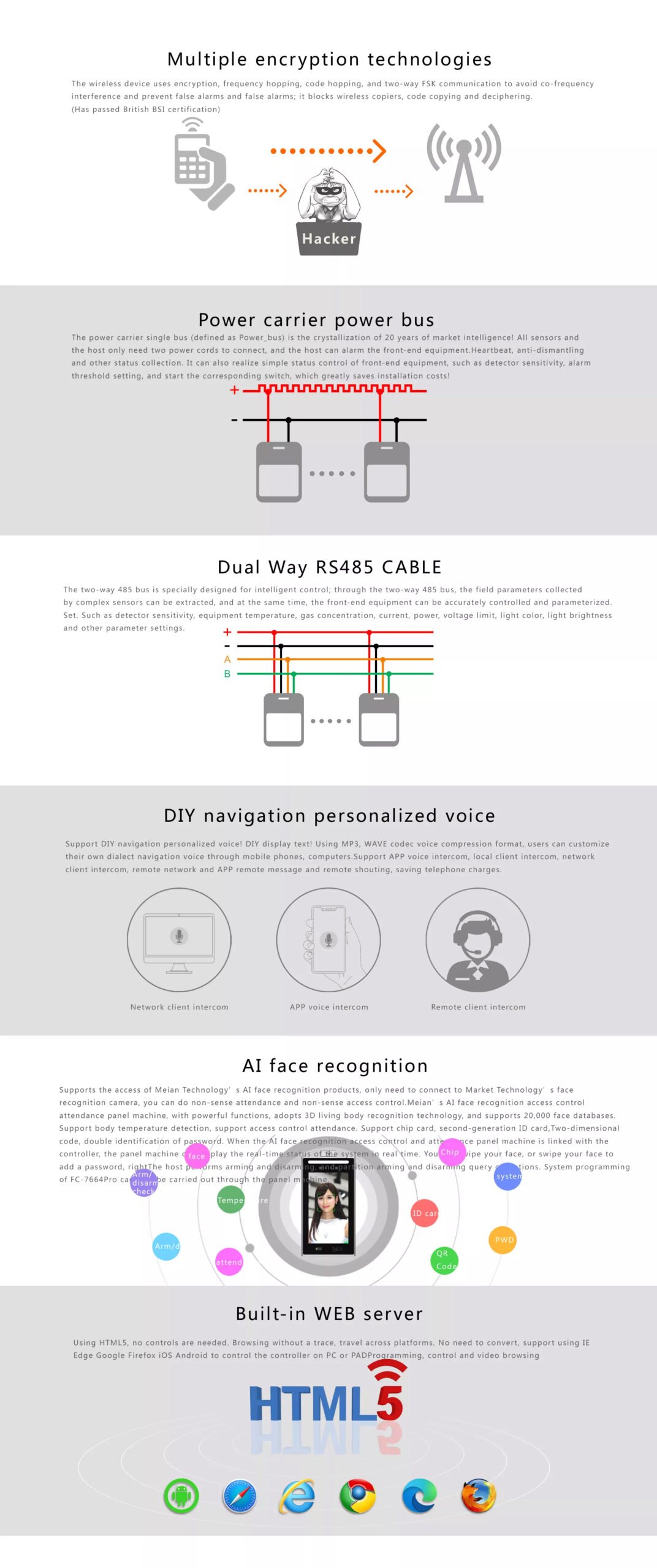
- Can often be integrated with other security systems, such as CCTV, access controls, and fire alarm systems for comprehensive security management.
Benefits
- Reliability and Redundancy:
- The dual connectivity ensures that the system remains operational even if one communication path fails, crucial for high-security areas like industrial sites.
- Wide Coverage:
- 4G connectivity allows for installation in remote areas without relying on local infrastructure for communication.
- Real-Time Alerts:
- Immediate transmission of alerts via both PSTN and 4G ensures quick response times to potential security breaches or safety issues.
- Scalability:
- Easily scalable as adding more sensors or integrating additional systems does not necessarily require physical wiring or infrastructure changes.
Deployment Considerations
- Installation:
- Professional installation is recommended to ensure all components are properly set up and tested, especially in complex industrial environments.
- Power Supply:
- Ensure that there are adequate power backup systems in place, such as UPS (Uninterruptible Power Supply), since industrial environments can experience power fluctuations or outages.
- Regular Testing and Maintenance:
- Regularly test the system to ensure both PSTN and 4G connectivity are functioning correctly. Maintenance checks can prevent failures during critical times.
- Compliance and Security:
- Verify that the use of such systems complies with local regulations, particularly concerning data privacy and telecommunications.
- Cost Implications:
- Consider the operational costs, including the charges for 4G data usage and maintenance fees. Budgeting for ongoing costs is essential for sustainable operation.


