
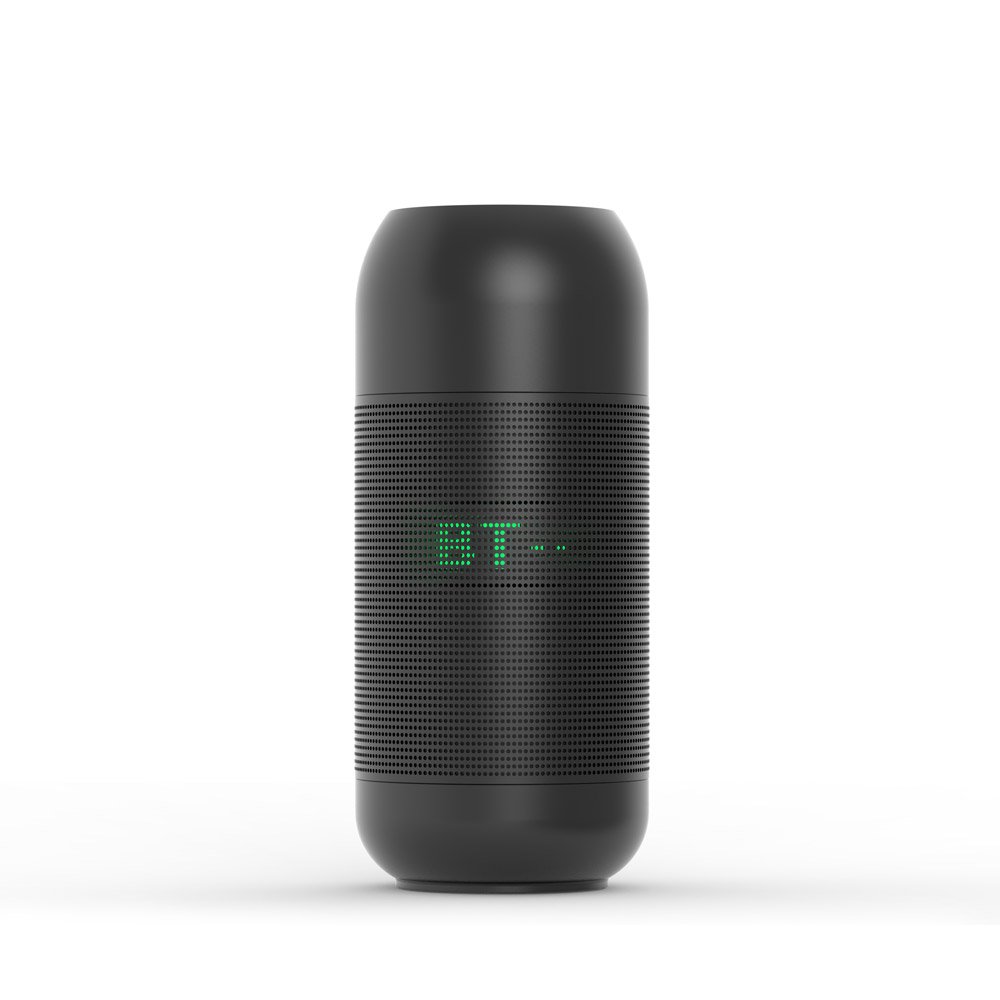
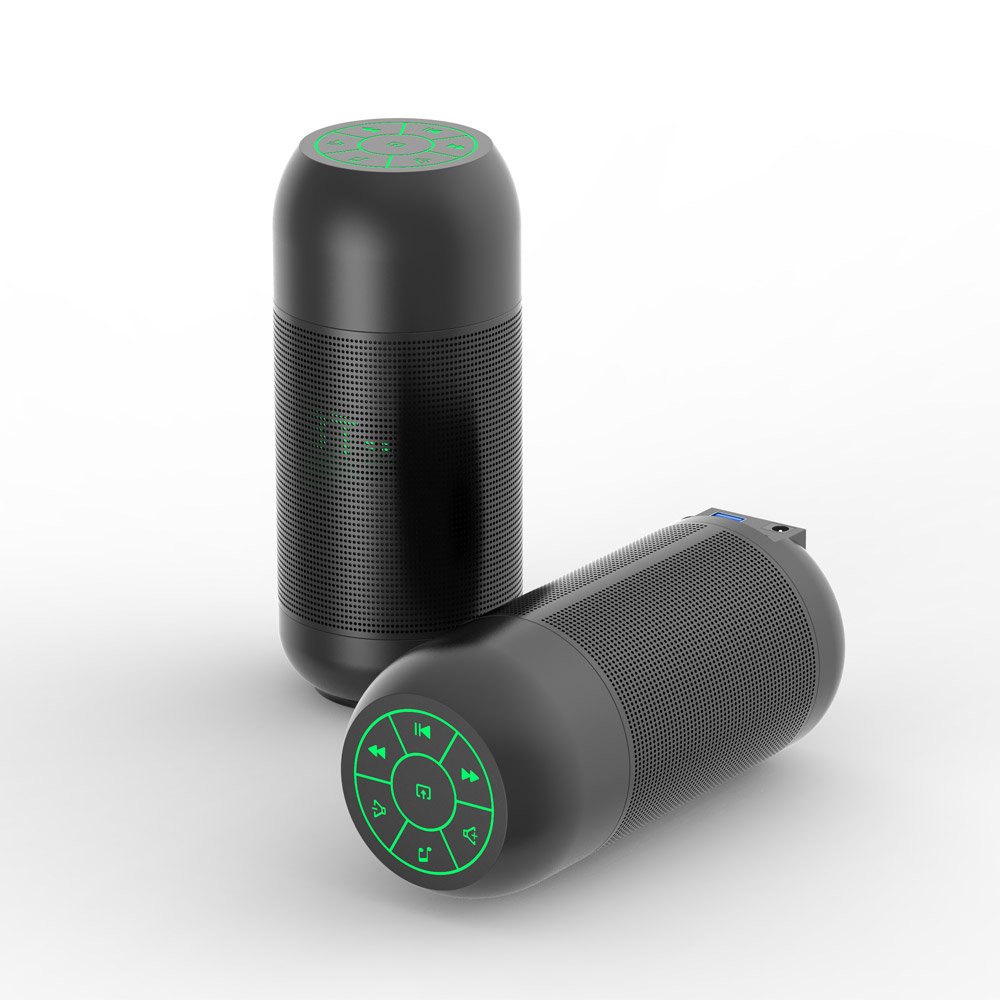
Description
Components and Their Integration:
- Bluetooth: Facilitates local wireless connection between devices such as smartphones, speakers, and other Bluetooth-enabled devices for media control and streaming.
- 2G/4G Connectivity: Provides essential backup internet connectivity and enables remote system access even when WiFi is down. This is crucial for alarm systems and remote notifications.
- TCP/IP: This suite of internet protocols allows the device to communicate over the internet, enabling features like remote control, access, and firmware updates through the internet.
- WiFi: Connects the device to your home internet for high-speed data transfer, which is essential for streaming high-quality audio, video, and handling high volumes of data from smart home devices.
- Security Alarm System: Integrates various security components like cameras, motion sensors, door/window sensors into the system. It uses the network capabilities (WiFi, 2G/4G) to send real-time alerts to your mobile devices and possibly to a security service provider.
- HiFi Music: Delivers high-quality sound through connected speakers. This system would manage digital music files or stream music via online platforms, utilizing Bluetooth or WiFi for transmission.
- FM Radio: Offers access to local radio stations. This can be integrated through an FM tuner that connects to the system, providing an additional entertainment option.
- Smart Home Control: Functions as the central hub for all smart home devices, such as smart lights, thermostats, smart locks, etc. It communicates with these devices via WiFi, Zigbee, or Z-Wave to control various aspects of the home environment.
System Design Considerations:
- Central Control Unit: A user-friendly interface, possibly a touchscreen control panel or a dedicated app that can be used on smartphones or tablets. This interface would allow users to control all integrated features from one place.
- Modular Design: Allows for easy upgrades and integration of additional functionalities or hardware over time.
- Scalability: The system should be capable of handling a large number of devices and different types of devices as more smart home products are developed.
- Security: Robust cybersecurity measures are necessary, including firewall protections, encrypted communications, and regular security updates to protect against potential vulnerabilities.
- Reliability and Redundancy: With critical functions like security depending on this device, ensuring it has a reliable power supply and internet connection (hence the inclusion of 2G/4G) is vital.
- Compatibility: Ensures the hub is compatible with a wide range of devices and standards (e.g., Works with Alexa, Google Assistant, Apple HomeKit, etc.).
Benefits:
- Convenience and Efficiency: Streamlines the management of home devices, making it more convenient and potentially leading to energy savings.
- Enhanced Security: Integrates various security features into one system, enhancing the security of your home.
- Entertainment: Provides high-quality audio and access to diverse media formats.
- Customization: Allows users to tailor the environment of their homes to their preferences in a highly customizable manner.

