
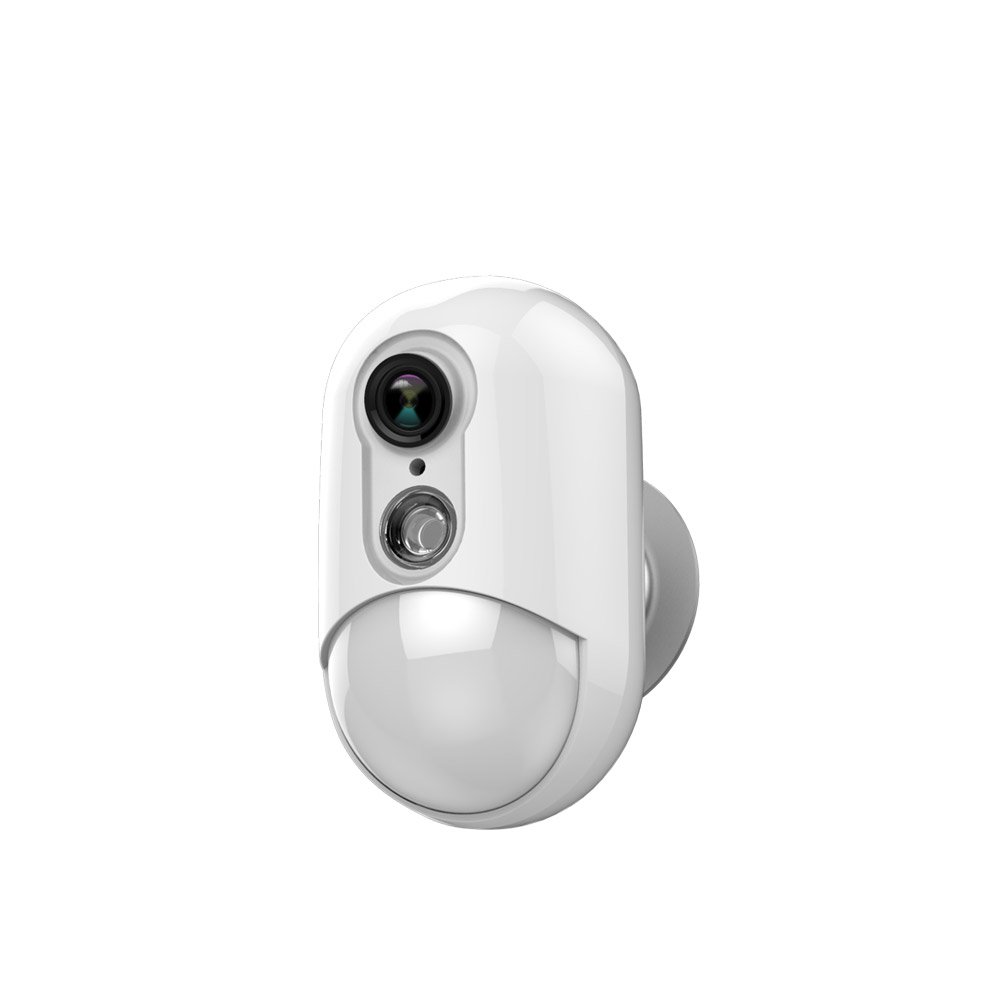
Description
How It Works:
- Motion Detection:
- The system starts with motion detection, which is typically based on changes in the pixel values of the video images. Any significant change triggers the motion detection system.
- This can be adjusted for sensitivity to minimize false alarms due to small or irrelevant movements.
- AI Video Analysis:
- Once motion is detected, the AI component takes over to analyze the context and content of the motion. The AI is trained to recognize various objects, patterns, and behaviors.
- The AI evaluates whether the detected motion is relevant to the security protocol (e.g., distinguishing between a human intruder and a small animal).
- Alert Generation and Action:
- If the AI identifies a potential threat or important event, it can generate an alert.
- Depending on the system setup, it can also initiate actions like recording video, alerting security personnel, or activating other security measures.
Key Features:
- Advanced Object Recognition: It can distinguish between different types of objects, such as humans, vehicles, animals, etc., reducing the rate of false positives.
- Behavior Analysis: Capable of understanding and interpreting behaviors or actions that might indicate a threat or emergency.
- Real-Time Processing: Processes and analyzes video data in real-time, ensuring timely responses to potential security breaches.
- Customizable Sensitivity and Zones: Allows for customization of sensitivity settings and designated monitoring zones to focus on specific areas or ignore others.
- Integration Capability: Easily integrates with existing security systems and cameras, enhancing their functionality without the need for complete overhauls.
Applications:
- Home Security: Enhancing residential security systems to detect break-ins or other suspicious activities efficiently.
- Commercial Security: Used in businesses and retail to monitor for theft, ensure safeties, and analyze customer engagement.
- Industrial and Corporate Security: Monitoring large areas like warehouses, corporate campuses, and industrial complexes for unauthorized access or other security breaches.
- Public Safety: Deployed in public areas such as parks, streets, and public squares to enhance public safety and respond quickly to incidents.
- Traffic and Transportation Monitoring: Used in traffic cameras and public transportation areas to monitor crowd density, detect accidents, or manage traffic flow.
Benefits:
- Enhanced Accuracy and Efficiency: Reduces false alarms and focuses attention on genuine threats, thereby improving overall security response.
- Cost-Effective: Reduces the need for constant human monitoring, leading to cost savings in security operations.
- Data-Driven Insights: Provides valuable insights that can help in understanding traffic patterns, peak hours in retail, or frequent zones of activity, aiding in better management and planning.


